The riskiest meal of a trip is often not the dramatic midnight skewer under neon lights. It is the tired, thirsty, half-random bite you grab an hour after landing, when your body clock is wrecked and your judgment is running on fumes. Learning how to choose safe local food abroad is less about fear and more about timing, observation, and small habits that protect your trip without flattening its flavor.
That matters because food is usually the fastest way into a place. It is the hiss of scallion pancakes on steel, the perfume of star anise lifting from a broth pot, the sweet smoke curling out of a market lane at dusk. Safe local food abroad should still feel alive, spontaneous, and local. The goal is not to travel on plain crackers and sealed yogurt cups. The goal is to understand which moments deserve a yes, which deserve a maybe later, and which deserve a polite smile and a quick walk to the next stall.
I have found that the best food travelers are not the most reckless or the most rigid. They are the best readers of rooms, queues, temperatures, and routines. They know when a market stall is humming in all the right ways. They know how drinking water abroad changes what is safe to sip, wash, or chew. And they know that travelers' diarrhea prevention starts long before the first dumpling hits the table.
Why food mistakes happen when we are excited
Photo by Thought Catalog on Unsplash
Most cases of food poisoning while traveling begin with a mood, not a menu. You land hungry. You smell garlic, charcoal, and broth. A taxi drops you near a famous market. Suddenly every sensible rule feels negotiable because you are tired, thrilled, and convinced that the busiest place must always be the right place. Sometimes it is. Sometimes the busy place is busy because it is on social media, not because it has the best turnover or the cleanest handling.
Travel also scrambles your senses. Heat can dull your appetite until you are suddenly ravenous. Cold weather can make you crave creamy, rich dishes before you have adjusted to the local dairy. Jet lag weakens patience, and low blood sugar makes people careless about street food safety tips they would normally follow at home. That is why your first mission abroad is not to eat everything. It is to slow down enough to notice the signals around you.
The smartest travelers build a tiny pause before every meal, especially on day one. It lasts maybe thirty seconds. In that half-minute, you scan for heat, turnover, clean handling, water source, and whether the dish in front of you makes sense for your first day in a new food environment. That pause does more for safe local food abroad than any dramatic self-denial ever will.
A quick reset before you order helps:
- Ask yourself if you are choosing because the food looks good or because you are simply desperate.
- Notice whether the dish is cooked to order, held warm, or sitting at room temperature.
- Look for separate handling of raw and cooked ingredients.
- Decide whether this is a first-day meal, a last-night splurge, or a risk worth saving for later.
Safe local food abroad starts before takeoff
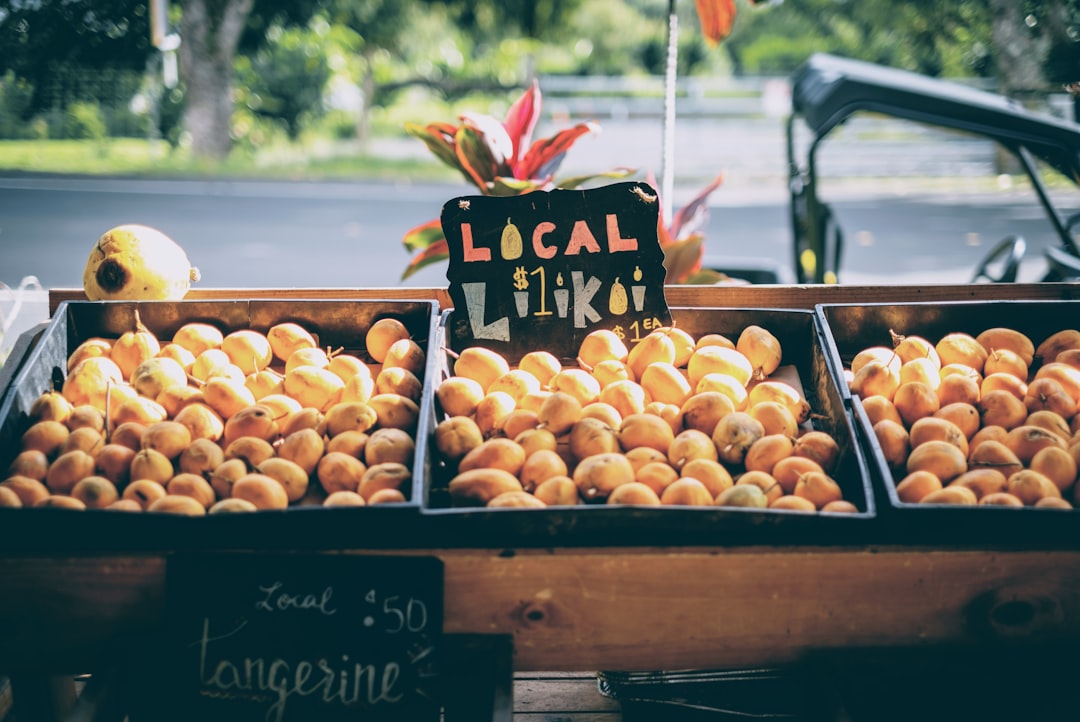
Photo by Jeffrey Clayton on Unsplash
The best meals abroad often begin at home, long before the airport coffee and boarding call. If you arrive wrecked, dehydrated, and vaguely nauseous from bad sleep, even a perfectly decent bowl of noodles can feel like a mistake. I like to think of safe local food abroad as a chain of decisions. The restaurant matters, the market matters, but your body state matters too.
That is why the 24 hours before departure count. Hydration helps. So does eating normally instead of fasting for a giant arrival feast. If you know long flights leave you bloated or constipated, build around that rather than pretending you are immune. The routines in 12-Hour Flight Checklist 2026: Comfort Without the Crash are useful here for more than comfort alone; a calmer arrival usually leads to smarter food choices.
Planning is not glamorous, but it creates freedom. If you already know where your first dinner will be, you are less likely to wander into the first suspiciously empty place with laminated photo menus and lukewarm rice. If you travel with allergies, celiac disease, or a sensitive stomach, save translated phrases before you leave. For offline maps, translation help, and transport tools, Travel Apps Every Traveler Needs in 2026 for Smoother Trips is a useful companion read.
For safe local food abroad, pack the boring things that keep local eating possible:
- Alcohol-based hand sanitizer with at least 60 percent alcohol
- A small packet of tissues or napkins for market tables and spills
- Oral rehydration salts
- Any doctor-approved medicine you normally use for stomach trouble
- A reusable water bottle, plus purification method if you are going remote
- Printed or phone-based allergy cards in the local language
- A few shelf-stable snacks for transit delays, late arrivals, or long bus rides
Your accommodation choice matters too. A hotel near a busy dining district beats a remote bargain if food is central to the trip. A fridge helps. So does having a supermarket or convenience store nearby in case you need a simple breakfast instead of forcing a risky one. When I map first-night meals and nearby backup options, TravelDeck is useful for keeping those food stops close to my hotel instead of improvising hungry after dark.
Street food safety tips for safe local food abroad
The Place Proper Street Food
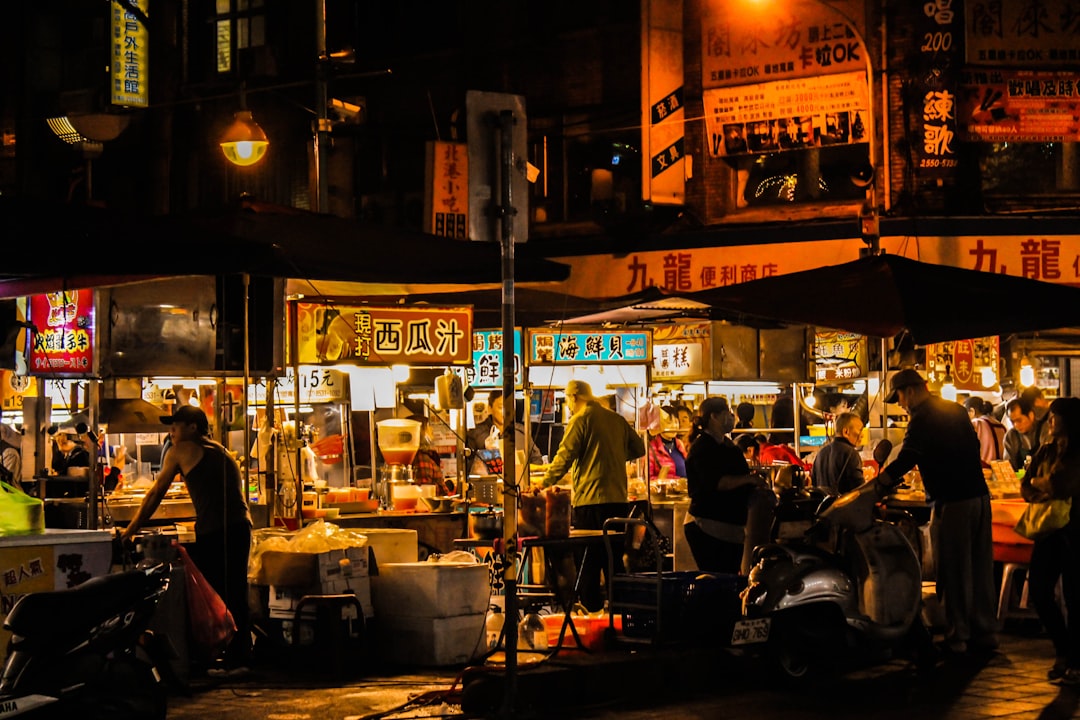
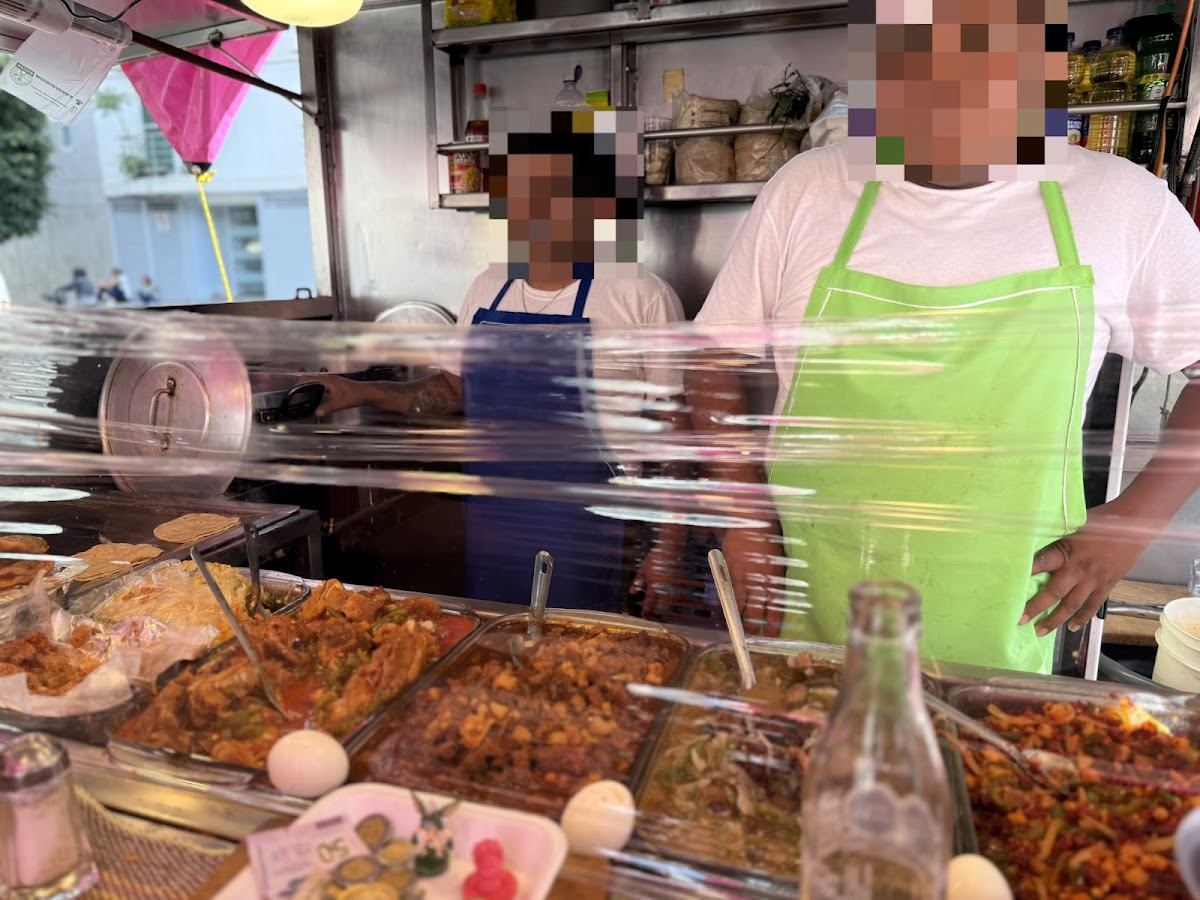
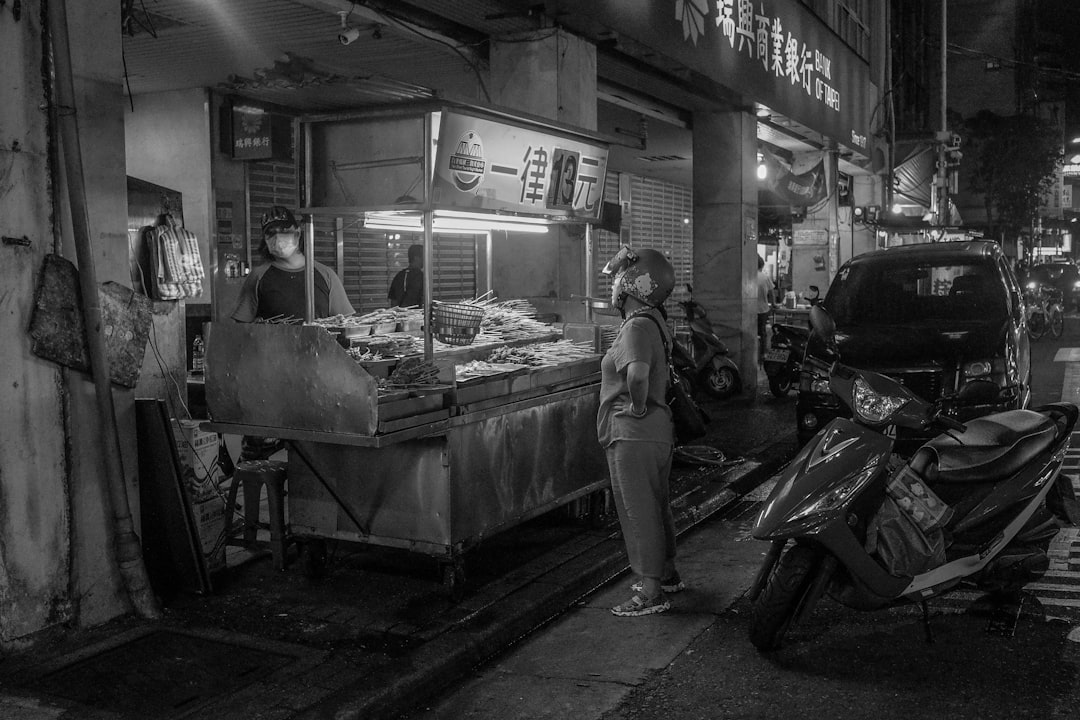
Street food is not automatically dangerous, and restaurants are not automatically safe. A bright dining room can hide lazy refrigeration just as easily as a market cart can serve an immaculate, sizzling plate every ninety seconds. Good street food safety tips begin with movement. You want to see a stall in motion: hands working, ingredients turning over, customers eating and leaving, fresh batches replacing old ones.
The best stalls often sound confident before they look polished. You hear the scrape of the ladle, the chop of cleavers, the rush of oil hitting something freshly dropped. Steam fogs the glass. Metal clicks. Plastic stools fill and empty. A cook reaches for ingredients in a repeatable rhythm. That rhythm matters because it usually means the stall has a narrow menu and a practiced process. Those are both good signs for safe local food abroad.
What you want to avoid is limbo food: skewers sitting warm but not hot, cut fruit sweating in open air, sauces attracting flies, or a tray of cooked items held for hours in gentle heat. Food poisoning while traveling is often less about one exotic ingredient and more about holding temperature, water quality, and cross-contamination.
These street food safety tips work in almost any city:
- Choose stalls with high turnover, especially if locals are eating there repeatedly rather than just photographing the sign.
- Prefer dishes cooked to order over dishes assembled from pre-cooked ingredients sitting out.
- Watch whether raw meat touches ready-to-eat food or clean plates.
- Look for tongs, chopsticks, ladles, or gloves used sensibly, not as a dirty prop.
- Favor steaming soups, grilled skewers, fried dumplings, roasted meats, and pancakes lifted straight from heat.
- Be cautious with raw herbs, pre-cut garnishes, unrefrigerated sauces, and anything with ice on top if drinking water abroad is uncertain.
A few more street food safety tips are less obvious but just as useful. A short menu is usually stronger than an encyclopedic one. Condiments in sealed packets are safer than open communal tubs in hot weather. And if a stall is famous, try to arrive at a busy but not chaotic hour. Around peak turnover, the food is fresh. In the final slow stretch of the night, you are more likely to get the last of something that has been waiting too long.
There is also a social layer. Food areas near major landmarks can attract inflated prices and the occasional setup that feels more tourist trap than local ritual. If someone is aggressively steering you into a particular restaurant near a market, trust your instincts. Some of the same patterns described in Tourist Scam Warning Signs in 2026: Read the Setup Early apply around food zones too.
Drinking water abroad is the hidden part of safe local food abroad
People obsess over grilled meat and forget the real wildcard is often the glass beside it. Drinking water abroad changes the safety equation for juice, tea, ice, washed fruit, salad, brushed teeth, baby bottles, and even the mint leaves floating in your soda. In destinations where water quality is uncertain or simply unfamiliar to your system, the safest meal can become risky because of one invisible ingredient.
This is why drinking water abroad deserves its own mental checklist. Factory-sealed bottled water is the simplest option in many places. Freshly boiled tea or coffee is usually a safer bet than fountain drinks or diluted juices. Carbonated beverages in sealed cans or bottles are often reliable too, though I like to wipe the top before drinking directly from it. These are small habits, but they make safe local food abroad much easier to manage.
Ice is where wishful thinking creeps in. A beautiful cold drink can feel harmless in humid weather, yet if the water behind that ice is questionable, your cocktail is not magically protected because it contains alcohol. The same goes for smoothies, aguas frescas, and cut fruit sold from tubs. Drinking water abroad is also about what the kitchen uses, not just what you sip at the table.
Use this drinking water abroad checklist whenever you are unsure:
- Prefer sealed bottled water or water you have properly treated.
- Skip ice unless you are confident it was made from safe water.
- Choose hot drinks made with freshly boiled water.
- Be careful with fountain drinks, diluted juices, and smoothies made with unknown water.
- Use safe water for brushing teeth if local tap safety is uncertain.
- Peel your own fruit when possible.
- Assume salad greens may have been washed in local water unless you know otherwise.
Drinking water abroad also shapes what to eat overseas on day one. Soups that have been boiled hard are often better choices than cold salads or uncooked salsas. In hot climates, I am especially cautious with fresh juices and anything described as refreshing if I cannot verify the water or ice. It is not glamorous advice, but it keeps your appetite alive for the rest of the trip.
What to eat overseas when your body is adjusting
One of the most useful food questions is not what looks best but what to eat overseas first. Your body needs a landing strip. That does not mean eating blandly. It means choosing dishes with a little structure: high heat, clear turnover, and ingredients that have not spent long in the danger zone between fridge and flame.
On arrival day, I like meals that feel rooted in local culture but easy on the logistics. Think noodle soups with a rolling boil, dumplings steamed in batches, grilled skewers turned constantly over charcoal, rice bowls built from fresh hot components, or pancakes and flatbreads slapped onto a hot surface and handed over immediately. This approach lowers the odds of food poisoning while traveling without turning your first meal into a sad safety drill.
By day two or three, once you have adapted and learned the local rhythm, you can widen the menu. Safe local food abroad becomes much easier once you know where the strongest breakfast spots are, which market lanes have the best turnover, and what time the local rush happens. If you are traveling with friends, choose the first big food outing carefully; chaotic group indecision often leads to bad compromises, which is why the logic in Group Travel Decision Rules for 2026 That Save Friendships applies surprisingly well to meals too.
Here is a practical table for what to eat overseas when you want flavor and a lower-risk first step:
| Dish type | Why it works | Best moment | Be careful with |
|---|---|---|---|
| Boiling soups and broths | Sustained high heat, fast turnover in busy spots | First meal after arrival | Added raw herbs, ice water on the side |
| Steamed dumplings and buns | Fresh batches, enclosed fillings, quick service | Lunch or early dinner | Pre-made trays sitting too long |
| Grilled meats and seafood | High surface heat, visible cooking | Busy evening markets | Marinades brushed from old containers |
| Rice bowls with hot toppings | Easy to judge freshness, filling without excess grease | Transit days | Lukewarm rice or toppings sitting out |
| Freshly cooked breakfasts | Sets up the day, easier portion control | Morning after arrival | Buffet eggs and dairy left warm |
| Peeled fruit | Lower handling risk if you peel it yourself | Snack or dessert | Pre-cut fruit cups in heat |
When people ask what to eat overseas if they still want the soul of the place, my answer is this: choose living food. Food that crackles, steams, drips, or arrives with obvious heat. Save the cold, creamy, raw, or sitting-around dishes for destinations and venues where you feel confident about hygiene and water. That is not timid. It is strategic.
Travelers' diarrhea prevention without giving up the trip
No one wants to think about digestive problems while planning dumplings, curries, market noodles, or beach lunches. But travelers' diarrhea prevention is not negativity. It is maintenance. The quicker you respond to early signs, the less likely a rough afternoon becomes a wrecked week.
The first rule of travelers' diarrhea prevention is to pay attention to the pattern, not just the pain. A single heavy meal may leave you sluggish. Repeated urgent bathroom trips, cramping, fever, or vomiting are a different story. If you are in a hot destination, dehydration can arrive faster than people expect, especially after a long walking day with alcohol, coffee, and too little water.
The second rule of travelers' diarrhea prevention is not to prove how tough you are. Rest. Rehydrate. Slow down. Choose simple, hot foods when your appetite returns. Food poisoning while traveling tends to worsen when people keep forcing spicy feasts and long day trips because they do not want to miss out. Missing one sunset market is better than missing three days.
A sensible travelers' diarrhea prevention response looks like this:
- Start oral rehydration salts early if symptoms are more than mild.
- Drink small, steady amounts rather than chugging huge volumes at once.
- Pause alcohol for a day or two.
- Shift to hot soups, rice, toast, bananas, or other simple foods you tolerate well.
- Wash hands with soap when possible; sanitizer is helpful but not perfect on dirty hands.
- Seek medical advice quickly for high fever, blood in stool, severe vomiting, faintness, or signs of dehydration.
Travelers' diarrhea prevention also means respecting who is more vulnerable. Pregnant travelers, older adults, infants, and anyone immunocompromised should be more cautious with raw foods, unpasteurized dairy, and uncertain water. If you are preparing infant formula abroad, water source and bottle hygiene deserve serious planning. Safe local food abroad should feel joyful, but it should also reflect your actual health needs.
Why Taipei is a smart classroom for safe local food abroad
If you want a city that teaches good food habits without draining the joy out of eating, Taipei is an excellent place to start. Night markets thrum with steam and motion, breakfast shops specialize rather than improvising, and many beloved dishes are served hot, fresh, and fast. You still need judgment, of course, but the city rewards it. For travelers learning safe local food abroad, Taipei offers a rare combination of convenience, flavor, and visible cooking.
The sensory experience is immediate. You step into Raohe Street Night Market and catch black pepper, sesame, broth, grilled squid, sweet potato, herbal soup, and incense drifting out from nearby temple air. Metal shutters rattle. Scooters zip past outside the market edge. Vendors move with muscle memory. Even when the lanes are crowded, the strongest stalls usually reveal themselves by rhythm rather than hype. That makes Taipei a brilliant place to practice street food safety tips in real time.
It also helps that what to eat overseas in Taipei often aligns with lower-risk logic. Beef noodle soup, xiaolongbao, scallion pancakes, braised pork rice, sesame oil chicken, pepper buns, soy milk breakfasts, and tea culture all give you ways to eat locally without diving straight into the most fragile foods. Safe local food abroad becomes less abstract here. You can watch it happen.
How to get there
Taipei is served by two airports. Most international travelers arrive through Taiwan Taoyuan International Airport, code TPE, west of the city. A smaller airport, Taipei Songshan Airport, code TSA, handles many regional routes and is much closer to the center. If you are coming from Tokyo, Seoul, Hong Kong, Bangkok, Singapore, or major North American hubs, TPE is the usual gateway.
From TPE, the Airport MRT is the easiest first move for most visitors. Express and commuter services run to Taipei Main Station in roughly 35 to 50 minutes, and the standard adult fare is NT$150. Airport buses are cheaper, usually around NT$90 to NT$145 depending on route, and take roughly 50 to 70 minutes depending on traffic. Taxis to central Taipei generally cost around NT$1,200 to NT$1,600 and take 40 to 60 minutes. If you arrive at TSA, an MRT ride or short taxi gets you downtown quickly; taxi fares are often around NT$150 to NT$250 depending on neighborhood.
For onward travel inside Taiwan, Taipei Main Station links you to Taiwan High Speed Rail, Taiwan Railways, and long-distance buses. If your trip includes Taichung, Tainan, or Kaohsiung, the high-speed rail is fast and reliable.
Useful transport basics:
- TPE to Taipei Main Station by Airport MRT: 35 to 50 minutes, NT$150
- TPE to central Taipei by bus: 50 to 70 minutes, NT$90 to NT$145
- TPE to city by taxi: 40 to 60 minutes, around NT$1,200 to NT$1,600
- TSA to Xinyi or Zhongshan by taxi: 10 to 20 minutes, around NT$150 to NT$250
- EasyCard for metro and buses: convenient and widely accepted for local transit
Things to do
Taipei works best when you let food lead the geography. Breakfast spills into temple visits, market walks become neighborhood history lessons, and a tea stop can easily turn into a late afternoon on a hillside above the city. The beauty of Taipei is that culinary travel is not boxed into one district. Good eating threads through everyday life.
If safe local food abroad is your focus, treat the city like a series of practice zones. Start with breakfast shops where turnover is obvious. Move to markets with tight specialties. Watch how people queue. Notice how vendors store ingredients. By evening, you will start seeing the patterns that make strong food cities feel legible.
Try these food-centered activities:
- Raohe Street Night Market, Songshan District
- Ningxia Night Market, Datong District
- Yongkang Street and Dongmen area
- Dihua Street and Dadaocheng
- Addiction Aquatic Development, Zhongshan District
- Maokong Gondola and tea houses
- Join a cooking class
Where to stay
Where you sleep changes how you eat. A central hotel means breakfast is a short walk, not a desperate metro ride. A place near a market district gives you the freedom to walk away from one stall and choose another. If food is the point of the trip, location often matters more than a bigger room.
For Taipei, I like three kinds of bases. Taipei Main Station is excellent for transit and practical first arrivals. Zhongshan is stylish, walkable, and good for cafes and mid-range dining. Xinyi gives you polished hotels and easy metro access, while Da'an puts you close to many well-loved local favorites.
| Budget tier | Suggestions | Typical price |
|---|---|---|
| Budget | Star Hostel Taipei Main Station, Meander Taipei Hostel in Ximending, CU Hotel near Ningxia Night Market | About US$20 to US$70 per night depending on dorm or private room |
| Mid-range | CityInn Hotel Plus Fuxing N. Rd., Swiio Hotel Daan, Hotel Gracery Taipei | About US$90 to US$190 per night |
| Luxury | Regent Taipei, Kimpton Da An Taipei, Grand Hyatt Taipei | About US$230 to US$420 per night |
A few neighborhood notes:
- Taipei Main Station is best if you want easy airport access and day trips.
- Datong near Ningxia is strong for old Taipei atmosphere and evening snacking.
- Da'an and Dongmen work well if your dream day starts with dumplings and ends with dessert on foot.
- Xinyi suits travelers who want upscale hotels with night-market access by MRT.
Where to eat
Taipei is full of places where the pleasure of eating and the logic of safe local food abroad overlap neatly. The city rewards people who eat at the right hour. Breakfast shops are busiest when breakfast should happen. Dumpling houses are at their best when the steamers are cycling fast. Night markets feel most delicious when the grills are constantly firing rather than idling.
Instead of chasing a gigantic bucket list, build a food day with contrast: a hot breakfast, a noodle lunch, a market dinner, and one tea or dessert stop. That gives your stomach breathing room while still letting you taste the city with intention. It is one of the best answers to what to eat overseas when you want both pleasure and pace.
Strong Taipei food stops include:
- Fuhang Soy Milk, Huashan Market
- Yongkang Beef Noodle, Da'an District
- Din Tai Fung, Xinyi Road section near Dongmen
- Jin Feng Braised Pork Rice near Chiang Kai-shek Memorial Hall
- Raohe Street Night Market
- Ningxia Night Market
- Addiction Aquatic Development
- Ice Monster or another shaved ice stop in the Dongmen area
Signature dishes worth prioritizing in Taipei include beef noodle soup, xiaolongbao, lu rou fan, sesame oil chicken, pepper buns, scallion pancakes, braised tofu, gua bao, shaved ice, and high-mountain tea.
Practical tips
Taipei feels easiest in spring and autumn, especially March to April and October to November, when humidity is more forgiving and market wandering is genuinely enjoyable. Summer can be intensely hot and wet, with typhoon risk in the broader season, while winter is usually mild but often damp. Weather matters because heat changes your appetite, your hydration, and how long you want to stand around deciding between stalls.
Cash still matters in markets, even though cards and mobile payments are common elsewhere. Carry small bills and an EasyCard for metro and buses. Convenience stores are everywhere and useful for bottled drinks, fruit, yogurt, and backup snacks. If you are building a system for safe local food abroad, Taipei is a great place to practice keeping emergency supplies close without ever feeling cut off from local life.
Useful Taipei food and travel tips:
- Best months: March to April and October to November
- Summer note: hot, humid, and often above 30 C, so drinking water abroad becomes even more important
- Currency: New Taiwan dollar, usually written NT$
- Transit: EasyCard saves time on metro and buses
- Water: many visitors still prefer filtered, boiled, or bottled water for regular drinking
- Packing: tissues, sanitizer, a light layer for indoor air-conditioning, and oral rehydration salts
- Etiquette: queue patiently, return trays where expected, and avoid blocking tiny shop entrances while deciding
- Connectivity: airport eSIM counters and local SIM options are easy to find, and metro coverage is excellent for navigation
Helpful official links:
- Taiwan Tourism Administration
- Taoyuan Metro
- Taipei Metro
- Taiwan High Speed Rail
- Central Weather Administration
FAQ
Is Taipei a good first city for nervous food travelers?
Yes. Taipei is one of the easiest places to practice safe local food abroad because many popular dishes are hot, fresh, and served with quick turnover. You still need judgment, but the city gives you many low-stress ways in.
Can I eat street food every day if I follow good habits?
Usually, yes. Strong street food safety tips matter more than avoiding markets entirely. Choose busy stalls, favor cooked-to-order dishes, and stay aware of drinking water abroad when it comes to ice, sauces, fruit, and beverages.
What should I do if I think I have food poisoning while traveling?
Start hydration early, rest, and shift to gentle foods once you can eat again. Food poisoning while traveling becomes serious faster if dehydration sets in. Seek medical care for high fever, blood in stool, severe vomiting, or symptoms that feel intense rather than merely inconvenient.
What is the best answer to what to eat overseas on arrival day?
Go for hot, freshly cooked dishes with obvious turnover. In Taipei, beef noodle soup, dumplings, soy milk breakfast items, or braised rice dishes are smarter first steps than buffets, raw seafood, or meals built around lots of ice and uncooked garnishes.
Are night markets cash only?
Many stalls still prefer cash, especially smaller ones, so keep small bills ready. That also makes it easier to move quickly when you spot a strong stall and do not want to lose your place in line.
Travel food always asks for a balance between curiosity and judgment. The trick is to keep both. If you learn to notice heat, water, pace, and handling, safe local food abroad stops feeling like a restrictive rulebook and starts feeling like fluency. You read the room better. You choose better. You remember more of the good bites and fewer of the bad decisions.
And that, really, is the best kind of culinary confidence. Not the bravado of eating recklessly for a story, but the quiet skill of moving through a city with your appetite fully awake. The world tastes better when you know how to meet it halfway.