Stretch Your Travel Budget: Smart Tips & Real Cost Breakdowns
Stretch Your Travel Budget: Practical Strategies and Real Cost Breakdowns
Photo by Omar Al-Ghosson on Unsplash
Traveling on a budget doesn't mean missing out. With a few planning habits, smart choices, and the right tools, you can visit more places, stay longer, and enjoy richer experiences without breaking the bank. This guide offers practical tips, real cost examples, and actionable ways to shave expenses from flights to food.
Plan with Intention (but stay flexible)
Photo by Walls.io on Unsplash
Good budgeting starts before you leave home:
- Set a realistic daily budget based on destination research.
- Use TravelDeck's itinerary planning to map priorities and spot cost savings—group free or low-cost activities by neighborhood to cut transportation.
- Be flexible with dates. Mid-week flights, shoulder seasons, and last-minute deals often yield big savings.
Tip: Build two itineraries—“wish list” and “budget” versions. The budget version keeps daily costs predictable and allows occasional splurges.
Flights: Timing, Tools, and Tactics
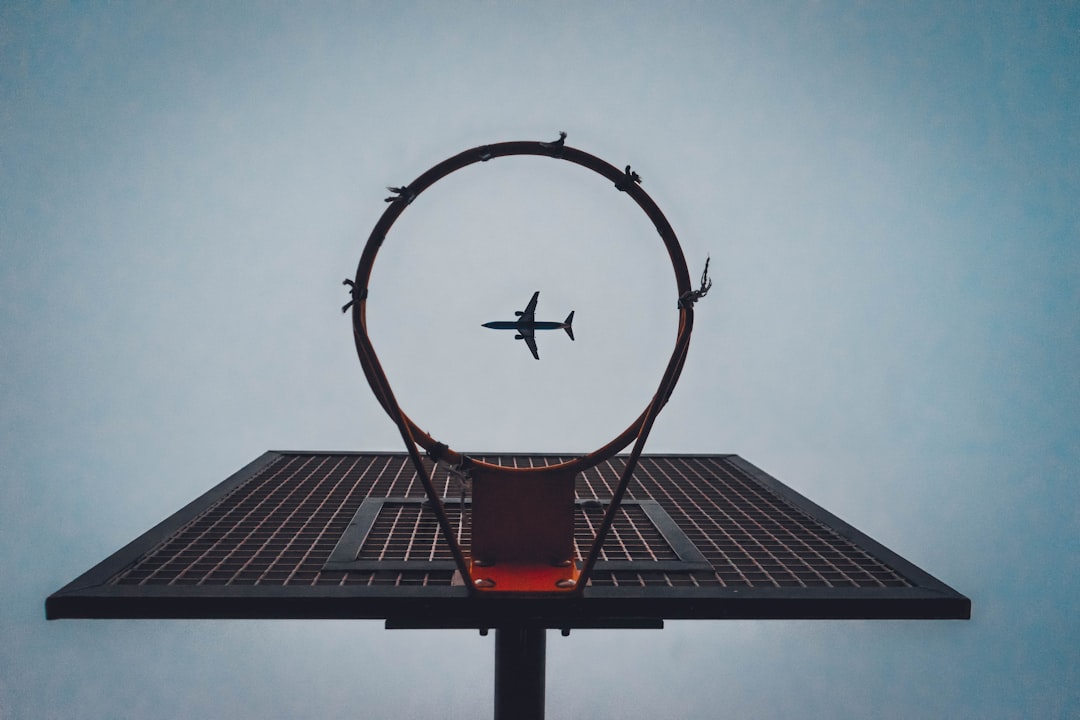
Photo by Mubarak Ismail on Unsplash
Flights are often the largest single expense. Trim costs with these tactics:
- Search early but monitor: ticket prices fluctuate—set alerts for your route.
- Consider nearby airports and multi-city tickets.
- Use flexible-date charts and price-comparison tools.
- Fly budget carriers when feasible, but calculate the total price after baggage and seat fees.
Cost example: A short-haul flight in Europe can range from $30–$150 one-way on a low-cost carrier; adding baggage and seat selection can double that. Always compare an all-in fare.
Accommodation: Where to Save and Where to Splurge
Accommodation is a balancing act between comfort and cost.
- Mix accommodation types: a few nights in a splurge hotel, then budget hostels, guesthouses, or vacation rentals.
- Consider shared rooms, capsule hostels, or family-run pensions in non-central neighborhoods.
- Use TravelDeck to compare nightly cost estimates across dates and to visualize where savings are greatest.
Cost example: In Southeast Asia, decent private rooms can cost $15–$40/night. In major US cities, budget travelers should expect $60–$120 for budget hotels or private rooms.
Food: Eat Well, Spend Less
Food is where smart choices make a huge difference in daily spending:
- Eat like a local: street food, markets, and neighborhood cafes are cheaper and often tastier.
- Cook some meals if you have a kitchenette—stop by a market for fresh ingredients.
- Limit tourist-trap restaurants and resort dining, which often carry big markups.
Practical tip: Pack snacks for long travel days to avoid overpriced airport and station food.
Local Transport and Getting Around
Reduce transportation costs with these strategies:
- Walk when possible—it's free and lets you discover hidden gems.
- Use public transit day passes instead of taxis.
- Rent bikes or use rideshare pools for short hops.
- When traveling between cities, night trains or buses can save on one night of accommodation.
Cost example: A city transit day pass might cost $5–$15, while multiple taxi rides can quickly exceed $30.
Activities and Attractions: Prioritize and Hunt for Deals
You don’t have to do everything to have a rich trip:
- Prioritize must-see experiences and balance them with free attractions: parks, neighborhoods, museums with free days.
- Book combo tickets, city passes, and discounted online advance tickets when useful.
- Join free walking tours (tip: tip the guide what you can afford).
TravelDeck note: Add paid and free activities to your TravelDeck itinerary to see how they affect your daily budget and to group nearby experiences.
Money Management on the Road
Handling money smartly saves fees and stress:
- Use a mix of cash and cards: small vendors may prefer cash; cards cover bigger purchases. Know local tipping customs.
- Choose a low-fee travel card and notify your bank about travel dates.
- Track expenses daily. TravelDeck's expense splitting makes it easy to record shared costs and settle up after group trips.
Practical routine: Record every expense in a simple app or notebook each evening to avoid surprises.
Group Travel: Split Costs, Share Memories
Traveling with friends or family offers shared savings:
- Split accommodation and shared groceries to cut per-person costs.
- Use TravelDeck's expense splitting and shared gallery features to keep receipts, photos, and payments organized—no awkward math at the end.
- Assign roles (planner, chef, navigator) so responsibilities and costs are distributed fairly.
Sample 3-Day Budget Breakdown (mid-range city)
- Flights (avg, per person): $200
- Accommodation (3 nights, shared): $120
- Food (3 days): $90
- Local transport: $20
- Activities and admissions: $70
- Misc/contingency: $50
Total: $550 — tweak each line depending on destination, travel style, and season.
Emergency Fund and Travel Insurance
Always keep a small emergency fund and consider travel insurance that covers medical emergencies and trip interruption. A solid policy can prevent catastrophic costs if plans go wrong.
Final Practical Tips
- Carry a refillable water bottle to save on drinks.
- Pack versatile clothing to avoid extra laundry or purchases.
- Use free Wi-Fi in cafes and libraries for light planning, but keep secure backups for important documents.
- Negotiate smartly for tours or taxis when culturally appropriate.
Wrap-Up and Call to Action
Budget travel is about choices—where to economize and where to invest for meaningful experiences. Combine smart planning, daily tracking, and flexible habits to stretch your money further. Try TravelDeck to build itineraries, split expenses, keep a shared gallery of memories, and use AI guides to find cost-effective activities. Start planning your next affordable adventure with TravelDeck today.