Travel Organization Tips: Master Your Trip Like a Pro
Travel Organization Tips: Master Your Trip Like a Pro
Travel organization tips are the secret ingredient that turns chaotic vacations into calm, memorable adventures. Whether you’re planning a long multi-stop trip or a weekend escape, this guide gives practical travel organization tips, hacks, and workflows to help you plan, pack, and travel with confidence.
In this article you’ll find tested strategies for itinerary planning, packing strategies, trip budgeting, and using digital travel tools — plus step-by-step checklists and real-world examples to implement today.
Why travel organization tips matter
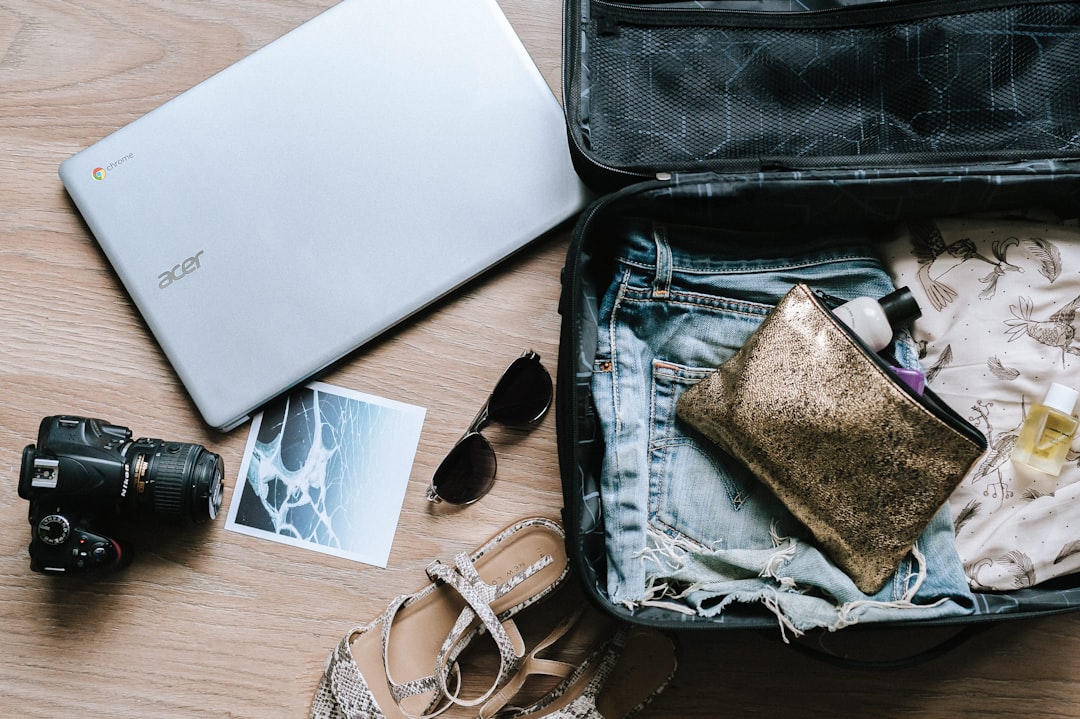
Photo by Anete Lūsiņa on Unsplash
Travel organization tips save time, reduce stress, and let you enjoy more of the destination. Disorganization creates delays at airports, lost reservations, and missed experiences. Good organization frees up energy for what matters: exploring, tasting, and connecting.
These travel organization tips combine classic advice (pack light, plan time) with modern digital workflows (AI itineraries, synced travel docs) so you can be efficient in 2026 and beyond.
Primary framework: PLAN, PACK, PROTECT, PAY
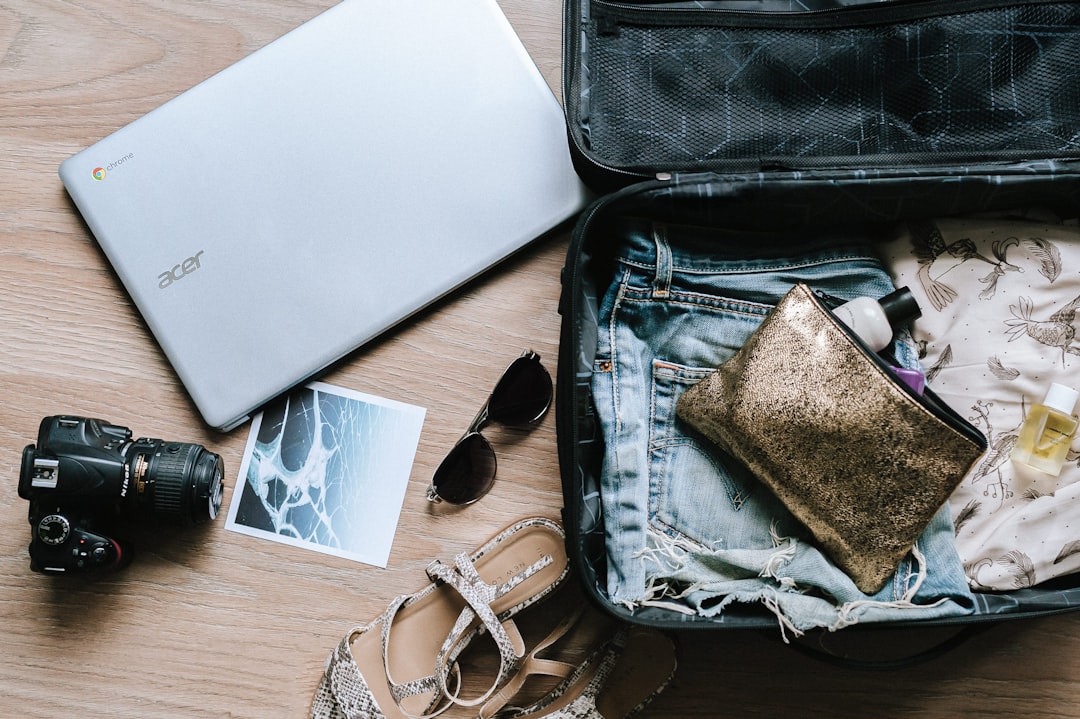
Photo by Anete Lūsiņa on Unsplash
Use this four-part system to structure your travel prep. Each section has specific travel organization tips you can apply immediately.
PLAN — travel organization tips for smarter itinerary planning

Photo by Kristina Evstifeeva on Unsplash
Planning is where most wins happen. Apply these travel organization tips to build an itinerary that’s realistic and flexible.
- Start with a rolling calendar: block big items first (flights, trains, major tours), then layer in days for exploration. Keep buffer time between connections.
- Use a single itinerary master file. Combine reservations (flights, ferries, hotels) into one document or app so nothing slips through. Modern tools let you import confirmations from email and auto-populate dates — this is a top travel organization tip to avoid missed check-ins.
- Prioritize experiences, not checklists. Choose 3 “must” activities per place and leave free time to discover off-plan moments.
- Time your tickets: buy timed tickets for popular attractions and use lunchtime or late-afternoon slots to avoid crowds.
- Sync maps and offline guides. Download offline maps (Google Maps offline areas) and an offline copy of essential pages (hotel address, meeting points).
- Build contingency plans. For each key transit, have one backup route and a rough extra-budget figure for emergencies.
Practical tool recommendations:
- Use official tourism sites and local transport pages for schedules and service alerts.
- Book flights with reputable search engines like Skyscanner or fare alerts from The Flight Deal.
- For US travel authorization check ESTA requirements before booking.
Travel organization tip: combine your itinerary and travel docs into one shareable file so friends or family can help if needed.
PACK — packing strategies and minimalist tips
Packing is a predictable pain point. These travel organization tips will help you pack lighter and smarter.
- Choose a capsule wardrobe: 5 tops, 3 bottoms, 1 jacket, two pairs of shoes (walking + casual). Aim for neutral colors and quick-dry fabrics.
- Use packing cubes and a laundry plan. Packing cubes keep outfits accessible; schedule a laundromat or hotel laundry mid-trip to halve your wardrobe.
- Pack by activity, not day. Create small cubes for 'city', 'hike', 'beach', and mix items as needed.
- Essentials kit: small first-aid, travel-size toiletries, universal adapter, portable charger, and a compact rain layer.
- Digital-first approach: carry digital copies of reservations, boarding passes, and passports (stored securely). Still bring a physical passport when required.
- Smart toiletries: buy bulky items at your destination when possible.
Packing checklist (quick):
Travel organization tips for luggage security:
- Use a luggage scale to avoid surprises at the airport.
- Mark your luggage with a unique ribbon and a discreet contact tag.
- Carry a small lock for hostel lockers or secondary bags.
PROTECT — backup plans, health, and document safety
Protection is about reducing risk. These travel organization tips protect you from common travel headaches.
- Make digital backups of passports, visas, medical records, and insurance. Store them encrypted (e.g., a password manager or secure cloud service).
- Share live location and itinerary with a trusted contact. Many apps let you share arrival ETAs and route updates so someone knows your plan.
- Know local emergency numbers and the nearest embassy or consulate.
- Buy travel insurance with robust medical and trip interruption cover. Check policies for adventure activities if you plan hiking or water sports.
- Bring a small medical kit and any prescription medications in their original packaging with a doctor’s note if needed.
Useful links:
- Check visa requirements for your destination on official embassy pages.
- Confirm immunization or health entry requirements via national health portals and the WHO when relevant.
Travel organization tip: maintain a summarized “travel one-pager” with critical numbers, insurance info, and emergency contacts. Keep one digital and one printed copy.
PAY — budgeting, money safety, and expense splitting
Managing money on the road is part planning and part technology. These travel organization tips keep your finances secure and transparent.
- Create a trip budget template: allocate to transport, accommodation, food, experiences, and a contingency fund (10–20%).
- Use cards with no foreign transaction fees and a fee-free ATM debit card. Notify banks of travel dates and destinations.
- Carry an emergency stash: a small amount of local cash in a separate place from your daily wallet.
- Split expenses seamlessly with friends. Tools like TravelDeck’s expense splitting let groups track shared costs, upload receipts, and settle balances quickly.
- Track spending daily to avoid surprises. A simple spreadsheet or app will do the trick.
Travel organization tip: keep receipts and log them at day’s end; small errors compound over long trips.
Digital travel tools that supercharge travel organization tips
Modern travel thrives on the right apps. Use these digital travel tools to implement the travel organization tips above.
- Itinerary management: export a master itinerary to a travel app that keeps confirmations, maps, and tickets in one place.
- AI trip planning: use AI guides to generate day-by-day plans and optimize routes.
- Shared galleries and notes: store trip photos and group notes in one shared album so memories aren’t fragmented.
- Offline maps: Google Maps offline or maps.me for no-signal navigation.
- Expense management: apps for real-time expense splitting and currency conversion.
Practical note: combine an AI-powered itinerary with manual checks. AI helps draft travel routes and time estimates, but confirm transport schedules, opening hours, and local holidays with official sites.
Real-world workflow: how I organize a two-week European trip (step-by-step)
Here’s a tested workflow using the travel organization tips above.
This workflow follows core travel organization tips: plan heavy, pack light, and protect critical assets.
Advanced travel organization tips for multi-destination trips
Multi-stop trips add complexity. Use these additional travel organization tips to stay efficient.
- Stagger your packing: keep a small day bag with essentials and a main bag stored at a base city when possible.
- Night trains and red-eye flights can save nights of accommodation but require stamina and a plan for freshening up.
- Consolidate bookings with flexible cancellation options where possible.
- For frequent moves, prefer central hotels to minimize transit time.
- Use public transport passes when they yield clear savings; calculate breakeven points.
Travel organization tip: always run a simple spreadsheet comparing combined travel time vs. cost — a $30 bus that saves two hours may be worth it.
Solo vs. group travel — organization tips by style
Some travel organization tips vary by travel style.
Solo travel tips:
- Share a daily check-in with a trusted person.
- Keep digital backups and extra emergency cash.
- Choose central accommodations for safety and ease.
Group travel tips:
- Use shared itinerary files and expense apps to avoid friction.
- Assign roles (navigator, treasurer, photographer) to streamline decisions.
- Establish a daily meeting time to synchronize plans and budgets.
Group organizational efficiency often determines how enjoyable a trip is. For group budget tracking, see Group Travel Budget for more ideas.
Time-saving airport and transit organization tips
Airports and long transits are where time is lost. These travel organization tips help you move faster and with less stress.
- Check-in online and download boarding passes.
- Pack a small ‘transit kit’ with snacks, water bottle, chargers, and a neck pillow.
- Use TSA PreCheck, Global Entry, or local fast-track options where available.
- Arrive early for international flights to handle unexpected lines.
Airport resource links:
- For expedited US travel processing see Global Entry/TSA PreCheck.
Travel organization tip: use a single day bag for carry-on essentials so you never dig through a larger bag during transfers.
Cultural and local organization tips
Good travel organization includes cultural prep. These tips reduce friction and make interactions smoother.
- Learn 10-15 basic phrases in the local language.
- Save the hotel address in the local language to show a taxi driver.
- Research tipping etiquette and local customs before arrival.
Travel organization tip: visiting a local tourism office on arrival often yields maps, discounts, and practical advice you can’t find online. For city-specific reading, try our Things to Do in Istanbul Guide.
Tech hygiene and privacy — keep your data safe
Your digital safety is travel security. Follow these travel organization tips to protect accounts and data.
- Use a password manager and enable two-factor authentication (2FA).
- Avoid public Wi‑Fi for sensitive transactions; use a VPN when on public networks.
- Keep device OS and apps updated before departure.
Travel organization tip: create a travel-only email address to centralize confirmations and reduce clutter in your primary inbox.
Money-saving travel organization tips without sacrificing comfort
Being organized often saves money. These tips help you protect your budget while enjoying quality experiences.
- Book non-refundable only for firm plans; otherwise choose flexible options.
- Eat like a local: lunchtime menus and markets stretch your budget.
- Use local SIM or eSIM to avoid roaming fees and enable cheap navigation and food searches.
Resource: compare eSIM options on providers and buy before you travel for easier setup.
Quick-reference checklists (print or save)
Pre-departure checklist:
- Passport, visas, and printed reservation copies
- Travel insurance policy and emergency contacts
- Notify bank; set up travel-friendly cards
- Confirm pet or home care if relevant
Arrival checklist:
- Exchange a small amount of cash
- Activate local transport cards
- Download offline maps and check attraction times
Daily travel checklist:
- Charge devices and power bank
- Log expenses and save receipts
- Back up photos and important documents nightly
These simple routines are high-return travel organization tips.
Common mistakes and how to avoid them
Fixes: maintain redundancy, run a quick pre-departure audit, and build realistic time buffers.
Using TravelDeck to implement travel organization tips
TravelDeck helps centralize many organization tasks: itinerary planning, expense splitting, shared gallery, and AI guides.
- Itinerary planning: auto-import confirmations and export a single master itinerary.
- Expense splitting: track group costs and settle balances easily.
- Shared gallery: keep photos and notes in one place for the whole group.
- AI guides: generate day-by-day plans and adjust them on the fly.
Integrating TravelDeck into your workflow puts many travel organization tips into a single app experience. Learn more at https://traveldeck.ai.
Sample day plan template (use with your itinerary)
Morning: must-see attraction (timed ticket), short cafe break, quick market walk.
Afternoon: local lunch, neighborhood stroll, optional museum or rest.
Evening: recommended restaurant or local event, quick review of next-day timing and reservations.
This simple rhythm balances structure with discovery.
Conclusion: fold these travel organization tips into a personal system
Travel organization tips become powerful when you turn them into habits. Use the PLAN-PACK-PROTECT-PAY framework, adopt a single master itinerary, and leverage digital tools to reduce friction.
With these strategies you’ll spend less time troubleshooting and more time enjoying your journey. Start small: create one master itinerary for your next trip and apply three packing and protection tips.
If you travel with others, check out Group Travel Budget for complementary budgeting ideas and use TravelDeck to coordinate plans and expenses.
Ready to organize your next trip? Try TravelDeck’s itinerary planning, expense splitting, shared gallery, and AI guides to turn these travel organization tips into action. Visit https://traveldeck.ai and plan smarter today.
---
Tags: travel organization tips, itinerary planning, packing strategies