Solo travel is no longer a niche move for the extra-confident few. In 2026, it is one of the most common ways people see the world, and that changes the conversation. The real challenge is not whether you are brave enough to go. It is whether you know how to build a trip that feels free without feeling exposed. This guide to traveling alone safely is about exactly that: not fear, not paranoia, and not hiding in your room, but smart routines that let you move through a new place with calm, clarity, and a little bit of swagger.
A good solo trip does not run on luck. It runs on systems. You want the address of your hotel saved offline before wheels touch the runway. You want your first hour mapped, your second card stored separately, and your ego small enough to change plans when a street, bar, or person feels wrong. If you get those basics right, solo travel starts to feel less like a test and more like a deep exhale.
The heart of this solo travel guide is simple: reduce friction, stay visible when you need to, disappear from attention when you do not, and choose places that make independence feel easy. Before you land, it also helps to read up on common setups in Tourist Scam Warning Signs in 2026: Read the Setup Early so you are not learning street smarts on the spot.
Why traveling alone safely is mostly about friction, not fear
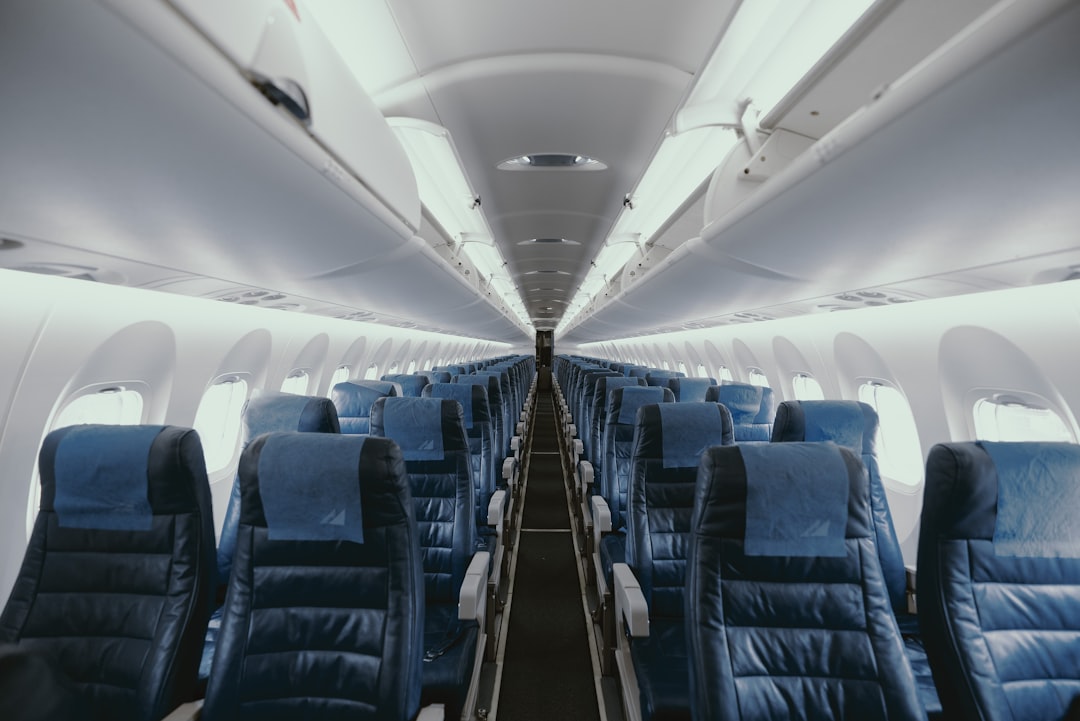
Photo by Mantas Hesthaven on Unsplash
The biggest solo-travel mistakes rarely begin as dramatic mistakes. They begin as tiny inconveniences. A dead phone at baggage claim. A hotel on the wrong side of a dark overpass. A late arrival that pushes you into taking the first random ride offered. An empty street because you saved twenty dollars by staying far from the center. That is why traveling alone safely is less about acting fearless and more about removing small points of stress before they start to stack.
Think about your first day in a city: the stale cabin air is still in your nose, your shoulders are tight from the flight, you are trying to remember whether the local currency is coins or notes, and every sign seems to blur into the next. In that state, decision quality drops fast. The best solo travelers do not rely on mood or confidence. They design low-friction arrivals so that even a tired version of themselves can make good choices.
This is also why the smartest solo travel guide advice has very little to do with acting tough. Confidence helps, of course. But structure helps more. The friend you text. The cash hidden in a second pocket. The train you already know how to take. The dinner spot you bookmarked because it has counter seats and bright lighting. That is what traveling alone safely looks like in real life.
A few principles matter more than everything else:
- Choose convenience over bravado on day one.
- Pay extra for location before you pay extra for style.
- Keep your first 24 hours light, visible, and easy to exit.
- Build backups for money, documents, battery, and transport.
- Treat alcohol, fatigue, and loneliness as risk multipliers.
- Leave any situation that feels off before you can explain why.
Choosing safe solo travel destinations for your first or next trip
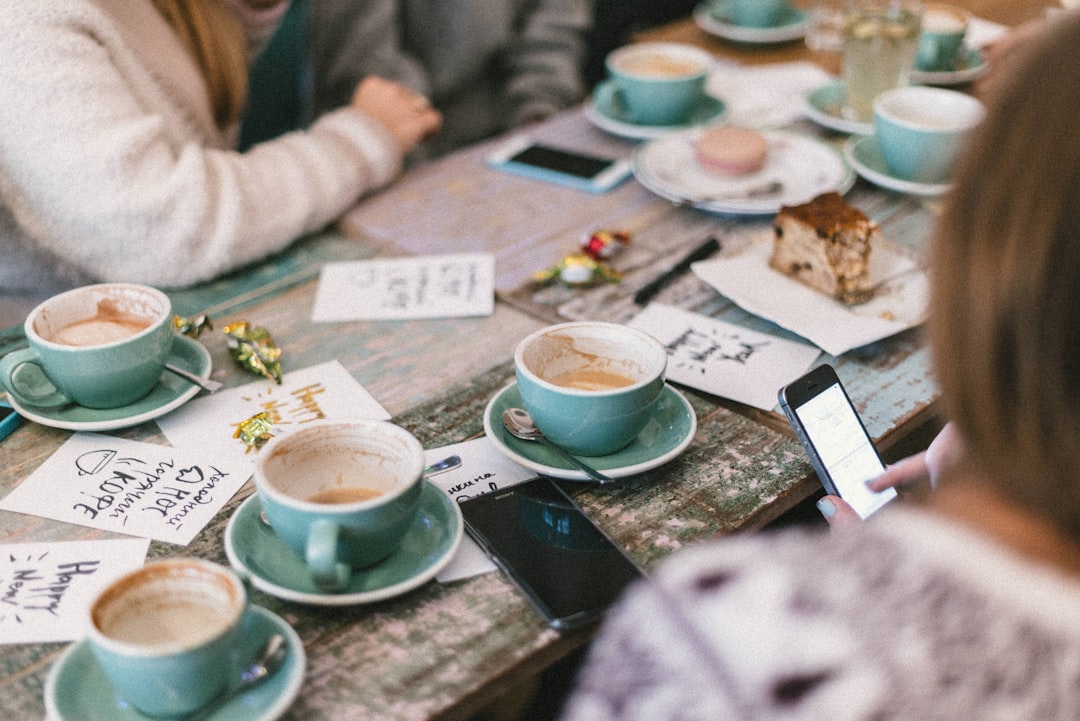
Photo by Irvin Aloise on Unsplash
Not every destination is equally hard, but the difference is often not crime statistics alone. The best safe solo travel destinations share a more useful set of traits: simple airport transfers, dependable public transport, clear signage, a culture where solo dining is normal, lots of daylight-friendly things to do, and neighborhoods where visitors are out walking after dinner. Those details matter more to your daily comfort than abstract rankings.
When I am picking a city for traveling alone safely, I use what I think of as a friction test. Can I arrive before dark? Is there a direct train from the airport? Will I have mobile data immediately? Can I stay in a central area without blowing the budget? Are there cafés, museums, markets, and easy day activities within a short walk? If the answer is yes across the board, the trip already feels lighter.
For a first-time solo traveler, the smartest move is often not to choose the most exciting place on your list. It is to choose the place where logistics disappear into the background and your attention can go to the good stuff: the smell of bread from a side-street bakery, the rhythm of a tram crossing a square, the pleasure of getting slightly lost and still feeling fine.
Starter cities that work especially well for traveling alone safely
| City | Why it works solo | Best months | Typical central budget stay | Watch-outs |
|---|---|---|---|---|
| Tokyo, Japan | Immaculate transport, solo dining culture, excellent signage | Mar-May, Oct-Nov | ¥8,000-14,000 | Last train times, crowded rush hours |
| Copenhagen, Denmark | Compact center, bike lanes, bright public spaces, easy metro | May-Sep | DKK 250-450 dorm, DKK 1,100-1,700 hotel | High food prices |
| Singapore | English widely spoken, ultra-clear transport, late-night food halls | Feb-Apr, Jul-Sep | S$60-120 capsule, S$220-320 hotel | Heat and humidity |
| Vienna, Austria | Reliable trains, elegant central districts, walkable core | Apr-Jun, Sep-Oct | €35-60 dorm, €140-220 hotel | Quiet residential streets late at night |
| Lisbon, Portugal | Friendly street life, trams, lots of group activities | Mar-Jun, Sep-Oct | €30-55 dorm, €140-220 hotel | Pickpockets on tram 28 and steep hills |
These are not the only safe solo travel destinations, but they are useful examples because they make daily decisions easy. Ease is underrated. Ease lowers stress. Lower stress sharpens judgment. Sharp judgment is the foundation of traveling alone safely.
If you want one extra layer of calm, favor destinations where cultural cues are easy to read and where you can quickly brush up on local behavior. A short read through Travel Customs by Country: 8 Etiquette Lessons for 2026 can save you from the kind of awkward moments that make a solo traveler stand out more than necessary.
Your solo travel safety checklist before departure
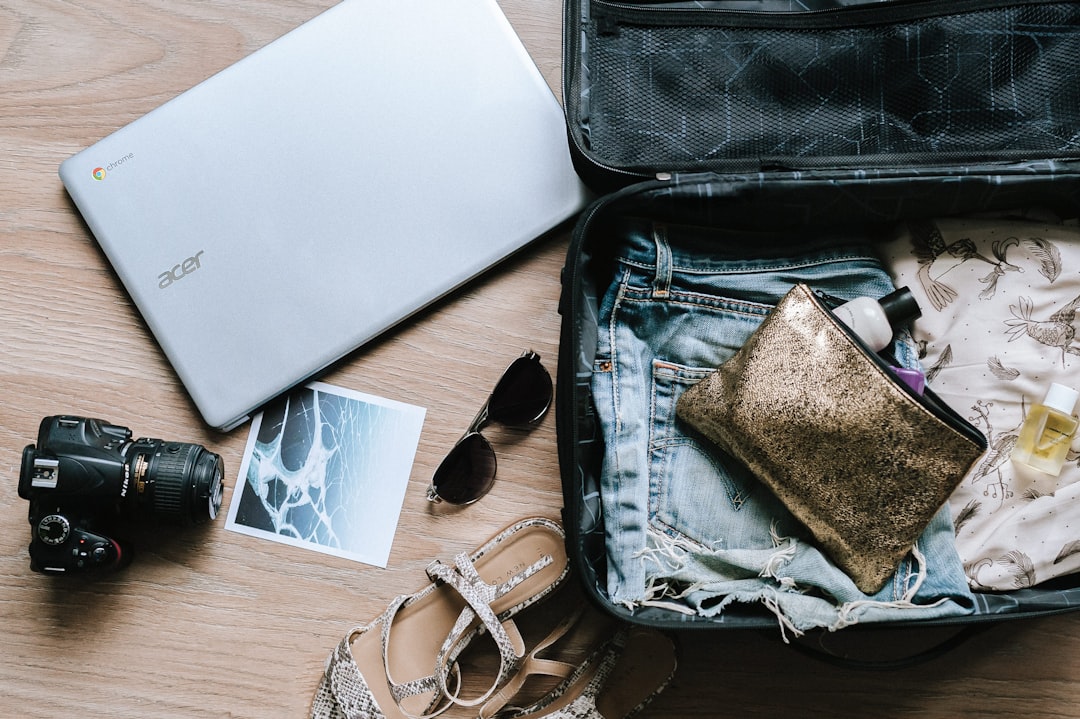
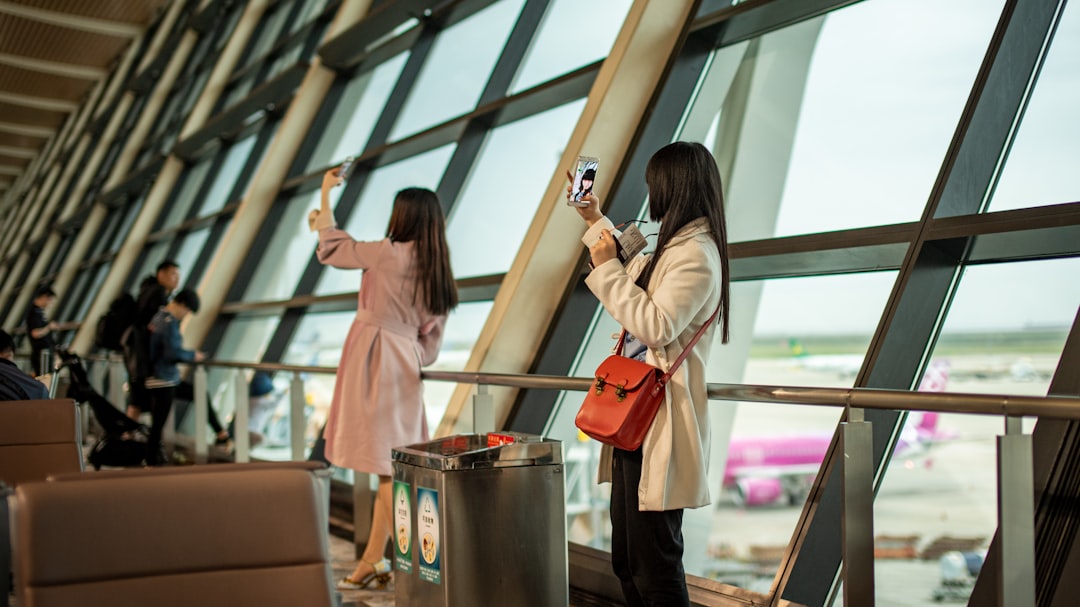
Photo by Anete Lūsiņa on Unsplash
Preparation is boring right up until the moment it saves your trip. The strongest solo travel safety checklist is not long because of drama; it is long because small details matter when there is no companion to absorb the mistake. If your card gets blocked, your phone disappears, or your first train is cancelled, you need your systems to kick in without panic.
This part of the trip should feel unglamorous and exact. Scan documents. Label charging cables. Add your hotel to offline maps. Decide who your check-in person is. Save emergency numbers before you leave home, not while standing on a platform with 4 percent battery. That is what turns a vague solo fantasy into a resilient itinerary.
My own solo travel safety checklist always includes an arrival note with four things: hotel name, full address, nearest station, and the safest late-night way back. I keep that note in email, notes app, screenshots, and one trip card inside TravelDeck, so if one app fails I am still not improvising after midnight.
The pre-departure solo travel safety checklist
- Book your first two nights before you leave, even if the rest of the trip stays flexible.
- Share your flight numbers, accommodation details, and rough route with one trusted person.
- Agree on a check-in rhythm, such as one message every evening or every second morning.
- Carry at least two bank cards on different networks, ideally Visa and Mastercard.
- Split money into three layers: daily wallet, hidden backup cash, emergency card.
- Cloud-save your passport, visa, insurance certificate, prescriptions, and vaccine record.
- Download offline maps for the city and pin your stay, station, hospital, and embassy.
- Install a ride-share app used locally before departure and add a payment method.
- Learn the local words for help, police, hospital, and I am lost.
- Pack a small doorstop or portable lock only if legal and appropriate for your destination.
- Keep a power bank in your personal item, not buried in checked luggage.
- Buy travel insurance that includes medical treatment, evacuation, and theft coverage.
What to keep on your body, in your bag, and in your room
| Layer | What goes there | Why it matters |
|---|---|---|
| On your body | Phone, one card, small cash, room key | The things you need to move through the day |
| In day bag | Power bank, water, second card, medication, earplugs | Coverage for delays and small problems |
| In room safe or hidden pouch | Passport, extra cash, insurance details | Separation reduces total loss |
A practical solo travel safety checklist also includes digital housekeeping. Turn on device tracking. Set a PIN that does not rely on a visible pattern. Use cloud backups. If you plan to work from cafés or airports, travel with a VPN and avoid logging into banking apps on open Wi-Fi. For more on the apps that genuinely make movement easier, Travel Apps Every Traveler Needs in 2026 for Smoother Trips is a useful companion read.
How to get there
The riskiest part of many solo trips is not the destination. It is the transfer between arrival point and bed. You are tired, loaded down, and visibly new. That is why traveling alone safely begins with route design. Direct daytime arrivals beat clever bargains. Official trains beat informal offers. Central stations beat roadside drop-offs. If you can spend a little more to land calmer, do it.
Below are reliable arrival examples in cities that work well for solo travelers. Prices can shift slightly, but these routes are the kind of simple, high-confidence transfers you want to imitate elsewhere.
Airport transfers that are easy for solo travelers
| City | Airport code | Best first transfer | Typical cost | Typical time | Official link |
|---|---|---|---|---|---|
| Tokyo | HND | Tokyo Monorail to Hamamatsucho | about ¥500 | 13 min | https://www.tokyo-monorail.co.jp/english/ |
| Tokyo | NRT | Narita Express to Tokyo Station | about ¥3,070 | 53-60 min | https://www.jreast.co.jp/multi/en/nex/ |
| Singapore | SIN | MRT from Changi Airport to City Hall | about S$2-3 | 35 min | https://www.smrt.com.sg/ |
| Copenhagen | CPH | Metro M2 to Kongens Nytorv | about DKK 30 | 15 min | https://intl.m.dk/ |
| Vienna | VIE | Railjet to Wien Hauptbahnhof | about €4.50 | 15 min | https://www.oebb.at/en/ |
| Lisbon | LIS | Metro Red Line to Alameda or São Sebastião | about €1.80 plus card fee | 20-30 min | https://www.metrolisboa.pt/ |
A few ground rules make these transfers even safer:
- Arrive before dark when possible, especially in a city that is new to you.
- Screenshot the route from airport to accommodation before boarding.
- If you are landing after 22:00, compare the price of an official taxi or app ride with the stress cost of public transport.
- Use only official taxi ranks, marked vehicles, or app-based pickups.
- If the pickup point is confusing, step inside a staffed area to sort it out.
Train, bus, ferry, and drive options that work well for first solo routes
If you are planning a multi-stop trip, simple overland legs often make traveling alone safely easier than short flights. You avoid a second airport, keep your bearings, and stay in city centers.
| Route | Mode | Duration | Typical fare | Why it works well alone |
|---|---|---|---|---|
| London St Pancras to Paris Gare du Nord | Train | 2 hr 20 min | from about £59 | Central-to-central, fast, easy signage |
| Vienna to Budapest Keleti | Train | about 2 hr 30 min | from about €19 | Frequent departures, straightforward stations |
| Copenhagen to Malmö C | Train | 35-40 min | about DKK 135 | Very easy border-crossing route |
| Athens to Naxos | Ferry | 3 hr 25 min fast ferry | from about €35 | Clear port system, popular traveler route |
| Tokyo to Kyoto | Shinkansen | about 2 hr 10 min | about ¥13,320 | Precise timing, safe and simple station flow |
For road trips, keep day-one driving modest. A two-hour drive from a major airport is manageable. A five-hour rural drive on the wrong side of the road after a red-eye is how easy choices become bad ones.
Arrival-day habits for traveling alone safely
The first six hours shape the emotional tone of a solo trip. If the arrival is smooth, you settle into yourself fast. If it is frantic, the whole city can feel harsher than it really is. For traveling alone safely, your first day should be less ambitious than your imagination wants it to be.
I like arrivals that smell like coffee and clean soap, not adrenaline. Drop the bag. Open the curtains. Shower. Fill a water bottle. Walk one short loop in daylight. Learn the route back without using your phone every ten seconds. Buy one practical item, even if it is only fruit or sunscreen, because doing something ordinary makes a place start to feel usable rather than overwhelming.
This is also the moment to resist the lonely traveler trap: saying yes to anything because you want instant connection. On day one, clarity beats chemistry. A new friend may become a real friend tomorrow. Tonight, your job is to know how to get home.
The safest day-one routine
- Check the room lock, fire exit, and neighborhood street lighting before unpacking.
- Find one grocery store, one pharmacy, and one ATM inside a bank branch if possible.
- Walk your route to the nearest station during daylight.
- Eat somewhere bright, busy, and low-pressure, preferably with counter seating.
- Limit drinking on the first night, especially if you are tired or dehydrated.
- Charge every device before leaving again in the evening.
- Set a simple return deadline, such as back by 21:30 on the first night.
- Share a quick check-in with your person at home once you are settled.
These habits sound small, but they are the daily grammar of traveling alone safely. They keep you from needing heroics later.
Things to do
Because this is a general solo travel guide rather than a single-city itinerary, the smartest first activities are the ones that help you orient yourself, stay visible, and create low-pressure contact with other people. The sweet spot is daytime, structured, and easy to leave if your energy dips.
The best solo experiences often begin with ordinary city sounds: tram bells, cutlery on ceramic plates, footsteps on wet pavement after a short rain. You do not need to fill every hour. You need a few well-chosen anchors. Below are activities that work especially well when your goal is traveling alone safely while still having a rich trip.
1. Join a morning walking tour in the historic center
Pick a highly rated group walk that starts around 10:00 or 11:00 in a central square. It gives you orientation, faces to recognize later, and a guide who will usually point out areas to avoid after dark. In Lisbon, many tours meet around Praça do Comércio. In Vienna, look for departures near Albertinaplatz. Tip-based tours usually cost €10-20 in practice.
2. Eat lunch in a central food hall or market
Food halls are ideal for traveling alone safely because you can arrive, scan the room, choose your level of interaction, and leave easily. Good examples include Torvehallerne, Frederiksborggade 21 in Copenhagen, where smørrebrød runs around DKK 90-140, and Maxwell Food Centre on Maxwell Road in Singapore, where chicken rice, laksa, or satay often lands between S$5 and S$10.
3. Choose one viewpoint that closes before late evening
A viewpoint gives you city geography fast. In Tokyo, the Tokyo Metropolitan Government Building in Shinjuku offers a free observation deck and a clean, easy solo experience. In Lisbon, Miradouro de São Pedro de Alcântara is best before the late-night drinking crowd thickens.
4. Spend your first museum afternoon somewhere central
Museums are perfect for solo travelers because they let you control your pace. In Vienna, the Kunsthistorisches Museum at Maria-Theresien-Platz is both grand and calm. In Singapore, the National Gallery on St Andrew's Road gives you air-conditioning, good facilities, and a central location.
5. Book a cooking class or food tour instead of a pub crawl
If you are wondering how to meet people while traveling alone, this is one of the best answers. You get structured time, a host, and conversation that does not depend on alcohol. In Tokyo, small-group sushi or ramen classes often start around ¥8,000-12,000. In Lisbon, market-and-cook experiences commonly run €55-90.
6. Take a short harbor or river ride in daylight
Water routes help you understand a city without navigating every block yourself. In Copenhagen, canal tours from Nyhavn typically cost around DKK 169. In Singapore, a river cruise from Clarke Quay is around S$28. Daylight departures are the sweet spot for comfort and visibility.
7. Use a park or botanical garden as your reset button
Every solo trip needs one place that asks nothing from you. Ueno Park in Tokyo, Jardim da Estrela in Lisbon, and the Singapore Botanic Gardens all work beautifully for a slow hour with no decisions required.
8. End with an early dinner in a place built for solo diners
Look for counters, communal tables, or hawker stalls. In Tokyo, Ichiran and many ramen shops normalize eating alone. In Singapore, hawker centers make solo dining invisible in the best way. In Copenhagen, food halls and wine bars with bar seating take the edge off that first-night awkwardness.
Where to stay
Where you sleep can either shrink your stress or multiply it. The safest bed on paper is not always the safest bed in reality. For traveling alone safely, a small room in the right neighborhood usually beats a larger room in the wrong one. Street lighting, late-night transit, staffed reception, and recent solo-traveler reviews matter more than decorative charm.
It is also worth saying out loud that hostels are not automatically less safe than cheap hotels. In many cities, a well-run hostel with a staffed desk, lockers, key-card access, and a social common area is safer for a solo traveler than a no-name budget hotel on an empty block. This is especially true if you want some company without needing to go hunting for it.
Budget
- The Millennials Shibuya, Tokyo — Capsule-style rooms, central location, easy train access, and a strong solo-traveler flow. Expect roughly ¥8,000-14,000 per night.
- Generator Copenhagen — Big common spaces, central enough to walk, good public transport links. Dorms often run DKK 250-450; private rooms higher.
- City Backpackers Hostel, Stockholm — A classic solo base with lockers, communal areas, and a very central setting. Dorm beds are often €35-55 equivalent depending on season.
Mid-range
- citizenM Copenhagen Radhuspladsen — Smart, central, secure, and very easy when you arrive tired. Expect roughly €150-230.
- Hotel Mundial, Lisbon — Strong location near Baixa and Martim Moniz, easy for trams and walking. Usually about €170-260 depending on season.
- Moxy Singapore Clarke Quay — Good access to the river and MRT, lively but manageable area. Often S$220-320.
Luxury
- The Okura Tokyo — Impeccable service, calm design, and excellent transport access. Usually ¥75,000-120,000.
- Park Hyatt Vienna — Quiet luxury in the center with a very secure feel. Often €450-750.
- The Fullerton Hotel Singapore — Landmark location, polished service, and easy taxi access. Expect roughly S$420-650.
What to look for before booking
- Recent reviews from solo guests, not only couples or families
- 24-hour reception or clear after-hours check-in procedures
- Key-card access and lockers or in-room safes
- A walking route from transit that feels fine after dinner
- Enough nearby cafés or shops that the area never feels abandoned
A strong hotel choice is one of the most effective forms of traveling alone safely because it solves problems before they happen.
Where to eat
Eating alone is often the emotional hurdle that keeps people from embracing solo travel fully. It should not. Some of the best meals on earth are easier alone because you notice more: garlic hitting hot oil, broth steam rising into cold night air, the clatter behind a market stall, the way locals order without pausing. The trick is choosing places designed for fast turnover, counter seating, or market-style grazing.
For traveling alone safely, food strategy matters. Bright rooms beat dim basements on your first nights. Short menus beat decision fatigue. Busy lunch beats isolated late dinner. And if you are not sure where to start, markets and food halls are your best friend.
Solo-friendly places to eat well
- Ichiran Shibuya, Tokyo — Famous solo ramen booths make eating alone completely normal. A bowl usually lands around ¥1,200-1,800.
- Uobei Shibuya Dogenzaka, Tokyo — Fast sushi by conveyor, low-pressure and efficient. Plates add up quickly, but a solid meal can still be around ¥1,500-2,500.
- Time Out Market Lisboa, Mercado da Ribeira, Lisbon — Easy for solo diners who want options. Expect petiscos around €5-12 and fuller plates around €15-25.
- Cervejaria Ramiro, Lisbon — A classic for seafood if you are happy with a lively room and a bit of a splurge. Think garlic shrimp, scarlet prawns, and prego bread; expect €35-70 depending on appetite.
- Torvehallerne, Copenhagen — Stylish but practical. Smørrebrød, porridge, pastries, and coffee all in one place. Budget around DKK 90-160 for a meal and drink.
- Maxwell Food Centre, Singapore — Chicken rice, congee, sugarcane juice, fresh fruit. Most dishes cost S$4-10.
- Lau Pa Sat, Singapore — Especially good in the evening for satay and hawker classics, though it is more crowded than Maxwell. A satisfying dinner can be S$10-18.
- Naschmarkt area, Vienna — Good for daytime wandering, casual bites, and people-watching. It is less about one stall than the ease of browsing alone.
Best dishes to choose when you are solo and tired
- Ramen, noodle soups, and congee because they are quick, hot, and hydrating
- Rice bowls and hawker plates because they are cheap and easy to order
- Market platters because you can sample without committing to a long meal
- Set lunches because they reduce decision fatigue and often cost less than dinner
If you are serious about traveling alone safely, avoid the urge to celebrate freedom by skipping meals or pushing too hard on alcohol. Low blood sugar and dehydration make strangers sound more convincing and streets feel more confusing than they are.
Solo female travel tips that make a real difference
Most core safety advice applies to everyone, but honest solo female travel tips still matter because women often deal with a different texture of risk: unwanted conversation that turns sticky, pressure to share plans, street harassment that begins as humor, or the simple exhaustion of being watched more closely. The goal is not to travel timidly. It is to make choices that preserve energy and control.
Good solo female travel tips are usually quiet tactics rather than dramatic gadgets. Choose arrivals in daylight. Book female dorms when they help you sleep better. Sit near other women or families on longer transport. Avoid giving strangers the full details of where you are staying. If you are using dating apps, keep first meetings in busy places, tell someone where you are going, and never let a new match become your airport transfer plan.
Clothing matters too, not because you owe anyone conformity, but because blending in can lower friction. In conservative places, covering shoulders, knees, or cleavage may not reflect your normal wardrobe, but it can immediately change the kind of attention you receive. The most useful solo female travel tips are often the least glamorous: shoes you can walk fast in, jackets with zipped pockets, hair tied up on transit, and saying no early rather than nicely.
Solo female travel tips to use every day
- Book the first two nights in a highly reviewed central stay, even if it costs more.
- Request upper floors when possible, but not so high that exits feel inconvenient.
- Do not share your hotel name with someone you met ten minutes ago.
- Use female-only dorms if they help you rest and lower your mental load.
- Carry a loud personal alarm if it is legal where you are traveling.
- Keep headphones low or off at night so you stay aware of footsteps and traffic.
- Sit near the aisle and near other passengers on night buses or trains.
- Leave at the first strange comment that tests your boundaries.
These solo female travel tips also help many other travelers because they are really about reducing exposure and protecting decision-making. The less you have to negotiate with strangers, the more your trip stays yours.
How to meet people while traveling alone without lowering your guard
Loneliness is real on solo trips, especially around dinner, after a long transit day, or when everyone else in the hostel seems to have arrived in a ready-made group. The answer is not to force instant intimacy. The answer is to put yourself where conversation can happen naturally and where leaving is easy. If you are asking how to meet people while traveling alone, the safest answer is almost always structure.
The easiest places to connect are activities with a start time and a shared purpose: walking tours, cooking classes, hostel dinners, language exchanges, coworking day passes, photography walks, day hikes with reputable operators. These give you a built-in topic and a natural endpoint. That is very different from accepting a vague invitation from someone who keeps changing the plan.
I think of how to meet people while traveling alone as a ladder. First rung: brief chats with baristas, guides, market vendors. Second rung: small group activities. Third rung: dinner or drinks with people you have already met in one of those safer settings. Skip the ladder and you may end up trusting too much, too fast.
Low-risk ways to be social on a solo trip
- Join one organized activity within your first 24 hours.
- Choose hostels or hotels with common areas, not just beds.
- Sit at communal tables in food halls or on walking tours where interaction happens naturally.
- Say yes to coffee, lunch, or a museum visit before you say yes to a late bar crawl.
- If you are going out at night with new people, keep your own route home and enough battery to use it.
- Leave group chats and situations that start to feel chaotic or pushy.
When people ask how to meet people while traveling alone, what they usually mean is how to do it without feeling naive. The trick is simple: prefer hosts over free-floating strangers, public venues over private spaces, and plans with an end time over open-ended wandering.
Common mistakes that make solo travel feel less safe than it is
Solo travel can feel riskier than it really is because certain mistakes amplify everything. The street gets darker. The stranger seems friendlier. The map looks more confusing. Most of the time, the issue is not the city. It is the condition you are in while moving through it.
These are the errors I see again and again, even among experienced travelers who know better. Avoid them, and traveling alone safely becomes much easier.
- Booking the cheapest stay instead of the best-located stay
- Arriving after midnight to save on airfare
- Posting real-time location updates that announce you are alone
- Drinking heavily with people you met that day
- Keeping every card and every note of cash in one wallet
- Wearing noise-cancelling headphones while walking unfamiliar streets at night
- Ignoring your gut because you do not want to seem rude
- Turning one awkward moment into a whole lost evening instead of just leaving
- Relying on airport Wi-Fi instead of having eSIM or roaming ready
- Taking night transport you have not researched at all
The strongest solo travel guide advice is often permission: permission to leave, to spend more for ease, to go home early, to eat alone, to say no, and to make a plan that looks boring from the outside but feels excellent from within.
Practical tips
A good practical section should make the trip feel touchable. You should be able to picture the jacket in your bag, the card in your sock drawer backup, the route from baggage claim to train platform, the exact moment you turn left toward your hotel instead of stopping under a streetlight to inspect your phone. That is what turns theory into traveling alone safely.
For most travelers, the best first solo trips happen in shoulder season. Cities feel alive but not overloaded. Hotel prices soften. You have more daylight, fewer tempers, and less of that frazzled high-season energy where small mistakes snowball. The exact weather matters less than the feeling of space.
Best months for common solo-trip regions
| Region or city type | Best months | Why it helps solo travelers |
|---|---|---|
| Southern Europe city breaks | Apr-Jun, Sep-Oct | Long daylight, manageable heat, better prices |
| Northern Europe capitals | May-Sep | Pleasant walking weather, lively public spaces |
| Japan city trips | Mar-May, Oct-Nov | Comfortable temperatures and easy sightseeing |
| Southeast Asia city breaks | Feb-Apr, Jul-Sep | Often drier windows and easier day planning |
| Central Europe rail trips | Apr-Jun, Sep-Oct | Good weather for station-to-hotel walks |
What to pack for traveling alone safely
- Crossbody bag with zipped compartments
- Lightweight rain layer that fits over a day bag
- Two charging cables and one power bank of at least 10,000 mAh
- Small first-aid kit with pain relief, blister care, rehydration salts, and stomach medication
- One photocopy of passport stored separately from the original
- Shoes you can comfortably walk 10,000 to 15,000 steps in
- Compact flashlight or phone backup light
- Refillable water bottle
- One non-flashy outfit that helps you blend in for evenings or religious sites
Connectivity, money, and emergency basics
- Get data fast through an airport eSIM kiosk, local SIM, or pre-purchased eSIM.
- Save your accommodation address in the local script when relevant.
- Use bank ATMs inside branches or major transport hubs instead of isolated machines.
- Keep local emergency numbers saved before you land.
- Check official travel advice before departure through portals such as https://travel.state.gov/, https://www.gov.uk/foreign-travel-advice, or https://reopen.europa.eu/.
Customs that help you stay low-friction
- Lower your voice on public transport if locals do.
- Do not assume tips work the same way everywhere.
- Dress more conservatively in religious areas than you think you need to.
- Learn whether ride-share, taxis, or public transit are the local norm after dark.
- Avoid announcing that it is your first day in town to random strangers.
A sharp practical routine is what makes a solo travel safety checklist useful instead of decorative. The checklist is the plan. Your habits are the execution.
FAQ
Is solo travel actually safe in 2026?
Yes, in most destinations it is much safer than people imagine, especially when you prepare well. The biggest risks are usually petty theft, bad transport decisions, heavy drinking, scams, and fatigue-based mistakes rather than dramatic crime. Traveling alone safely is mostly about preparation, location choices, and staying aware.
What is the safest first destination for a solo trip?
Among the most dependable safe solo travel destinations for first-timers are Tokyo, Singapore, Copenhagen, Vienna, and Lisbon. They combine strong transport, easy navigation, and enough tourist infrastructure that you do not feel isolated. The right answer depends on your budget, season, and flight length.
How do I avoid feeling lonely when traveling alone?
Use structure. If you are wondering how to meet people while traveling alone, start with walking tours, cooking classes, food tours, coworking day passes, and social accommodations with common areas. Avoid making late-night plans with strangers your first social strategy.
Are hostels or hotels safer for solo travelers?
Either can work. For many travelers, a well-reviewed central hostel with lockers, staff, and a social atmosphere is safer than a cheap hotel in an empty area. Hotels are often better if sleep, privacy, or recovery matter most. The safest choice is usually the place with the best location, clearest reviews, and easiest way home after dark.
What are the most important solo female travel tips?
The most useful solo female travel tips are simple: arrive in daylight, stay central, protect your accommodation details, use female dorms when helpful, keep first meetings public, and leave early when something feels off. You do not need to justify your boundaries for them to be correct.
How much emergency cash should I carry?
Enough to get yourself back to your room, buy food and water, and cover a local transfer if cards fail. In many urban destinations, the equivalent of US$50-100 split in two places is sensible. Keep it separate from your main wallet.
Traveling alone can make the world feel bigger, but it also makes your instincts sharper. You notice the station announcements, the mood of a street, the kindness of a baker who points you the right way, the relief of seeing your hotel sign after a long day. That sensitivity is not weakness. It is one of the great rewards of going solo. Build good systems, trust yourself sooner, and traveling alone safely stops feeling like a defensive exercise. It starts to feel like freedom with a backbone.