The biggest Maldives mistake is not choosing the wrong island. It is choosing too few days. After a long-haul flight, airport transfer and boat timing, a short break can disappear before you ever settle into the rhythm of the water. For most first-timers, 7 days in the Maldives is the real sweet spot: long enough for a classic lagoon-and-sandbank experience, short enough to keep transfers simple and the budget under control.
This itinerary is built for travelers who want the Maldives to feel dreamy but also doable. It combines one easy arrival night in Hulhumalé with four nights in South Ari Atoll split between Dhigurah and Omadhoo, then a final return through Malé. You get the postcard beaches, the chance of whale sharks, house-reef snorkeling, local-island life and one calm buffer before your international flight.
If you like seeing transfers, activity timing and costs laid out in a way you can actually rebuild later, this is exactly the kind of route people often organize inside TravelDeck. And if you are comparing tropical island trips, the pace here is slower and more water-focused than the route in 10 Day Philippines Itinerary 2026: Cebu, Siquijor, Bohol.
Day 1: Hulhumalé soft landing by the sea
Photo by w sh on Unsplash
The Maldives rarely begins with an empty hammock and a fruit platter. It begins with immigration lines, warm air at the airport doors and the first decision that shapes the whole trip: rush onward, or slow down immediately. Unless you land very early and already have a confirmed same-day boat, the smartest move is to sleep close to Velana International Airport and start your island time fresh.
Hulhumalé is practical, yes, but it is not just a transit stop. The beachfront has a long, open horizon, the sea turns pale turquoise in the late afternoon, and the whole place feels like a decompression chamber between flight mode and island mode. One unhurried evening here makes the rest of the week smoother.
Morning
- 10:00-11:00 Arrive at Velana International Airport, Hulhulé Island, Malé Atoll.
- 11:15 Take a taxi across Sinamalé Bridge to Hulhumalé Phase 1, around 15-20 minutes, about US$8-12 per car.
- 11:45 Check in near Nirolhu Magu or the Hulhumalé Beachfront. Expect around US$70-140 per room for a clean mid-range guesthouse or hotel.
Afternoon
- 13:00 Lunch along Hulhumalé Beach Road. A plate of grilled fish, rice and salad usually costs US$8-15.
- 14:30 Walk Hulhumalé Central Park and the eastern beachfront. Both are free and easy on a jet-lagged body.
- 16:00 Optional swim from the public beach area in Hulhumalé. Modest swimwear rules apply outside designated tourist areas.
Evening
- 18:00 Watch sunset from Hulhumalé Beachfront. Free.
- 19:30 Dinner on the seafront, around US$12-25 depending on seafood and drinks.
- 21:00 Early night. Tomorrow starts with a transfer, and the Maldives rewards people who do not overschedule day one.
- Insider tip: if your flight lands after 15:00, do not force a same-day island transfer. One night in Hulhumalé is usually cheaper than a missed boat and far less stressful.
Day 2: Dhigurah and your first real lagoon day
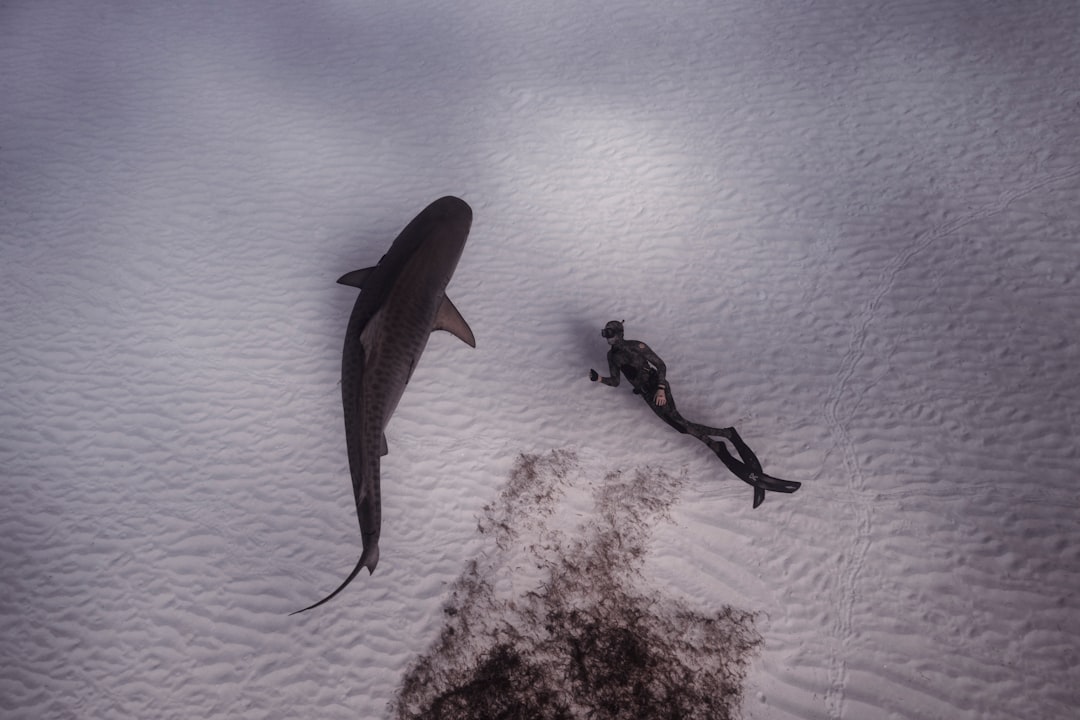
Photo by Michael Worden on Unsplash
The shift from airport edges to outer-island calm is what makes the Maldives feel suddenly worth the journey. Dhigurah, in South Ari Atoll, is one of the best first-timer islands because it gives you both beauty and structure: a long inhabited island, excellent beach, easy excursions and a classic local-island price level rather than private-resort pricing.
As the speedboat cuts away from Malé, the water brightens in layers. By the time you reach Dhigurah Harbor, the pace has changed completely. Flip-flops replace airport shoes, the streets narrow to sand and coral walls, and the island's immense beach begins to pull you southward.
Morning
- 07:00 Taxi from Hulhumalé to the airport or jetty area, US$8-12 per car.
- 07:30-08:00 Shared speedboat from Malé area to Dhigurah Harbor, South Ari Atoll. Travel time is usually about 2 hours. Budget US$55-70 per person.
- 10:00 Check in near Dhigurah Bikini Beach or along the central island road. Good guesthouses usually cost US$70-180 per room.
Afternoon
- 12:30 Lunch at your guesthouse or a small café near Dhigurah Main Road, about US$10-18.
- 15:00 Walk from the village toward Dhigurah Long Beach, the island's famous southern sand stretch. Free.
- 16:00 Swim and relax at Dhigurah Bikini Beach and continue to the long sandspit if the tide is favorable. Free.
Evening
- 18:15 Sunset from the southern end of Long Beach. Free.
- 19:30 Seafood dinner near the harbor or beach side, usually US$12-25.
- 20:30 Book tomorrow's whale shark excursion with a licensed local operator if you have not prearranged it.
- Insider tip: ask your guesthouse which side of Dhigurah has the calmest water that day. Wind direction changes the feel of the beach more than most first-timers expect.
Day 3: Whale shark waters and a sandbank afternoon
This is the day many travelers secretly build the whole trip around. South Ari Atoll is one of the best-known parts of the Maldives for whale shark encounters, and Dhigurah is one of the easiest bases for reaching those waters. Nothing is guaranteed in the ocean, which is exactly why the experience feels thrilling rather than staged.
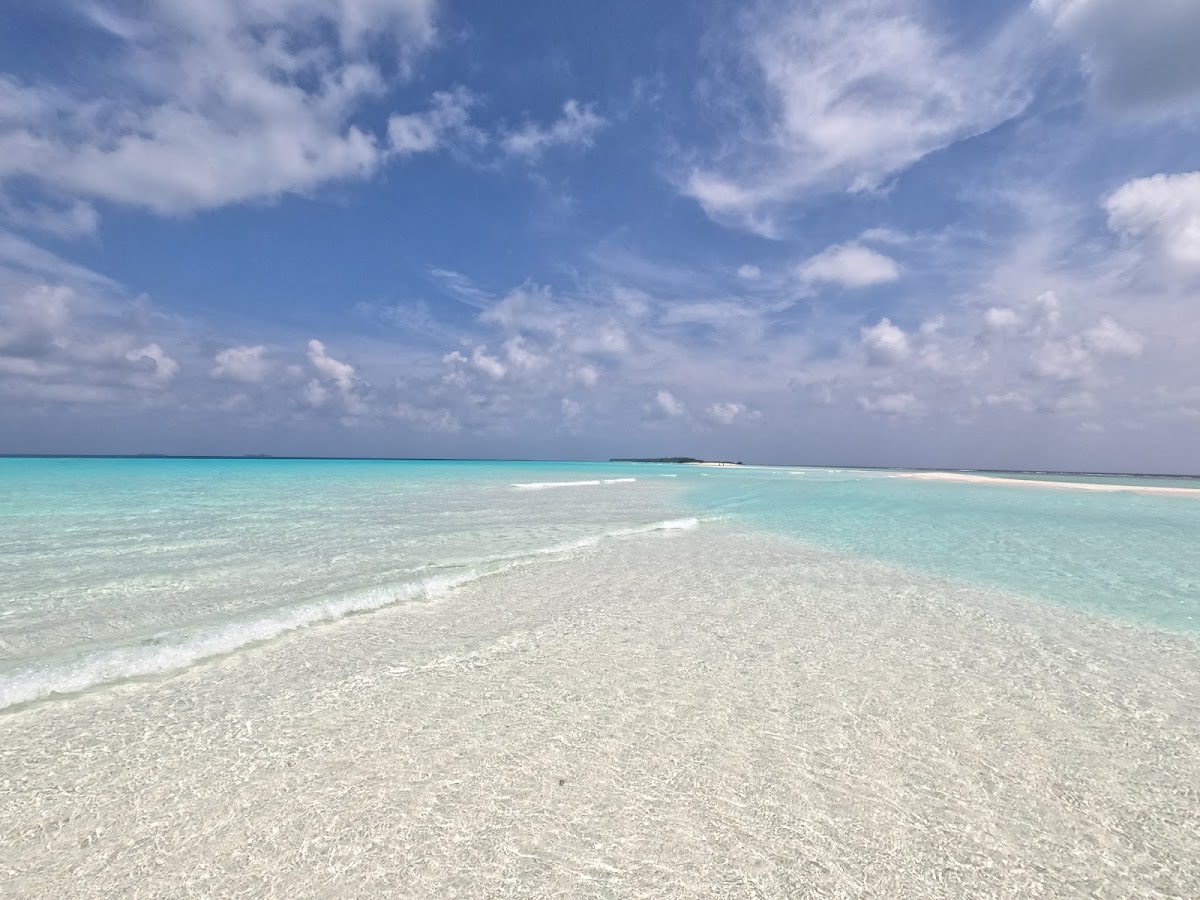
The best trips do not rush from sighting to sighting. They move with the sea: scanning dark shapes beyond the reef line, drifting over luminous coral patches, then pausing on a sandbank so white it looks edited. Even when the whale sharks stay deep, the day still feels unmistakably Maldivian.
Morning
- 08:00 Depart Dhigurah Harbor on a shared whale shark safari to the South Ari Marine Protected Area, usually toward the Maamigili side of the atoll.
- 08:00-12:30 Excursion with mask, fins, guide and light refreshments often included. Typical price: US$90-140 per person.
- 11:00-12:00 Snorkel stop if marine conditions allow. Follow guide instructions carefully and keep legal distance from wildlife.
Afternoon
- 13:00 Many operators include lunch on board or a simple beach stop. If not, expect US$10-15 back on Dhigurah.
- 14:30 Second reef or sandbank stop, often near a shallow coral garden in South Ari Atoll. Included on some trips, or add roughly US$20-40 for a longer outing.
- 16:30 Return to Dhigurah for a shower and a slow hour in the shade.
Evening
- 18:30 Short walk back to Long Beach for softer light and fewer people. Free.
- 19:30 Dinner, around US$15-30 depending on seafood.
- 21:00 Stargazing on the beach. Free and better than almost any resort photo deck.
- Insider tip: wear a long-sleeve rash guard instead of relying only on sunscreen. You will spend more hours in reflected sun than you realize.
Day 4: Dhigurah at island pace
After an excursion day, the Maldives makes more sense when you stop chasing highlights. Dhigurah is long enough to reward wandering. The village is low-rise and quiet, palms lean over sandy lanes, and the island's shape creates different moods from harbor side to beach side. This is the day to enjoy how daily life and extraordinary water exist side by side.
A lot of Maldives itineraries fail by treating every day like a boat trip. Better to build in one slower day. It lets the expensive excursion breathe, keeps the week from feeling rushed and gives you time to appreciate the exact shade of the lagoon rather than just photographing it.
Morning
- 07:00 Sunrise walk from central Dhigurah to the southern tip of Long Beach. Free.
- 09:00 Rent a or stand-up paddleboard from Dhigurah Bikini Beach, about US$10-20 per hour.
- 10:30 Coffee or fresh juice back near the island's main road, around US$4-8.
Afternoon
- 13:00 Lunch, about US$10-18.
- 15:00 Snorkel from Dhigurah Bikini Beach or join a guided house-reef swim. With your own gear it is free; rental is usually US$8-15.
- 16:30 Optional introductory dive with a local dive center if you want one big splurge, roughly US$85-120.
Evening
- 18:00 Walk through Dhigurah village toward the mosque area and Dhigurah Harbor to see the island beyond the beach. Free.
- 19:30 Dinner, US$12-25.
- 20:30 Pack lightly for tomorrow's island transfer and keep swimwear accessible.
- Insider tip: low tide often makes the southern beach walk easier and more dramatic, so ask locally what time the tide turns before you head out.
Day 5: Transfer day to Omadhoo for a quieter South Ari mood
There is no point pretending transfer days are glamorous. They are the logistical backbone of a good Maldives trip. The trick is to make only one meaningful move, keep it inside the same atoll and let the second island add a different atmosphere rather than another checklist.
Omadhoo is smaller and quieter than Dhigurah. The water is still clear, the reef is still the point, but the feeling changes: fewer long beach walks, more stillness, more local rhythm, more time to hear the wind in the palms. It is a strong second act for travelers who want the Maldives to exhale rather than keep performing.
Morning
- 07:30-08:00 Depart Dhigurah Harbor for Omadhoo via Mahibadhoo Jetty or a shared arranged transfer, depending on the day.
- Travel time is usually 1.5-3.5 hours total. Budget roughly US$5-35 per person depending on whether you use public ferry or speedboat combinations.
- 11:30 Arrive at Omadhoo Harbor and walk or ride to your guesthouse. Rooms usually run US$60-170 depending on comfort level.
Afternoon
- 13:00 Lunch near your guesthouse, about US$8-15.
- 15:00 Head to Omadhoo Bikini Beach for a first swim and reef look. Free.
- 16:30 Rest in the shade or take a short island walk through the village lanes. Free.
Evening
- 18:15 Sunset at the beach edge west of the village. Free.
- 19:30 Dinner, usually US$10-22.
- 20:30 Confirm tomorrow's snorkeling or fishing plan with your host.
- Insider tip: keep some cash in small notes for local islands. Card acceptance is improving, but it is still patchier on Omadhoo than in Malé or Hulhumalé.
Day 6: House reef, sandbank and a fishing sunset
By day six, you will understand why the Maldives needs time. The trip stops being about arrival and starts becoming a pattern: swim, dry off, walk slowly, eat tuna one more time, watch light shift across the shallows. Omadhoo is ideal for that final full day because it keeps the sea central without demanding much effort.
This is also a good day to choose your own balance. Strong swimmers can spend more time on the reef. People who came for pure calm can keep the schedule light and still feel they got the classic experience. In the Maldives, gentle days are not empty days.
Morning
- 08:00 Snorkel the Omadhoo House Reef from the bikini beach access point at higher tide. Free with your own gear.
- 09:30 If you prefer guidance, book a short reef outing from Omadhoo Harbor for around US$10-15 extra.
- 11:00 Return for breakfast or an early lunch, around US$8-12.
Afternoon
- 14:00 Join a shared sandbank outing from Omadhoo Harbor to a nearby uninhabited sand patch in South Ari Atoll. Typical cost: US$25-40.
- 15:00 Swim, photograph the lagoon and stay shaded when the sun is highest.
- 16:30 Return to Omadhoo and rest before the evening boat.
Evening
- 17:30 Sunset handline fishing trip by dhoni from Omadhoo Harbor, usually US$25-45.
- 19:30 Some guesthouses will grill part of the catch for dinner; otherwise expect a standard dinner around US$10-20.
- 21:00 Final barefoot walk on the beach.
- Insider tip: reef shoes are genuinely useful on local islands. Coral rubble at entry points can make an otherwise easy snorkel annoying.
Day 7: Back to Malé and one last urban chapter
The final day should not be squeezed to the second. Maldives weather shifts, sea conditions change and transport can run late. Build generous margins and use your last hours to see a different face of the country: compact, busy, salty, practical Malé. It makes the atolls feel even more surreal in retrospect.
Malé is not the reason most people come here, but it gives context. Markets, mosques, fishing boats and dense streets remind you that the Maldives is not only villas over water and drone shots of sandbanks. It is also a lived-in island nation with a strong everyday texture.
Morning
- 07:00 Shared speedboat from Omadhoo to Malé area, usually 1.5-2 hours, around US$25-40 per person.
- 09:30 Store bags at your airport hotel, day room or with a trusted luggage service.
- 10:30 Walk the seafront around Boduthakurufaanu Magu in Malé. Free.
Afternoon
- 12:00 Visit Malé Fish Market and the Local Market near Boduthakurufaanu Magu. Free to enter; snacks and fruit from US$2-8.
- 13:30 Walk to Sultan Park and see the exterior of the National Museum area and Old Friday Mosque district. Sultan Park entry is minimal or free depending on access.
- 15:30 Late lunch or coffee before returning to the airport, around US$8-18.
Evening
- 17:00 Taxi or ferry back toward Velana International Airport depending on your luggage setup, about US$2-10.
- Arrive at the airport at least 3 hours before an international departure.
- Leave your last buffer in the schedule. The Maldives is a terrible place to miss a flight because you wanted one more coffee.
- Insider tip: keep at least a 3-4 hour cushion between your final boat arrival and your flight, especially in windier months.
Best time for a Maldives itinerary
For this exact 7-day Maldives itinerary, January to April is the easiest window. Seas are usually calmer, skies are brighter and boat transfers are less likely to feel rough. It is also peak season, so you trade the prettiest weather for higher room rates.
May to November can still work very well if you are budget-conscious and realistic. You may get passing rain or choppier crossings, but prices often soften and underwater life can be excellent. If you are timing winter sun with other options, Where to Go in February 2026: Pick by Weather and Budget is useful for comparing how the Maldives stacks up against other warm escapes.
| Period | Weather feel | Sea conditions | Best for | Budget level |
|---|---|---|---|---|
| January to April | Drier, sunnier, hottest demand | Usually calmest | First-timers, beach days, easy transfers | High |
| May to June | Mixed sun and short showers | Variable | Better rates, fewer crowds | Medium |
| July to September | Wetter, humid, occasional rough days | Can be choppy | Divers, value travelers | Lower |
| October to November | Transition season | Improving but changeable | Shoulder-season deals | Medium |
Estimated Maldives trip budget per person
The real budget question is not whether the Maldives is expensive. It is what version of the Maldives you want. This route is built around local islands, which keeps the trip dramatically more affordable than a full private-resort stay while still delivering the water, beaches and marine life people dream about.
The figures below assume one person sharing a double room, excluding international flights. Add more if you want private transfers, diving every day or a resort day pass.
| Tier | Stay style | Food and local transport | Activities | Estimated 7-day total |
|---|---|---|---|---|
| Budget | Simple guesthouses in Hulhumalé, Dhigurah and Omadhoo | US$35-50 a day | 1 big excursion | US$850-1,150 |
| Mid-range | Nicer guesthouses or boutique stays | US$50-80 a day | 2-3 excursions | US$1,250-1,950 |
| Splurge | Top local-island rooms plus private boats or one resort add-on | US$90-150 a day | Multiple premium tours | US$2,400-4,000+ |
Where to stay in the Maldives: Hulhumalé, Dhigurah and Omadhoo
For this itinerary, area matters more than chasing one famous property. You want one practical airport-area night, one island known for its beach and excursions, and one quieter island that lets the final days slow down.
These are the three most useful bases for this route, with typical prices and examples that fit the pace of the trip.
| Area | Best for | Typical room range | Examples |
|---|---|---|---|
| Hulhumalé Phase 1 | Arrival night close to MLE, easy taxi access, beach walk | US$70-180 | H78, Hotel Ocean Grand, Paralian Hulhumalé |
| Dhigurah, South Ari Atoll | Long beach, whale shark trips, first-timer classic Maldives feel | US$70-250 | TME Retreats, Athiri Beach, Boutique Beach |
| Omadhoo, South Ari Atoll | Quieter local-island stay, reef time, slower final days | US$60-220 | Nemo Inn, Green Leaf, Hitha Maldives |
How to get to the Maldives and around the islands
Velana International Airport, airport code MLE, is the gateway for almost every Maldives itinerary. Once you land, the real planning question is not the flight but the onward transfer. Boats and seaplanes shape the trip more than mileage does, which is why this route starts with Hulhumalé and then stays inside South Ari Atoll.
Keep your transfer plan simple and reconfirm all boat times with your accommodation a few days before departure. Local ferry schedules can change, and shared speedboats depend on demand and weather.
- International arrival: Velana International Airport, MLE. Airport details: Velana International Airport.
- Entry rules: many travelers receive a visa on arrival, but always confirm on the official Maldives Immigration website.
- Airport to Hulhumalé: taxi, 15-20 minutes, around US$8-12 per car.
- Malé or airport area to Dhigurah: shared speedboat, about 2 hours, roughly US$55-70 per person.
- Dhigurah to Omadhoo: ferry or mixed transfer via Mahibadhoo, usually 1.5-3.5 hours, roughly US$5-35.
- Omadhoo to Malé: shared speedboat, usually 1.5-2 hours, around US$25-40.
- General planning: check destination guidance and seasonal updates on Visit Maldives.
Things to do on this 7-day Maldives itinerary
The beauty of this route is that you do not need a hundred attractions. You need a small set of activities that actually belong to the Maldives and fit the islands you are staying on. Think marine life, shallow-water color, local food and one city walk to add contrast.
These are the most worthwhile experiences to build around.
- Walk Dhigurah Long Beach at low tide for the most cinematic sand-and-lagoon scenery.
- Join a whale shark safari in the South Ari Marine Protected Area near Maamigili.
- Snorkel the Dhigurah Bikini Beach reef and Omadhoo House Reef.
- Take a sandbank trip from Dhigurah or Omadhoo for the classic Maldives visual payoff.
- Try sunset handline fishing by dhoni from Omadhoo Harbor.
- Explore Malé Fish Market, Local Market and the seafront around Boduthakurufaanu Magu.
- Swim and decompress on Hulhumalé Beachfront after arrival.
Where to eat on this Maldives itinerary
Food is not the headline reason people book the Maldives, but on local islands it becomes part of the charm. Meals are simpler than in private resorts, often fresher than expected, and usually built around tuna, coconut, rice and curry spice. The best approach is to eat what the island cooks well rather than hunting for big-menu variety.
Use your trip to try a few dishes that feel rooted here, then balance them with grilled seafood and easy beachside meals.
- In Hulhumalé, eat along Nirolhu Magu and the beachfront for grilled fish, fried rice and fruit shakes.
- In Malé, stop near Malé Fish Market and Local Market for tuna snacks, tropical fruit and hedhikaa, the local short-eat style snacks.
- Seagull Café House in Malé is a useful reliable stop for coffee, lunch or a break between market walks.
- In Dhigurah, order mas huni for breakfast, garudhiya fish broth for lunch and grilled reef fish for dinner at your guesthouse restaurant.
- In Omadhoo, ask for home-style curries, coconut sambal and any fresh catch prepared the same evening.
- Local sweets worth trying include bondibaiy, a sweet rice dish, especially if your guesthouse offers a house dinner.
Practical tips for a Maldives local island trip
The Maldives looks effortless in photos, but smooth travel here comes from respecting small practical rules. Local islands are not private resorts. They have community norms, prayer times, modest-dress expectations outside bikini beaches and transport schedules that should be taken seriously.
A little prep makes the trip much easier.
- Pack a rash guard, reef shoes, dry bag, high-SPF sunscreen and a hat with a strap.
- On local islands, bikinis are generally for designated bikini beaches only.
- Alcohol is not usually available on inhabited local islands. It is available at resorts and on some excursion boats where permitted.
- USD is widely accepted for tourism costs, but keep some Maldivian rufiyaa or small US bills for snacks and tips.
- Fridays can have reduced ferry services and slower daytime rhythms, so double-check transfer days.
- Mobile data works well in airport areas and most inhabited islands, but do not assume resort-level Wi-Fi speed everywhere.
- Respect marine life: no touching coral, no chasing turtles, no crowding whale sharks.
- If you are prone to seasickness, start medication before the speedboat, not after it starts moving.
FAQ
Is 7 days enough for the Maldives?
Yes. For most first-timers, seven days is the sweet spot because it gives you time to recover from travel, do at least one major marine excursion and still enjoy two slower beach days. Fewer than five days often feels rushed once transfers are included.
Is it better to stay on one island or split islands in the Maldives?
For a one-week trip, one split is ideal. This route uses Dhigurah for the classic beach-and-excursion side of the Maldives, then Omadhoo for a quieter finish. More than two island bases in seven days usually turns the trip into a transfer puzzle.
Can you do the Maldives without staying at a resort?
Absolutely. Local islands such as Dhigurah and Omadhoo offer guesthouses, snorkeling, sandbanks and organized boat trips at a far lower cost than private resorts. The trade-off is fewer luxury extras and more attention to local customs.
Do you need cash in the Maldives?
You can often pay hotels and excursions by card or online in advance, but cash still helps on local islands. Keep small US bills or rufiyaa for cafés, tips, snacks and any transfer changes.
What is the cheapest time to do this Maldives itinerary?
Usually May through September gives the best rates, especially on local-island rooms. You may trade lower prices for more humidity, occasional rain and rougher seas, so leave extra flexibility in your boat-day planning.
Seven days is enough time for the Maldives to stop feeling like a screensaver and start feeling real, and once your flights and boats are fixed, this route is straightforward to map out.
---