Beat Jet Lag Remedies 2026: Science-Backed Ways to Reset Fast
Introduction

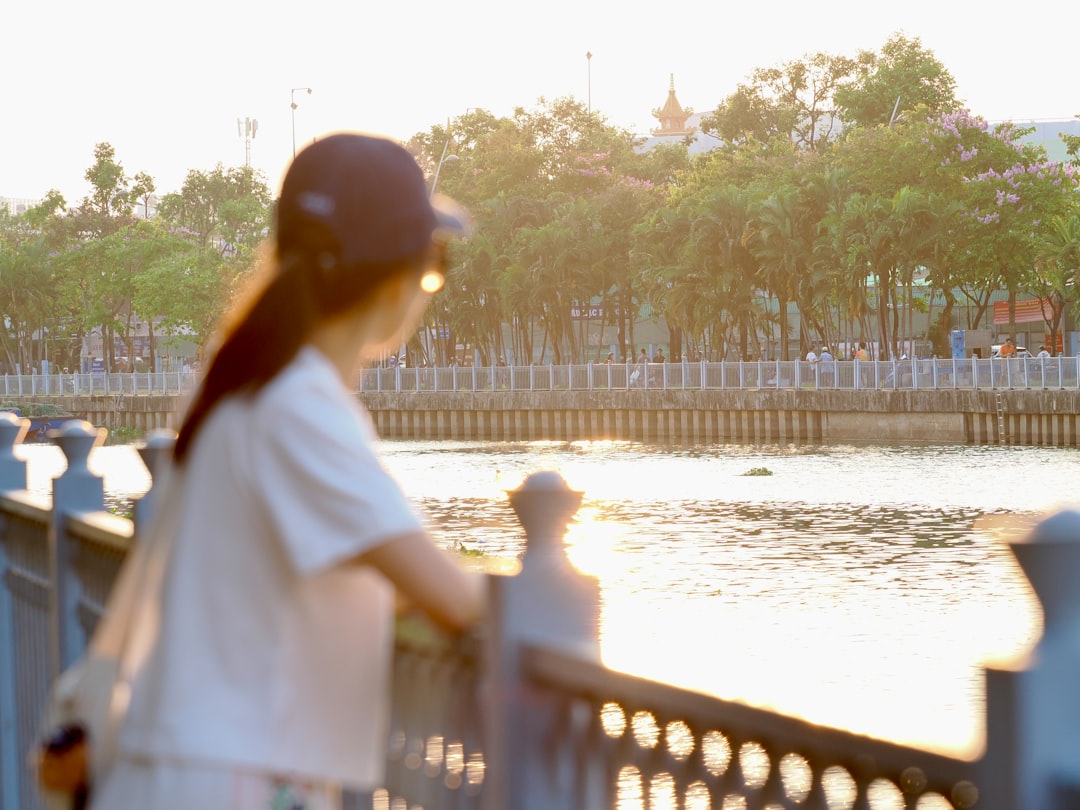
Photo by Night Owl on Unsplash
Jet lag can turn the first days of a dream trip into a haze of fatigue, foggy thinking and missed moments. What if you could use proven, practical beat jet lag remedies to reclaim your first 48 hours abroad? In this guide I distill science-backed strategies, real-world timing protocols, and travel-tested tricks so you arrive ready to explore. The core beat jet lag remedies — light timing, melatonin strategy, meal schedules, hydration, and smart naps — are surprisingly simple when used together.
Why this matters

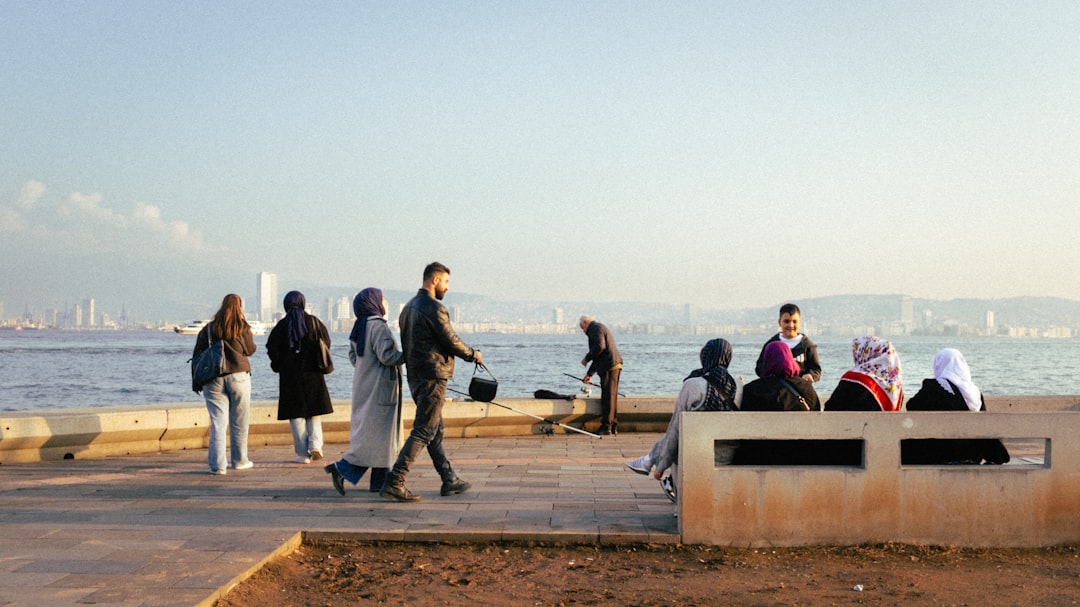
Photo by Jay Skyler on Unsplash
Long flights rearrange your inner clock, altering hormones, digestion and mood. The best beat jet lag remedies don’t mask tiredness — they shift your circadian rhythm so your body actually wants to be awake at the right local times. That means better sleep, sharper mornings, fewer cold-like vulnerabilities, and more energy for the very reasons you traveled.
Quick note: for a deep dive into other popular protocols, see Beat Jet Lag Fast 2026: Science-Backed Remedies That Work and How to Beat Jet Lag: Science-Backed Remedies 2026.
The science in a sentence
Photo by Brett Jordan on Unsplash
Light is the dominant clock signal. Meal timing, short melatonin pulses, activity, and hydration support the shift. Use them at the right times and your body will follow.
Primary strategy overview
Before travel: shift sleep and light exposure 1–2 days early when possible.
On the flight: set devices to destination time, hydrate, sleep when destination night calls for it.
On arrival: chase or avoid light per protocol, time meals to local schedule, use 0.5–1 mg melatonin at the correct bedtime, and limit naps.
Related keywords
- jet lag strategies
- circadian rhythm travel
- melatonin for jet lag
How to use these beat jet lag remedies (narrative)
Imagine stepping out of a humid Tokyo morning or a crisp London dawn. The air tastes like the place — soy and coffee, or distant diesel and rain. Your body still thinks it's home. The first beat jet lag remedy is choreography: plan when you’ll seek sunlight, when you’ll eat, and when you’ll sleep. These cues are the choreography your circadian clock reads. Walk under morning light for twenty minutes and your brain hears "wake"; skip heavy food at the wrong hour and your gut is confused. The good news: following the choreography is a travel-friendly ritual with sensory rewards — sunlight on your skin, the smell of breakfast markets, the downtown murmurs that make a city feel alive.
Core remedies explained (with atmosphere)
Light timing
Sunlight is bright, blue-rich, and blatant. That cold blue glow on a seaside promenade or during a crisp alpine morning tells your brain it’s daytime. For eastbound trips (shortening the day) seek morning light; for westbound (lengthening the day) prefer evening light. Walk, breathe the air, feel the temperature shift — these are signals your body uses to align.
Melatonin strategy
Melatonin is a subtle chemical whisper that signals "night". Taken in a small dose (0.5–1 mg) at the right local bedtime for the first two to three nights, it nudges your internal clock without grogginess. The sensation is gentle: you feel sleepier at the correct hour, not drugged.
Meal timing
Food is more than flavor; it’s a timing cue. Eat at local meal times to help your metabolic clock re-sync. A light protein-rich breakfast on a piazza bench or a simple sushi lunch places time markers along your day.
Hydration and cabin strategy
Long-haul cabins are dry and pressurized — your skin feels tight, your throat raspy. Drinking water through the flight, avoiding alcohol, and replacing electrolytes when needed reduces fatigue and makes body temperature regulation and sleep recovery easier.
Strategic napping
Naps are like small compass corrections. A 20–30 minute nap provides alertness without resetting nighttime sleep. The sensation of post-nap clarity is crisp: your thoughts sharpen, your legs feel lighter, your mood lifts.
Activity and movement
Movement helps circulation and improves sleep quality. Gentle stretching on arrival, a sunrise walk, or a short hike between neighborhoods—these physical sensations signal daytime to your body.
Section: Pre-flight preparation
Start 48–72 hours before a major time-zone jump. If traveling east, go to bed 30–60 minutes earlier each night; if west, shift later. Limit caffeine and alcohol in the window before departure. Use light strategically: get morning light for eastbound trips and avoid it if you’re shifting later for westbound travel.
Narrative: pack the ritual into your last days at home — sip coffee on the balcony earlier, take a morning run a half-hour sooner, dim lights after dinner. These small rituals feel intimate, almost like giving your body a gentle nudge toward the new rhythm.
Practical checklist before departure:
- Shift sleep timing 30–60 minutes per night for 1–3 nights when possible.
- Stop heavy alcohol 24 hours before long-haul.
- Pack a lightweight sleep mask, earplugs, refillable water bottle, and 0.5 mg melatonin tablets if you use them.
On the flight: timing, hydration, and sleep
Narrative: cabins smell faintly of recycled air and coffee. You might watch the clouds like islands of light. Don’t let them be your schedule. Instead:
- Set your watch and device clocks to the destination time at boarding.
- Drink at least 250 ml of water per flight hour; sip consistently.
- If it’s nighttime at your destination, create darkness with a mask and use earplugs to sleep. If it’s daytime there, stay awake, hydrate, and move every 45–60 minutes.
- Avoid alcohol; treat caffeine as a tool only when it aligns with destination daytime.
Arrival: light, meals, and the first local night
If you arrive in the morning, seek bright outdoor light within the first hour — a twenty-minute walk in direct light is ideal. Smell the city, step into a café and eat breakfast on local time. If arrival is in the evening, avoid bright morning light the next day and use evening light exposure to delay sleep.
Force yourself to stay awake until a reasonable local bedtime on day one; collapsing at 4 p.m. will prolong jet lag. The feeling of making it to local bedtime and falling into deep sleep is rewarding — you’ll wake with clearer thoughts.
Practical gadgets and aids
- 0.5–1 mg melatonin: use only at local bedtime for 2–3 nights.
- Blue-light-blocking glasses: wear during evening avoidance windows on the days around travel.
- Refillable insulated water bottle: drink consistently.
- Sleep mask and high-quality earplugs: for plane and hotel sleeps.
How to personalize (chronotype and direction)
Everyone’s circadian rhythm differs. "Morning larks" adapt faster to eastward shifts; "night owls" usually handle westward travel more easily. Tailor light and sleep timing to your chronotype — if you naturally function earlier, don’t force a late-night schedule pre-trip.
Common mistakes travelers make
- Taking large doses of melatonin (5–10 mg) which can cause next-day grogginess.
- Sleeping according to departure time, not destination time.
- Relying on alcohol to sleep on planes.
- Letting the first day be dictated by fatigue rather than local time cues.
When medical help or special treatment is advised
If you travel frequently across many time zones for work and jet lag consistently impairs function, consult a sleep specialist. Prescription-strength chronobiotics or timed light therapy under supervision can be used for severe or work-critical cases.
Come arrivare / How to get there
This section covers travel logistics for reaching common long-haul gateway cities where jet lag strategies are frequently needed. Choose the gateway closest to your trip.
New York (JFK/EWR/LGA)
- Airports: JFK (John F. Kennedy International, JFK), Newark Liberty (EWR), LaGuardia (LGA).
- From Manhattan: JFK express train + AirTrain about 1–1.5 hours, $10–$15; EWR is 30–50 min by NJ Transit from Penn Station, $15–$20; LGA buses and rideshares 20–40 min, $10–$40.
- Typical intercontinental carriers operate from JFK and EWR; nonstop long-haul flights to Europe/Asia run 6–14 hours.
London (LHR/LGW/STN)
- Airports: Heathrow (LHR), Gatwick (LGW), Stansted (STN).
- From central London: Heathrow Express 15–20 min (~£25), Gatwick Express 30 min (~£20), Stansted Express 45 min (~£20). Rideshares and tube options vary.
Tokyo (HND/NRT)
- Airports: Haneda (HND) is closest to central Tokyo (15–30 min), Narita (NRT) is 60–90 min by Narita Express (~¥3000–¥3200).
Practical note: travel time, costs, and transit options change seasonally; always check official airport websites and local transit pages. For more trip planning tools, visit https://traveldeck.ai in your planning stage.
Cosa fare / Things to do (5–8 activities to reset and enjoy)
- Sunrise walk in a waterfront district (20–40 minutes): sunlight and fresh air are immediate circadian anchors.
- Local breakfast market visit: align meal timing with the destination and soak in smells and sounds.
- Gentle museum or park stroll in the early afternoon: light exposure and low-intensity activity help daytime alertness.
- Short guided city walk at dusk: evening light exposure and social engagement delay sleep for westward adaptation.
- Light yoga session or stretching class: movement helps circulation after long flights.
- Thermal bath or warm shower before local bedtime: helps the body cool afterward and promotes sleep onset.
- Neighborhood cafe lounging: brief naps under 30 minutes, if needed, in the early afternoon.
Each activity engages the senses — the clink of cups, the warmth of sun on skin, the hush of galleries — and offers practical timing benefits for circadian realignment.
Dove dormire / Where to stay
Budget
- Airport-adjacent pods or budget hotels: $50–$120 per night. Choose quiet rooms, blackout curtains, and a firm pillow.
Mid-range
- City center boutique hotels: $120–$250 per night. Look for properties with blackout curtains, quiet streets, and good access to morning light for walks.
Luxury
- Full-service hotels or wellness resorts: $300+. Many offer in-room sleep amenities, blackout systems, and concierge advice for local light exposure activities.
Booking tip: request a room away from street noise, with blackout curtains, and a mattress you’re comfortable with — sleep environment quality amplifies any jet lag remedy.
Dove mangiare / Where to eat
Align food with local time rather than your body clock. Here are suggestions by meal:
Breakfast
- Local bakeries and market stalls near transit hubs: light pastries, eggs, fruit. Eat like a local to anchor the morning.
Lunch
- Casual neighborhood restaurants offering protein and vegetables: balanced meals avoid heavy post-meal sleepiness.
Dinner
- Early, light dinners support nights when you need to sleep early. Favor foods with tryptophan (turkey, bananas) and magnesium-rich sides (leafy greens, almonds) if you want to aid sleep.
Street markets and food halls deliver sensory variety and meal timing cues — follow the local rhythm and avoid heavy late-night feasts on your first nights.
Consigli pratici / Practical tips
Best months: Travel year-round; jet lag strategies apply any season. However, daylight length affects light timing — long summer days require careful evening avoidance for westbound shifts.
Weather: Dress for the destination; layering helps with temperature shifts that impact sleep comfort.
What to pack:
- Sleep mask and earplugs
- Refillable water bottle
- Lightweight hoodie for cabin and cool evenings
- 0.5–1 mg melatonin (if you use it)
- Blue-light-blocking glasses for evening avoidance windows
Customs and currency: Arrive prepared with local cash and contactless payment; being organized reduces stress and supports better rest.
Connectivity: Buy local SIM or eSIM if you need to maintain schedule apps and maps; having accurate local time on devices makes timing cues easier.
Safety: Follow local guidance and trust local daylight routines for safe areas to walk at different times.
FAQ / Domande frequenti
Q: How long does it take to recover from a 6-hour time shift?
A: General rule: the body adjusts roughly one hour per 24 hours. With beat jet lag remedies (light timing, melatonin, meal timing) many travelers feel largely recovered in 2–3 days rather than 5–6.
Q: Should I take melatonin every night while traveling?
A: Use melatonin (0.5–1 mg) for the first 2–3 nights at destination bedtime to help shift the clock. Long-term nightly melatonin is best discussed with a clinician.
Q: Is eastward travel always worse than westward?
A: Typically yes. Shortening the day (eastward) is harder because most human circadian rhythms naturally run slightly longer than 24 hours, making it easier to extend the day (westward).
Q: Can naps help?
A: Short naps (20–30 minutes) can improve alertness without undermining nighttime sleep. Avoid long naps or late afternoon naps on the first day.
Comparison table: budget tiers for sleep-support items
| Item | Budget | Mid-range | Premium |
|---|---|---|---|
| Sleep mask | $5–$15 | $20–$35 | $40–$60 |
| Earplugs | $3–$10 | $10–$25 | $25–$45 |
| Refillable bottle | $10–$20 | $25–$40 | $40–$60 |
| Blue-light glasses | $10–$20 | $25–$50 | $60–$120 |
- Winter: Short days mean morning light is precious; seek it immediately after arrival for eastbound trips.
- Spring: Days lengthen; use avoided evening light tactics if traveling west.
- Summer: Very long days can complicate evening avoidance — use sunglasses and indoor dimming strategies to maintain a sleep window.
- Autumn: Mild days allow comfortable outdoor adaptation walks that are ideal for circadian realignment.
Tags
- beat jet lag remedies
- jet lag strategies 2026
- melatonin travel tips
- circadian travel guide
- long haul travel sleep
Closing thoughts
Beating jet lag is both science and ritual. The small pleasures — a morning coffee on a sunlit bench, a light walk through a market, a gentle stretch on a hotel terrace — are also the most effective remedies. Combine light, meal timing, hydration, and modest melatonin use, and you’ll turn jet-lagged hours into memories of the place you traveled to. Enjoy the textures, colors, and sounds of the destination from day one. Safe travels and curious wandering.