How to Beat Jet Lag: Science-Backed Remedies 2026
How to beat jet lag: a quick promise

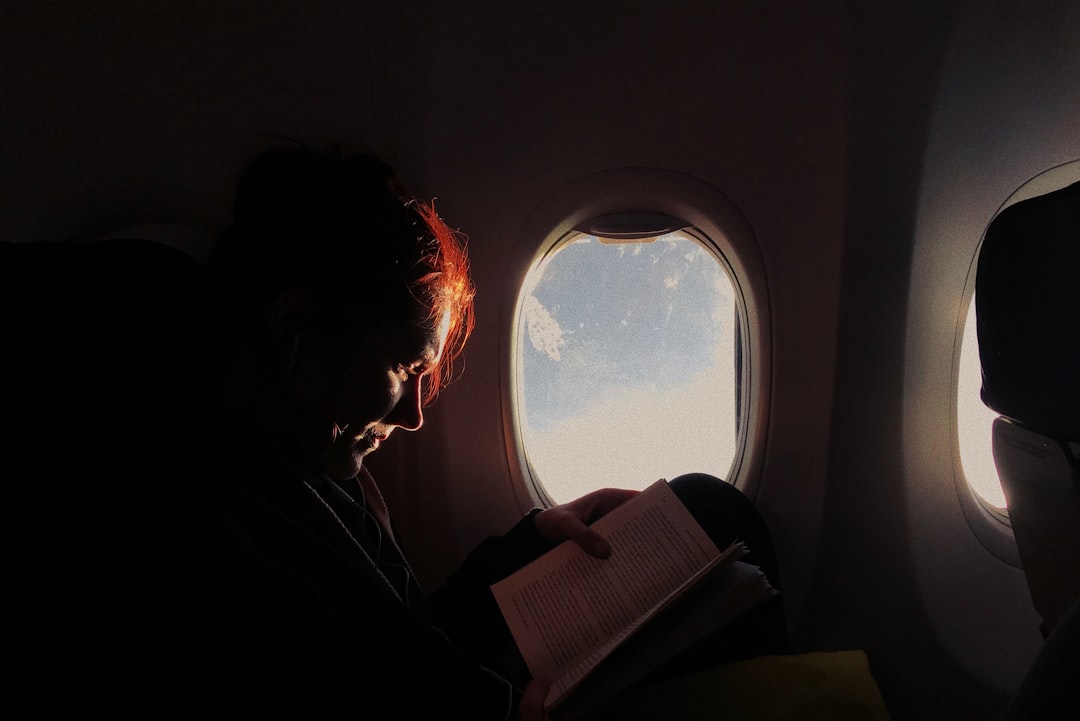
Photo by Lincoln Holley on Unsplash
Ever landed excited to explore only to feel like your brain stayed on the other hemisphere? Jet lag sabotages trips, work and even vacations with fatigue, fog and irritability. In this deep, travel-magazine style guide I show you how to beat jet lag using research-backed remedies mixed with transport-savvy planning, sensory detail, and realistic tactics you can actually use on the road. Whether you’re flying east or west, this article unpacks routines, timing, and small rituals that help your body switch lanes faster.
Why this matters right now

Photo by Brett Jordan on Unsplash
Crossing time zones scrambles your circadian rhythm — the internal clock that times sleep, hunger, mood and digestion. Get it wrong and the first 48–72 hours of a trip can feel wasted. But small, science-aligned choices let you land sharper, sleep better and make the most of your first day.
This guide covers light exposure, meal timing, melatonin use, in-flight strategies, hydration and more. You’ll also find practical sections like "How to get there" and "Where to stay" adapted to common long-haul routes so your planning is holistic. If you want a compact scheduling tool, check TravelDeck at https://traveldeck.ai for planning that fits your itinerary and sleep strategy.
Quick summary (for readers in a rush)
Photo by Brett Jordan on Unsplash
- Start shifting your sleep 1–2 days before travel.
- Use bright morning light when traveling east; evening light when going west.
- Take low-dose melatonin (0.5–1 mg) at the right local bedtime for 2–3 nights.
- Hydrate aggressively on flights and avoid alcohol.
- Set your devices to destination time at boarding and eat on destination meal times.
The science in one sentence
Light is the master clock — well-timed light exposure plus correct melatonin timing and meal schedules let your internal clock realign faster than passive waiting.
How to beat jet lag: core strategies
Start with a two-day story. Imagine the pale blue of a northern morning, your face warmed by sun on arrival — that morning light is the single most powerful cue your brain uses to reset. Contrast that with arriving at dusk and collapsing into a hotel bed: the wrong light at the wrong time prolongs misalignment.
Narrative detail: on an eastbound morning in Lisbon I felt my eyelids heavy, then pushed through a 20-minute street walk. The river smelled of salt and coffee; the cool light felt clarifying. Within hours my appetite synced to local lunchtime and sleep that night came easier. That small morning ritual does more than lift mood — it nudges your suprachiasmatic nucleus, the brain’s clock.
Before departure
Begin a gradual sleep shift 48 hours before travel:
- Eastbound: go to bed 30–60 minutes earlier each night.
- Westbound: stay up 30–60 minutes later each night.
Adjust meal times inward to your destination schedule — eat lighter, higher-protein meals if it's daytime there. Pack a small sleep kit (mask, earplugs, melatonin 0.5 mg tablets, blue-light blocking glasses) and pre-fill a reusable water bottle.
On the flight
Airplanes are dry, noisy, and often schedule-inverted. Turn your watch to destination time at boarding to start psychological alignment. Pick a seat that helps your plan — a window for uninterrupted sleep, an aisle if you need to move for circulation.
- Hydration: aim for ~250 ml (8 oz) water per flight hour.
- Avoid: alcohol and heavy meals before your target sleep period.
- Use: neck pillow, noise-canceling headphones, sleep mask for in-flight rest timed to destination night.
Arrival tactics
If you arrive in morning local time, get outside within 60–90 minutes for 20–60 minutes of direct sunlight. If you arrive late afternoon or evening, avoid bright light after local dusk and consider a low dose of melatonin about 30–60 minutes before target bedtime.
Strategic napping
Short naps (20–30 minutes) are useful on day one if you’re functionally impaired, but avoid long naps later than 3 p.m. local time. A brief nap can restore clarity without resetting your body clock incorrectly.
Melatonin: the clock tool
Melatonin functions as a timing signal more than a sedative. Use 0.5–1 mg at target bedtime in the new time zone for the first 2–3 nights; larger doses increase next-day grogginess without improving clock shifting. Timing matters: take melatonin close to the new local bedtime, not your departure routine.
Light therapy devices and apps
Portable light therapy glasses or lamps help when natural light is inaccessible. Apps that map personalized light schedules can be helpful, but they are tools — the core principles (morning vs evening light) remain the most important.
How to beat jet lag for different travelers
- Business travelers: begin shifting 48 hours before travel, prioritize morning light on arrival and keep caffeine timed to local daytime for meetings.
- Parents with kids: sync your child’s sleep gradually, use daylight and short strategic naps, and plan low-key activities on arrival.
- Older travelers: circadian adaptation can be slower with age; be conservative with nap timing and favor morning light exposure.
Related routines to layer in
- Meal timing: align breakfast/lunch/dinner with destination to reinforce reset.
- Exercise: light morning walks or gentle yoga support sleep quality; avoid vigorous late-night workouts.
- Temperature: cool evening showers promote sleep onset.
How to get there
This section gives practical transport details for common long-haul arrival strategies so you can plan timing around flights. These examples include airports, transit options, approximate costs and durations. Use them as models for your own route planning.
- New York (JFK/EWR) to London (LHR/LGW): flight time ~6.5–7.5 hours. If landing in the morning, get morning light in Hyde Park (20–30 min Tube from LHR by Heathrow Express + Tube) to speed adjustment. Heathrow Express to Paddington: 15–20 minutes, £25–£30 one-way. Tube options ~£5–£7.
- Los Angeles (LAX) to Tokyo (HND/NRT): flight time ~11–12 hours. NRT to Tokyo by Narita Express ~60–75 minutes, ¥3,000–¥3,500. For westbound travel choose evening light on arrival in Shinjuku parks.
- Sydney (SYD) to London (LHR): long-haul with 22–24 hours total including stopover. Plan to break the trip so your light exposure aligns with arrival daytime in London. Sydney Airport to CBD: train 13–20 minutes, AUD $18–20.
Costs and durations above are indicative; check carriers and local transport for exact prices. When you know arrival time, plan your first outdoor activity (walk, market, park) to match light-timing strategy described earlier.
Things to do
This section lists activities to intentionally reset your clock while enjoying arrival day. Narrative descriptions show smell, color and rhythm so you picture the scene and the circadian benefit.
- Morning riverside walk (20–45 minutes): crisp air, coffee aroma, morning pedestrians — ideal for eastbound travelers to soak up blue light.
- Open-air market lunch: vibrant stalls, sizzling food and human bustle anchor mealtime to local schedule; eating at local lunchtime reinforces your clock.
- Light stroll to a nearby museum or garden in late afternoon: gentler light signals and gentle movement ease a westbound adaptation.
- Sunset promenade: vivid gold and cooling breeze prepare your body for local night.
- Short, guided city orientation: low-stress walking tour that keeps you awake until local bedtime without overexertion.
- Gentle hotel stretch and breathing routine before bed: the scent of lavender from a small sachet, dim lighting and slow inhalations cue relaxation.
- Local café stop with bright morning light: breakfast under direct window sun for the strongest circadian signal.
Each activity is selected not just for enjoyment but for its role in resynchronizing sleep, meals and movement.
Where to stay
Select a room with controllable light and minimal night noise. Here are suggestions by budget that favor circadian-friendly features (blackout curtains, easy outdoor access, quiet rooms).
Budget
- Chain budget hotel near central parks: rates $60–$110/night. Look for rooms with blackout blinds and vending water.
Mid-range
- Boutique hotels near green spaces: $120–$220/night. Rooms often have blackout curtains and noise insulation; ask for a high floor away from street noise.
Luxury
- Full-service hotels with wellness offerings: $300+/night. Many offer in-room light controls, blackout, pillow menus, and spa options to help body-clock recovery.
Practical tip: request a room on the quiet side, ask for blackout curtains, and check if the property can provide a small fridge or kettle to help time meals upon arrival.
Where to eat
Food anchors the clock. Choose meals that match local time and aim for light, protein-rich breakfasts when adjusting. Sensory notes below help you plan what to order.
- Breakfast: eggs, whole grains, fresh fruit, and green tea — bright citrus and toast aromas wake you gently.
- Lunch: local seasonal dishes — think markets where sizzling meat and herbs fill the air, anchoring midday.
- Dinner: light, early dinners with vegetables and lean protein; avoid heavy, spicy late meals that disturb sleep.
If jet lag is severe, start with broths, grilled fish or simple noodle soups — warm, hydrating and gentle on the stomach.
Practical tips
Best months and weather: choose travel windows with mild local daylight patterns when possible — long summer days can complicate late-arrival sleep if you’re not prepared.
What to pack: sleep mask, earplugs, travel pillow, refillable water bottle, melatonin 0.5–1 mg, blue-light blocking glasses, comfortable walking shoes for sunlight hunts.
Customs & currency: pre-load local currency for small purchases at arrival, but use contactless cards for most transactions.
Connectivity: download maps and a jet-lag scheduling app if you want minute-by-minute guidance. Turn off automatic time updates until you set devices to local time at boarding to reduce confusion.
Safety: being well-rested improves situational awareness. If severely jet-lagged, avoid risky solo night travel and choose well-lit, busy areas for first explorations.
FAQ / Domande frequenti
Q: How long does jet lag usually last?
A: It depends on time zones crossed and direction; a rough rule is one day per time zone when traveling eastwards and slightly faster when traveling west.
Q: Is melatonin safe and when should I take it?
A: For most healthy adults, low-dose melatonin (0.5–1 mg) for 2–3 nights at target bedtime in the new time zone is safe. Avoid high doses and consult your doctor if you take medications.
Q: Can I nap on arrival?
A: Short naps (20–30 minutes) are acceptable if you’re impaired, but avoid long naps or sleeping past early evening local time.
Q: Does caffeine help or hurt?
A: Use caffeine to boost daytime alertness, but avoid it within 6 hours of local bedtime to prevent sleep disruption.
Q: Are apps worth it?
A: Personalized apps that schedule light, sleep and melatonin can help — but the core actions (light timing, meal timing, melatonin at bedtime) are what matter most.
Comparison table: budget tiers for jet-lag-friendly stays
| Tier | Typical nightly price | Key sleep-friendly features |
|---|---|---|
| Budget | $60–$110 | Blackout curtains, quiet floors |
| Mid-range | $120–$220 | Better insulation, park access |
| Luxury | $300+ | In-room light control, wellness spa |
- Winter arrivals: maximize any available daylight; aim for midday sunlight when mornings are too dim.
- Spring/autumn: use natural dawn/dusk timing cues; outdoor walks in early morning are effective.
- Summer: watch out for late sunsets; use blackout curtains and consider melatonin if you arrive late.
Tags
Travelers use tags to find this guide. Here are suggested tags for search:
- how to beat jet lag
- jet lag remedies 2026
- travel sleep tips
- melatonin for jet lag
- light therapy travel
Suggested internal reading
For a quick checklist-style toolkit check Beat Jet Lag Fast 2026: Science-Backed Remedies That Work. For inspiration on where to go once you’ve landed feeling great, browse Hidden Gems in Europe 2026: Offbeat Places Most Tourists Miss.
Final reflection
Jet lag is a physiological puzzle you can solve with small, deliberate moves: light, timing and modest melatonin use. The reward is immediate — clearer mornings, better meals, sharper memories. Travel is richer when your body joins your curiosity on local time. Pack a mask, plan your light, and treat arrival day as part of the itinerary rather than its casualty.