Travel with Chronic Illness: Practical Safety & Health Strategies
Travel with Chronic Illness: Practical Safety & Health Strategies
Traveling while managing a long-term condition can feel daunting, but with the right preparation and mindset you can travel with chronic illness safely and confidently. This guide covers medication management, travel insurance for preexisting conditions, airport security tips, jet lag strategies, and practical health precautions to keep your trip on track.
Note: For official health guidance before you travel, check the World Health Organization's travel advice WHO Travel Advice and local public health sites like the HPSC Travel Advice for International Travellers.
Why this topic matters

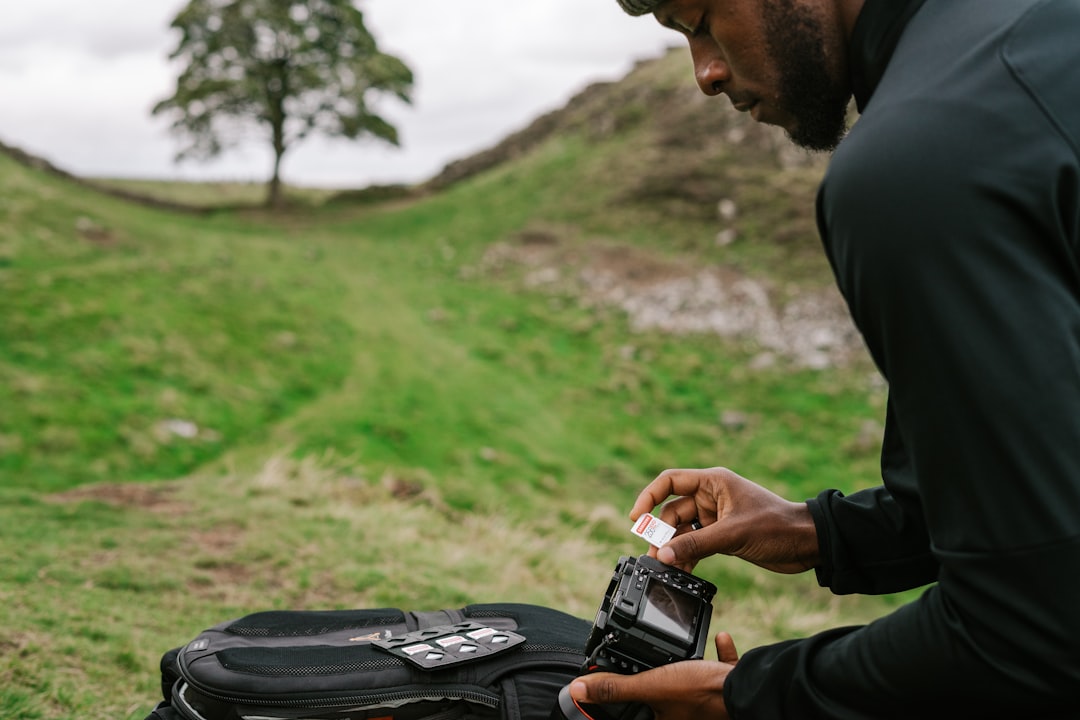
Photo by Precondo CA on Unsplash
Millions of people manage chronic conditions such as diabetes, asthma, heart disease, autoimmune disorders, or mental-health conditions. Traveling opens up meaningful experiences but introduces risks: interrupted medication supplies, unexpected exposures, or limited access to care. "Travel with chronic illness" planning reduces those risks and helps travelers focus on experiences rather than emergencies.
I wrote this from a travel-health perspective with practical checklists, real-world airport security tips, and examples of how to use modern planning tools like TravelDeck's itinerary planning and shared gallery features to stay organized on the road.
Primary keyword and structure
This article centers on the primary keyword "travel with chronic illness" and uses related phrases throughout, including "medication management", "travel insurance for preexisting conditions", "airport security tips", and "jet lag strategies". You'll find step-by-step preparation, safety tips while abroad, what to do in an emergency, and post-trip follow-up advice.
---
Quick checklist: Before you travel with chronic illness

Photo by Precondo CA on Unsplash
Use this checklist as a living document and adapt it to your condition and destination.
Section 1 — Medical preparation and medication management
Travel with chronic illness starts with medication management. Running out of medicine or facing storage problems is one of the most common travel stressors for people with long-term conditions.
- Medication supplies: Carry at least twice your usual daily supply for the planned trip duration. If feasible, bring an extra week or two in case of delays. Keep medicines in original labeled containers and pack a copy of each prescription.
- Prescriptions and letters: Ask your clinician for a concise medical letter that lists diagnoses, current medications (generic and brand names), dosages, and routes of administration. This is useful for customs or medical care abroad.
- Storage and transport: Research whether your medication requires refrigeration (e.g., some biologics or insulin). Use travel coolers and consider a ground-locked luggage approach: keep critical meds in carry-on with temperature control packs. Avoid checked luggage for essential drugs.
- Dosing schedule across time zones: Plan how you will time doses when crossing zones. Use phone alarms, and write out a dosing calendar in local and home time. For complicated regimens, ask your clinician for a simplified temporary plan.
- Controlled substances and legalities: If your medications include controlled substances, check destination country laws and bring official documentation. Some countries require permits.
- Refill and emergency prescriptions: If traveling for extended periods, ask about international refills or mail-order pharmacies. Identify clinics near your destination that can provide emergency supplies.
- Storage tips: Use pill organizers for daily doses but keep original bottles for customs checks. For liquids, use leakproof containers and pack extra sealing supplies.
Examples and templates: Create a simple "Medical Summary" including emergency contact, allergies, blood type (if known), insurance ID, and clinician contact. Save it as a PDF and print a paper copy.
Section 2 — Travel insurance for preexisting conditions
One of the most critical safety steps when you travel with chronic illness is to secure appropriate insurance.
- Why specialized coverage matters: Many standard travel policies exclude preexisting conditions. If your condition requires regular care or there's a likelihood of complications, specialized travel insurance for preexisting conditions reduces risk.
- What to look for: Coverage for emergency medical evacuation, inpatient care, prescription replacement, and medication shipping. Confirm whether routine care or medication adjustments are covered.
- Disclosure: Be honest about medical history. Misrepresentation can invalidate claims.
- Shopping tips: Compare insurers, read the definition of "preexisting condition", and check waiting periods or exclusions. Use official government portals or reputable comparison sites to evaluate options.
- Examples: If you have a cardiac history, ensure the policy covers cardiac-related hospital admissions and air ambulance evacuation.
- Documentation for claims: Keep scanned receipts, contemporaneous notes on symptoms, and hospital discharge summaries. TravelDeck's shared gallery and expense-splitting tools can help keep documentation organized and accessible to companions if needed.
External resources: For U.S. travelers, consult the CDC's travel health resources when considering medical risks abroad.
Section 3 — Airport security tips and legal considerations
Airport security and customs can be stress points when you travel with chronic illness. Proper preparation minimizes delays and protects your medication.
- Security screening: Keep medications in carry-on. Inform TSA or local security agents about medically necessary liquids. In the U.S., the TSA allows medically necessary liquids over 3.4 ounces after declaration; check local rules for other countries.
- Documentation: Have prescriptions and the clinician letter readily accessible. A printed medical summary speeds checks.
- Medical devices: If you use mobility aids, oxygen, insulin pumps, or home dialysis equipment, contact the airline in advance. Airlines often require notifications for oxygen or large batteries.
- Batteries and power: Bring spare batteries and power banks. Check airline rules for lithium batteries and carry them in the cabin with terminals protected.
- Language and translation: Print key medical phrases and the names of medications in the destination language. Carry a translated emergency card that states your condition and medications; this is helpful at checkpoints.
- Customs and legal limits: Research medication legality. Some countries have severe restrictions on certain drugs (including stimulants or opioids). Contact the destination embassy or a travel-health clinic to confirm.
Quick TSA and EU tips:
- U.S. travelers: See the TSA medical and disability information at TSA.gov.
- EU/UK travelers: Check the national civil aviation authority and embassy pages for guidance on medical devices.
Section 4 — Destination risk assessment and local healthcare planning
Researching local health risks and medical facilities is an essential step when you travel with chronic illness.
- Infectious disease risks: Review WHO travel advice for outbreaks or seasonal risks and ensure vaccinations are up to date. The WHO maintains current travel health advisories and disease-specific notes at WHO Travel Advice.
- Local care network: Identify hospitals and clinics near your accommodation. Check whether English-speaking medical staff are available and whether facilities accept your insurance.
- Pharmacy access: Know the nearest pharmacy hours and whether a particular medicine is available without a prescription.
- Emergency numbers and embassy: Save local emergency numbers and register with your embassy if available.
- Environmental risks: Consider altitude, heat, pollution, or allergens and how they affect your condition. For example, high-altitude destinations may complicate cardiac or pulmonary disorders.
- Transport risks: Choose ground and sea transfers based on safety and comfort. Long, bumpy rides can aggravate certain conditions; a short flight may be preferable.
Section 5 — Day-to-day wellness: hydration, food, and infection control
Small daily choices reduce risk when you travel with chronic illness.
- Hydration and diet: Stick to safe food-and-water practices. If your condition is sensitive to electrolytes or sugar, plan meal timing and carry safe snacks.
- Hand hygiene: Wash hands frequently for at least 20 seconds or use alcohol-based sanitizer. This simple step reduces many travel-related infections.
- Avoiding insect bites: Use repellents and nets if mosquito-borne illnesses are a risk. This is vital for many travelers; see WHO guidance and local vaccination notes.
- Rest and pacing: Schedule downtime and avoid packing every day tightly. Fatigue can trigger flares in autoimmune or chronic fatigue conditions.
- Cold/heat strategies: Layer clothing and carry a lightweight thermos. Temperature extremes affect many chronic illnesses.
Section 6 — Jet lag strategies and medication timing
Jet lag can complicate symptom control. Practical jet lag strategies help maintain steady disease control when you travel with chronic illness.
- Gradual schedule shift: Move your sleep and meal times a few hours toward destination time several days before departure.
- Light exposure: Use daylight to reset circadian rhythm; get morning light to advance sleep phase or evening light to delay it.
- Medication timing: Ask your clinician whether dose timing should change during travel. For time-sensitive meds, keep a clear schedule in both home and local times.
- Short naps and caffeine: Use short naps to manage daytime sleepiness but avoid long naps that disrupt nighttime sleep. Limit caffeine late in the local day.
- Sleep hygiene on the plane: Bring earplugs and a sleep mask; consider melatonin only after consulting your clinician.
Section 7 — Mental health, stigma, and disclosure decisions
Managing a chronic condition away from home can strain mental health. Plan for emotional wellness when you travel with chronic illness.
- Disclosure choices: Decide who needs to know about your condition. Telling travel companions and key hosts can allow for quicker assistance in an emergency.
- Stigma: Some conditions carry stigma in certain regions. Use discretion when sharing details and prefer written emergency cards.
- Accessing care remotely: Telehealth has become widely available. Check if your clinician offers international telemedicine or if you can use a travel-health platform.
- Coping tools: Pack comfort items—journals, calming playlists, breathing exercises. Routine stabilizers reduce anxiety and flare risk.
Section 8 — What to do in a medical emergency abroad
Even with preparation, emergencies can happen. If you travel with chronic illness, know the steps to take.
If language is a barrier, use translation apps and the local embassy to locate care. Save embassy contact details before you travel.
Section 9 — Returning home and follow-up care
After you return, follow up with your clinician and document any travel-related health events.
- Post-travel check-in: Schedule a review within 1–2 weeks if you had any health issues.
- Reportable infections: Some infections require public-health reporting or monitoring. Share relevant travel history with your clinician.
- Medication reconciliation: Compare medication lists and restore regular schedules if any temporary changes were made.
Practical packing list for travelers with chronic conditions
- Medication (in carry-on, original bottles, extra supply)
- Printed medical summary and clinician letter
- Insurance documents and translations
- Temperature-stable storage (cooler packs if required)
- Power banks, spare batteries, chargers
- Basic first-aid kit and OTC remedies advised by your clinician
- Emergency contact card and translated medical card
- Comfortable shoes, compression socks if indicated
- TravelDeck-synced itinerary and scanned records
Using travel tech when you travel with chronic illness
Modern tools make coordination easier.
- TravelDeck: Use itinerary planning to store medication schedules and clinician contacts. Share medical documents securely with trusted companions via shared gallery.
- Offline copies: Save PDFs of prescriptions and medical summaries offline in encrypted storage.
- Expense tracking: If you need to split medical or unexpected costs with companions, use TravelDeck's expense-splitting tools.
- Telemedicine apps: Download region-friendly telehealth apps before departure.
- Local maps and facility lists: Save maps with pinned hospitals and pharmacies.
For help organizing medical details, see our tips in Travel Planning App Tricks: Organize Smarter, Travel Better.
Real traveler scenarios and solutions
Scenario: A traveler with diabetes on insulin lost their checked bag mid-trip.
Solution: They packed two days' insulin in carry-on, used TravelDeck to find a nearby pharmacy, and presented a clinician letter to replace supplies. Travel insurance covered the cost.
Scenario: A person with asthma faced high pollution at a festival.
Solution: They monitored local air-quality alerts, used masks and rescue inhalers, and moved to lower-pollution areas. They avoided long outdoor exposure on poor-air days.
Scenario: A traveler with a heart condition needed urgent care abroad.
Solution: Quick access to their medical summary and travel insurance policy sped admission. The insurer coordinated evacuation to a tertiary hospital when needed.
These examples show how preparation and documentation reduce the impact of unplanned events.
Legal and ethical considerations
- Privacy: Store only necessary medical data on cloud services and use secure apps.
- Consent: If traveling with caregivers, ensure clear consent for making medical decisions.
- Local laws: Be aware of drug laws and medical device regulations at your destination.
Secondary keywords checklist
Use these phrases as you plan: "medication management", "travel insurance for preexisting conditions", "airport security tips", "jet lag strategies". Each supports safer travel when you travel with chronic illness.
- "medication management": Plan supplies, storage, and dosing across time zones.
- "travel insurance for preexisting conditions": Verify coverage for emergencies and evacuation.
- "airport security tips": Prepare paperwork and notify airlines about medical devices.
- "jet lag strategies": Adjust sleep and dose timing to keep conditions stable.
External resources and official links
- WHO travel advice: https://www.who.int/travel-advice
- HPSC travel guidance: https://www.hpsc.ie/a-z/traveladviceforinternationaltravellers/factsheet/
- TSA medical info: https://www.tsa.gov/travel/security-screening/whatcanibring/medical
- CDC Travelers' Health (U.S.): https://wwwnc.cdc.gov/travel
If you plan travel to a specific country, check that country's embassy site for medication import rules and emergency contact protocols.
Conclusion — Travel with chronic illness confidently
Travel can be life-enhancing even with a chronic condition. When you travel with chronic illness, careful medication management, the right travel insurance for preexisting conditions, airport security preparation, and jet lag strategies make experiences safer and more enjoyable.
Plan early, document thoroughly, and use tools like TravelDeck to keep itineraries and medical records in one place. Small steps before departure often prevent large problems abroad.
Ready to organize your next trip with health in mind? Build a medical-ready itinerary, share records with trusted companions, and keep medication schedules synced using TravelDeck. Visit https://traveldeck.ai to get started and travel with confidence.
---
Tags: travel, health, chronic-illness