solo travel safety tips: Smart Strategies for Confident Explorers
Solo Travel Safety Tips: Smart Strategies for Confident Explorers
Traveling alone can be one of the most liberating and rewarding experiences you’ll ever have. In this guide you’ll find practical solo travel safety tips, travel health advice, and personal security travel precautions to help you stay well, calm, and confident on the road.
Whether you’re planning a weekend city break or a months-long backpacking route, these solo travel safety tips are written to be actionable and easy to follow. We’ll cover planning, packing, on-the-ground routines, health precautions, and how to use tools like TravelDeck’s itinerary planning and AI guides to make safer decisions.
Why solo travel safety tips matter
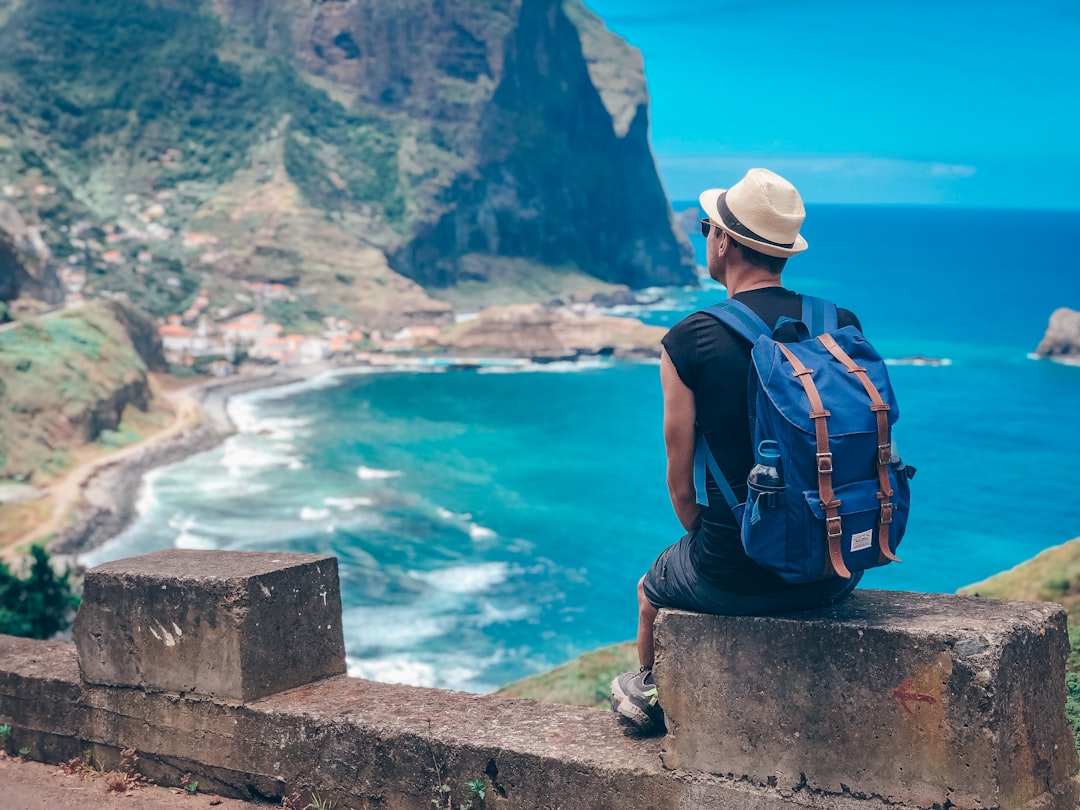
Photo by Jan Suchánek on Unsplash
Solo travel changes risk dynamics. Without a travel partner, small issues can feel bigger and logistical mistakes can lead to longer consequences. These solo travel safety tips reduce friction, protect your health, and keep your trip enjoyable.
Key principles: situational awareness, redundancy (documents and plans), conservative health choices, and smart use of tech.
Pre-trip planning: foundation of safety (solo travel safety tips)
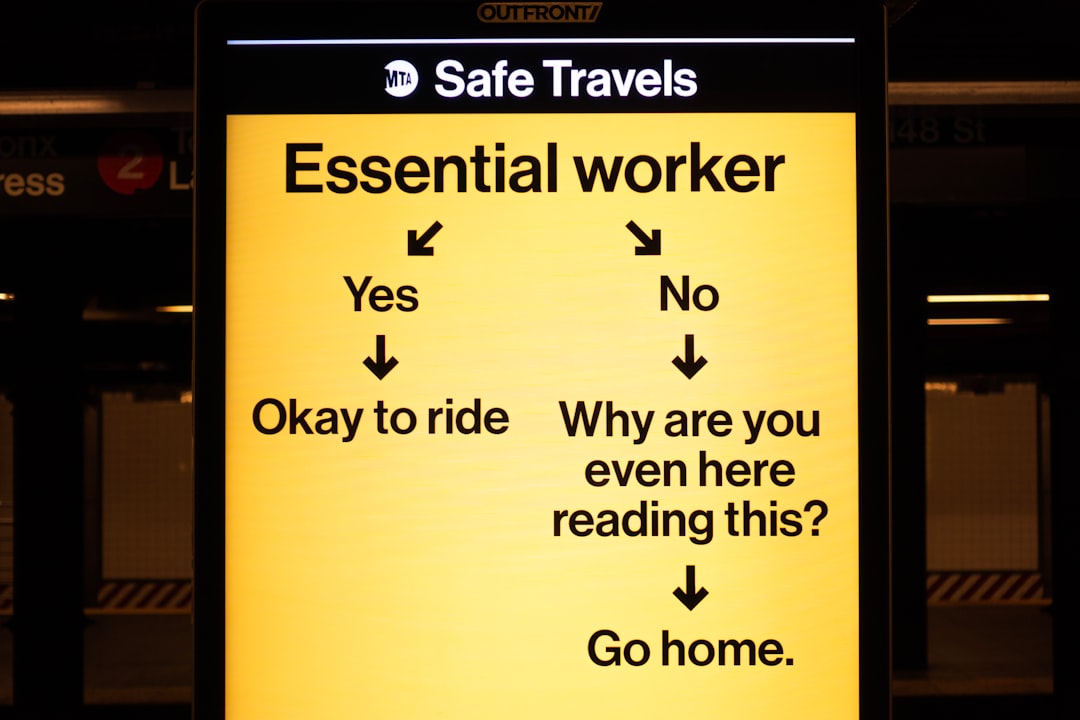
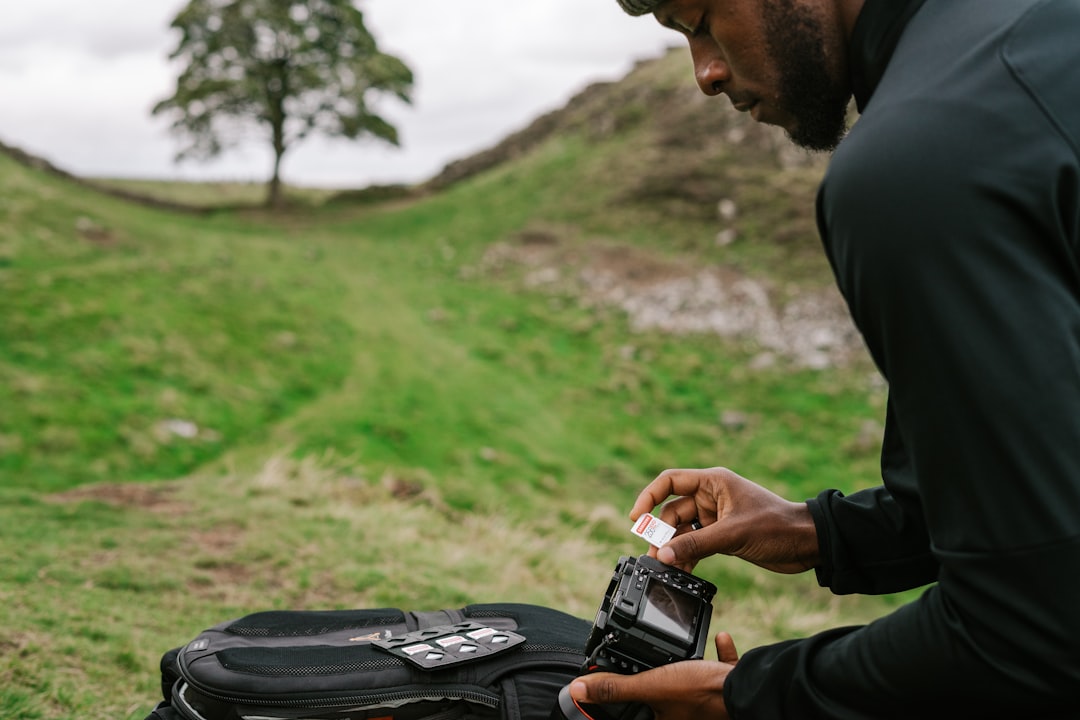
Photo by Daniel Lee on Unsplash
- Research destinations: Read recent safety notices, local laws, and cultural norms. Look for medical facilities, embassy locations, and reliable transport options.
- Share an itinerary: Leave a copy with a trusted contact and set regular check-ins. Use TravelDeck’s itinerary planning to create sharable day-by-day plans and emergency contact lists.
- Digital backups: Scan passports, vaccination records, and critical documents to cloud storage and an encrypted file on your phone.
- Program emergency numbers: Add local emergency services and your country’s embassy to your phone and offline notes.
Practical tip: Schedule a registration with your government’s travel advisory program when available.
Health-first packing: travel health advice you’ll use daily
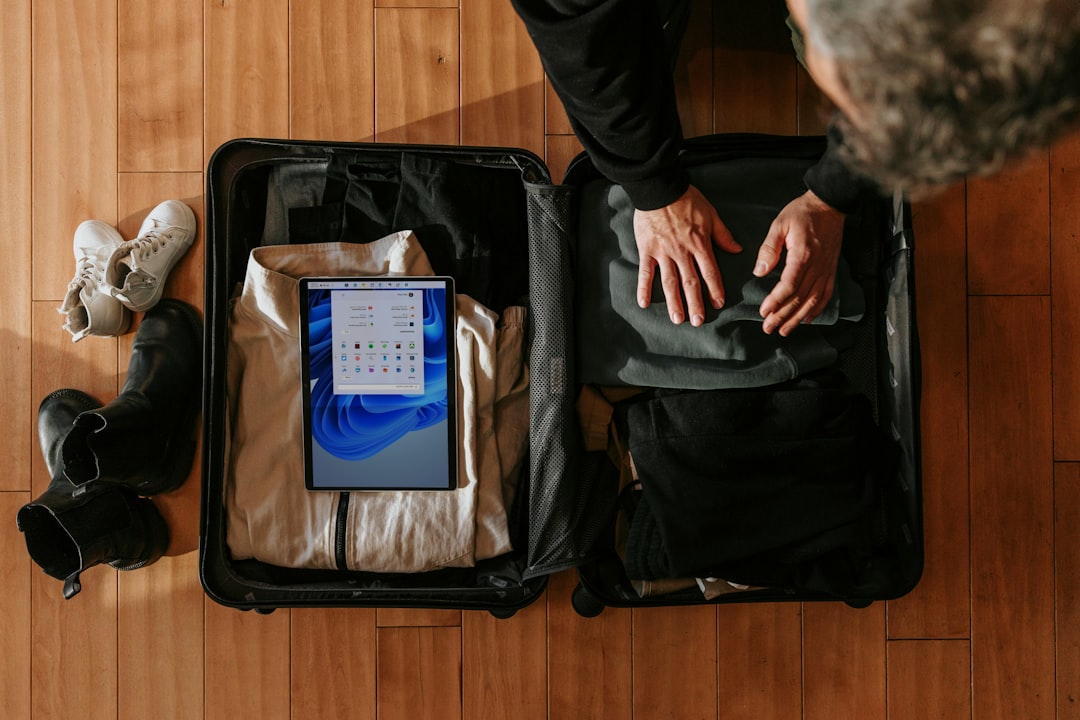
Photo by Surface on Unsplash
- Basic kit: antiseptic wipes, adhesive bandages, blister care, pain relief, antihistamines, and oral rehydration salts.
- Prescription backup: Bring a copy of prescriptions, and extra medication in original labeled bottles.
- Portable first aid: Include a compact thermometer and a small suture kit only if trained; otherwise prioritize wound care supplies.
- Water and food safety: Pack a collapsible water bottle with a UV purifier or filter for areas with uncertain tap water.
Tip: Store medications and important health documents in a waterproof pouch in carry-on luggage.
Vaccinations and preventive care (travel health advice)
- Visit a travel clinic 4–8 weeks before departure for recommended vaccines and malaria prophylaxis if needed.
- Ask about region-specific illnesses like typhoid, hepatitis, or Japanese encephalitis depending on your destination.
- Discuss routine vaccinations and any chronic conditions with your primary care provider.
Preventive mindset: Treat minor symptoms seriously in unfamiliar healthcare systems—early intervention prevents escalation.
Personal security travel routines you should adopt
- Stay visible and avoid isolated shortcuts at night.
- Use a money belt or anti-theft bag; keep valuables split between hidden and concealed pockets.
- Learn key local phrases (help, police, hospital) and carry them on a card.
- Arrange arrival transport ahead of time for late-night or unfamiliar landings.
Situational tip: Trust your instincts. If a place feels unsafe, move to a busier street or a café and reassess.
Solo in cities: small behaviors that improve safety (solo travel safety tips)
- Blend in: Avoid flashing expensive gear and use everyday clothing that respects local dress codes.
- Walk confidently: Heads-up posture and purposeful strides reduce chances of being targeted.
- Use licensed taxis and monitor rideshares: Check license plates and route before you get in.
- Social proof: Sit where staff can see you in cafes and train stations.
Social strategy: Befriend staff at your accommodation—they can be excellent local safety allies.
Rural and remote travel precautions (personal security travel)
- Let someone know your route and expected check-in times for hikes or remote transfers.
- Carry a satellite communicator or personal locator beacon when venturing off-grid.
- Learn basic navigation skills and always carry an offline map and power bank.
Equipment: Durable footwear, layered clothing, and a small repair kit for gear failures.
Night travel and accommodation security (solo travel safety tips)
- Choose accommodations with good reviews on safety: look for well-lit entrances, secure locks, and 24-hour staff presence.
- Make a room safety checklist: check locks, know the fire exits, and verify window security.
- If you use shared housing or hostels, use a lockbox or secure locker for valuables.
Behavioral tip: Keep low-key night routines — don’t announce you’re traveling alone to strangers.
Food, water, and avoiding illness (travel health advice)
- Follow the “cooked, peeled, boiled” rule in high-risk regions: prioritize hot, freshly prepared food.
- Street food: choose vendors with high turnover and visible hygiene practices.
- Hydration: Carry oral rehydration salts for hot climates and drink cautiously with ice in uncertain places.
If you get sick: Rest, hydrate, and use conservative over-the-counter meds. If symptoms persist, use local healthcare or Telemedicine options.
Dealing with scams, harassment, and theft (personal security travel)
- Learn common local scams before arrival and keep copies of common-sense responses.
- If confronted, don’t escalate. Keep your tone calm, disengage, and seek public spaces.
- For pickpocketing: use layered wallets and keep your main wallet in a front pocket or money belt.
Reporting: If something happens, report to police and your embassy. Save receipts and documentation.
Mental health and solo travel wellbeing
- Schedule rest days to avoid burnout and loneliness.
- Use local cafés, co-working spaces, and group tours to meet people safely.
- Practice grounding techniques: short walks, journaling, and sleep hygiene.
Tip: Use TravelDeck’s shared gallery feature to keep friends and family updated with photos—this reduces anxiety for both you and your loved ones.
Technology that keeps you safer
- Offline maps: Download region maps and public transport info.
- Local SIM or eSIM: Maintain connectivity for navigation and emergencies.
- Password manager and two-factor authentication: Protect accounts and traveling documents.
- Travel apps: Use itinerary planning and AI guides to stay aware of daily risks and suggested safe routes.
TravelDeck features: Use TravelDeck’s AI guides to find vetted local recommendations and its expense splitting to coordinate shared costs during meetups.
What to do in an emergency
Copies of critical documents and pre-programmed emergency contacts expedite help.
Insurance, legal prep, and documentation
- Buy comprehensive travel insurance covering medical evacuation, theft, and trip interruption.
- Keep digital and physical copies of insurance details, passport, and visas.
- Understand local laws and carry necessary permits for drones, certain medications, or restricted items.
Legal tip: A notarized letter for carrying prescribed controlled medicines can save headaches at customs.
Safety habits for longer solo trips (solo travel safety tips)
- Rotate accommodation types to maintain flexibility and avoid routines that make you predictable.
- Re-evaluate risks every few weeks: new cities, seasons, or political changes can alter safety.
- Keep emergency funds separate and replenish them regularly from a secure source.
Long-term habit: Regularly update your trusted contact with changes to your plans.
Real-world examples and lessons learned
- Example 1: A traveler used TravelDeck’s itinerary planning to pre-book legitimate rides from the airport after a late arrival, avoiding predatory taxi drivers.
- Example 2: Another solo traveler carried a compact water purifier which prevented multiple bouts of gastrointestinal upset in rural areas.
Lessons: Invest in prevention, not improvisation. The small cost of planning and tools pays off with peace of mind.
Quick-checklists: Ready-made safety lists
Essentials to pack for safety and health:
- Passport copies, digital cloud backup
- Basic first aid kit and prescribed meds
- Portable charger, local SIM/eSIM
- Money belt, anti-theft bag
- Water purifier or filtration bottle
Daily safety routine checklist:
- Share your daytime plan on TravelDeck
- Keep valuables split and secured
- Check local advisories each morning
- Maintain hydration and sleep schedule
Conclusion: Own your adventure with confidence
Solo travel safety tips aren’t about fear—they’re about giving yourself the foundation to explore boldly. Use these practical travel health advice steps and personal security travel habits to reduce risk and increase enjoyment. Plan smart, pack well, and use technology like TravelDeck’s itinerary planning, AI guides, and shared gallery to stay connected and informed.
Ready to travel safer? Build a sharable itinerary, save emergency contacts, and use AI-guided local tips—try TravelDeck today at https://traveldeck.ai and make your next solo trip the most confident one yet.
Tags: solo travel safety tips, travel health advice, personal security travel