Travel Scams to Avoid: Smart Tips for Safe Journeys
Travel Scams to Avoid: Smart Tips for Safe Journeys
Traveling brings excitement, but knowing which travel scams to avoid is essential for a smooth trip. In this guide you'll learn how to spot common travel scams, protect your belongings, and take practical steps to reduce risk. Use these tips whether you're backpacking, traveling with family, or planning a city break.
Why learning about travel scams to avoid matters
Photo by Markus Winkler on Unsplash
Travel scams target distracted, tired, or excited travelers. Understanding travel scams to avoid helps you keep your money, documents, and peace of mind intact. Scams can ruin a day or an entire trip — but many are predictable and preventable with a few simple habits.
Common travel scams and how to avoid them (overview)
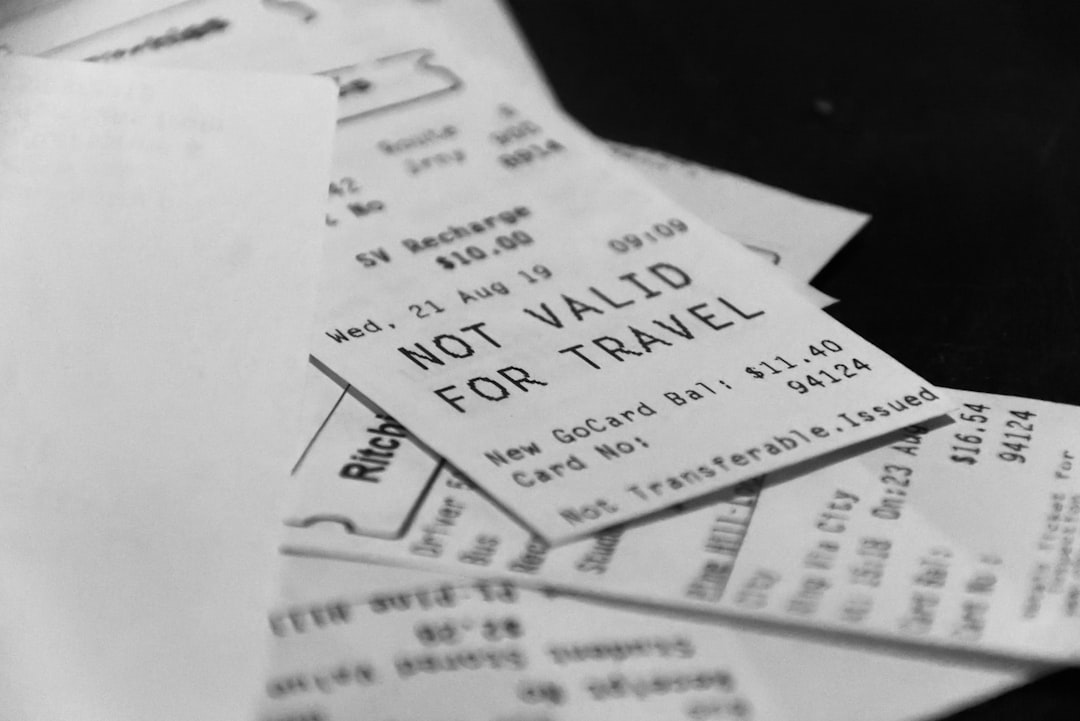
Photo by Duskfall Crew on Unsplash
Below are common travel scams you may encounter and straightforward ways to avoid scams abroad. Each scam includes red flags and practical avoidance tips you can apply immediately.
1. The Fake Official Scam
What it is: Someone pretends to be a police officer, immigration official, or other authority asking to inspect your passport or collect a fine.
Red flags:
- Unmarked clothing or unprofessional behavior.
- Requests for cash payment on the spot.
- Pressure, intimidation, or insistence you follow them to a nearby office.
How to avoid:
- Ask to see official identification and badge number.
- Offer to go to a police station or official office with them.
- If you’re unsure, call your local embassy or a known local emergency number.
2. Taxi and Ride Scams
What it is: Drivers take longer routes, claim meters are broken, or demand an inflated fare at the end of the ride.
Red flags:
- Drivers refuse to use the meter.
- Sudden excessive toll or route changes.
- Unlicensed vehicles or unofficial taxis approaching you at arrival points.
How to avoid:
- Pre-book licensed taxis or use reputable ride-hailing apps.
- Agree on a price before you get in if there’s no meter.
- Follow your route on your phone and speak up about deviations.
3. Card Skimming and ATM Scams
What it is: Criminals install devices on ATMs or hand-held skimmers to copy your card details, then steal funds or create counterfeit cards.
Red flags:
- Loose or bulky ATM parts, crooked card slot.
- People watching closely while you enter your PIN.
How to avoid:
- Use ATMs inside banks or busy, well-lit locations.
- Cover your PIN while typing and inspect the machine.
- Consider prepaid travel cards or use cards with strong fraud protection.
4. Overfriendly Locals and Distraction Thefts
What it is: A friendly local approaches to spill something on you, ask for help, or create a commotion, while an accomplice steals your wallet or phone.
Red flags:
- Sudden distractions in crowded spots like markets or transit hubs.
- People reaching into your bag or pockets under a pretense.
How to avoid:
- Keep valuables in front pockets or anti-theft bags.
- Use a money belt or neck pouch in crowded places.
- Practice polite but firm boundaries when approached by strangers.
5. Accommodation and Rental Scams
What it is: Fraudulent listings for apartments or vacation rentals that don’t exist, or hosts who demand full payment outside a booking platform.
Red flags:
- Listings with unusually low prices or no reviews.
- Requests to pay via wire transfer or cash only.
How to avoid:
- Book through reputable platforms and pay through the site.
- Verify listing photos through reverse image searches.
- Communicate using the platform’s messaging tool.
6. Currency Exchange and Short-Change Tricks
What it is: Vendors or exchange desks give poor rates, charge hidden fees, or shortchange you when returning bills.
Red flags:
- Exchange desks without clear rates posted.
- Crowded places where quick exchanges happen.
How to avoid:
- Use reputable banks or airport official exchange counters.
- Count cash carefully before walking away.
- Familiarize yourself with local banknote designs and security features.
7. Ticket and Tour Scams
What it is: Fake ticket sellers or unauthorized tour operators sell counterfeit or non-existent tickets to attractions.
Red flags:
- Sellers in plain clothes selling tickets outside official entrances.
- Bargain offers that seem too good to be true.
How to avoid:
- Buy tickets from official websites or at entrance desks.
- Use well-reviewed tour companies and confirm meeting points.
8. Wi-Fi and Online Fraud
What it is: Fake Wi-Fi hotspots with names similar to the café or hotel network that intercept your data, or phishing emails that steal credentials.
Red flags:
- Networks with generic names like "FreeWiFi" or misspelled venue names.
- Emails asking you to confirm personal or payment details urgently.
How to avoid:
- Use a VPN on public Wi-Fi.
- Confirm the exact network name with staff before connecting.
- Never enter passwords or payment info on unknown networks.
Practical personal strategies to avoid scams abroad
Photo by Markus Winkler on Unsplash
How to report scams and get help quickly
- Contact local police for immediate danger or theft.
- Report fraud to your bank and freeze cards as soon as you suspect compromise.
- Reach out to your embassy or consulate for lost passports and serious legal issues.
- Use social proof: look up recent traveler reports in local travel groups or apps for real-time warnings.
Using TravelDeck features to avoid scams
TravelDeck isn’t just for planning — it helps you stay safer on the road.
- Itinerary planning: Keep all official addresses and reservation confirmations in one secure place to verify bookings quickly.
- Expense splitting: Avoid awkward cash exchanges by tracking payments and splitting costs through the app.
- Shared gallery: Share photos of accommodations and meeting points with travel companions to confirm legitimacy.
- AI guides: Use TravelDeck’s AI suggestions to find reputable taxi services and trusted local vendors.
These features reduce the friction that scammers exploit.
Real-world examples and quick responses
Example: You’re offered a "special" closed-tour ticket outside a museum gate. Response: Politely decline and check the museum’s official ticket counter or website.
Example: A stranger pressures you to sign a petition then asks for a donation. Response: Ask for ID and say you’ll check online; if they insist, step away.
Example: Your ride-hail driver claims the app overcharged and asks for cash. Response: Pay through the app or request a refund via the service; don’t pay extra in cash.
Secondary keywords to remember
- "common travel scams" — use this when reading up on specific cons in a city.
- "avoid scams abroad" — practical mindset for on-the-ground choices.
Both phrases help guide searches and conversation when researching or asking locals about safety.
Final checklist: Before you leave and on arrival
Before you go:
- Register with your embassy if applicable.
- Make digital backups of documents.
- Load emergency contacts into your phone and write them down.
On arrival:
- Confirm official airport taxi services.
- Check hotel reviews and verify booking codes.
- Avoid flashing cash or expensive gear in public.
Conclusion: Stay alert, not anxious
Knowing travel scams to avoid empowers you to travel with confidence. A few smart habits — verifying officials, using reputable services, and keeping valuables secure — go a long way. Use TravelDeck to centralize itineraries, share plans with companions, and get AI-backed tips while you travel.
Ready to travel smarter and safer? Try TravelDeck at https://traveldeck.ai to organize your trip, split expenses, and get AI-guided safety tips before and during your journey.
How to Prepare for Japan: Practical Steps Before You Go can help if Japan is on your list.
For group planning advice that reduces high-risk situations, see Group Travel Budget: Smart Strategies for Cheaper Trips.
Stay curious, stay cautious, and enjoy the journey.