Travel Safety Off the Beaten Path: Practical Health & Security Tips
Travel Safety Off the Beaten Path: Practical Health & Security Tips
Photo by Precondo CA on Unsplash
Traveling off the beaten path is deeply rewarding — fewer crowds, unexpected discoveries, and a sense of real exploration. But less infrastructure and remote locations mean safety and health take on new importance. This guide gives practical, experience-driven tips for staying well, secure, and confident on adventures large and small.
Before you go: plan like a pro

Photo by Jeremy Dorrough on Unsplash
- Check medical requirements: research required vaccinations and recommended shots for your destination. Make a quick checklist for boosters and travel clinics.
- Pack a focused medical kit: include blister care, antiseptic wipes, adhesive bandages, pain relievers, antihistamines, oral rehydration salts, and any prescription meds (in original packaging).
- Digitize documents: scan passports, visas, travel insurance, prescriptions, and emergency contacts. Store encrypted copies and a printed backup.
- Share an outline: leave a basic itinerary with a trusted contact or use a shared itinerary feature — TravelDeck’s itinerary planning and shared gallery make it easy to keep companions informed and share location-aware plans.
Smart packing for health and safety
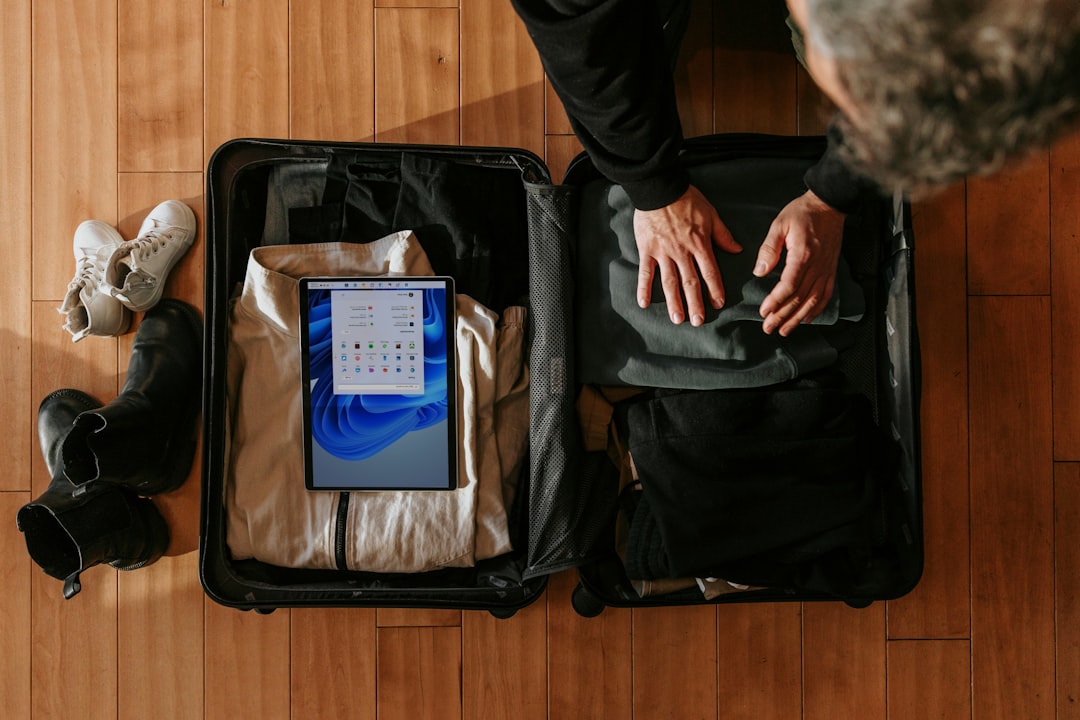
Photo by Surface on Unsplash
- Layered clothing and weather protection: pack a lightweight rain shell and sun-protective layers even for warm climates. Hypothermia and sunburn are both real risks when conditions change quickly.
- Water safety: a portable filter or purification tablets are essential in remote areas. Learn local water practices (boiled, treated, or bottled).
- Footwear first: pack shoes suited to your activities and add blister prevention supplies.
- Lightweight first-aid roll: compressible gauze, an elastic bandage, tweezers, and a small suture kit for remote treks if you’re trained.
Health on the road: daily routines
- Hydration and nutrition: aim for consistent hydration with electrolyte balance. Carry snacks with a mix of carbs, protein, and fats to avoid low-energy situations.
- Rest and pacing: altitude, long treks, and time zone changes can wear you down. Factor rest days into plans and respect signs of fatigue.
- Local food caution: favor freshly cooked foods and fruits you can peel. Use your best judgment at street vendors — they’re often great, but prioritize hygiene.
Personal security: small habits that protect you
- Blend in where possible: avoid flashy jewelry and don’t broadcast expensive gear. Use a money belt or concealed pouch when necessary.
- Situational awareness: keep your head up and limit phone use in unfamiliar or crowded places. A simple habit: look at your phone, then look up and scan your surroundings.
- Backup your money: carry cash in two locations (e.g., wallet and hidden pouch) and a backup card in a locked luggage or TravelDeck’s shared expense-splitting notes if traveling with friends.
- Use local advice: ask hosts or trusted locals about unsafe areas and current scams. Locals know the nuances a guidebook may miss.
Tech safety: protect your devices and data
- Use a VPN on public Wi‑Fi and avoid banking on unknown networks.
- Portable power: carry a charger and battery pack; dead devices mean lost maps and emergency contacts.
- Offline maps and notes: download maps and key info offline. TravelDeck’s AI guides and itinerary planning can export offline summaries — handy in low-coverage regions.
Emergency readiness: prepare for what you can’t predict
- Know local emergency numbers and nearest medical facilities. Save these details both digitally and on a paper card.
- Travel insurance: choose coverage that fits your activities — trekking, scuba, or remote evacuations require specific add-ons.
- Evacuation plan: identify how you’d leave a region if needed (local flights, buses, or overland routes).
Health threats unique to remote travel
- Altitude sickness: ascend slowly, hydrate, and watch for headache, nausea, or dizziness. Descend if symptoms worsen.
- Vector-borne diseases: use DEET or picaridin repellent, sleep under treated nets when needed, and wear long sleeves in mosquito-heavy zones.
- Wildlife and environment: give animals space, store food securely, and learn about local flora and fauna hazards.
Group travel safety and shared responsibility
- Establish check-in routines: set a daily check-in time when wandering solo on day trips.
- Shared costs and accountability: use apps to split expenses and keep receipts. TravelDeck’s expense splitting helps groups stay organized and avoids awkward money talks.
- Group decision rules: agree on meet times and emergency procedures before you split up.
Practical mindset tips from the road
- Slow down to see more: rushed travelers make mistakes. Building buffer time reduces stress and helps you adapt to unexpected changes.
- Trust, but verify: be friendly with locals and other travelers, but verify offers that seem too good or requests for money or personal info.
- Keep learning: a little local language, a few etiquette notes, and a basic first-aid course pay dividends in confidence and safety.
Final checklist before departure
- Copies of documents (digital and paper)
- Comprehensive travel insurance and local emergency contacts
- Medical kit and prescription meds
- Portable battery, offline maps, and VPN for public Wi‑Fi
- Shared itinerary and expense plan with your companions
If you want to combine practical safety planning with smooth trip organization, try exporting your plans and sharing them with companions using TravelDeck’s itinerary planning, shared gallery, and AI guides. For packing sanity and budget pairing, you might also find value in suggestions from Smart Travel Hacks: Pack Light, Save Time, and Stress Less and travel budgeting tips from Stretch Your Travel Budget: Smart Tips & Real Cost Breakdowns.
Safe adventures are about preparation, presence, and sensible choices. Equip yourself well, respect local conditions, and let curiosity lead — responsibly.
Ready to plan a safer, smarter trip? Explore TravelDeck’s tools and start building your next itinerary at https://traveldeck.ai