Travel Health Checklist: Pack, Prep, and Stay Well Abroad
Travel Health Checklist: Pack, Prep, and Stay Well Abroad
Photo by Precondo CA on Unsplash
Traveling should expand your world, not your worries. This travel health checklist helps you plan smart, stay healthy, and respond calmly when things go sideways. Whether you’re a weekend road-tripper or a months-long backpacker, the travel health checklist below gives practical steps to reduce illness, manage chronic conditions, and protect your mental wellbeing while away.
I’ll cover pre-trip medical prep, must-pack items, on-the-road habits, food and water guidance, emergency strategies, and recovery tips. This article mentions TravelDeck features like itinerary planning, expense splitting, shared gallery, and AI guides where helpful to make health planning seamless.
Why a travel health checklist matters
A focused travel health checklist helps you anticipate risks and avoid common issues like traveler’s diarrhea, medication mishaps, and missed vaccinations. It also prioritizes continuity of care for chronic conditions and provides mental health safeguards. Use this guide to turn uncertainty into practical steps.
Primary keyword: travel health checklist (appears early and often to keep you in good health planning mode).
Pre-Trip: Medical Prep and Documentation (travel health checklist)
Photo by Mika Baumeister on Unsplash
- Discuss destination risks, required vaccines, and malaria prophylaxis.
- Ask about altitude sickness prevention if heading to high elevations.
- Confirm routine vaccines (MMR, Tdap, influenza).
- Add destination-specific shots (hepatitis A/B, typhoid, yellow fever) per your clinician’s advice.
- Bring at least 30% more medication than the trip duration.
- Carry prescriptions and a doctor’s letter for controlled meds.
- Include allergies, conditions, primary care contact, emergency contacts, and blood type.
- Store a digital copy in your phone and printed copy in your wallet.
- Ensure plans include medical evacuation for high-risk regions.
- Confirm coverage for telemedicine consultations.
- Map local clinics and pharmacies at your destination using TravelDeck itinerary planning.
Must-Pack Items: The Core Travel Medical Kit (travel health checklist)
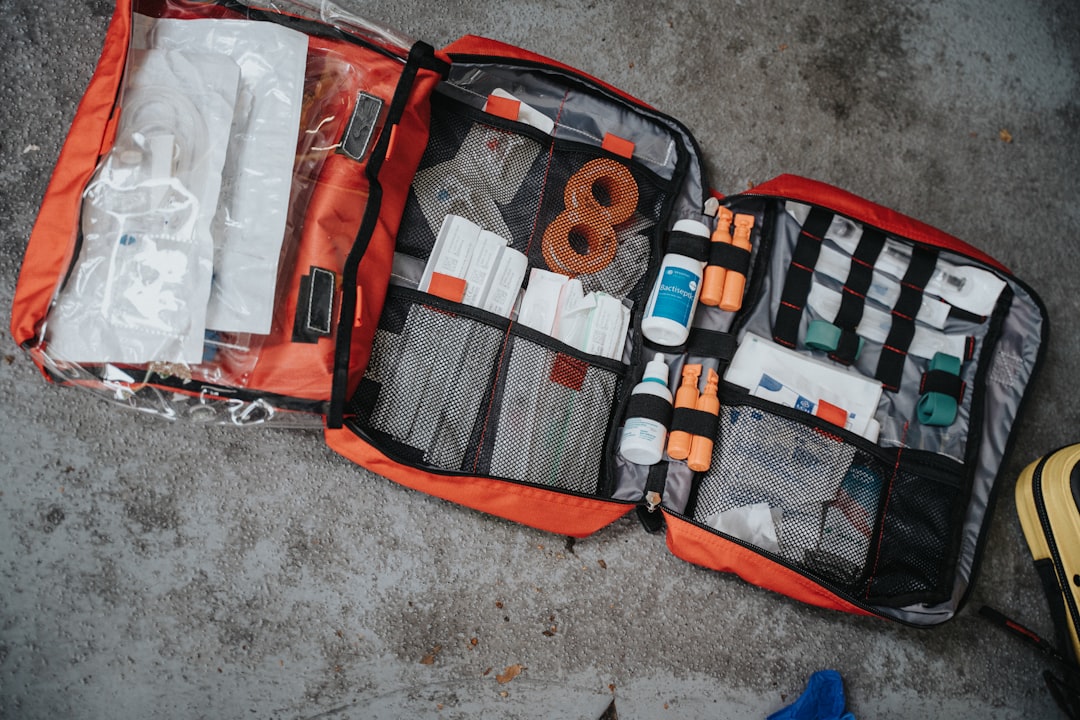
Photo by Mathurin NAPOLY / matnapo on Unsplash
Pack a compact travel medical kit tailored to your destination and health needs. This travel health checklist itemizes essentials:
- Prescription medications in labeled containers.
- Basic first-aid: adhesive bandages, sterile gauze, adhesive tape.
- Antiseptic wipes and wound gel.
- Pain relievers/fever reducers (ibuprofen, acetaminophen).
- Antihistamines and hydrocortisone cream for allergic reactions.
- Anti-diarrheal (loperamide) and oral rehydration salts.
- Motion sickness pills or wristbands as needed.
- Insect repellent (DEET or picaridin) and after-bite treatment.
- Sunscreen (SPF 30+) and lip balm with SPF.
- Thermometer and basic blister care.
Consider adding region-specific items: altitude tablets, water purification drops, or antimalarial meds. For remote trips, add suture kits and a tourniquet—only if trained.
Food, Water, and Gastrointestinal Tips (secondary keyword: travel medical kit)
Traveler’s diarrhea is common. This travel health checklist offers prevention and action steps.
- Drink bottled water in high-risk countries. Avoid ice if water source is uncertain.
- Eat hot, well-cooked food and prefer busy restaurants with high turnover.
- Peel fruits yourself and avoid raw salads in areas with poor sanitation.
- Use hand sanitizer before eating and after public contact.
- If you get sick: hydrate with oral rehydration solutions, rest, and use anti-diarrheal medication if needed.
If symptoms include high fever, bloody stool, or dehydration, seek medical care immediately.
Insect-Borne Illnesses and Prevention (travel health checklist)
Mosquitoes and ticks transmit serious diseases. This travel health checklist prioritizes prevention:
- Use insect repellent containing 20–30% DEET or 20% picaridin.
- Sleep under insecticide-treated nets where appropriate.
- Wear long sleeves and pants at dawn/dusk in high-risk zones.
- Check for ticks after hiking and remove promptly.
Vaccines and prophylaxis (e.g., malaria) are part of your travel vaccination checklist—discuss options during your pre-trip visit.
Mental Health, Jet Lag, and Sleep (secondary keyword: vaccination checklist)
A travel health checklist isn’t just physical. Mental wellbeing keeps trips enjoyable.
- Adjust sleep gradually before departure to reduce jet lag.
- Bring a small toolkit for anxiety: breathing exercises, a white-noise app, and contacts for teletherapy.
- Pack familiar comforts (favorite tea, pillowcase) to improve sleep quality.
- Keep a predictable routine—meals and movement at similar times help circadian rhythms.
If you take psychiatric medications, ensure you have enough supply and a clinician’s note for travel.
Safety, Local Care, and Emergency Response (travel health checklist)
Knowing how to access care locally is a vital part of any travel health checklist.
- Research local hospitals, clinics, and emergency numbers before arrival.
- Save embassy or consulate contacts for serious situations.
- Understand local ambulance services—some require payment upfront.
- Use TravelDeck’s itinerary planning feature to add medical facility stops and share them via the shared gallery so travel companions know your plan.
For severe symptoms (difficulty breathing, chest pain, severe bleeding), prioritize immediate emergency care.
Practical Tips for Families and Kids (travel health checklist)
Travel with children requires extra preparation.
- Pack age-appropriate medications and dosing devices.
- Bring favorite snacks and hydration options to prevent upset stomachs.
- Confirm pediatric vaccine requirements and carry vaccination records.
- Sun protection and insect precautions adjusted to size and skin sensitivity.
For infants, plan feeding, formula, and safe water sources in advance.
Safe Medication Practices Abroad (travel health checklist)
Keep medications secure and effective.
- Store meds in original packaging with labels.
- Keep temperature-sensitive drugs in insulated pouches.
- Avoid storing important meds in checked baggage.
- Know local laws about controlled substances—carry documentation.
If you lose medication, contact your embassy and local pharmacies; TravelDeck’s AI guides can help identify nearby pharmacies and clinics.
Common Small-Ailment Fixes and When to Seek Care
This travel health checklist helps decide when to self-treat vs. see a clinician:
- Minor cuts, mild diarrhea, and headaches: use home remedies and over-the-counter medicines.
- Fever >38.5°C (101.5°F), severe stomach pain, dehydration, persistent vomiting: seek medical attention.
- Signs of infection (spreading redness, pus, fever): get professional care.
Document any care received and track expenses—TravelDeck’s expense splitting feature helps keep medical costs organized with travel companions.
Environmental Risks and Activity-Specific Advice (travel health checklist)
Adapt the checklist for activities like diving, trekking, or urban travel.
- Diving: get a medical clearance if you have lung, heart, or seizure conditions.
- Trekking: acclimatize to altitude, understand AMS symptoms, bring altitude medication if prescribed.
- Urban travel: be aware of pollution levels—carry masks and limit strenuous activity on high-air-pollution days.
Post-Trip: Monitor and Report Illness
Some infections appear after you return home. This travel health checklist includes post-trip steps:
- If symptoms develop within weeks of travel, tell your clinician about recent destinations and exposures.
- Report serious travel-acquired infections to public health authorities if required.
- Keep records of care received abroad for follow-up and insurance claims.
Smart Tech to Support Health While Traveling
Use technology to enhance your travel health checklist.
- Telemedicine: schedule virtual consults while abroad for non-emergent issues.
- Health apps: store medical info, vaccine records, and medication reminders.
- TravelDeck: use itinerary planning to layer medical checkpoints into your trip, share a health plan in the shared gallery, and rely on AI guides for local medical resources.
Real-Life Scenarios and Quick Decision Flow
These scenarios illustrate how a travel health checklist shortens decision time and reduces panic.
Packing Light Without Compromising Health (linking to packing guides)
You don’t need a pharmacy’s worth of supplies. Use this travel health checklist to strike balance.
- Prioritize multi-use items (antiseptic that’s also good for insect bites).
- Combine personal dosages into a slim pill organizer.
- For more packing strategies, see Smart Travel Hacks: Pack Light, Save Time, and Stress Less and use TravelDeck to track essential items.
If you want trip-specific packing lists, check Packing for the Unexpected: Flexible Lists for Any Trip.
Conclusion — Use This Travel Health Checklist Every Time
A proactive travel health checklist reduces risk and keeps you focused on the experience. From pre-trip vaccines to packing a compact travel medical kit and knowing when to seek care, these steps protect your body and calm your mind.
Remember: the travel health checklist is a living tool—update it for each trip, activity, and traveler in your group.
Try TravelDeck to embed your travel health checklist into itineraries, share it with companions through the shared gallery, split emergency expenses, and consult AI guides for local medical help. Plan well, travel safely, and return with stories, not regrets.
Call to action: Ready to build your personalized travel health checklist? Visit https://traveldeck.ai and start planning with smart health integrations and AI guidance.