Packing for the Unexpected: Flexible Lists for Any Trip
Packing for the Unexpected: Flexible Lists for Any Trip
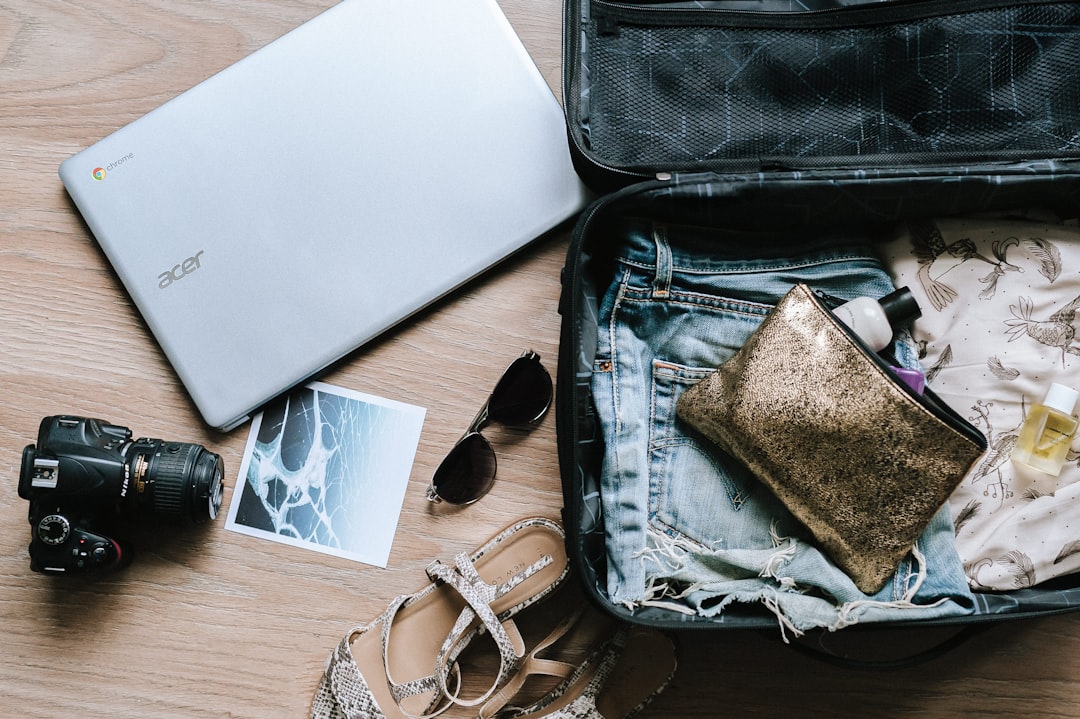
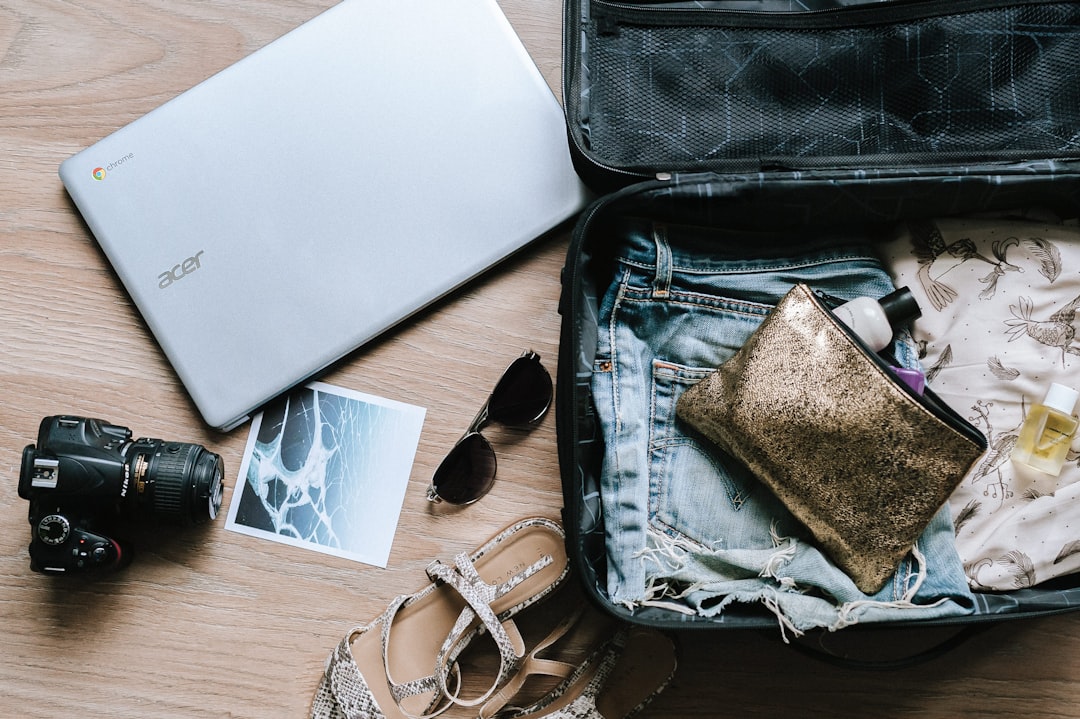
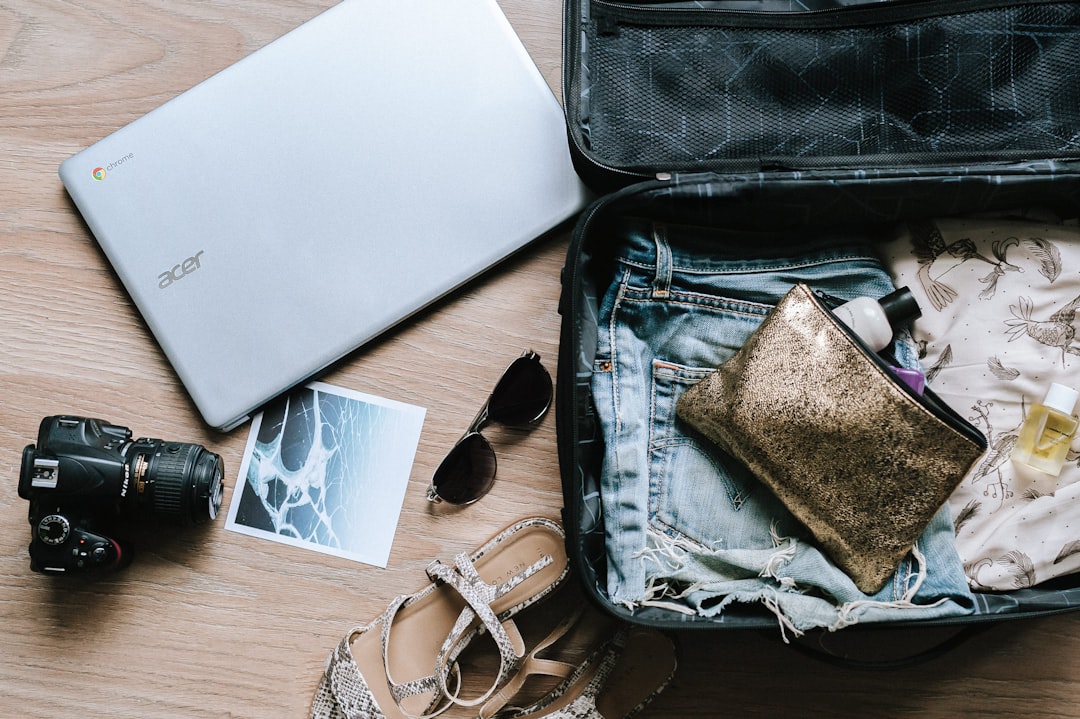
Photo by Anete Lūsiņa on Unsplash
Travel rarely follows a script. Flights delay, weather changes, and spontaneous invitations to hike or dine at a rooftop bar can turn a carefully curated suitcase into a puzzle. This guide teaches modular packing strategies and flexible lists so you’re ready for the detours without hauling everything you own.
Why flexible packing matters
Rigid packing lists force you to guess your exact itinerary days or weeks in advance. Flexible packing uses "modules"—small interchangeable kits that cover common needs (sun, rain, evening, active). Swap modules depending on daily plans rather than packing a new bag for every scenario.
I use this approach for weekend city breaks, multi-climate trips, and surprise outdoor days. It saves space, reduces stress, and keeps your bag balanced.
Build your core and modules
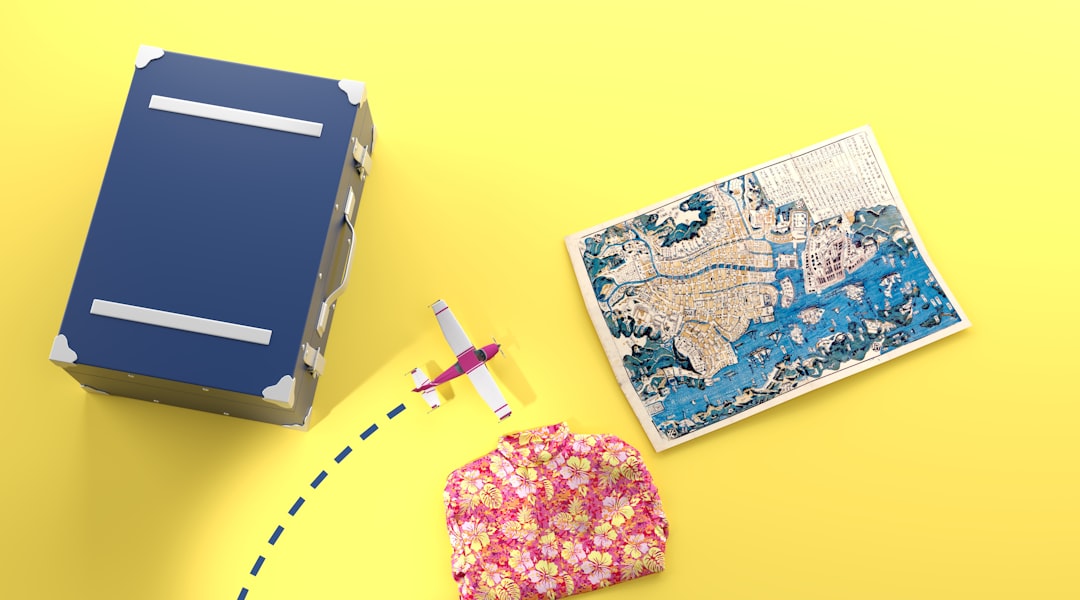
Photo by Mehdi Mirzaie on Unsplash
Start with a compact foundation and add modular kits for activities.
- Core (always packed):
- Underlayers and socks
- Travel documents, phone, charger, compact power bank
- Minimal toiletries (solid shampoo bar, toothbrush, multi-purpose balm)
- Packable daypack or tote
- Small first-aid/med kit
- Modules (choose 1–3 depending on trip):
- Rain module: packable rain jacket, waterproof pouch for electronics
- Active module: trail shoes, moisture-wicking socks, micro gaiters
- Evening module: one smarter outfit, foldable flats or loafers, compact wrinkle spray
- Tech/photo module: extra SD card, lightweight tripod, cable organizer
Swap modules at the last minute. If the forecast changes, you only add the rain module instead of a whole second suitcase.
Smart packing strategies that save space
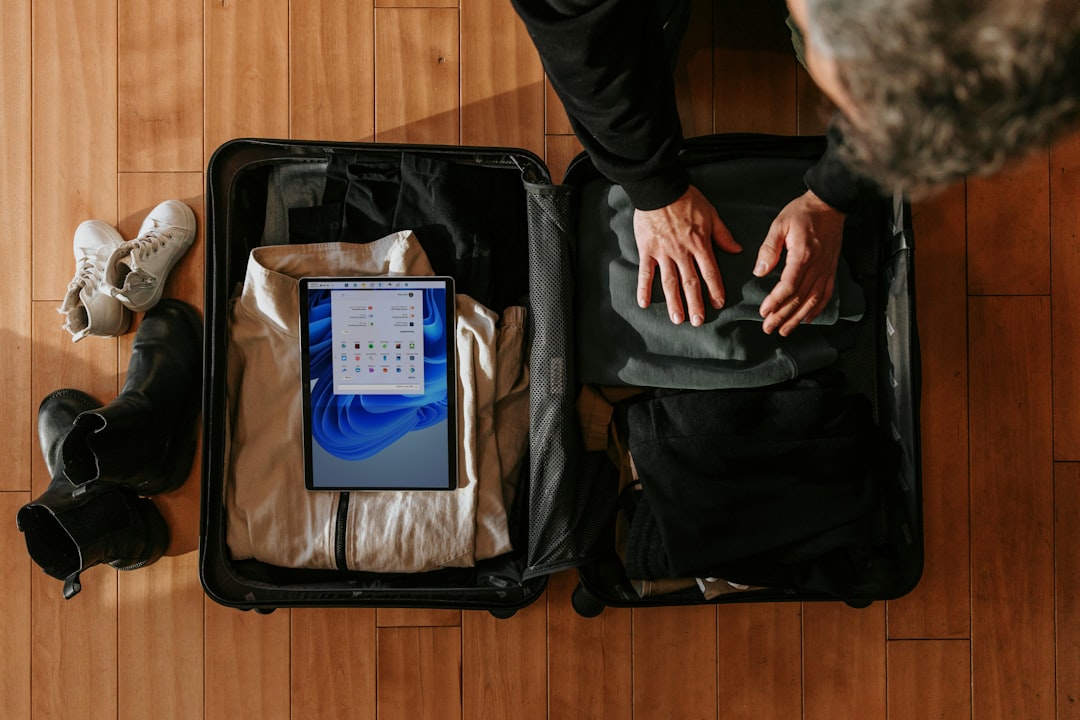
Photo by Surface on Unsplash
- Roll, then compress: Roll clothes and put them inside a small compression cube to save room without crushing fabrics.
- Use packing cubes by function, not outfit. One for underwear, one for tops, one for modules.
- Wear your bulkiest items on travel days (boots, jacket) to save bag space.
- Choose multi-use items: a sarong as picnic blanket, a sweater that doubles as a pillow, shoes that go dressy or casual.
- Limit shoes to two pairs for most trips; three if you need specialized footwear.
Packing strategies for different trip types (modular examples)
- City break (3–5 days): Core + Evening module + Tech/photo module
- Beach + day trips: Core + Sun module + Light rain module
- Mixed-adventure (city + one hike): Core + Active module + Evening module
- Cold-climate escape: Core upgraded with insulated base layers + tech module
- Business travel with flexible free time: Core + Evening module + Tech/photo module
The carry-on-first mindset
Always pack as if you may need to gate-check your luggage, or be rerouted with only carry-on access. This reduces stress from delays and makes those unexpected layovers much more comfortable.
Carry-on packing tips:
- Bring a change of clothes, essential meds, important documents, and a compact toiletry kit in liquids-compliant containers.
- Keep valuables and fragile electronics in your personal item.
- Use a slim, zippered pouch for chargers and cables so you can grab them quickly for charging stops.
Personal-feeling tips I actually use
- A small zip bag for "first-day" items: toothbrush, face wipes, deodorant, and a spare T-shirt. If luggage is delayed, you can freshen up instantly.
- A “decision outfit”: pick one go-to outfit that always makes you feel like yourself. It reduces anxiety on the first day and for photos.
- Photograph contents: before you close bigger bags, take a quick photo. It helps you remember what’s inside and speeds repacking.
Tech and organization with TravelDeck in mind
Use tools that match your flexible packing approach. TravelDeck's itinerary planning helps you anticipate activity types and slot in modules efficiently. If you travel with friends, the expense splitting and shared gallery features mean you can coordinate who brings communal items (e.g., camp stove, extra sunscreen) and save space. AI guides can suggest what modules to bring based on your planned activities and weather—handy for last-minute swaps.
If you want help building a modular packing list tailored to your next itinerary, TravelDeck’s planning features make it easy to assemble and share with travel companions.
Final checklist before you zip the bag
- Check the weather and local dress norms (a quick cultural read helps—see Table Manners & Rituals: Global Etiquette Every Traveler Should Know for tips on respectful dressing).
- Confirm activity needs (hiking permits? swim shoes?).
- Put fragile items between soft clothing layers.
- Keep essentials in an easy-to-reach compartment.
Quick troubleshooting for surprise scenarios
- Forgot chargers: ask your accommodation for a spare or borrow; many airports have pay-to-charge stations.
- Sudden rain: buy a local disposable or packable poncho and add the rain module next time.
- Overpacked: remove one module before leaving and store in a compression bag inside your luggage.
Flexible, modular packing turns unpredictability into part of the fun. You’ll move lighter, respond faster, and enjoy more spontaneous moments.
Ready to plan a trip with modular packing in mind? Try TravelDeck to build itineraries, organize who brings what, and use AI guides to refine your modules. Start planning at https://traveldeck.ai