Table Manners & Rituals: Global Etiquette Every Traveler Should Know
Why etiquette matters more than rules
Photo by Ling App on Unsplash
Travel isn't just about seeing landmarks—it's about connecting with people. Small gestures, like how you eat, greet, or photograph someone, can open doors or cause offense. This guide focuses on table manners, greeting rituals, and daily customs that travelers commonly encounter, with practical tips to help you navigate unfamiliar social terrain.
Eating together: food rituals that reveal culture
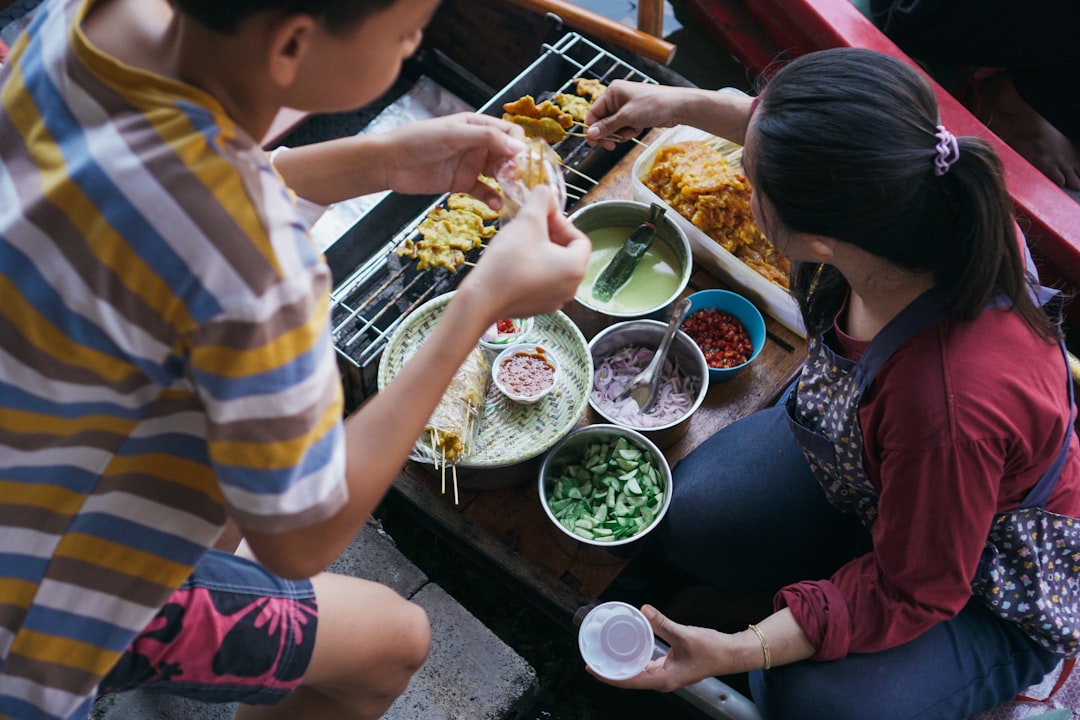
Photo by Manki Kim on Unsplash
Food is often where etiquette is most visible. Pay attention—table behavior communicates respect, identity, and belonging.
- Japan: Silence and gratitude
- Ethiopia: Shared platters
- Middle East & North Africa: Hospitality and refusal
- India: Hands, not forks
Practical tips:
- When in doubt, watch others first. Mirroring locals is often the safest move.
- Learn a couple of phrases of gratitude in the local language; it goes a long way.
- Carry a small pack of wet wipes—handwashing customs vary, and you’ll often be eating with your hands.
Greeting customs: how to say hello respectfully
A greeting sets the tone for any interaction. Some countries value physical touch; others prefer distance.
- France: Light cheek kisses (la bise) are common among acquaintances, but let locals initiate.
- Middle East: Same-sex handshakes are normal; cross-gender contact can be sensitive.
- Thailand: The wai (pressing palms together) is a polite, non-contact greeting.
- New Zealand (Māori): A hongi (nose press) is a ceremonial greeting—only if you're invited to participate.
Practical tips:
- If someone extends a hand, mirror it. If they don't, a nod or verbal greeting is fine.
- Watch for nonverbal cues—body orientation and eye contact give clear signals.
Dress and body language: respect through appearance
Clothing and posture often carry cultural meaning.
- Religious sites: Many places require covered shoulders and knees. Bring a lightweight scarf for quick coverage.
- Feet: In many Asian and Middle Eastern cultures, feet are considered unclean—avoid pointing them at people or sacred objects.
- Personal space: Latin America tends to be more tactile; Northern Europe prefers more distance.
Practical tips:
- Pack a neutral layering piece that can serve as modesty cover or warmth.
- Observe how locals sit and gesture; adapt to reduce awkwardness.
Photography etiquette: ask before you shoot
Photos can capture memories but also cross boundaries.
- Markets & portraits: Ask permission before photographing people. A quick smile and a raised camera can work, but when in doubt, ask.
- Sacred rituals and temples: Photography may be forbidden during ceremonies—respect signs and attendants.
- Drones: Rules vary widely; check local laws and keep away from crowds.
Practical tips:
- Learn the phrase "May I take your photo?" in the local language.
- Offer to show the photo afterward; it’s a friendly exchange that can lead to conversations.
Gift-giving & tipping: money and presents with nuance
What counts as polite varies.
- Japan: Gifts are given and received with both hands; modesty about the gift is common.
- China: Avoid giving clocks or sharp objects—these carry unlucky connotations.
- Tipping: In some countries (e.g., Japan) tipping can cause confusion; in others (e.g., US) it’s expected.
Practical tips:
- Research tipping norms ahead of time—your Travel Safety Off the Beaten Path: Practical Health & Security Tips guide can help with country-specific precautions.
- Small, thoughtful gifts from your home country can be appreciated—package them nicely.
Social media, privacy, and consent
Sharing travel photos is normal, but cultural expectations about privacy differ.
- Some communities consider photos of children or ceremonies private.
- When posting group trip images, use tools to confirm consent—especially if images will be public.
Practical tips:
- Use TravelDeck’s shared gallery to collect trip photos with consent from your group, making it easy to manage and share images respectfully.
- For groups, agree on a photo policy before the trip to avoid awkwardness.
Handling mistakes gracefully
You will misstep sometimes. How you recover matters more than perfection.
- Apologize simply and sincerely. A short, polite phrase in the local language can diffuse tension.
- Show curiosity—asking questions about the correct behavior signals respect.
- Use humor cautiously; not all cultures respond to self-deprecation the same way.
Use tech smartly: plan with respect
Technology can help you prepare. Use tools that integrate cultural tips into planning.
- Build local etiquette reminders into your itinerary planning with TravelDeck so you don’t forget key customs before activities or meals.
- Use AI guides to get quick cultural dos and don’ts for neighborhoods, saving you from common faux pas.
- Split expenses respectfully—TravelDeck’s expense splitting keeps money matters transparent, avoiding awkwardness around who pays.
Final practical checklist before you go
- Learn 5-10 polite phrases in the local language.
- Pack a lightweight scarf or wrap for modesty or temple visits.
- Research table manners and tipping norms for your destination.
- Prepare to ask permission before photographing people or rituals.
- Agree on a photo-sharing policy with travel companions.
Parting thought
Etiquette is a living exchange—less about flawless performance and more about showing respect and curiosity. Approach customs with humility, and you’ll unlock deeper experiences and friendships.
Ready to travel with confidence? Use TravelDeck to build itinerary reminders for cultural notes, manage expenses, and keep a shared gallery of memories. Start planning at https://traveldeck.ai and bring respectful curiosity on your next trip.