How to Prepare for Japan: Practical Steps Before You Go
How to Prepare for Japan: Practical Steps Before You Go
Planning a trip to Japan is exciting, and knowing how to prepare for Japan properly makes the experience smoother and more joyful. This guide covers step-by-step planning, cultural prep, packing strategy, money and transport logistics, and on-the-ground tips. Use this as your go-to Japan travel playbook so you arrive confident and ready to explore.
Why you should prepare for Japan before arrival
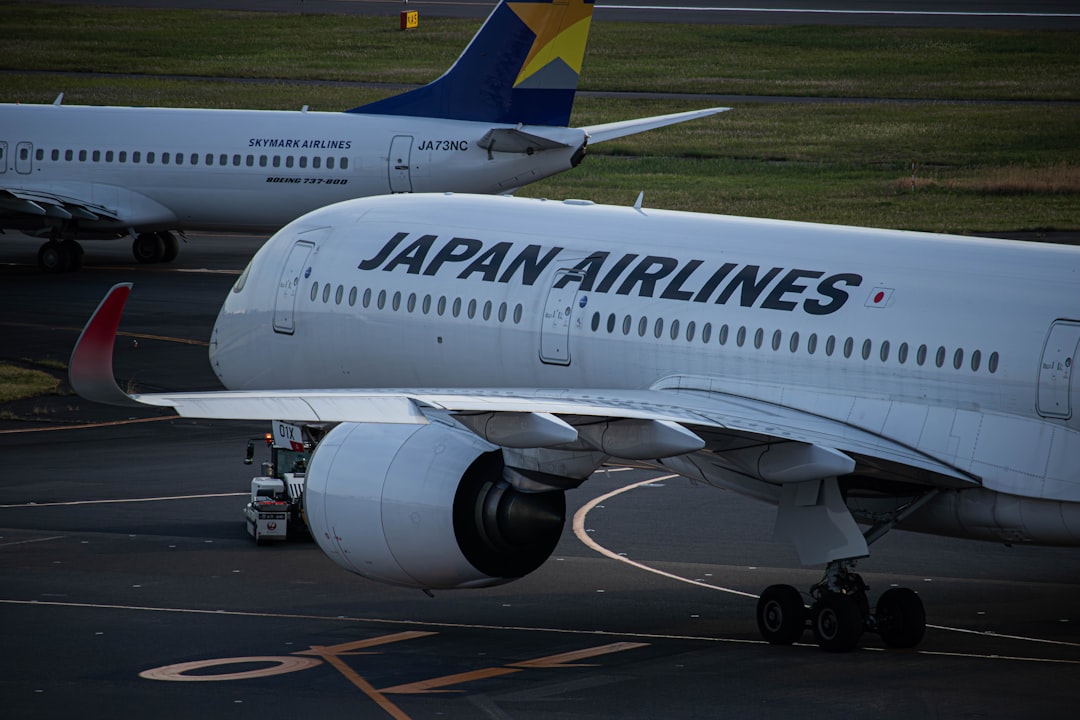
Photo by Ryuno on Unsplash
Japan blends ultra-modern convenience with deep-rooted tradition. That unique mix means a little extra research and planning goes a long way. When you prepare for Japan, you minimize surprises, enjoy cultural interactions, and save time and money during the trip. Whether it’s setting up a SIM card, buying a rail pass, or brushing up on etiquette, small preparations deliver big rewards.
Quick checklist: Essentials to prepare for Japan
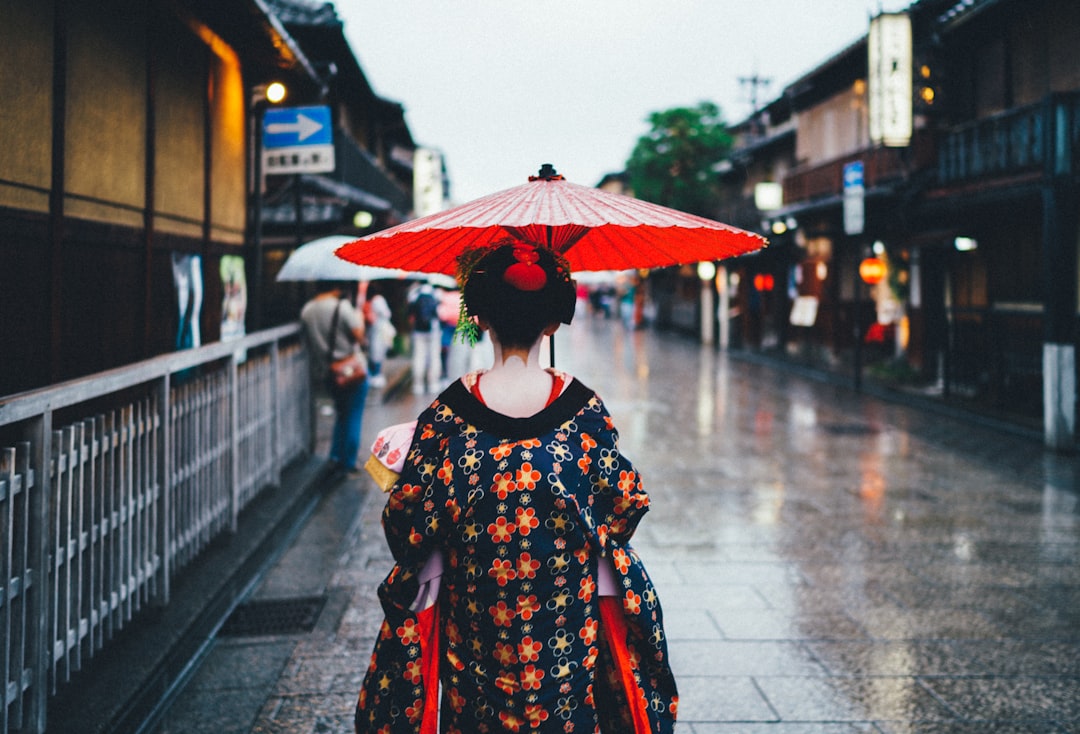
Photo by Tianshu Liu on Unsplash
- Passport validity (check 6+ months).
- Visa requirements for your nationality.
- International health insurance and vaccinations.
- Notifications for your bank cards and access to cash.
- Pocket Wi-Fi or local SIM arranged in advance.
- Japan Rail Pass or regional passes purchased if needed.
- Download maps, transit apps, and translation tools.
- A lightweight phrasebook or phrase app for basic Japanese.
This short Japan travel checklist helps you prioritize. For deeper health prep, see Travel Health Checklist: Pack, Prep, and Stay Well Abroad.
Booking and timing: When to arrange things

Photo by freestocks on Unsplash
If you’re traveling during cherry blossom season or Golden Week, book far earlier. Popular ryokan and Michelin restaurants sell out quickly.
Money matters: How to manage cash and cards
Japan is shifting toward cashless, but many places—especially small shops, rural areas, and some temples—still prefer cash.
- Notify your bank to avoid card blocks.
- Carry a small amount of yen on arrival; ATMs at 7-Eleven and Post Offices accept foreign cards.
- Consider a travel-friendly debit card for ATM withdrawals and a credit card with no foreign transaction fee.
Planning finances well is part of how to prepare for Japan: set a budget, factor in transport passes, and anticipate occasional cash-only purchases.
Connectivity and devices: Stay online easily
Staying connected helps with maps, translations, and bookings. Options:
- Pocket Wi-Fi: Good for groups and heavy users.
- Local SIM: Convenient for solo travelers with unlocked phones.
- eSIM: Fast to set up if your device supports it.
Download offline maps and save key addresses before you leave. TravelDeck’s AI guides and itinerary planning features are also useful once you’re online.
Transportation planning: Master trains and local transit
Japan’s public transit is efficient but has nuances.
- Learn how to use IC cards (Suica, Pasmo) for easy local travel.
- If traveling between cities, evaluate a Japan Rail Pass versus individual tickets.
- For regional exploration, look into regional passes.
- Reserve seats on long-distance trains during busy seasons.
When you prepare for Japan transit-wise, you’ll move faster and stress less. Consider buying a JR Pass before arrival if you plan long-distance travel.
Accommodation: Choose the right base
Decide whether you want a city-center hotel, a traditional ryokan, or an Airbnb. Each offers different experiences.
- Ryokan: Book in advance, and check whether meals are included.
- Business hotels: Convenient and cost-effective for city stays.
- Apartments/Airbnbs: Great for longer stays or groups.
Location matters: staying near a major train line reduces transit time and simplifies day trips.
Cultural prep: Small gestures matter
Brush up on basic Japanese etiquette to show respect and avoid awkward moments.
- Remove shoes where required and follow bathing rules in onsens.
- Learn simple phrases: “arigato” (thank you), “sumimasen” (excuse me/sorry), and “onegaishimasu” (please).
- Be mindful of noise on trains and phone etiquette in public spaces.
For deeper etiquette around dining and rituals, see Table Manners & Rituals: Global Etiquette Every Traveler Should Know.
Packing smart: What to bring and what to leave
Packing for Japan has some unique considerations:
- Comfortable walking shoes for cobblestones and long subway transfers.
- Layered clothing: temperatures can shift quickly.
- A slim umbrella or compact rain jacket for sudden showers.
- Adapters and power banks; Japan uses Type A plugs (100V).
- Reusable shopping bag for zero-waste stores and convenience.
If you want flexible packing ideas for different trip lengths, our approach echoes principles from Packing for the Unexpected: Flexible Lists for Any Trip.
Health and safety: Be ready for the unexpected
Japan is generally safe, but prepare for small health needs:
- Carry a basic first-aid kit and any prescription medication with a copy of your prescription.
- Purchase travel insurance that covers medical evacuation.
- Note emergency numbers: 110 (police), 119 (fire/ambulance).
For a complete health checklist before international travel, consult Travel Health Checklist: Pack, Prep, and Stay Well Abroad.
Food and dining: How to maximize culinary experiences
Eating well in Japan is a highlight. Prepare for Japan dining by:
- Learning the basics of how to order and common menu items.
- Making reservations for popular sushi counters and kaiseki restaurants.
- Sampling regional specialties—ramen styles change prefecture to prefecture.
Consider trying izakayas for an authentic local dining vibe. Carrying a translation app helps with menus that lack English.
Practical tech: Apps and digital tools to use
Install these before departure:
- Google Maps (download offline areas).
- HyperDia or Jorudan for train schedules (or use Google in many cases).
- A translation app with camera text recognition.
- TravelDeck app for itinerary planning, expense splitting, shared gallery uploads, and AI guides.
Using digital tools effectively is a major part of how to prepare for Japan and reduces friction once you arrive.
Money-saving tips and timing
- Buy a regional rail pass instead of single tickets if you’re staying local.
- Eat at lunchtime for set meals (teishoku) that offer great value.
- Visit museums or attractions on discount days or free entry events.
Balancing convenience and costs is key—mix local budget options with a few splurges.
Packing light for Japan: Minimalist strategies
Japan’s laundromats and convenience services make traveling light feasible.
- Pack clothing that layers and mixes well.
- Choose a capsule wardrobe with quick-dry fabrics.
- Use packing cubes to stay organized.
If you enjoy ultra-budget travel, many principles overlap with Micro-Adventures: Ultra-Budget Travel That Feels Luxurious.
Accessibility and special needs
Japan’s infrastructure is improving but varies by region.
- Check accommodation accessibility in advance.
- Many train stations have elevators, but some older stations may not.
- Contact attractions to confirm accessibility options.
Planning ahead ensures a smoother, more comfortable experience.
Sustainable travel practices in Japan
Respect natural sites and local communities:
- Dispose of trash properly—public bins are rare; plan to carry waste until you find a bin.
- Support local businesses and artisans.
- Use refillable bottles and minimize single-use plastics.
Small choices help preserve Japan’s landscapes and culture for future travelers.
Sample 7-day itinerary to prepare around logistics (example)
Day 1: Tokyo arrival — activate pocket Wi-Fi/SIM, pick up IC card, neighborhood walk.
Day 2: Tokyo — temples, markets, and a ramen lunch.
Day 3: Day trip to Nikko or Kamakura by train.
Day 4: Shinkansen to Kyoto — check into ryokan and stroll Gion.
Day 5: Kyoto — temples, tea ceremony reservation.
Day 6: Nara or Osaka day trip — try street food in Dotonbori (Osaka).
Day 7: Return to Tokyo or fly out from Kansai. Final souvenir shopping.
This simple plan shows how to prepare for Japan pacing-wise: balance big-city days with slower cultural experiences.
Common mistakes travelers make and how to avoid them
- Overplanning every hour: leave room for spontaneity.
- Relying solely on cards: keep cash handy.
- Waiting to buy passes after arrival: sometimes more expensive.
- Not learning basic phrases: simple greetings unlock warmer interactions.
Avoiding these pitfalls is central to how to prepare for Japan well.
Personal tips from seasoned travelers
- Learn to love walking; you’ll discover hidden shrines and cafes.
- Pack a light, foldable tote for groceries and souvenirs.
- Wake early for quieter temple visits and better photos.
These small habits make the trip feel more immersive and less rushed.
Using TravelDeck to streamline preparation
TravelDeck helps you transform research into a ready-to-use itinerary. Use TravelDeck to:
- Build an AI-guided itinerary and adjust it with friends.
- Split expenses and keep group budgets clear.
- Store photos in a shared gallery and access offline maps.
Mention TravelDeck features in your prep routine to save time and reduce logistics stress.
Final checklist before departure
- Copies of passport and important documents.
- Confirmed reservations and digital copies.
- Local currency and backup cards.
- Phone set up with SIM/eSIM or pocket Wi-Fi arranged.
- A comfortable day bag with essentials.
Double-checking this list is the last step to prepare for Japan confidently.
Conclusion: Confident, prepared, and ready to explore
When you prepare for Japan with practical planning and a flexible mindset, you’ll enjoy the country’s contrasts with ease. Follow the steps above, download the right apps, and leave room for unexpected delights.
Ready to turn this plan into a trip? Use TravelDeck to build your itinerary, split expenses, and share photos with travel companions. Start planning at https://traveldeck.ai and make your Japan trip effortless.
Safe travels and enjoy every moment of your Japan adventure.