Sardegna da Scoprire: Hidden Beaches, Nuraghi & Flavors
Sardegna da Scoprire: beyond the postcard
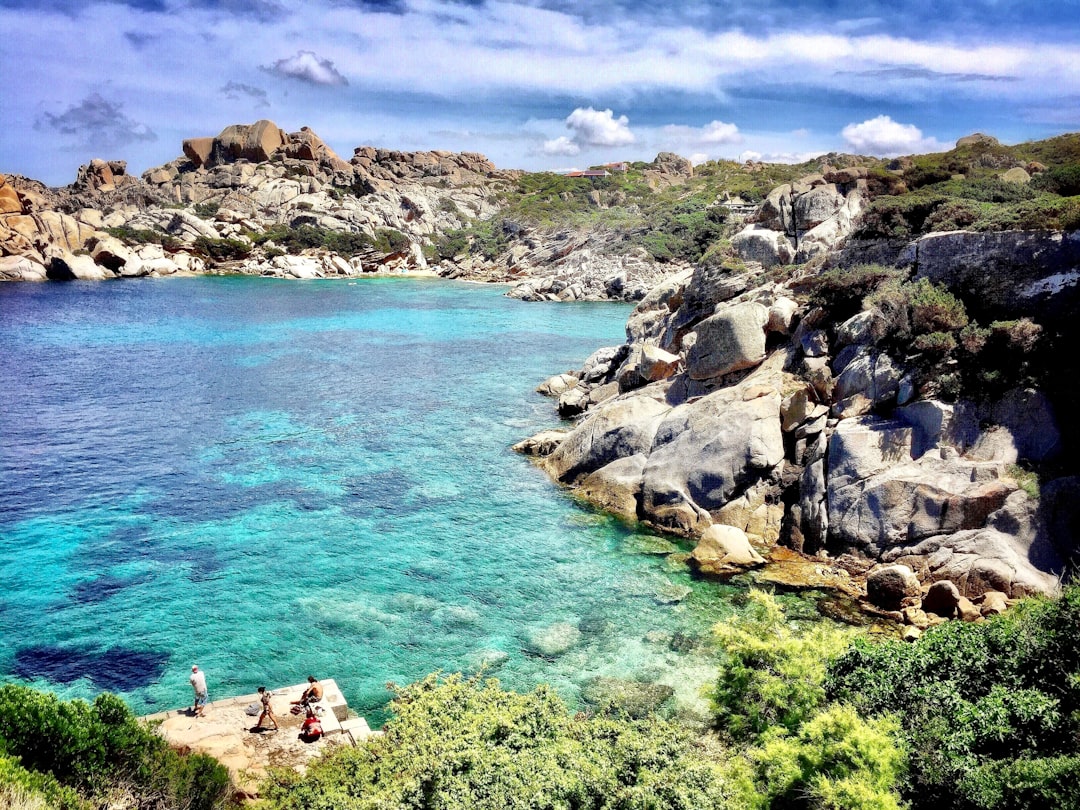
Photo by Massimo Virgilio on Unsplash
Sardinia (Sardegna) is more than turquoise seas and glamorous marinas. "Sardegna da scoprire" invites you to explore hidden beaches, inland archaeology, artisan food trails, and the island’s quieter rhythms. This guide mixes practical tips, local-feeling advice, and hands-on ideas to help you build an immersive trip — whether you have three days or three weeks.
Why go off the beaten path?
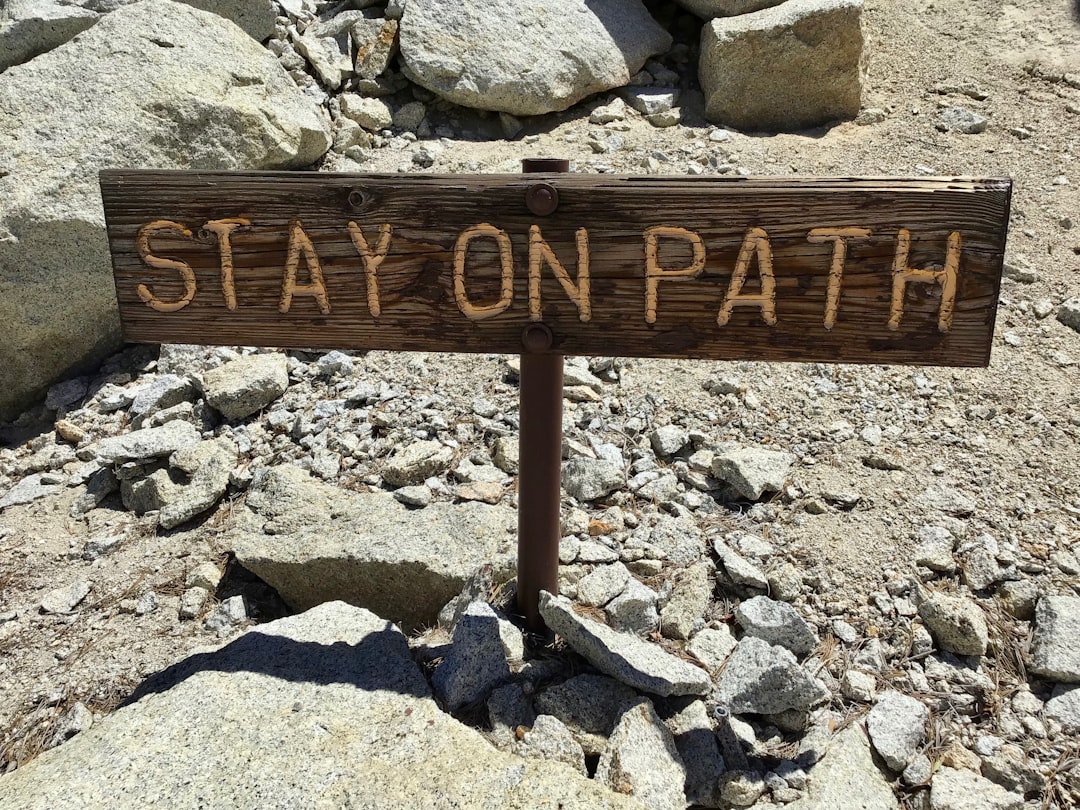
Photo by Donna Elliot on Unsplash
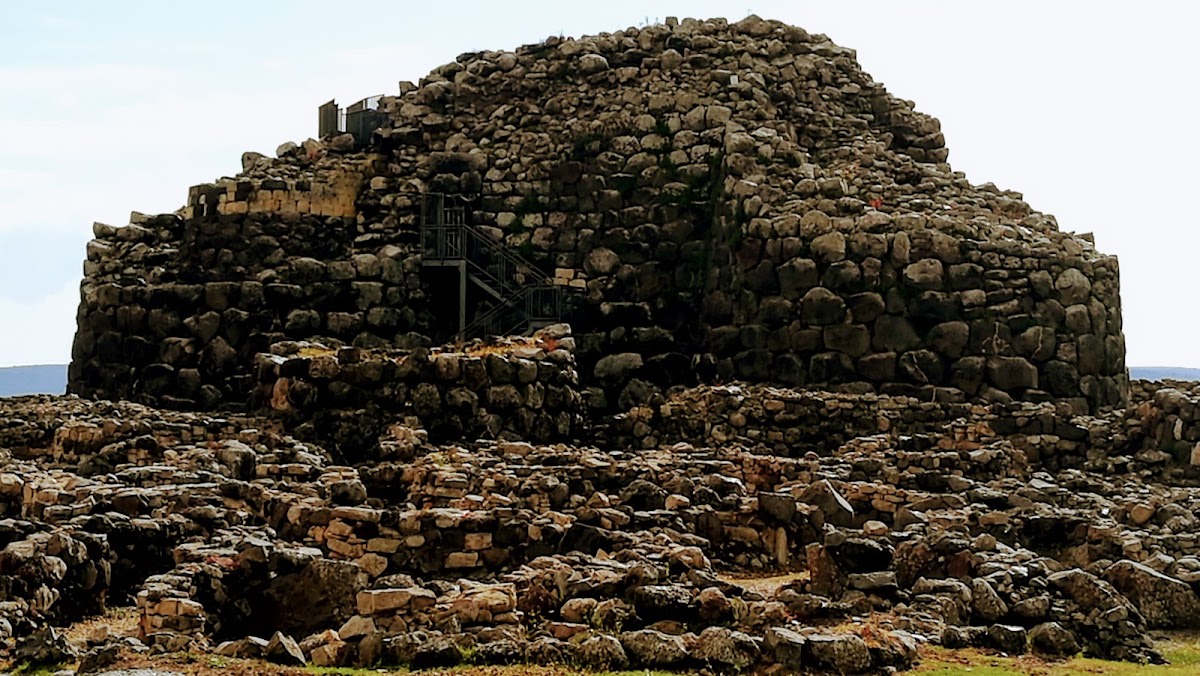
Most visitors stick to Costa Smeralda and summer beach towns. Venture inland and west for dramatic coasts, shepherd villages, and Bronze Age nuraghi (stone towers). You’ll find fewer crowds, stronger flavors, and stories that feel uniquely Sardinian.
Where to focus your time

Photo by Danielle Smit on Unsplash
- Northeast (La Maddalena & Gallura): Gorgeous granite coastlines, sailing, and smaller beaches like Cala Spinosa.
- Northwest (Alghero & Capo Caccia): Catalan-influenced Alghero, sea caves, and dramatic sunsets.
- Central interior (Nuoro province): Nuraghi sites, pastoral landscapes, and traditional festivals.
- Southeast (Ogliastra & Villasimius): Remote coves, hiking trails, and crystal-clear snorkeling spots.
Mix a coastal base with a night or two inland to balance beaches with culture.
Highlights not to miss
- Nuraghe Su Nuraxi (Barumini): A UNESCO site and the best introduction to Sardinia’s Bronze Age architecture.
- Cala Luna and Cala Goloritzé: Iconic coves reached by boat or hike — go early or late to avoid crowds.
- Gennargentu mountains: Short hikes and pastoral villages; perfect for a quieter day away from the coast.
- Local markets: Try pane carasau (crispy flatbread), seadas (cheese pastry with honey), and bottarga (cured mullet roe).
Practical travel tips
- Car rental is nearly essential. Public transport exists but can be sparse between villages.
- Seasonality: Peak season is July–August. May–June and September–October are golden: good weather and fewer tourists.
- Cash economy: Many small shops and agriturismi prefer cash — withdraw on arrival.
- Respect private coasts: Some beautiful beaches are reached via private estates; follow signs and local rules.
Sample 7-day Sardegna da scoprire itinerary
Day 1: Olbia arrival, explore the old town, stock up on local supplies.
Day 2: Drive to La Maddalena archipelago — boat tour or ferry and island-hopping.
Day 3: Head west to Castelsardo/Capo Testa for dramatic rock formations and quiet bays.
Day 4: Ferry across to Alghero, wander the old walls and dine on fresh seafood.
Day 5: Inland to Nuoro province — visit nuraghe sites and a local bakery for fresh pane carasau.
Day 6: Hike a Gennargentu trail or explore the coast near Cala Gonone.
Day 7: Return toward Cagliari (or your departure point) with a final stop at a coastal winery.
Adapt the loop depending on arrival airport (Olbia, Alghero, or Cagliari) and whether you want more beach or more inland time.
Food, wine, and local rituals
Sardinian cuisine is rustic and tied to place. Seek out:
- Agriturismi for home-cooked meals and rural stays.
- Pastas like culurgiones (stuffed) in the east and malloreddus (gnocchetti) across the island.
- Sheep’s cheese (pecorino) and simple, fresh seafood.
Time a visit for a festa (local festival) — village celebrations offer the best chance to taste traditional dishes and witness folk music.
Practical safety & comfort notes
Sardinia is generally safe, but remote roads can be narrow and poorly lit. Drive defensively, plan fuel stops, and download offline maps. If you’re hiking or snorkeling, tell someone your plan and check local weather.
If you want a quick primer on staying safe off the beaten path, our guide Travel Safety Off the Beaten Path: Practical Health & Security Tips covers essentials that pair well with this island itinerary.
How to plan like a local (tools & tips)
- Use a flexible itinerary: Sardinia rewards slow travel. Build a core plan and a few backup options for weather.
- Book one or two key experiences in advance (boat trips, popular grottos) but leave room to discover smaller local eateries.
- Track shared costs when traveling in a group — split fuel and group dinners easily using TravelDeck’s expense splitting feature.
- Save and share photos in a trip gallery so everyone contributes to the memories.
If you love optimizing logistics, TravelDeck’s itinerary planning and AI guides can help you build day-by-day plans that balance beaches, hikes, and food stops.
Insider tips from locals
- Visit bakeries mid-morning for the freshest pane carasau and pastries.
- Ask fishermen where they bring their catch — family-run trattorie sometimes serve the best meals not listed online.
- Try to time a coastal ferry at sunrise or sunset — the light transforms the shoreline and avoids midday heat.
Sustainable travel pointers
- Pack reusable water bottles and refuse single-use plastics — many villages provide refill stations.
- Stick to marked trails and avoid trampling dune vegetation.
- Support local guides and family-run agriturismi rather than large tour operators.
Final thoughts
Sardegna da scoprire means slowing down, embracing unexpected detours, and tasting the island’s stories through food and stone. Whether you’re drawn to ruins, remote beaches, or platefuls of pecorino, Sardinia rewards curiosity.
Ready to turn ideas into an actual plan? Use TravelDeck’s shared gallery, itinerary planning, and AI guides to craft a trip that fits your pace and interests — and keep costs clear with expense splitting.
Plan your Sardegna da scoprire with TravelDeck and start shaping an unforgettable island journey: https://traveldeck.ai