Rome Neighborhood Guide: Insider Tips for Every District
Rome Neighborhood Guide: Find the Best Areas to Stay and Explore
Planning a trip to Rome? This Rome neighborhood guide helps you choose the right area for your trip, whether you want classic landmarks, authentic food, or a quieter local vibe. Read on for insider tips, practical logistics, and sample mini-itineraries to match your travel style.
Why use a Rome neighborhood guide for your trip
A focused Rome neighborhood guide saves time, prevents disappointment, and helps you match lodging to experience. The Eternal City is a patchwork of districts — each with its personality, pace, and best times to visit. Choosing the right neighborhood can make your trip feel like living in Rome rather than just passing through.
Use a neighborhood-first approach when planning: pick an area that aligns with your priorities (history, nightlife, food, or quiet streets) and build walking-friendly days from there. If you're traveling with a group, tools that handle itinerary planning and expense splitting are invaluable; TravelDeck’s itinerary planning and expense splitting features can streamline that process and keep everyone on the same page.
Primary neighborhoods: Rome neighborhood guide to the classics
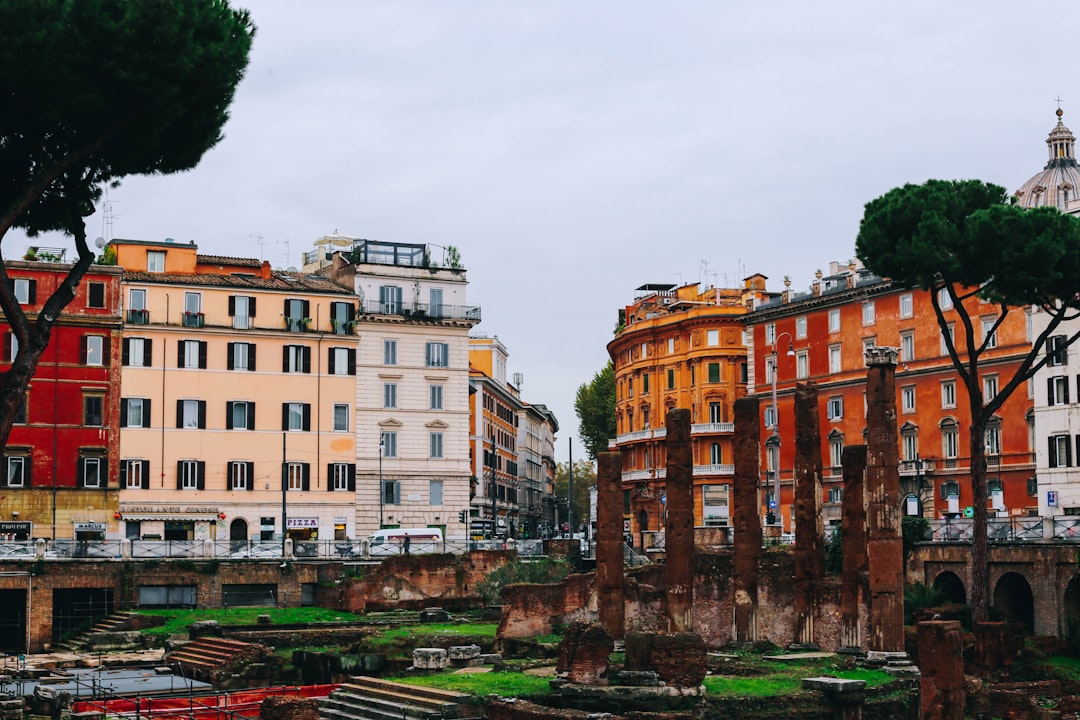
Photo by Nastya Dulhiier on Unsplash
Below are the most requested districts in Rome, arranged for easy comparison.
- Who it's for: First-time visitors who want immediate access to major sights.
- Vibe: Elegant piazzas, narrow lanes, designer shops, and centuries-old churches.
- Highlights: Pantheon, Piazza Navona, Campo de' Fiori.
- Practical tips: Walkable but busy; choose a hotel on a quieter side street. Avoid late-night noise near popular piazzas.
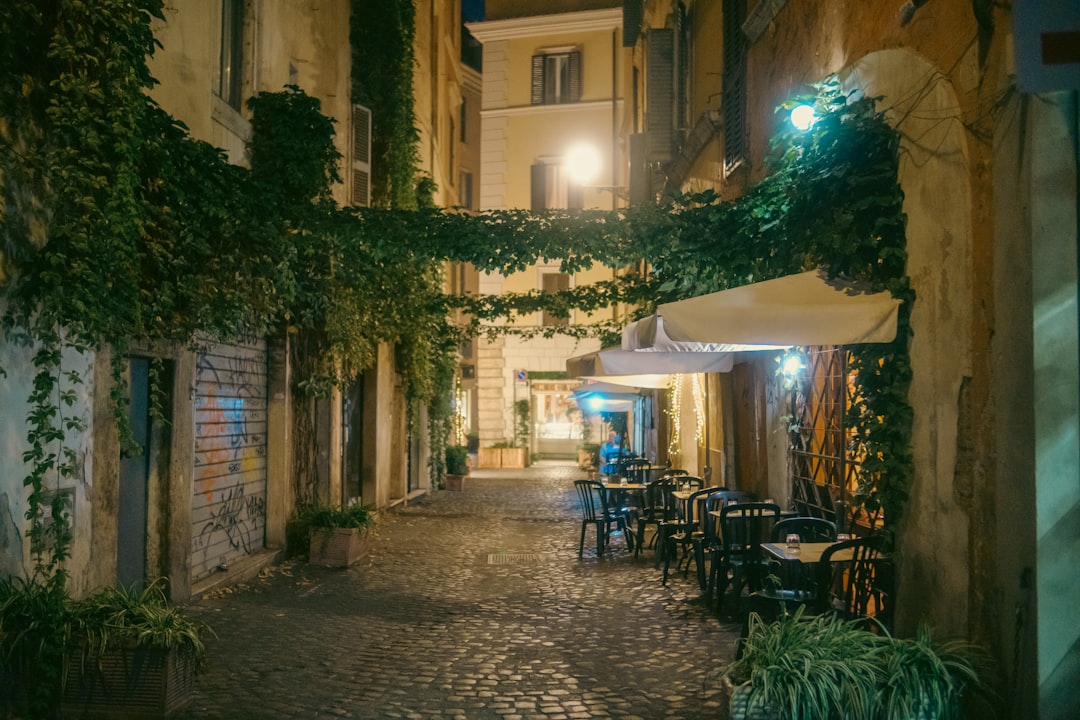
- Who it's for: Food lovers and nightlife seekers.
- Vibe: Cobblestone alleys, ivy-clad facades, lively trattorie.
- Highlights: Santa Maria in Trastevere, Villa Farnesina, local osterie.
- Practical tips: Book dinner reservations on weekends. Early mornings are serene for photos.
- Who it's for: Travelers who want boutique shopping and café culture.
- Vibe: Bohemian, artisanal, and close to the Colosseum.
- Highlights: Via dei Serpenti, vintage shops, small wine bars.
- Practical tips: Great base for exploring the Roman Forum on foot.
- Who it's for: Families and travelers seeking quieter streets with good transit.
- Vibe: Wide boulevards, refined shopping, and classic bakeries.
- Highlights: Vatican Museums are a short walk away.
- Practical tips: Many accommodation options are newer and often better value.
- Who it's for: Serious foodies and markets fans.
- Vibe: Old-school Roman neighborhood with authentic cuisine.
- Highlights: Testaccio Market, local food tours, Monte Testaccio.
- Practical tips: Dine where locals go for the best price-to-quality ratio.
- Who it's for: Culture and culinary explorers.
- Vibe: Lively markets, centuries of history, and unique eateries.
- Highlights: Fresh produce market at Campo, synagogues, and kosher bakeries.
- Practical tips: Mornings are best for market browsing; evenings buzz with dining.
How to use this Rome neighborhood guide to pick accommodation

easyHotel Dublin City Centre
- Prioritize walking distance: Rome is made for walking. If museums and ruins are your focus, prefer Centro Storico, Monti, or Prati.
- Transit access: For late flights or travel flexibility, prefer neighborhoods near Termini or Metro A/B lines.
- Noise vs. convenience: Trastevere and Campo de' Fiori are vibrant at night; choose a quieter street for sleeping.
- Budget considerations: Testaccio and parts of Prati tend to be more affordable than Centro Storico.
Sample decision flow:
Getting around: Transit tips in this Rome neighborhood guide
- Metro lines A and B cover major nodes (Termini, Ottaviano for Vatican, Colosseo for the Colosseum).
- Buses and trams fill gaps; use real-time apps for planning.
- Walking is often fastest in historic center due to traffic and narrow streets.
- Taxis are metered; ride-sharing apps are available but local rules vary.
Pro tip: Buy multi-day transport passes if you plan multiple non-walking days.
Food, markets, and where to eat by neighborhood
- Trastevere: Late-night trattorie and aperitivo bars. Try a carbonara in a family-run osteria.
- Testaccio: Markets and classic Roman dishes like cacio e pepe and tripes in traditional spots.
- Jewish Ghetto: Best-known for artichokes alla giudia and kosher options.
- Monti: Trendy bakeries and small plates; perfect for brunch.
Food tip: Book popular dinners in advance, especially in Trastevere and near Piazza Navona.
Safety, accessibility, and family-friendly notes
- Rome is generally safe by European standards; use common-sense precautions at night.
- Cobblestones and historic staircases can be hard with strollers. Choose Prati or parts of Monti for easier stroller access.
- Many churches and museums offer reduced rates for children and seniors; always carry ID.
For solo travelers looking for safety-focused advice, see our related post on solo travel safety tips: Smart Strategies for Confident Explorers.
Pocket itineraries organized by neighborhood (quick, actionable)
- Day 1 morning: Santa Maria in Trastevere, coffee at a local bar.
- Afternoon: Wander Villa Farnesina and small artisan shops.
- Evening: Dinner at a traditional trattoria, followed by a passeggiata.
- Morning: Colosseum and Roman Forum walk.
- Afternoon: Lunch in Monti, explore vintage shops.
- Evening: Wine bar crawl along Via del Boschetto.
- Morning: St. Peter’s Basilica early entry.
- Afternoon: Vatican Museums and Sistine Chapel (book timed tickets).
- Evening: Quiet riverside dinner in Prati.
Each pocket itinerary can be exported or combined into a custom plan using TravelDeck’s itinerary planning and shared gallery features.
Budgeting by neighborhood: costs and value
- Centro Storico: Higher lodging costs; expect premium prices for meals and souvenirs.
- Trastevere and Monti: Mid-range with many independent restaurants that offer good value.
- Testaccio and parts of Prati: Best value for authentic meals and quieter streets.
Expense tip: Use TravelDeck’s expense splitting to manage shared bills across restaurants and group activities.
Seasonal considerations for this Rome neighborhood guide
- Spring (Apr–Jun): Peak bloom and ideal temperatures; book early.
- Summer (Jul–Aug): Hot and crowded; evenings are lively but daytime sightseeing can be tiring.
- Autumn (Sep–Nov): Cooler weather, food festivals, great for walking.
- Winter (Dec–Feb): Cold but fewer tourists; good deals on accommodation and quiet museums.
Seasonal tip: For fewer crowds at major sights, stay in a neighborhood with strong transit links and schedule early morning visits.
Offbeat neighborhoods and micro-districts to explore
- Garbatella: A charming, lesser-known area with unique architecture and local life.
- Coppedè Quarter: Fantasy-style architecture that feels like stepping into another era.
- Ostiense: Industrial-chic with street art, food halls, and a growing nightlife scene.
These offbeat spots are great for photographers, repeat visitors, and travelers who want a different side of Rome.
Practical booking checklist for each neighborhood
- Reserve accommodations with free cancellation.
- Check proximity to metro or bus stops.
- Confirm check-in logistics for late arrivals.
- Book timed tickets for Vatican Museums and Colosseum in advance.
Need help organizing these bookings? TravelDeck’s AI guides and itinerary planner can suggest neighborhood-based day plans and automatically add reservations to a shared itinerary.
Local etiquette and cultural tips for neighborhood immersion
- Dress modestly for religious sites and silence phones inside churches.
- Learn simple Italian greetings — a friendly “buongiorno” goes a long way.
- Respect local meal times; dinner often starts later than in some countries.
For broader dining etiquette tips around the world, see Table Manners & Rituals: Global Etiquette Every Traveler Should Know.
Final checklist: choosing the right neighborhood in Rome
- Match your top three priorities (sights, food, nightlife, quiet)
- Use transit access as a tiebreaker
- Consider seasonal crowds and your travel dates
- Factor in luggage and mobility needs
When in doubt, pick central Monti or Prati for a balanced experience that combines walkability, local life, and transit access.
Conclusion: Make this Rome neighborhood guide your planning backbone
This Rome neighborhood guide is meant to help you choose a base that matches how you want to experience the city. From Trastevere’s winding alleys to Testaccio’s market stalls, each district has stories and flavors worth exploring.
Use the neighborhood tips, pocket itineraries, and transit advice here to create a trip that feels curated. Combine this guide with TravelDeck’s itinerary planning, expense splitting, and AI guides to build a smooth, memorable Roman escape. Ready to turn your neighborhood picks into a full plan? Try TravelDeck now at https://traveldeck.ai and start building your Rome plan in minutes.
Safe travels — and buon viaggio!