
Best Travel Credit Cards and Points 2026: Smart Ways to Use Rewards
Introduction

Photo by Barbara Maier on Unsplash
Ever wondered how a single credit card can quietly shave hundreds off a vacation? The right card — and the right plan — can convert everyday purchases into flights, hotel nights, and upgrades. In this guide on best travel credit cards and points I break down how to choose cards in 2026, stack benefits, and actually use points so they feel like real money when you travel.
Why points matter in 2026
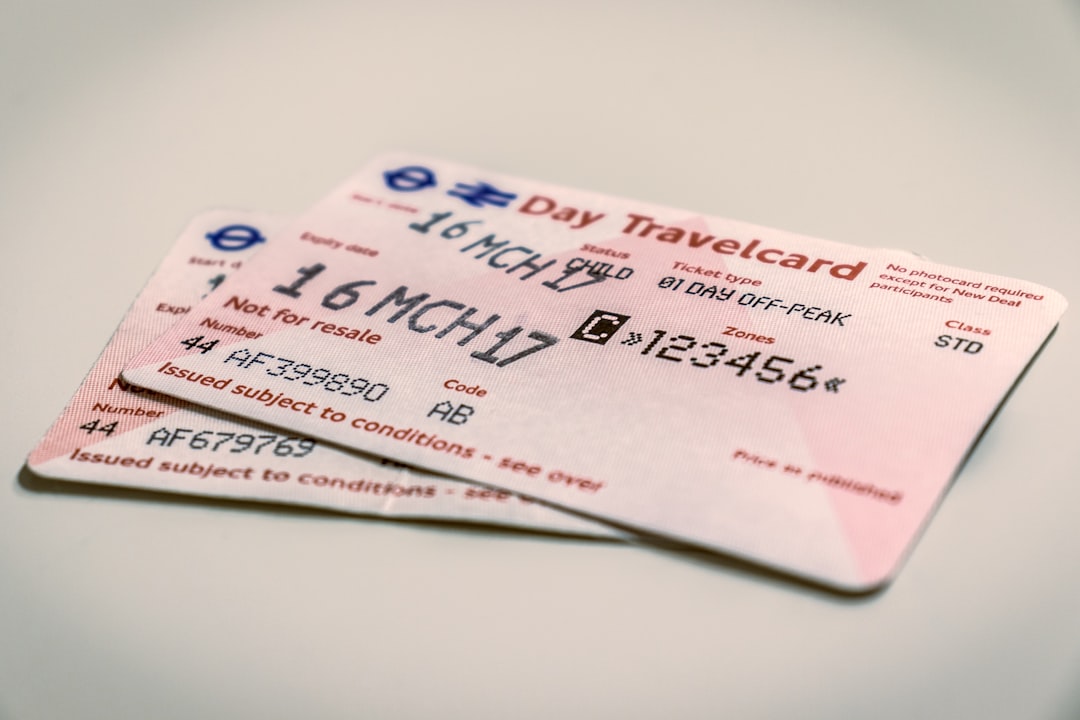
Photo by Christian Wiediger on Unsplash
Points are no longer just for collectors; they are a travel currency. With airline award space tightening and hotel rates rising, transferable points ecosystems (Chase Ultimate Rewards, American Express Membership Rewards, Capital One Miles) let you pivot between airlines and hotels to find outsized value. Think of points as flexible tokens: they buy experiences, not just tickets.
How to think about cards — an emotional, practical framework
Choosing a card should feel like choosing a travel companion. Are you a comfort-seeking lounge lover? Pick premium cards with lounge access. A family planner? Prioritize protections like trip delay and primary rental car coverage. A budget explorer? Maximize category multipliers and low/no annual fee options.
Primary strategies: earn, protect, redeem
Start with three pillars:
- Earn where you already spend: get multipliers on categories you use (dining, groceries, streaming, travel).
- Protect the trip: cards with trip cancellation/interruption, lost baggage, and primary rental car insurance save cash and stress.
- Redeem with flexibility: transferable points beat single-merchant miles because they open multiple award routes.
Top card archetypes and when to use them
Before we deep-dive into specific models, match your travel life to these archetypes:
- The Weekend Hopper: values easy redemptions for short-haul flights and boutique hotels.
- The Long-Haul Aspirant: saves points for premium cabin international flights.
- The Family Planner: needs protections and predictable value for large bookings.
- The Digital Nomad: wants broad acceptance, no foreign transaction fees, and lounge access.
Best travel credit cards and points: practical picks (archetype-focused)
Below are archetype-focused picks and how to use their points effectively.
- Weekend Hopper: mid-fee cards in transferable ecosystems. Use points to book last-minute hotel nights via transfer partners or portal bookings where availability is thin. Look for cards that offer strong dining and travel multipliers.
- Long-Haul Aspirant: premium cards that earn transferable points and offer lounge access. Accumulate between partners and transfer to an airline program with award space for business or first class.
- Family Planner: a combo of a mid-fee transferable card plus a no-fee earner. Use the mid-fee card’s protections and the no-fee card’s category multipliers for everyday spend.
- Digital Nomad: choose a flat-rate earner with wide global acceptance and a premium upgrade card if you fly frequently.
How to use points: five step redemption workflow
- Define the experience you want (business seat, city-center hotel, island resort).
- Search award space across partner programs before transferring points (transfers are usually irreversible).
- Compare cash price vs points valuation — use points where cents-per-point value is highest (often premium cabins or high-season hotels).
- Factor in taxes, surcharges, and restrictions like date blackouts.
- Use card statement credits where available (annual travel credits, lounge credits) to offset fees.
Stacking points and family pooling
Many programs permit household transfers or point pooling. If family members each open a mid-fee card in the same ecosystem, pooling small balances can unlock a single big redemption. Always check issuer rules for transfers, eligible relationships, and timing.
Common mistakes and how to avoid them
- Treating points like cash and overspending to chase bonuses.
- Transferring points before checking award space.
- Letting statement credits go unused: enroll and calendar reminders matter.
- Carrying only AmEx abroad: bring a Visa or Mastercard backup for acceptance.
Come arrivare / How to get there
This guide is about cards and points rather than a destination, but practical travel planning still matters. When you search award space, have these travel building blocks at hand:
- Airports: always note hub airports and codes (e.g., JFK, LHR, CDG, NRT, SIN) when researching which partner to transfer to.
- Trains and ferries: plan last-mile logistics for award nights — taxis, metro cards, or rail passes often cost less than surcharges.
Example costs and durations (typical):
- Transatlantic overnight flight (economy): 7-9 hours; cash fare $400-$900; award redemptions can range from 25k to 60k points one-way depending on cabin.
- European high-speed train: city-to-city 2-4 hours; typical cost $30-$120; sometimes cheaper than flights for short hops.
Cosa fare / Things to do (apply points to enrich these experiences)
Use points to elevate activities:
- Upgrade a long-haul flight to business class for an overnight sleep.
- Book a points-paid city-center hotel to stay steps from museums and markets.
- Use points to reserve a domestic flight for a family reunion or festival date.
- Redeem for airport lounge passes or day passes on travel days.
- Pay for a guided small-group day tour when arrival fatigue makes logistics harder.
Dove dormire / Where to stay (by budget, with points strategy)
Budget (save points, stretch cash):
- Hostels or budget hotels, pay cash or use low-cost portal redemptions. Typical price range: $25-$80 per night.
Mid-range (best points value):
- Boutique or mid-tier chains where points translate to outsized value. Price range: $80-$250 per night.
Luxury (use points sparingly for maximum cents-per-point):
- Use transferable points to book suites or resort packages during peak season. Price range: $300-$900+ per night.
Dove mangiare / Where to eat (food strategies with cards)
- Use dining multipliers: many cards award bonus points on restaurants and takeout — funnel regular spend here to build balances fast.
- Local markets: cheap, great food, and often cash-only; keep a small amount of local currency.
- Reward nights and special credits: some premium cards include dining or food delivery credits — enroll and schedule to not lose them.
Consigli pratici / Practical tips
- Best months: apply for cards when you have predictable large spending (home projects, tuition, planned travel) so you can meet minimum spend responsibly.
- What to pack: carry one card per payment network (AmEx, Visa/Mastercard) and a secure way to track welcome-offer spending.
- Currency & acceptance: bring a Visa or Mastercard with no foreign transaction fees for broad acceptance.
- Safety: enable alerts, use virtual card numbers if offered, and freeze accounts through issuer apps if compromised.
FAQ / Domande frequenti
Q: Can points expire?
A: It depends on the program; transferable points from issuers rarely expire while you have an active account, but airline/hotel programs sometimes have inactivity rules.
Q: Should I transfer points to an airline before I book?
A: Generally no. Check award availability first, then transfer since transfers are usually irreversible.
Q: How many cards should I carry?
A: Keep a primary flexible-transfer card, a no-fee backup, and optionally one premium card if you use its credits and lounge access.
Q: Are airline co-brand cards better than transferable cards?
A: Co-brand cards offer airline perks (free checked bags, priority boarding) but lack the flexibility of transferable currencies. Use both if you travel often with one carrier.
Comparison table: budget tiers and card roles
| Budget Tier | Typical Cards | Typical Annual Fee | Best Use Case |
|---|---|---|---|
| Budget | No-fee card, cashback cards | $0 | Everyday spend, quick earn |
| Mid-range | Transferable points card (mid fee) | $95-$250 | Family trips, point transfers to hotels |
| Premium | Lounge-heavy, premium points | $450-$895+ | Frequent flyers, lounge access, big annual credits |
Example redemption case studies (realistic math)
1) One-way transatlantic business class: 60,000–75,000 points (transferable) vs cash $2,000+. If you value business at $2,000, cents-per-point >3c makes it a strong redemption.
2) Hotel: a $500/night boutique city center room can be had for 30k hotel points mid-season — that 1.6c per point is excellent if those points were easy to earn through transfers.
Tools and workflows I use
- Award calendars on airline programs to monitor availability.
- Excel or simple trackers for minimum-spend timelines so I don’t miss bonuses.
- Alerts from issuer apps for statement credits and enrollments.
For planning logistics and consolidating itineraries I sometimes reference TravelDeck while building dates and budgets.
Internal resources
If you’re organizing a group trip and want to keep costs fair and drama-free, pair card planning with Drama-Free Group Trip Planning 2026: How to Plan Without Drama. For off-peak booking strategies to stretch points further, see Shoulder Season Travel Tips 2026: Save Money, Skip Crowds.
Final checklist before applying
- Check credit score and pre-qualification tools.
- Time applications around planned high spend.
- Set automatic reminders for enrollment and statement credit uses.
- Keep at least one widely accepted backup card for travel.
Conclusion
Best travel credit cards and points are tools that let you shape travel around experiences not just prices. Choose cards that match your travel rhythm, protect trips before you need them, and redeem with strategy: check award space, compare cash vs points, and use statement credits. Done well, points change the texture of travel — turning crowded terminals into lounges of quiet, cash-strapped trips into memory-rich escapes.