Drama-Free Group Trip Planning 2026: How to Plan Without Drama
Introduction
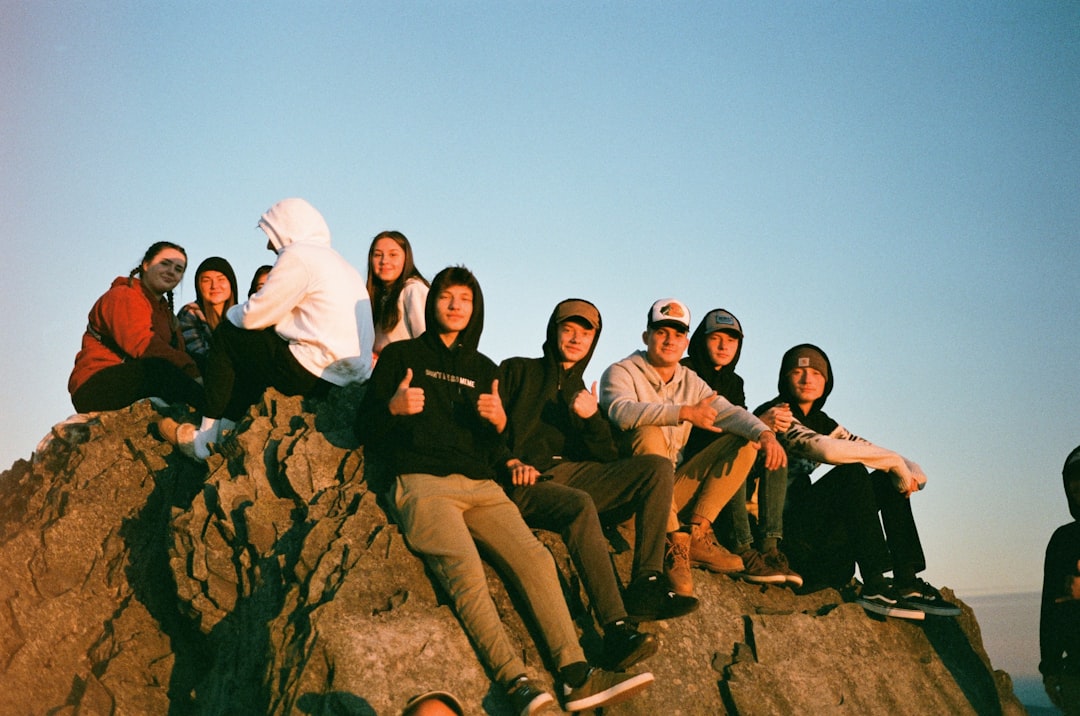
Photo by Ernest Malimon on Unsplash
Planning a trip with friends or family can be magical — or messy. What separates a memory you laugh about for years from a group vacation that sours relationships? Clear agreements, smart systems, and a little emotional intelligence. This guide focuses on drama-free group trip planning from the very first ping in the group chat through the plane ride home. You'll read detailed, sensory-rich advice, practical templates, and day-to-day tactics that turn friction into flow. Whether you lead the planning or are one of the travelers, drama-free group trip planning can be learned and repeated.
Why group trips derail (fast)

Photo by Mike Kilcoyne on Unsplash
Group trips are pressure cookers: differing budgets, sleep schedules, and energy levels meet time-sensitive bookings and alcohol-fueled spontaneity. A missed expectation — an undisclosed budget limit, a late booking, a noisy roommate — magnifies into a conflict. The antidote is structure paired with empathy: roles, clear deadlines, and escape valves for individual preferences.
Primary approach: roles, rules, and buffers
Cassidy Travel
Start by naming roles: trip captain, finance lead, accommodation lead, activity point person, and communication hub. These titles are lightweight but powerful — they signal responsibility and reduce duplicated effort. Combine roles with rules: a payment schedule, a one-veto rule for legitimate dealbreakers, and a decision-deadline policy. Finally, build buffers: both budget buffers (10-15%) and schedule buffers (one free afternoon per every two days).
How the trip should feel: a short scene
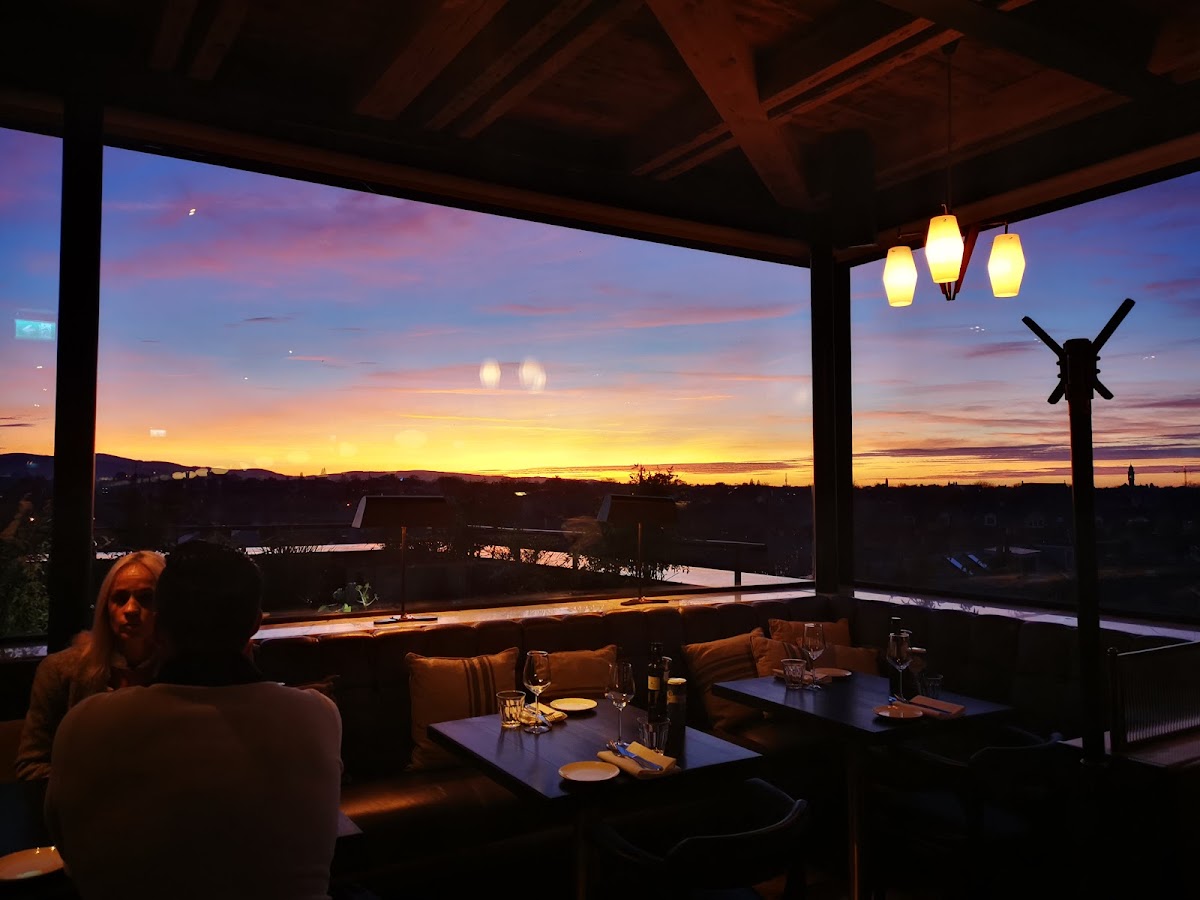
Imagine late afternoon on arrival day: warm light spills into a rented villa, the scent of citrus and sunscreen hangs in the air, a playlist hums in the background. Some friends nap on the terrace, others head to a nearby market. You meet up for a casual dinner where everyone shares the day’s highlight. That relaxed, connected feeling is the goal — and it grows from careful planning, not control.
Choosing the right decision system
Narrative: Groups work best with a decision system everyone understands. That can be weighted voting (points to allocate), rotating final say, or the captain-tiebreaker method. The crucial element is predictability: people accept outcomes more readily when they agree to the decision method in advance.
- Weighted voting: give each person 10 points to spend across destination, dates, and accommodation.
- Rotating leader: each day a different member chooses the evening plan.
- Captain tie-breaker: majority decides, captain resolves true ties.
Communication protocols that reduce drama
Long paragraphs: Open, predictable communication prevents surprise. Create one central channel for core decisions (a pinned message for budget, dates, and itinerary) and a separate social channel for memes and photos. Avoid side conversations that exclude a subset of the group — they breed distrust. Schedule quick twice-monthly check-ins depending on lead time; small commitments beat big last-minute demands.
Bullet list of practical rules:
- One source of truth: shared doc with itinerary, costs, and tickets.
- Announce deadlines: deposits, final payments, name changes.
- Document agreements: name, date, and time of each decision plus who agreed.
- Use polls for clear yes/no choices and close them with a timestamp.
Budget systems everyone can live with
Narrative: Money is the biggest silent friction. The way to neutralize it is tiering and transparency. Offer three budget tiers (essential, standard, premium) so travelers self-select without shame. That choice allows everyone to join the same trip while controlling personal spend.
- Essential tier: shared lodging, public transport, self-catered breakfasts.
- Standard tier: nicer rooms, at least one organized group activity, two group dinners.
- Premium tier: upgraded rooms, private transfers, additional paid experiences.
Include payment milestones: 25% deposit, 50% at three months, final payment one month before travel. Use a shared spreadsheet or app for tracking balances and receipts.
Balancing personalities: the soft skills
Groups include planners, go-with-the-flow travelers, budget-watchers, and thrill-seekers. Turn differences into strengths by assigning tasks that match temperaments. Over-planners manage logistics; spontaneous types curate surprise moments; budget-conscious members vet deals.
Practical boundaries:
- Limit mandatory events to one significant group activity per day.
- Create opt-in signups for premium excursions.
- Require check-ins for solo adventures (time and meeting point).
Itinerary design: anchor activities + breathing room
Narrative scene: A morning market awash with color and spice; by noon, half the group naps as the others join a cooking class. The balance feels natural.
- Anchor items: arrival dinner, one signature excursion, a farewell night.
- Opt-in diversions: half-day hikes, market strolls, spa time.
- Free margins: blocks of unscheduled time for spontaneous discovery.
Conflict resolution during the trip
Narrative: Not everything will go smoothly. Somebody misses a ferry. Rooms aren't as described. The smoothing strategies are short, practiced interventions rather than lengthy debates.
- Immediate steps: name the problem, propose two quick fixes, decide by majority or captain.
- Avoid escalation: take cooling-off breaks and revisit the issue later if feelings run high.
- Swap responsibilities: if one person is always managing drama, rotate duties next trip.
Tech stack that actually helps
Use one shared doc (Google Docs or Notion) as the master itinerary and budget. Use a payment tracker (Splitwise, Tricount) for ongoing balances. Polls in the chat (Doodle, Google Forms) settle dates. For centralized booking details, create a single spreadsheet: travelers, contributions, receipts, and deposit deadlines.
Internal resources: for scheduling travel in quieter months consider Shoulder Season Travel Tips 2026: Save Money, Skip Crowds. If safety is a concern for group excursions, consult Common Travel Scams 2026: Spot, Avoid, and Travel Safer.
Visit https://traveldeck.ai for an overview of tools that centralize planning and payments.
## Come arrivare / How to get there
This section is a template you can adapt to any destination. Provide airport codes, main train lines, typical public transit options, and realistic costs and durations so the group can choose the easiest arrival pattern.
Example: Lisbon trip (sample logistics)
- Airports: Humberto Delgado Airport (LIS). Taxis ~€20-€25 to city center, metro 30 minutes, €1.50-€2.00 per ride.
- Trains: From Porto, Alfa Pendular high-speed ~2.5–3 hours, €25–€35.
- Buses/ferries: Intercity buses to nearby towns €3–€15; Tagus ferries €1.50–€3.
- Drive times: From Cascais ~30–40 minutes depending on traffic.
Costs will vary; always cross-check in your shared doc and account for luggage fees.
## Cosa fare / Things to do
Create a balanced list with neighborhoods and addresses where possible. Offer sensory descriptions to help people decide whether they’ll enjoy each activity.
1) Morning market stroll — Feira da Ladra (Campo de Santa Clara). Smells of frying dough, citrus and coffee; vibrant textiles and antiques.
2) Guided walking tour — Alfama district, 9:30 start, 2–3 hours. Tiles, narrow alleys, and rooftop viewpoints.
3) Food workshop — Cais do Sodré cooking school, hands-on pastries. Flour-dusted counters and the scent of cinnamon.
4) Day trip — Sintra (Railway station: Rossio), 40 minutes by train. Moorish terraces, misty forests, and pastel palaces.
5) Sunset river cruise — depart near Terreiro do Paço, one-hour glide under golden light.
## Dove dormire / Where to stay
Offer 2–3 options per budget with price ranges (example city prices in euros per night):
Budget
- Guesthouse in Mouraria: €45–€75. Simple, social common room.
- Boutique hotel near Baixa: €110–€180. Central, comfortable, great breakfast.
- Riverside five-star hotel: €260–€550. Concierge service, bigger rooms, pools.
Room assignment tip: pre-assign and allow swaps up to 48 hours before arrival.
## Dove mangiare / Where to eat
Describe local dishes, markets, and neighborhoods: Pastéis de nata at Manteigaria, seafood in the Mercado da Ribeira (Time Out Market), and small fado restaurants in Alfama. Include price expectations: snacks €3–6, mid-range dinners €15–30 per person, upscale restaurants €50+.
## Consigli pratici / Practical tips
Best months: spring and early autumn for fewer crowds and milder weather. What to pack: layered clothing, comfortable walking shoes, a daypack, and a universal travel adapter. Currency: euro; notify banks of travel dates. Connectivity: local SIM or international plan; download maps offline. Safety: watch pickpocket hotspots and keep photocopies of passports.
## FAQ / Domande frequenti
Q: How far in advance should we start planning?
A: Aim for 4–6 months for small groups, 6–9 months for larger groups or peak travel.
Q: What if someone drops out?
A: Have a deposit policy and a replacement plan. Encourage early searches for replacements and consider refundable options where possible.
Q: How do we split costs fairly?
A: Use itemized shared sheets and let travelers choose tiers for optional upgrades.
Comparison snapshot
- Budget tiers vs typical nightly cost: Guesthouse €45–75 | Boutique €110–180 | Luxury €260–550
- Best months: Shoulder months (spring, autumn) generally lower cost and crowd levels — see Shoulder Season Travel Tips 2026: Save Money, Skip Crowds.
Tags
- drama-free group trip planning
- group travel tips 2026
- budget tiers for group trips
- conflict-free travel planning
- group itinerary design
Conclusion
Drama-free group trip planning is less about eliminating surprises and more about creating predictable processes so surprises stay small and manageable. Give the group clear roles, a simple budget structure, reliable communication channels, and breathing room in the itinerary. When things go wrong — as they sometimes will — you'll have a proven method to course-correct without rupturing friendships. Travel remains one of the richest ways to deepen connections; with the right systems, the memories you create will be full of laughter rather than regret.