Common Travel Scams 2026: Spot, Avoid, and Travel Safer
Common Travel Scams 2026: Spot, Avoid, and Travel Safer
Photo by Frugal Flyer on Unsplash
Have you ever been offered a "too-good-to-be-true" deal in a bustling market and felt that prick of doubt? In 2026, travelers face familiar cons reworked for new tech and tourist trends. This guide on common travel scams 2026 walks you through the confidence, sensory cues, and practical moves to spot swindles early and keep your trip joyful.
Travelers often remember the warm light of a coastal sunset or the steam from a street-food stall — not being hustled. I still recall the faint citrus-sugar smell of a market while a seller tried the classic switcheroo. That memory trained a healthy skepticism: if it feels staged, it probably is. Below you'll find stories, step-by-step defenses, and real-world do-and-don't that read like an on-the-ground travel magazine: vivid, tactical, and practical. You'll also find contextual links to deepen planning for long journeys, including tips from Survive Long-Haul Flight Comfortably: Practical Tips 2026 and smart payment ideas from Best Travel Credit Cards 2026: Maximize Points & Perks. I use TravelDeck once in a reference example later in the piece: https://traveldeck.ai
Primary risks and how they evolved in 2026
Photo by Christian Wiediger on Unsplash
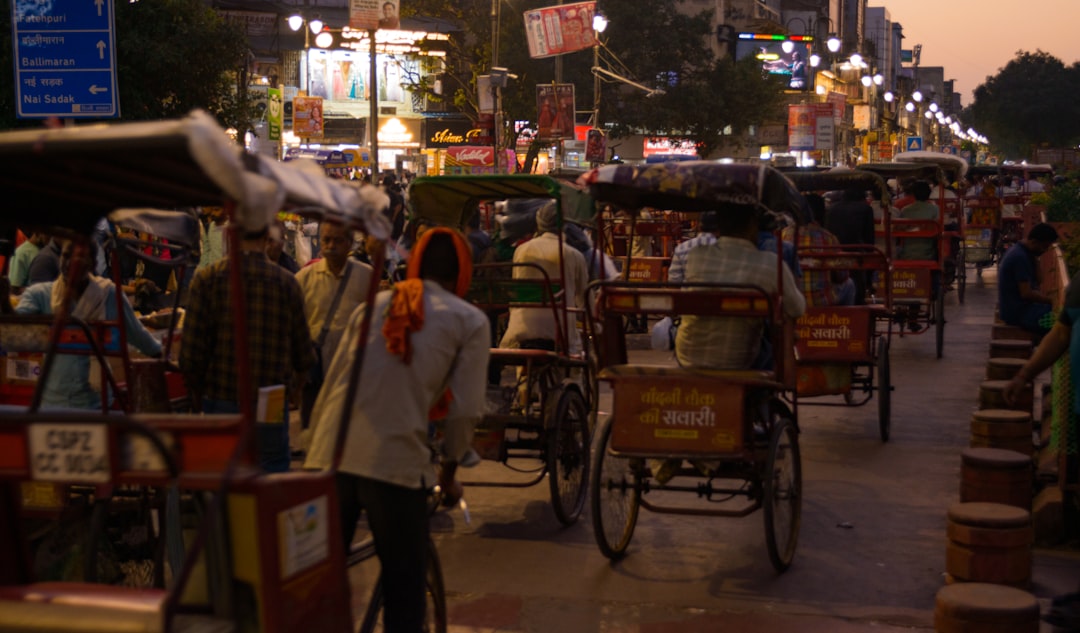
In city centers the sounds of scooters and vendors create a rhythm where cons thrive — rapid eye contact, distraction, and the confidence of the scammer. Many scams in 2026 are the same psychological plays as decades past, but attackers now add tech: cloned Wi-Fi, deepfake call voices, and sophisticated card skimmers. That means traditional vigilance plus small tech habits can block the majority of schemes.
Senses to trust: the sudden jolt of attention someone demands, the scent of forced friendliness, the visual rush of an over-eager deal. If your gut tightens, step back and breathe. You are allowed to say no and walk away.
Common travel scams 2026: the list with real examples
Photo by Markus Winkler on Unsplash
Below are the cons you’ll meet most often. Each entry blends a short scene, why it works, and concrete avoidance tactics.
1) The taxi / rideshare overcharge
You step into a cab; the meter "doesn’t work" and the driver quotes a flat fare triple what your hotel staff said. Streets hum with exhaust and distant horns — a rogue route could cost you time and money.
- Why it works: urgency, unfamiliar roads, and language gaps.
- How to avoid it: pre-check typical fares at night/day with hotel staff; use GPS to monitor routes; prefer licensed apps; photograph the plate and driver ID; refuse to pay until the meter is used or an agreed rate confirmed.
2) The attraction-is-closed trick
A friendly local in a plaza tells you the museum is closed for a private event and offers to take you to an "equally special" place. The alternate is a commission-based shop.
- Avoidance: always verify hours on the official site or ticket counter; walk to the main entrance; consult recent reviews; if someone insists, keep walking.
3) The shell game and street gambling cons
Bright cards, cheering crowds, then your wallet is lighter. These setups are theater: you win small, lose big.
- Avoidance: never play; keep moving; take pictures of the scene from afar but don’t linger.
4) The free gift / bracelet trap
A pleasant stranger fastens a bracelet or rubs oil on you and then demands payment. The scene becomes public and awkward.
- Avoidance: don’t let strangers touch or place items on you; if it happens, remove it calmly, hand it back, and leave.
5) ATM and card skimmer frauds
A seemingly helpful person offers to "show you" the ATM while you’re distracted and then clones your card.
- Avoidance: use ATMs inside banks, inspect the slot for irregularities, cover the keypad, use banks with EMV support, and enable alerts for transactions. Prefer contactless and mobile wallet payments when possible.
6) Fake Wi-Fi and credential theft
An open network named "Free Airport WiFi" may be a trap. Once connected, attackers intercept logins to email, banking, and travel accounts.
- Avoidance: use a paid international data plan or reputable VPN; disable auto-join for Wi-Fi; confirm official network names from signage or staff.
7) The "found ring" or too-cheap jewelry sale
A vendor shows a supposedly real gold ring found on the floor. The sales pitch is theatrical and urgent.
- Avoidance: don’t buy street jewelry; buy from reputable shops with receipts and guarantees.
8) The staged spill or distraction pickpocket
Someone "accidentally" spills coffee on you; while you’re flustered, a partner lifts your wallet.
- Avoidance: wear money belts under clothing, keep backpacks in front in tight crowds, and treat any physical encroachment as a red flag.
9) Romance or drug-related traps
Overly-friendly strangers offering to show nightlife "insider spots" can lead to inflated bills, threats, or robbery.
- Avoidance: don’t follow new acquaintances to private places; watch drinks; travel with company in nightlife; avoid illegal substances.
10) Motorbike and rental scams
On returning a scooter, the owner claims new damage and demands extra funds; sometimes passports are held as "collateral."
- Avoidance: photograph rentals thoroughly, get written receipts, avoid surrendering your passport, use established agencies, and verify insurance coverage.
11) Fake petition / sob stories
Someone asks you to sign a petition or gives an emotional tale; after involvement, they press for cash.
- Avoidance: decline politely and walk away; support reputable local charities instead.
12) The switcheroo in shops
A high-end item is presented but a counterfeit swapped while you pay.
- Avoidance: watch the exchange, insist on original packaging, and use trustworthy vendors for designer goods.
How scammers think (and how to think one step ahead)
Con artists exploit patterns: distraction, reciprocity, urgency, authority, and social proof. If someone creates a scene, offers a free favor, or uses uniforms/props to exert authority, pause. The best defense is a calm, repeatable checklist: verify, photograph, walk away, ask a trusted local, and escalate via official channels if needed.
Practically, carry a laminated copy of emergency contacts and your embassy numbers. Keep minimal cash in an accessible pocket and the rest concealed. That split setup reduces temptation and loss impact.
How to report a scam and get help
- If a crime occurs, contact local police and keep copies of reports.
- Contact your bank and freeze cards immediately.
- Notify your embassy or consulate for serious theft or passport problems.
- File reports with your home-country consumer protection agencies if a business is involved.
Record details: time, place, vendor name, photos of IDs, receipts, and any witnesses. These make investigations far more effective.
Tech defenses for modern scams
Narrative: In a café near a riverfront, the hum of conversation makes stolen data invisible. A seasoned traveler taught me to close apps, log out of accounts after use, and use one password manager for complex logins.
Practical tech checklist before and during travel:
- Use a reputable VPN on public Wi-Fi.
- Enable two-factor authentication (use an authenticator app rather than SMS when possible).
- Keep phone OS and apps updated; updates patch security holes.
- Turn off Bluetooth and NFC when not in use to reduce skimming risks.
- Use virtual cards or travel cards for one-off purchases.
How to pay safely abroad
Narrative: The smell of fresh bread at a market stalls mixes with the clink of coins — but paying by card can be cleaner and safer.
- Use contactless payments where accepted.
- Notify your bank of travel dates to avoid blocks.
- Carry one backup card stored separately from your primary wallet.
- Prefer smaller, daily cash withdrawals over carrying large sums.
For strategies on maximizing card rewards and safety, see Best Travel Credit Cards 2026: Maximize Points & Perks.
## Come arrivare / How to get there
This section is intentionally practical for travelers arriving in popular tourist hubs where scams often start. Below are realistic transport options and typical costs/time for three archetypal arrival scenarios to major city centers — adapt them to your destination.
1) International city hub (example: large European capital)
- Airports and codes: Major hub airport code example: ABC (replace with actual local code when planning).
- Transfer options: train 25–45 minutes (€4–€12), airport bus 45–60 minutes (€6–€15), taxi 30–50 minutes (€35–€60 depending on time and route). Pre-booked transfer ~€40–€80.
2) Southeast Asian coastal arrival
- Airports and codes: Local hub sample: XYZ.
- Transfer options: shuttle bus 60–90 minutes ($3–$12), rideshare apps 30–60 minutes ($8–$30), tourist ferry connections vary $8–$25.
3) Island-to-island ferry
- Typical durations: 30 minutes to 4 hours depending on route. Costs $10–$70.
Practical note: always use official ticket counters or reputable booking platforms and keep an eye on departures. Booked transfers reduce the chance of being redirected to commission-heavy shops.
## Cosa fare / Things to do (safety-aware recommendations)
Even when your attention is on scams, you still want to enjoy the place. Here are 6 activities that blend cultural immersion with safety-minded choices:
1) Morning market tour with a licensed guide
- Why: Guides reduce bargaining pitfalls and explain local customs. Look for registered guides displayed at tourism offices.
- Sensory note: the market is a riot of chili-sweet aromas, bright produce, and the chatter of shopkeepers.
2) Museum and official attraction visits
- Verify opening hours online and buy tickets from official sites or counters.
- Neighborhood tip: take photos of entrances and signage for reference.
3) Cooking class in a certified kitchen
- Safer than accepting food in random places; classes often include market visits — a controlled environment to taste safely.
4) Sunset waterfront walk with a group or guide
- Avoid isolated stretches at night. Choose populated promenades with vendors and lights.
5) Day trips with reputable tour operators
- Read recent reviews; prefer operators with clear cancellation and refund policies.
6) Night markets in well-lit areas
- Use the sensory checklist: trust busy, well-policed lanes. Keep valuables secured, and use small local notes to pay vendors.
## Dove dormire / Where to stay
A good bed choice reduces scam exposure. Here are options by budget tier with example price ranges (adjust to local currency and season):
Budget
- Hostel dorms or guesthouses with 24/7 reception. Price range: $10–$35 per night. Choose places with secure lockers and verified IDs for staff.
Mid-range
- Boutique hotels or 3-star chains with good reviews and concierge. Price range: $60–$150 per night. Look for front-desk service hours and secure luggage storage.
Luxury
- 4–5 star hotels with in-house transfers and verified concierge services. Price range: $180–$450+. These reduce street-level pressure and provide safe transfer options.
Practical tip: read recent guest reviews specifically mentioning safety and staff honesty. Cross-check booking confirmations and never accept a last-minute room change from a driver.
## Dove mangiare / Where to eat
Local food is a highlight, but scams can appear in dining scenarios — inflated bills, surprise service fees, or being taken to commission restaurants.
- Food markets: choose busy stalls with high turnover and visible cooking. Expect street-dish prices of $2–$8, market mains $5–$15.
- Casual eateries: neighborhood bistros often charge moderate prices $8–$25.
- Recommended approach: ask hotel staff for a short list of vetted places; check menus for prices before ordering.
Dish highlights (examples):
- Hearty braised stew in winter markets.
- Citrus-grilled fish near seaside stalls.
- Spiced noodle bowls served with bright herbs and sticky rice.
A final dining note: always ask for a written bill; in some regions verbal totals can be inflated.
## Consigli pratici / Practical tips
- Best months: shoulder seasons avoid crowds and reduce pressure from aggressive touts; prices are lower and scammers often target peak crowds.
- Weather: pack a compact rain shell or light layers; sudden downpours create ideal conditions for distraction cons.
- What to pack: money belt, RFID-blocking card sleeve, compact travel lock, small flashlight, portable charger, and a hard photocopy of passport stored separately.
- Customs: learn three local phrases: hello, no thank you, and how much? — these disarm many attempts. Respectful body language and modest dress reduce unwanted attention.
- Currency: use small denominations for purchases; always check change carefully.
- Connectivity: get a local eSIM or reputable roaming plan; public Wi-Fi is tempting but risky. (Use VPN.)
Comparison table: budget tiers and typical protections
| Tier | Typical nightly cost | Key protections | Best for |
|---|---|---|---|
| Budget | $10–$35 | 24/7 reception, lockers, local tips | Solo backpackers on a budget |
| Mid-range | $60–$150 | Concierge, verified drivers, in-house transfers | Couples and small families |
| Luxury | $180+ | Private transfers, secure storage, multilingual staff | Travelers seeking low-risk comfort |
## FAQ / Domande frequenti
Q: How common are scams in major tourist cities in 2026?
A: Very common in high-footfall areas. Most scams rely on distraction rather than violence. Stay alert and use simple safeguards.
Q: What should I do if my passport is stolen?
A: Contact local police, get a police report, and reach your embassy or consulate immediately for emergency travel documents.
Q: Are digital wallets safer than cash?
A: They reduce pickpocket risk but aren’t immune to phishing or fake Wi-Fi. Use contactless where possible and enable transaction alerts.
Q: How do I avoid being targeted on nightlife outings?
A: Go in groups, watch drinks, use official transports to and from venues, and avoid drink offers from strangers.
Q: Can I get my money back after a scam?
A: Sometimes — contact your bank immediately and file local police reports. Credit card chargebacks and travel insurance claims can help.
Reporting resources and official links
- U.S. Department of State — travel advisories: https://travel.state.gov
- UK Foreign Travel Advice: https://www.gov.uk/foreign-travel-advice
- Interpol general site: https://www.interpol.int
- For flights and long transfers: airport websites list official taxis and shuttle partners.
Final thoughts and closing reflection
Travel is a sensory feast: the low hum of markets, the velvet dusk over waterfronts, the layered flavors of a local dish. Scams try to steal not just cash but the ease of that experience. The best defense is a calm, informed traveler who blends curiosity with caution. Trust your instincts, prepare simple safeguards, and let the colors, smells, and stories of a place remain what you take home.
Safe travels, and may your best memories be from the places you explored — not the moments you had to be on guard.