Survive Long-Haul Flight Comfortably: Practical Tips 2026
Survive Long-Haul Flight Comfortably: Practical Tips 2026
Photo by Mario Verduzco on Unsplash
Have you ever stepped off a 12+ hour flight feeling like you survived a minor ordeal rather than arrived on holiday? The truth: cabin air, constant noise, odd sleep cycles and cramped seats conspire to erase your energy. This guide shows how to survive long-haul flight comfortably using practical routines, sensory tricks and travel-ready gear — and it starts the moment you book.
Why this matters
Surviving a long-haul flight isn't just about comfort: it's about arriving ready to enjoy your destination. Follow these strategies — from seat choice to microbiome-friendly snacks — to protect sleep, circulation, mood, skin and focus. You'll find step-by-step habits, packing lists and a few counterintuitive hacks that frequent fliers swear by.
Primary focus and quick promise
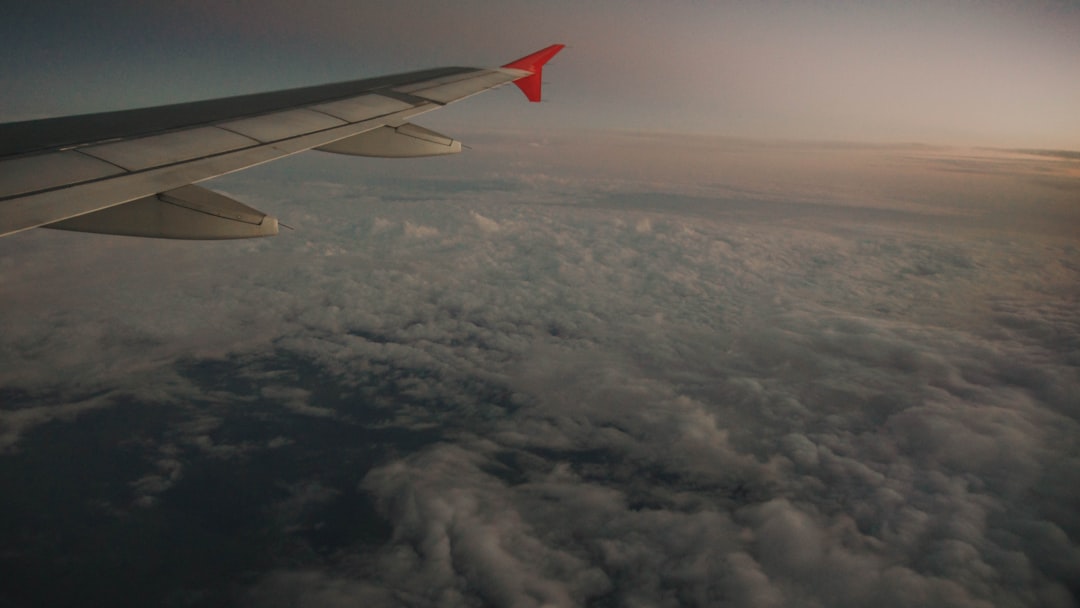
Photo by Leonardo Miranda on Unsplash
This post teaches you how to survive long-haul flight comfortably with realistic, field-tested tips for all budgets, from economy to business. You'll learn seat selection, tactical hydration, movement protocols, sleep recipes and a practical carry-on kit that fits airline rules. Also see destination prep strategies in How to Beat Jet Lag: Science-Backed Remedies 2026.
Before you book: plan like a pro
Photo by Max Kukurudziak on Unsplash
Choose flight times that match at least part of your destination schedule. Overnight flights that align with the destination night give you a better chance to sleep on board. When searching, compare routings that shift layover timing by a few hours — a 2-hour difference in departure can change whether you board exhausted or well-rested.
Consider seat location carefully: seats over the wing reduce turbulence perception; exit and bulkhead rows offer legroom but have trade-offs. If you’re on a budget, aim for a middle of cabin seat over the wing so you feel less pitching and can stretch into aisle space when needed.
Booking tip: sign up for seat alerts and monitor seat maps the week before departure; airlines sometimes open premium seats or swap aircraft.
Carry-on kit: what actually matters
The perfect carry-on kit is compact and purposeful. Narrative: imagine opening your bag mid-flight — everything is organized in small pouches, you can find your items in low light, and each thing has a clear purpose: sleep, hygiene, hydration, movement, and entertainment.
Essentials:
- Travel document pouch and phone charger (20,000mAh power bank) in an easy-access pocket.
- Noise-cancelling headphones and soft foam earplugs for layered soundproofing.
- Quality sleep mask (molded, padded) and compact neck pillow with washable cover.
- Refillable 500ml water bottle (empty through security, refill at gate) and zero-sugar electrolyte sachets.
- Small toiletry kit: toothbrush, toothpaste, face mist (under 100ml), rich night cream, lip balm, preservative-free eye drops, deodorant.
- Compression socks (put on at home), a spare pair of socks and a light merino or modal travel layer.
- A lightweight resistance band for seating exercises and a small pill organizer with magnesium or melatonin if you use them (check with your doctor).
Why each item: the water bottle and electrolyte powder fight surface and systemic dehydration; eye drops and face mist fight the cabin's drying effect; compression socks reduce swelling and DVT risk; noise-cancelling devices actually change your stress baseline so you can sleep or read.
Wardrobe & sensory layering
Dress in layers. The cabin climate shifts through meal service, sun glare and overnight cycles. Start with a breathable base (merino or technical fabric), add a soft mid-layer (zip hoodie or thin fleece) and have warm socks ready. Slip-on shoes are a must: your feet will swell and you’ll want to remove shoes mid-flight.
Sensation notes: soft fabrics, matte textures and muted colors reduce sensory irritation and help your body relax. Avoid tight waistbands. Keep a scarf or pashmina for a weighted, comforting sensation while you nap.
In-flight movement: a simple routine to prevent swelling and pain
Narrative: instead of wandering aimlessly, treat each cabin walk as a ritual. The movement restores circulation and resets your posture. Do this every 60-90 minutes.
Routine (repeat every 60–90 minutes):
- Stand and march in place for 30 seconds beside your seat.
- Do ankle pumps (20 reps) and calf raises (15 reps) while bracing against the seatback.
- Use the resistance band for seated leg extensions (12–15 reps each leg) if space allows.
- Walk to the galley and back at a steady pace — focus on deep breathing to drop cortisol.
These small, intentional actions reduce pooling in the feet, help digestion, and make sleep more likely later.
Sleep strategies that actually work
Planes are loud, lights change, and sleeping upright is awkward. The trick is to create a consistent pre-sleep ritual and manipulate the environment.
Pre-sleep ritual (45–60 minutes before planned sleep):
- Dim screens; switch your phone to airplane mode and set a gentle white/brown noise on headphones.
- Apply a facial mist and richer moisturizer; use eye drops and put on your sleep mask.
- Do progressive muscle relaxation (tense and release each muscle group from head to toe) for 5–8 minutes.
- Sip electrolyte water slowly.
Positioning tips:
- Recline slowly to a comfortable angle; place a rolled blanket or spare sweater under your knees to reduce lower back pressure.
- Use a molded neck pillow and tuck the hood of your hoodie around your ears to muffle ambient light.
If you have trouble sleeping, consider low-dose magnesium glycinate combined with a 0.5–1mg melatonin at the destination bedtime equivalent — consult your physician first.
Nutrition & hydration: fight cabin dryness and digestive slump
Cabin humidity is extremely low; it dries mucous membranes and skin and can leave you exhausted. Hydration is both a ritual and a strategy.
Hydration ritual:
- Begin hydration 12–24 hours before departure: aim for 1.5–2 liters spread across the day.
- Fill your 500ml bottle after security and sip often; add electrolyte powder mid-flight.
- Avoid alcohol and limit caffeine; both disrupt sleep and increase dehydration.
Food choices:
- Snacks that are protein-rich and low-FODMAP work well: plain roasted nuts, jerky, hard cheese (if allowed), grain crackers and a banana.
- Avoid gassy foods (beans, carbonated drinks) and heavy fried foods that cause bloating.
- Time meals to your destination: if you arrive in the evening, skip heavy inflight lunches and opt for light protein so your body can adapt.
Entertainment that preserves brain energy
Narrative: instead of binge-watching in one long streak, plan a variety of short activities that alternate between passive and active modes. This prevents overstimulation while keeping time moving.
Suggested rotation for a 12-hour flight:
- 90 minutes: movie or documentary with headphones.
- 30 minutes: journaling or creative sketching (paper is less draining than screens).
- 45 minutes: nap routine and sleep cycle.
- 30 minutes: low-impact reading (novel or magazine) and breathing exercises.
- Repeat, adding short walks and stretching.
Pack physical backups: a paper notebook, a paperback and a crossword book reduce screen time and eye strain.
Health & immunity: small defenses with big effects
Airports and aircraft concentrate people and microbes. Small proactive steps reduce illness risk and keep you comfortable.
In-flight health kit:
- Saline nasal spray to keep nasal mucosa moist (use before boarding and during flight).
- Alcohol-based hand sanitizer and disinfectant wipes for tray tables and armrests.
- Preservative-free eye drops every few hours.
- Probiotic or fermented snack if your gut reacts to travel — a small container of unsweetened kefir or a probiotic sachet helps some travelers.
Why nasal spray? Dry nasal passages crack and become less effective at filtering pathogens; keeping them moist is a surprisingly powerful protective step.
Technology & connectivity: choose convenience wisely
If you need connectivity, buy a short pass for inflight Wi‑Fi and handle urgent work in focused 30–45 minute blocks early in the flight when energy is highest. Otherwise, set the phone to Do Not Disturb and let the offline experience unfold. Save battery by downloading movies and playlists in advance and using airplane mode between sessions.
TravelDeck mention: for itinerary organization and preflight checklists, TravelDeck (https://traveldeck.ai) can keep your documents and reminders in one place.
How to get there
Specific transport guidance for major long-haul hubs and practical arrival expectations.
- New York — JFK (John F. Kennedy International Airport): AirTrain links to Jamaica Station (LIRR transfers available), subway and taxis. Expect 45–75 minutes from Midtown Manhattan by taxi; public transport ~60 minutes. Parking and drop-off options vary; budget $60–90 for peak-hour taxi rides.
- London — LHR (Heathrow): Heathrow Express 15–20 minutes to Paddington; Piccadilly line tube ~50 minutes. Taxis from central London take 45–80 minutes. Budget for Heathrow Express single £25–£30.
- Dubai — DXB (Dubai Intl): Metro Red Line connects to Terminal 3; taxis are common and professional. Drive time from downtown Dubai 15–30 minutes depending on traffic.
- Singapore — SIN (Changi): MRT (East-West line) to Changi Airport; taxi ~20–30 minutes from downtown. Changi's transit facilities and lounges are world-class for long layovers.
Costs: city-to-airport transit varies widely; check local transit sites for current fares. For hub-to-hub flights, allocate 2–3 hours for international departures (check-in, security, immigration). Always plan extra time for peak seasons.
Things to do (during long layovers or before/after the flight)
Even on travel days you can create small adventures that make the journey feel richer.
- Airport lounge day-pass: pay for a day pass if you need sleep, shower and better food. Lounges reduce sensory overload and provide space to stretch.
- Short city walk: if you have a 6+ hour daytime layover and local transit is fast, take a 2–3 hour walk in a nearby neighborhood to reset your circadian rhythm.
- Preflight yoga or Pilates: 20–30 minute routines in terminal quiet rooms or nearby studios calm the nervous system.
- Hydration stop: find a quiet cafe, sit, and drink an electrolyte-rich beverage rather than gulping coffee.
- Local food tasting preflight: if time permits, try a light, balanced local dish to prime your stomach for the schedule ahead.
Where to stay (sleep before or after a long-haul)
Budget options:
- Airport hotels and capsule hotels: affordable, minimal transit time; expect $60–$120 per night depending on the city.
Mid-range:
- Chain airport hotels or city business hotels near the airport: $120–$220, often include shuttle service and flexible check-in.
Luxury:
- Premium airport hotels with spa services and day-use rooms: $250–$600+. These are perfect if you need a shower and a deep rest between flights.
Price ranges vary by city and season; book refundable rates when possible.
Where to eat (pre-flight and in-flight considerations)
Before boarding, choose foods that are familiar, low in spice and easy to digest. Favor:
- Lean protein (grilled chicken or fish), whole grains (brown rice or quinoa salads), and cooked vegetables.
- Avoid excessive salt, deep-fried dishes or very heavy sauces that promote bloating.
At the airport, find an eatery that uses fresh ingredients and offers balanced bowls or salads. Carry a few travel-safe snacks: protein bars (low sugar), plain nuts, an apple, and a small portion of fermented yogurt if you tolerate dairy.
Practical tips
Best months: long-haul comfort depends more on your itinerary timing than season; try to avoid peak travel days if possible to reduce stress.
What to pack: photocopies of travel documents, an extra passport photo if needed, basic first-aid, and a compact pillow and blanket. Use packing cubes for easy access.
Customs and currency: check visa and entry requirements well in advance. Carry a small local currency amount for immediate needs; use a global travel card for better rates. See Best Travel Credit Cards 2026: Maximize Points & Perks for credit card ideas.
Safety: keep valuables in a concealed money belt and store digital copies of documents in an encrypted cloud folder.
Connectivity: buy an eSIM or local SIM at destination arrival for better data rates than inflight Wi‑Fi in most cases.
FAQ / Domande frequenti
Q: How long before a long-haul flight should I start drinking more water?
A: Begin increasing fluids 24 hours before departure and maintain steady intake during the flight. Avoid binge-drinking right before boarding to limit restroom trips during takeoff.
Q: Are compression socks necessary for everyone?
A: Not strictly necessary for every traveler, but they reduce swelling and help circulation. People with DVT risk factors should consult a doctor. For economy travelers on flights 8+ hours, they’re a low-cost protective step.
Q: Will noise-cancelling headphones cause dizziness on planes?
A: Some people report mild dizziness; start with lower volumes during climb and descent. Combine with foam earplugs for flexible layering.
Q: How do I manage food allergies on a long-haul flight?
A: Notify the airline well in advance and carry allergy medication and an emergency action plan. Pack safe snacks in case the airline cannot fully guarantee allergen-free meals.
Comparison table: budget tiers for comfort upgrades
| Tier | Typical price range | What you gain | Best for |
|---|---|---|---|
| Economy basics | Free–$50 | Standard seat, carry-on only | Budget travelers |
| Comfort + | $50–$250 | Extra legroom, better recline, priority boarding | Tall travelers, sore backs |
| Premium economy | $250–$800 | Wider seat, more recline, upgraded meal | Longer flights, moderate budget |
| Business / First | $800+ | Lie-flat bed, lounge access, premium service | Overnight long-haul, need quality sleep |
Final reflection
Flying long-haul will always demand some endurance. The good news: small, intentional choices compound. Choose a calming carry-on kit, create a sleep ritual, move with purpose, and treat hydration and nutrition as part of your travel craft rather than afterthoughts. When you arrive, you'll feel like someone who actually traveled well — not someone who merely survived the miles.
Enjoy the journey and the strange, soft light of arrival when your body and mind are ready to meet the day.