Complete Guide to Traveling with Pets 2026: Practical Tips
Complete Guide to Traveling with Pets 2026
Photo by TA-WEI LIN on Unsplash
Traveling with pets guide: did you know millions of travelers now plan entire trips around their animals? Whether you’re moving countries, taking a weekend road trip, or flying across continents, this guide gives real-world, practical tactics to make the journey smoother for both of you.
In this guide you’ll find step-by-step preparation, in-transit stress-reduction hacks, paperwork checklists, and destination-specific notes. Expect sensory-rich descriptions, anecdotal tips, and hard numbers so you can plan with confidence. The phrase "traveling with pets guide" appears throughout to keep you focused on the right priorities from paperwork to paw prints.
Why this matters

Photo by Brett Jordan on Unsplash
Traveling with a pet changes every decision: timing, transport mode, accommodation, and even what you eat on the road. Your pet’s comfort affects your trip’s quality. Small choices — the right carrier, a timed feeding schedule, a local vet contact saved in the phone — can turn a stressful travel day into a calm adventure. This guide will help you think like a professional pet-traveler and anticipate common pitfalls.
Primary considerations before you go

Photo by Brett Jordan on Unsplash
Start early. Regardless of distance, allow at least 4–8 weeks to prepare for domestic or EU travel, and 8–12+ weeks for complex international moves. Your priorities are: health & legal paperwork, acclimatization & crate training, and travel logistics.
- Health: up-to-date vaccines, parasite prevention, and a pre-trip vet check.
- Legal: microchip, pet passport or health certificate, country-specific treatments (e.g., tapeworm for some island entries).
- Comfort: crate familiarity, motion-sickness management, and a familiar blanket/toy.
Imagine the smell of cedar from a new travel crate — familiar scents reduce anxiety. The sound of a gently ticking clock in the carrier can mimic home. Build those associations at least two weeks before departure.
How to use this guide
Read the sections that match your trip (air, car, ferry, train) and then follow the practical checklists. Use the "Come arrivare" and "Cosa fare" sections when choosing destinations, and consult "Consigli pratici" to pack and plan seasonally. If you need itineraries, check resources like https://traveldeck.ai for inspiration.
Come arrivare / How to get there
Traveling with pets guide: transportation choices shape stress levels. Below are specifics for common routes, with real airport codes, typical costs, and durations.
Air travel (short haul & long haul)
- Direct flights: always preferable. Example route: New York (JFK) to London (LHR) — typical nonstop 7–8 hours. Airlines often charge $125–$300 cabin fee; cargo fees $200–$700 depending on crate size. Book a morning flight to avoid midday heat on tarmac.
- Airport codes: Los Angeles (LAX), New York (JFK), London Heathrow (LHR), Amsterdam (AMS), Paris Charles de Gaulle (CDG).
- Tip: Choose airlines with transparent live-animal policies and avoid carriers with known cargo hold temperature issues. Request a BCP (Border Control Post) if entering the EU from outside.
Train travel (domestic & international)
- Trains are often the least stressful option. Example: Paris Gare du Nord to Brussels Midi — 1.5 hours; small pets in carriers typically €10 or free depending on operator.
- Regional examples: SNCF (France), DB (Germany), NS (Netherlands). Costs: €0–€15 domestic; book quiet or end-of-car areas where allowed.
Ferries & Eurotunnel
- Ferries: many European ferries accept pets in cabins or kennels. Example: Dover (UK) to Calais (FR) ferry ~90 minutes; pet cabin fees €15–€60.
- Eurotunnel Le Shuttle: Pets travel in-car; crossing takes ~35 minutes. Remember UK pet rules (tapeworm/timing).
Car travel
- Driving offers control. Plan 2–3 hour intervals for bathroom and exercise breaks. Pack a collapsible water bowl, poop bags, and a portable ramp for older animals.
- Example: Driving from San Francisco to Yosemite — ~4 hours; plan a midway stop and take short walks to reduce motion sickness.
Preparing your pet: paperwork, health, and mental prep
Start at your vet. If traveling internationally, confirm microchip standard (ISO 11784/11785) and rabies timing. For EU entry: microchip + rabies + passport or Animal Health Certificate (AHC) are essential.
Health & vaccinations
- Rabies: must be current and observed for timing rules (often 21 days after first rabies shot before travel).
- Parasite prevention: ticks, tapeworm (some countries require treatment 24–120 hours pre-entry). Ask about region-specific vector-borne risks (e.g., leishmania in some southern areas).
- Health certificate: for non-EU to EU moves, an AHC issued by an authorized vet within 10 days of travel is usually required.
Pet first-aid kit (compact list)
- Digital copies of all papers (scanned) + hard copies
- Bandage, antiseptic wipes, tick remover, thermometer
- Any prescribed meds (clearly labeled) + dosage instructions
- Anti-diarrheal meds or probiotics (vet recommended)
Acclimatization & crate training
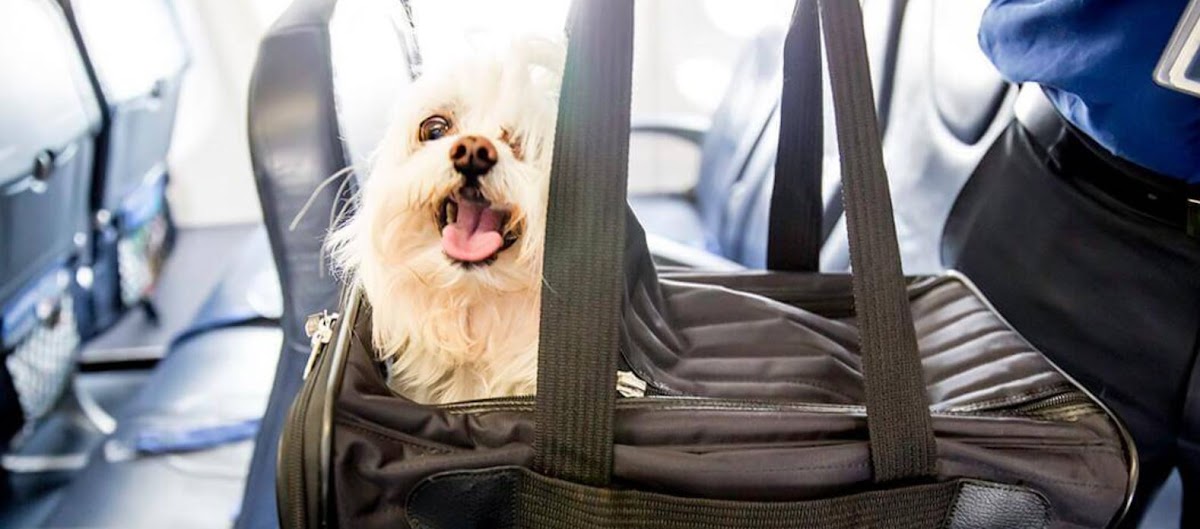
- Crate: soft-sided for cabin (fits under seat) or hard IATA-compliant crate for hold/cargo. Size: pet must stand, turn, and lie down.
- Training: leave the crate open at home with treats and worn clothing; build positive associations over 2–4 weeks.
Sedation & motion-sickness
- Sedation is generally discouraged for air travel due to respiratory risk. Ask your vet about anti-nausea options and natural calming pheromones.
- For car travel, practice short drives first and avoid feeding 3–4 hours before departure to reduce vomiting risk.
Insurance & emergency planning
- Consider short-term travel pet insurance for international trips. Save local emergency vet numbers and map the nearest 24/7 clinic at your destination before leaving.
Cosa fare / Things to do (pet-friendly activities)
Traveling with pets guide: enjoy activities that respect your pet’s limits. Here are 6 ideas that work in many destinations and feel like a magazine feature — sensory, local, and memorable.
1) Morning beach walks at golden hour
Salt on the breeze, sand under paw — early hours are cooler and emptier. Look for designated dog beaches or off-peak times to avoid rules.
2) Slow-market strolls
Markets offer colors, smells, and calm crowds mid-morning. Keep a short leash, carry treats, and sample pet-friendly bites only if safe.
3) Forest and lakeside hikes
Choose shaded trails with shallow water for swimming breaks. Listen for birdsong and the crunch of pine needles; pack booties for hot terrain.
4) City café hopping
Many cities welcome dogs on terraces. Enjoy espresso aromas and local chatter while your pet naps under the table.
5) Pet-friendly boat trips
Calm, short cruises can be magical; the water’s reflection and wind create a new sensory world. Bring a life jacket sized for your pet.
6) Rest days at a rental
Slow travel is kinder to animals. Rent a small cabin or apartment, soak in the neighborhood rhythm, and do shorter daily outings.
Dove dormire / Where to stay
Traveling with pets guide: always call ahead. Many hotels allow pets but have rules and fees. Here are sample options by budget.
Budget
- Pet-friendly hostels or private rentals: $40–$90/night. Look for entire-home listings that accept pets and have a small yard.
- Tip: filter platforms for "pets allowed" and read house rules for crate requirements.
Mid-range
- Boutique hotels and many chain hotels: $100–$220/night. Often include a pet fee $15–$50/night and provide bowls or beds.
- Example: mid-range coastal B&Bs that offer ground-floor rooms for easy outdoor access.
Luxury
- Upscale hotels and resorts: $250–$600+/night. Many offer "pet welcome kits," dog-walking services, and dedicated pet concierges.
- Example amenities: spa-approved pet beds, in-room food menus, and private gardens.
Booking tips
- Always confirm weight and breed rules, whether the pet can be left alone in the room, and whether extra cleaning fees apply.
Dove mangiare / Where to eat
Local dishes and pet-friendly spots make travel richer. Follow these sensory suggestions.
- Terrace cafés: Mediterranean terraces often welcome dogs; you’ll smell grilled fish and espresso while your pet enjoys a bowl of water. Try outdoor markets for fresh produce and shaded benches.
- Pet-specific menus: some seaside bars offer chilled bone broths and dog-friendly ice cream — check menus in advance.
- Picnic options: in parks and near lakes, make a spread of local cheese, bread, cooked proteins for you and safe treats for your pet.
Safety note: never feed your pet chocolate, grapes, raw onion/garlic, or rich seasonings. Check local cuisine for ingredients that could be toxic.
Consigli pratici / Practical tips
Best months and weather
- Temperatures: avoid summer peak in hot climates. Spring and autumn are ideal for most furry companions. Bring sun-protection (wide-brim shade, cooling mats) in warm areas.
What to pack
- Travel crate/soft carrier, leash + harness, collapsible bowls, 7–10 days of food, treats, waste bags, grooming wipes, spare leash, and booties for hot or rocky terrain.
Customs and currency
- Carry original health docs in a waterproof folder. Bring local currency for taxis and small vendors; many vets accept cards but in rural areas cash helps.
Connectivity & apps
- Save local vet clinics on maps app and add translations for medical terms. Keep emergency numbers offline as well.
Safety
- Never leave your pet unattended in parked cars. In hot weather, temperatures rise quickly even with windows cracked.
Comparison table: travel modes (sample costs & stress levels)
| Mode | Typical cost range | Stress for pet | Best for |
|---|---|---|---|
| Car | $0.10–$0.40/mile | Low–Medium | Short to medium road trips |
| Train | $5–$50 | Low | Regional travel where allowed |
| Plane | $125–$700+ (fees) | Medium–High | Long distances / international |
| Ferry | $15–$60 (pet cabin) | Medium | Island crossings with kennels/cabins |
FAQ / Domande frequenti
Q: How far in advance should I see the vet before international travel? A: At least 4–8 weeks for EU moves, 8–12+ weeks for complex destinations. Certain vaccines require specific timing.
Q: Can small dogs travel in the cabin? A: Many airlines allow pets up to ~8 kg (including carrier) in cabin for a fee. Policies vary; confirm dimensions and fees with the carrier.
Q: What documents do I need for EU travel? A: Microchip, current rabies, and either EU Pet Passport or Animal Health Certificate (AHC) depending on origin.
Q: Are certain breeds banned? A: Some countries have breed restrictions. Check destination-specific legislation before booking.
Q: What if my pet gets sick abroad? A: Locate a local vet immediately. Keep travel insurance and local emergency vet numbers ready. Keep a digital and hard copy of medical records.
Useful external links
- European Commission travel with pets guidance: https://ec.europa.eu/food/animals/movement-pets_en
- USDA APHIS pet travel info: https://www.aphis.usda.gov/aphis/pet-travel
- Airline pet policy overview (example hub): https://www.iata.org/en/programs/cargo/live-animals
Tags
- traveling with pets guide
- pet travel tips 2026
- flying with pets advice
- pet-friendly travel
- pet travel checklist
Domanda finale: A personal closing thought
Traveling with pets is a negotiation between adventure and responsibility. When you slow down, notice how your animal finds patterns in new places — the way a seaside breeze ruffles their fur, the ritual of sniffing the same lamppost each morning. Those small rhythms turn a trip into a shared memory. Keep their comfort front and center, prepare thoroughly, and you’ll discover travel that’s richer because it’s shared.