Drama-Free Group Trip Planning 2026: How to Plan Smoothly
Hook

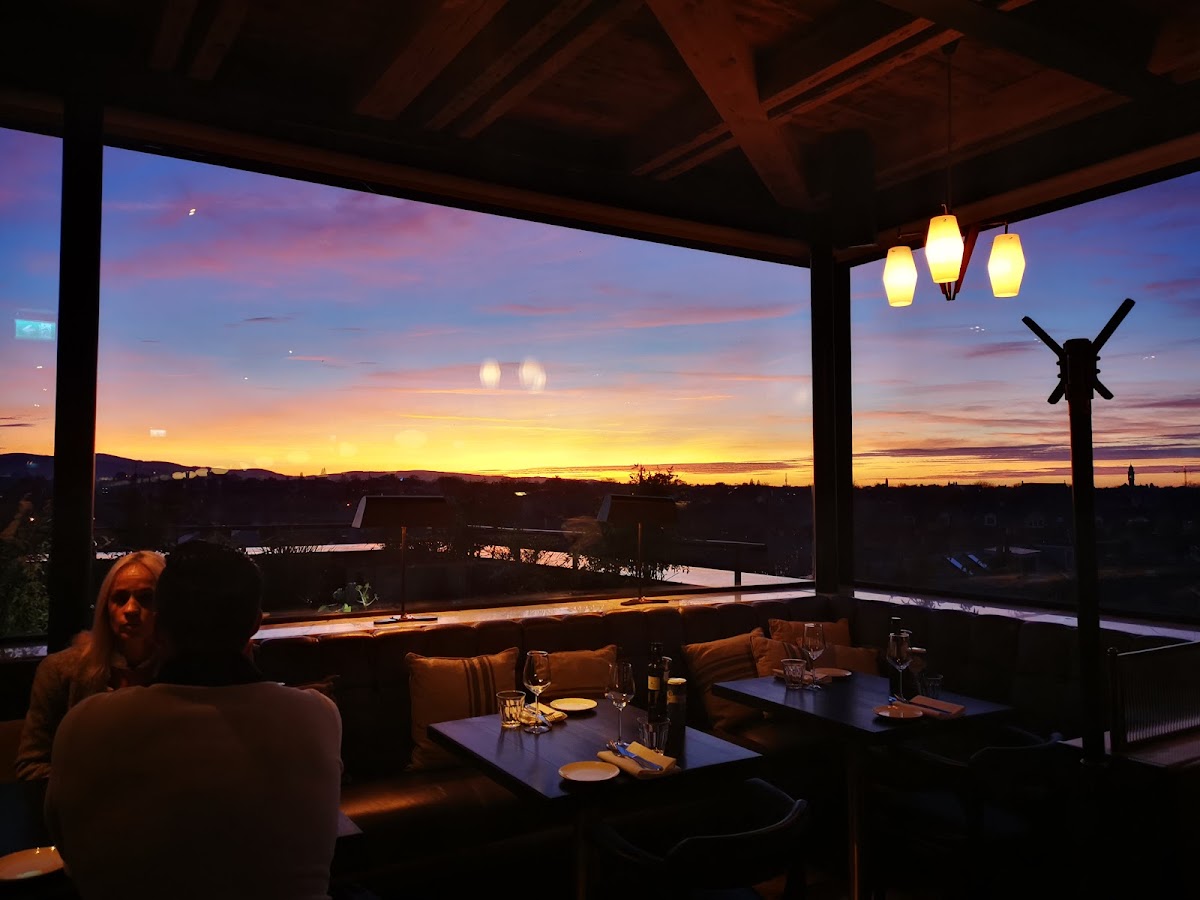
Photo by Ralph Olazo on Unsplash
Ever watched a group chat implode over one restaurant choice and wondered how a vacation could turn into a relationship audit? Drama-free group trip planning is less about luck and more about structure: clear roles, honest money talk, and an itinerary that values both togetherness and solitude. This guide teaches you practical, sensory-rich tactics to plan a group trip without the drama.
Why group trips go sideways (and how to stop it)
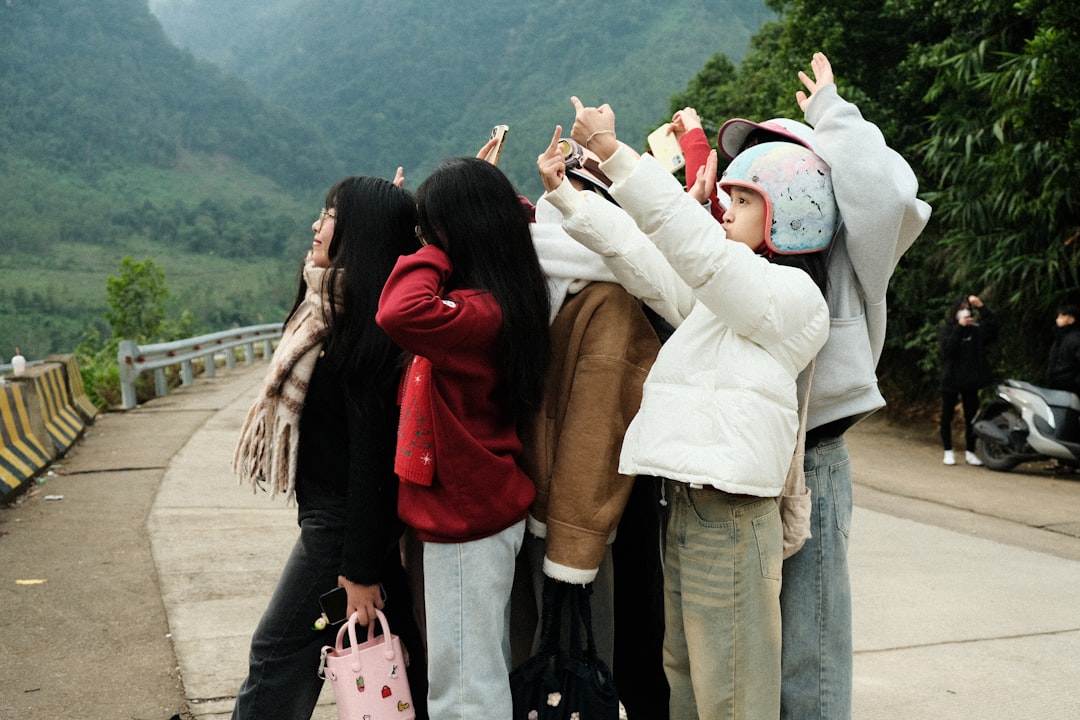
Photo by Đào Việt Hoàng on Unsplash
Groups crack under the weight of vague expectations. Left unspoken: budgets, travel styles, sleeping preferences, and who will actually do the planning. These small omissions compound in the hotel lobby at 7 a.m. when three people need the bathroom and one person has already booked a last-minute excursion.
Imagine a warm villa kitchen filled with citrus-scented air as the group negotiates breakfast plans calmly because roles were already assigned. Picture kids racing barefoot on a salt-sprayed terrace while adults read in shaded nooks because free time was protected. That contrast is the result of a few upfront conversations.
Core fixes:
- Set a shared budget and tiers from the start.
- Assign 3–4 roles: trip lead, accommodation researcher, transport coordinator, finance tracker.
- Build an itinerary of anchor moments plus breathing space.
Primary framework: 6 steps to a drama-free trip
Before diving into details, here’s a practical sequence you can follow.
- Vision survey: three quick multiple-choice questions (budget, vibe, must-have).
- Guest list and size check: match accommodation to headcount.
- Roles and deadlines: assign responsibilities and lock decision windows.
- Budget plan with buffer: share a cost sheet and a 10–15% contingency.
- Itinerary skeleton: anchor activities + flexible blocks.
- Conflict protocol and emergency fund: how to pause a fight and where the money lives.
Each step reduces friction and preserves friendships.
Align the vision (before picking destinations)
Start with an eight-question survey: budget range, sleep preferences, activity level, food priorities, alcohol expectations, family needs, accessibility needs, and travel insurance stance. Keep it under two minutes — people answer honestly when it's quick.
Senses exercise: picture the place you want. Do you hear live music at night? Smell wood smoke and coffee in the morning? If half the group imagines crisp mountain air and the other half imagines warm sand and rum cocktails, you already know there’s a style mismatch to resolve.
If opinions clash, create tiers: Tier A (comfort), Tier B (value), Tier C (budget). Let each person pick one tier; if most fall into one tier, that’s your baseline.
Set the budget and financial rules
Money causes the most drama. Be explicit: define what’s shared (accommodation, gas, household groceries) and what’s optional (spa treatments, private tours). Use a simple shared spreadsheet and an expense app (Splitwise, Tricount). Require an initial deposit to confirm attendance.
Practical numbers (example):
- Villa rental: $2,400 for 6 nights = $400/person for six people.
- Grocery + household supplies: estimate $25–35/person/day.
- Transport contingency: $100–200 per person depending on transfers.
Add a 10–15% emergency fund. Decide in advance whether guests are allowed to pay per-room instead of per-person when rooms differ in size.
Assign roles — who does what
Role clarity prevents burnout. Typical setup:
- Trip Lead (one person): deadlines, final decisions, calendar management.
- Accommodation Researchers (1–2 people): shortlist properties, confirm bedroom/bath ratios.
- Transport Coordinator: books cars, monitors flight deals, arranges pickups.
- Finance Tracker: maintains the expense sheet and reminds people of payments.
- Activities Lead (optional): scouts and books anchor experiences.
Rotate small tasks so no one feels like the unpaid wedding planner.
Build a group-friendly itinerary
The magic formula: 1–2 anchor activities per day + generous free time.
Narrative: Start the morning with the smell of espresso and baked bread at a local cafe; mid-day the group meets for a sunlit hike to a viewpoint, then disperses for afternoon naps, market browsing, or a lazy swim. Evenings bring a communal dinner with a single unmistakable highlight of the trip.
Sample daily skeleton:
- Morning: optional early activity (guided hike, market visit)
- Afternoon: unstructured time
- Evening: planned group dinner or shared experience
Optional sign-ups work well: list three optional add-ons and let people RSVP by a deadline.
Conflict prevention and resolution
Small rules, big impact:
- Private pause rule: anyone can call a 15-minute break from a conversation.
- Neutral mediator: trip lead acts as facilitator, not judge.
- No public shaming: disagreements are handled privately.
If tensions rise, use the pre-agreed protocol: step away, cool-off time, private chat, then group update.
Logistics: picking the right accommodation
Pick a layout that matches privacy needs. Look for:
- One bathroom per three guests minimum.
- Multiple primary suites for adult privacy.
- Large communal dining and living spaces for shared time.
Don't be seduced by photos — confirm bed types, door privacy, and noise levels. If using multiple properties, ensure they are within a short drive and establish meeting points.
Use tech smartly (but not obsessively)
Recommended tools:
- Shared calendar (Google Calendar) for deadlines and key activities.
- Expense app (Splitwise, Tricount) with receipts uploaded instantly.
- Simple shared doc for the itinerary and contact list.
One tip: set calendar notifications to “silent” for some members who prefer fewer pings.
How to choose the group size and composition
Smaller groups (4–8) are nimble and cheaper per head for many villas. Larger groups (10–20) can be festive but require more structure, sub-groups, and often multiple properties.
Consider dynamics: multi-generational mixes need early-bedroom assignments; old friends who reconnect after years may prefer shared rooms; workmate groups need clearer expectations about downtime and phones.
How to get there
Include realistic transport plans so everyone knows arrival windows.
Airports and codes (examples for a Mediterranean villa trip):
- Fly into Rome Fiumicino (FCO) or Naples (NAP). Rome offers more international connections; Naples is closer to southern coastal destinations.
- From Rome (FCO) to coastal villa: 2.5–4 hours by car or train + shuttle. Car rental from Rome airport: compact SUV from $40–70/day.
Train and ferry options:
- Trenitalia high-speed trains connect Rome Termini to Naples (1h10m) and Salerno (2h30m). Expect €20–€45 per person one-way in 2026 mid-range fares.
- Ferries run from Naples/Salerno to nearby islands; book in advance for summer weekends.
Drive times and costs:
- Rome (FCO) to Amalfi Coast drive: ~3.5 hours (220 km). Toll and fuel: $40–60 total for a 6-person split.
- Car hire for a week: $250–$600 depending on vehicle and insurance.
Local transfers:
- Private shuttle from Naples to villa: $120–$220 per vehicle depending on size.
Things to do
Each activity below is presented with neighborhood/context and sensory details.
- Sunrise coastal hike and viewpoint (Amalfi Coast example)
- Sensory: salt breeze, bird calls, terraced lemon groves perfuming the path.
- Why go: short, stunning sunrise anchor activity.
- Market morning and communal cooking
- Sensory: crushed ice on fish stalls, bright citrus, chatter and bargaining.
- Why go: source ingredients for a group-cooked dinner; builds connection.
- Boat day with optional snorkeling
- Sensory: diesel hum fading to the lapping of water, warm spray, bright blue horizons.
- Why go: a high-impact shared memory and a place for subgroup exploration.
- Village wandering and espresso rituals
- Sensory: clinking cups at the bar, powdery lemon pasticciotti, bell chimes.
- Why go: a low-key afternoon option for solo wanderers.
- Wine or olive oil tasting at a nearby estate
- Sensory: grassy herbs on the nose, golden oil glinting in bowls, low-conversation hum.
- Why go: an optional premium experience for those who opt in.
- Sunset communal dinner with a theme
- Sensory: string lights, warm plates, laughter, and the clink of wine glasses.
- Why go: anchors the day and gives everyone a shared story.
- Rainy day plan B: museum, cooking class, or indoor game tournament
Where to stay
Reality check: give options for budget, mid-range, luxury with price bands.
Budget
- Shared guesthouse or family-run B&B. Price range: $45–$90 per person/night.
- Why: good for groups on tight budgets who prioritize activity over private space.
Mid-range
- Three- to four-bedroom villa or apartment with full kitchen. Price range: $200–$450/night total depending on season.
- Why: balanced privacy and communal areas; perfect for groups of 6–10.
Luxury
- Large estate or professionally managed villa with concierge and private chef options. Price range: $600–$3,000/night.
- Why: minimizes friction (cleaning, grocery stocking, concierge) and reduces logistic drama.
Booking tip: confirm toilet-to-guest ratio in writing. A listing that promises 5 bedrooms but only two full baths creates morning gridlock.
Where to eat
Highlight local dishes and meeting spots with sensory detail.
Shared kitchen meals
- Fresh pasta tossed with local olive oil and citrus zest, a street-market bounty of tomatoes and anchovies.
- Why: economical, social, flexible for dietary needs.
Casual local restaurants
- Piazza trattoria with wood-fired oven and braided rosemary focaccia. Expect €12–€25 per main course.
Special night out
- Book one celebration dinner at a well-reviewed seaside restaurant; plan transport and budgets in advance.
Markets and snacks
- Local market specialties: fresh mozzarella, bruschetta, gelato stands for afternoon treats.
Practical tips
Best months and weather:
- Shoulder seasons (late spring and early autumn) balance milder weather, smaller crowds, and better rates.
What to pack:
- Shared items: first-aid kit, power strip, portable speaker, universal plug adapter.
- Personal items: quick-dry layers, earplugs, refillable water bottle, comfortable walking shoes.
Customs and etiquette:
- Ask about quiet hours at your accommodation; many villages observe midday pauses.
Connectivity:
- Ensure at least one local SIM or eSIM for the transport coordinator. Offline maps downloaded in advance reduce stress.
Safety:
- Keep copies of IDs and emergency contacts in a shared document. Agree on a check-in cadence if someone goes off alone.
FAQ / Domande frequenti
Q: How far in advance should we plan a group trip?
A: Start 3–6 months for small groups, 6–9+ months for larger groups or peak season travel.
Q: What’s a fair way to split costs when rooms vary?
A: Pro-rate room costs by size/amenity; split communal costs evenly. Put the math in a shared sheet everyone approves.
Q: How much free time should we schedule daily?
A: Aim for at least 3–5 hours of unstructured time daily, plus one full free day per 4–6 days of travel.
Q: What happens if someone cancels late?
A: Have a cutoff date for refunds. After that, the departing person should find a replacement or accept the financial consequences unless they have insurance.
Q: Should we use travel insurance for group trips?
A: Yes. With more people comes a higher chance someone needs to cancel; insurance reduces awkward financial fallout.
Comparison tables
Budget tiers (example for a 6-night villa trip, per person estimates)
- Budget: $300–$550 (shared guesthouse, public transport, grocery dinners)
- Mid-range: $600–$1,200 (villa split, some paid activities, shared car)
- Luxury: $1,800+ (private transfers, private chef, exclusive experiences)
Airlines and transfer options (example routes to coastal regions)
- Low-cost carriers to regional hubs: good for budget; adds luggage and transfer costs.
- Legacy carriers to main international airport: more reliable schedules and baggage, often better for groups traveling with older family members.
Month-by-month crowd and price snapshot
- June–August: highest prices, busiest. Book 6–9 months ahead.
- May & September: sweet spot — pleasant weather, fewer crowds, better rates.
- October–April: quieter, some services reduced, best for very low budgets and travelers comfortable with cool weather.
Sample packing list for the group
Group items:
- First aid kit, spare toothbrushes, power strips, cooler for market runs, reusable shopping bags.
Personal essentials:
- Lightweight jacket, swimwear, walking shoes, sunscreen, plug adapter, photocopies of travel docs.
Insider negotiation phrases that keep the peace
When tensions rise, use neutral language:
- "Let’s table that for now and revisit after dinner."
- "Can we agree on a quick poll so the trip lead can finalize?"
- "To be fair to everyone who paid deposits, let’s follow our cancellation rule."
Final checklists before departure
- Deposits paid and receipts uploaded.
- Shared calendar set with arrival windows and key anchors.
- Emergency fund accessible and finance tracker active.
- Room assignments confirmed and special needs listed.
Internal resources and helpful reads
For budgeting or recovering from travel fatigue, readers might find useful tips in How to Beat Jet Lag: Science-Backed Remedies 2026 for planning arrival days and rest, and pairing a quiet recovery day with a Best Honeymoon Destinations 2026: Romantic Guides & Itineraries style approach if your group celebrates a special occasion together. Also check travel planning tools at https://traveldeck.ai for organizing itineraries and shared documents.
Closing reflection
Group travel can be the most joyful way to collect memories — shared sunsets, the smell of a market early in the morning, and the sound of laughter around a communal table. The trick is designing a container that protects those moments: clear agreements, honest money conversations, and room for solitude. Plan with care, stay curious about each other, and you’ll come home with stories instead of resentments.