Cala Goloritzé Guide 2026: Ultimate Sardinia Cove Handbook
Cala Goloritzé Guide 2026: Ultimate Sardinia Cove Handbook
Have you ever stood on a cliff and felt the sea pull a gasp out of you? Cala Goloritzé does that—every time. This Cala Goloritzé guide 2026 cuts past postcards and clichés to give practical, on-the-ground advice for hikers, snorkelers, climbers and photographers who want to experience the cove like it deserves: slow, respectful, prepared.
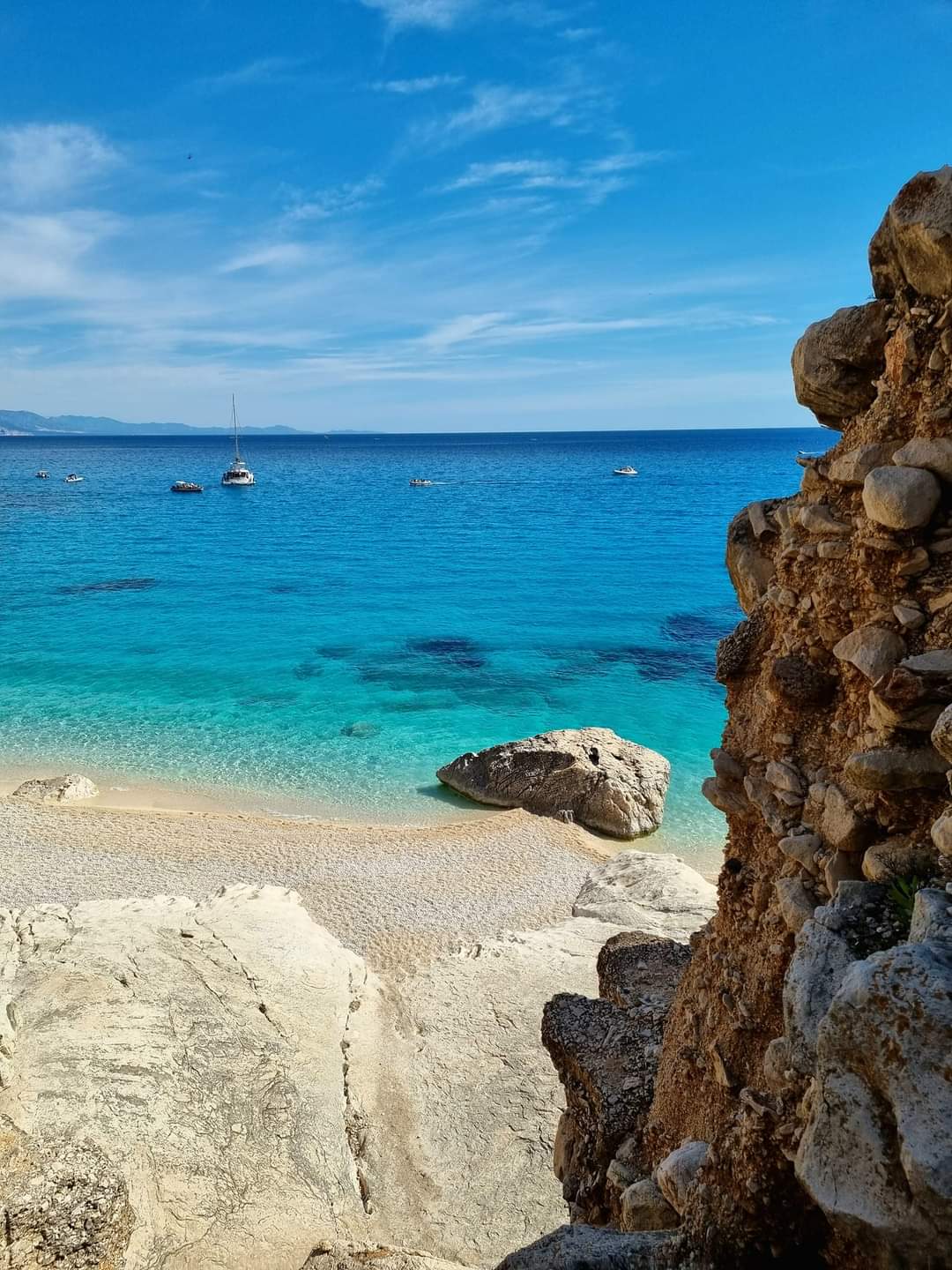
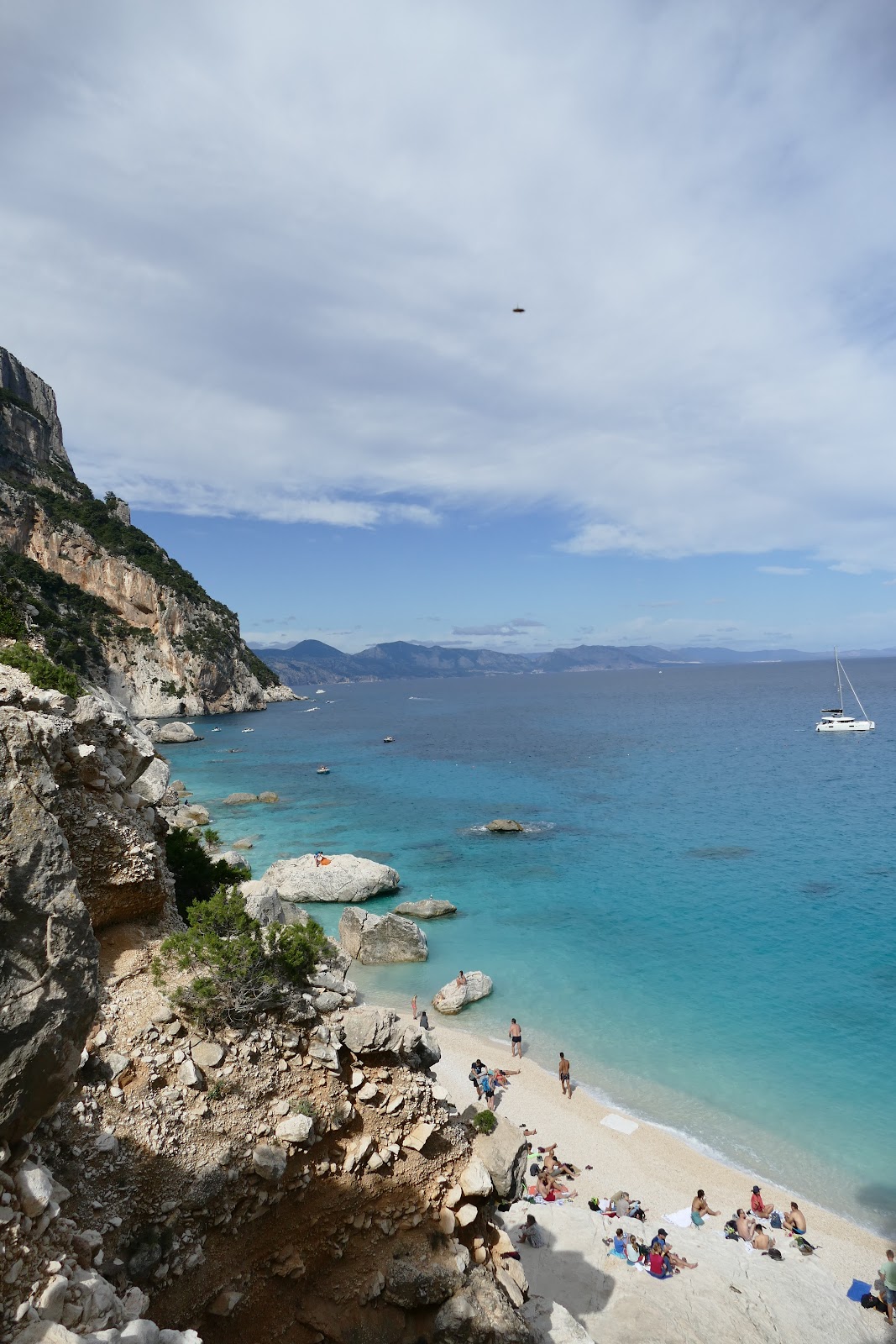
Cala Goloritzé sits on Sardinia’s eastern flank inside the Gulf of Orosei, a protected cove of limestone cliffs, turquoise water and one unmistakable vertical spire. Whether you approach on foot down the switchbacks or circle the headland by boat, the place rewards effort with extraordinarily clear water, Posidonia meadows, and that needle-like Aguglia rising from the sand. This guide covers transport, exact costs, activity breakdowns, accommodation for every budget, where to eat nearby, practical safety tips and answers to the questions travelers actually ask.
Why Cala Goloritzé still matters in 2026
The cove is protected and regulated for a reason: fragile habitats, spectacular geology and concentrated visitor pressure. In 2026 the balance between access and protection is more visible than ever — limited parking, permit-like controls on landings in some seasons, and an emphasis on leave-no-trace behavior. But that doesn’t mean the experience is closed off. It means you must plan intentionally. This Cala Goloritzé guide 2026 shows you how to win the best light, avoid crowds, and protect what you came to admire.
Primary snapshot: quick facts
Mario Santu
- Location: Gulf of Orosei, Baunei municipality, Sardinia, Italy
- Nearest town: Baunei (9–12 km driving depending on parking area)
- Coordinates (approx): 40.2858° N, 9.6760° E
- Access: 1.5–2.5 hour hike from parking / boat approach from Santa Maria Navarrese or Arbatax
- Beach type: pebble / small shingle with limestone cliffs and rock spire (Aguglia)
- Protected status: marine-protected area; restrictions apply
Come arrivare / How to get there
Fabian
To make this practical, I list airports, transfers, driving times, local buses, boat options and approximate costs (2026 prices).
Major airports and routes:
- Olbia Costa Smeralda Airport (OLB): 165–190 km, 2.5–3 hours drive. Rental car recommended. Ferry options to Arbatax then drive.
- Cagliari Elmas Airport (CAG): 190–220 km, 3–3.5 hours drive.
- Alghero-Fertilia Airport (AHO): 220–260 km, 3.5–4 hours drive.
Closest rail/bus access:
- Trenitalia / regional trains run to Tortolì or Lanusei; from either station take a bus or taxi to Arbatax or Santa Maria Navarrese. Bus connections are limited — expect to transfer and wait.
Best local arrival plan:
- Fly to Olbia (OLB) or Cagliari (CAG), rent a car. In 2026 a small rental costs ~€30–€60/day off-season, €60–€110/day in high season.
- Drive to Baunei or Santa Maria Navarrese. From Santa Maria Navarrese it’s a 25–35 minute coastal drive to the Goloritzé parking area (Sentiero Cala Goloritzé).
Parking and trailhead details:
- Official parking (Parcheggio Goloritzé / Pedra Longa area): seasonal fees apply; expect €6–€15 per day in 2026 depending on season and shuttle availability.
- Trail: well-marked but steep; descent 1.5–2 hours, return 2–2.5 hours depending on fitness. Bring water and sun protection.
Boat approaches:
- Departures from Santa Maria Navarrese and Arbatax run daily in high season. Half-day boat trips cost ~€30–€55 per person; private boat charters from €200–€500 depending on size and length.
- Note: anchoring and landing rules vary. Use licensed operators and confirm landing is allowed on the day you travel.
Estimated costs summary (2026):
- Car rental: €30–€110/day
- Fuel: €1.70–€2.10/liter (variable)
- Parking: €6–€15/day
- Boat transfer: €30–€55/person (shared)
- Local bus/taxi: €6–€40 depending on route
Cosa fare / Things to do
Cala Goloritzé is compact but richly varied. Here are 7 specific activities with practical details and addresses/neighborhoods where possible.
1) Hike the Sentiero Cala Goloritzé (Trail)
The descent from the parking plateau is the arrival: 1.5–2 hours down through macchia mediterranea with switchbacks and viewpoints. Wear sturdy shoes — the path is rocky and exposed. Key viewpoints are at the ridge overlook before the final switchback where you get the classic reveal of the cove and Aguglia.
2) Snorkeling the Posidonia meadows
Bring a mask and snorkel — visibility is often excellent (6–20+ meters on calm days). Swim slowly over the seagrass to see small reef fish, occasional sea bream and the textured limestone plates below. Pack biodegradable sunscreen to protect the ecosystem.
3) Photograph the Aguglia and cliffs
Best light: early morning (soft east glow) or late afternoon (golden light on the cliffs). Try three compositions: from the sand looking at the spire, from waist-deep water with the spire behind, and from the low cliffs at the beach’s right side.
4) Rock climbing on the Aguglia (advanced only)
Aguglia is a classic multi-pitch limestone needle for experienced climbers. This is serious climbing — bring a full rack, ropes and local beta; check access rules and obtain any needed permits.
5) Boat circumnavigation at sunset
A slow circumnavigation from Santa Maria Navarrese gives the headland perspective and allows you to watch the spire silhouette at sunset. Shared sunset runs are popular; private bookings offer flexibility.
6) Day-trip loop: Cala Goloritzé + Cala Mariolu + Cala Luna
Combine by boat or by sequential hikes (requires logistics). These neighboring coves each have different characters: Mariolu has white pebbles and caves; Luna is larger with cave systems and a longer beach.
7) Natural history walk and birdwatching
The scrub and cliffs host seabirds and endemic plants. A quiet early-morning walk rewards with scent of thyme and rosemary, and the sound of insects and distant boats.
Dove dormire / Where to stay
Nearby towns: Baunei, Santa Maria Navarrese, and Arbatax. Prices are 2026 estimates and change by season.
Budget (€40–€80/night)
- Baunei guesthouses and agriturismo rooms: simple rooms, family-run B&Bs. Expect €40–€70 in shoulder season; €60–€100 in peak summer. Example neighborhoods: Baunei centro, near the municipal bus stop.
- Hostel/guest rooms in Santa Maria Navarrese: shared accommodation and private rooms from €35–€80.
Mid-range (€90–€180/night)
- Family-run hotels and well-rated B&Bs in Santa Maria Navarrese offering sea views and breakfasts. Expect €90–€150 in shoulder season; €120–€200 in July–August.
- Agriturismi around Baunei with parking and breakfast included.
Luxury (€220+/night)
- Boutique coastal hotels and villas near Santa Maria Navarrese and Arbatax with private transfers and sea-view terraces. High-season rates in 2026 often exceed €300/night for premium properties.
Booking tips: reserve 4–8 weeks ahead for July–August; shoulder months are flexible. Use official booking sites or hotel webpages for best cancellation terms.
Dove mangiare / Where to eat
The nearby towns host simple seafood trattorie, bakeries and markets. Sardinian cuisine emphasizes fresh fish, durum-wheat pasta, pecorino cheese and seasonal herbs.
Local dishes to try:
- Culurgiones: Sardinian stuffed pasta often filled with potato and pecorino, served with sage butter or tomato sauce.
- Bottarga: cured fish roe, shaved over pasta.
- Fregula con arselle: Sardinian couscous-like fregula with clams.
- Seadas (dessert): fried pastry with pecorino and honey.
Recommended areas and establishments (2026 suggestions):
- Santa Maria Navarrese harborfront restaurants: daily catches, grilled fish and seafood pasta. Expect mains €12–€30.
- Baunei village trattorie: family menus, local wine by the carafe. Expect mains €10–€20.
- Arbatax fish markets and waterfront cafés for quick morning espresso and pastries.
Pro tip: pack a picnic for the beach — there are no food services at Cala Goloritzé itself.
Consigli pratici / Practical tips
Best months: May–June and September–early October for mild temperatures, fewer crowds and calmer trails. July–August are hot and crowded; prepare for limited parking and busier boats.
Weather and what to pack:
- Temperatures: summer highs 28–32°C; shoulder season 20–25°C. Bring layers for cool evenings.
- Footwear: sturdy trail shoes for the descent and ascent; water shoes for the rocky shore.
- Sun protection: high-SPF sunscreen (reef-safe), hat, UV shirt, reusable water bottle (fill before the hike).
- Gear: snorkel set, lightweight towel, small first-aid kit, power bank, and a dry bag if you approach by boat.
Currency and connectivity:
- Currency: Euro (EUR). ATMs in Santa Maria Navarrese and Arbatax; Baunei has limited cash services.
- Connectivity: mobile data is generally available but patchy on the trail; download maps offline. Consider a local SIM if you need steady data.
Respect and safety:
- Leave no trace. The cove is protected: take rubbish with you, avoid stepping on Posidonia beds, and don’t collect rocks or shells.
- Water safety: currents can be deceptive. Swim cautiously, avoid long solos, and check local conditions before entering.
- Emergency numbers: Italy emergency 112. Note location coordinates before you descend.
Comparison: budget tiers at a glance
| Tier | Accommodation (per night) | Typical meal | Transport (one-way) |
|---|---|---|---|
| Budget | €40–€80 | €10–€15 | Local bus €6–€15 |
| Mid-range | €90–€180 | €15–€30 | Rental car split €20–€40 |
| Luxury | €220+ | €30–€60 | Private boat €200+ |
Q: How long is the hike to Cala Goloritzé?
A: The descent takes 1.5–2 hours; the return climb is usually 2–2.5 hours depending on pace and fitness.
Q: Can you camp overnight on the beach?
A: No. Camping and overnight stays on the beach are prohibited due to protection rules. Use nearby licensed campsites or accommodations.
Q: Is Cala Goloritzé good for snorkeling?
A: Yes. Clear water and Posidonia meadows make for excellent snorkeling; bring your own gear and avoid stepping on seagrass.
Q: Are there toilets or water at the beach?
A: Basic facilities exist at the parking area during the season; the beach itself lacks services. Carry all essentials.
Photography and timing
Golden hour, off-peak months and early mornings are your friends. If you shoot, carry polarizing filters to deepen the turquoise water, and respect other visitors — no drone flights without checking local rules.
If you love planning logistics as much as the view, this is one place where careful timing changes everything. Shoulder-season light, a quiet beach and a calm sea create photographs and memories that justify the effort. For broader planning strategies that help with timing and packing, check our guide on Why Shoulder Season Travel Saves Money and Improves Your Trip and sharpen your shot selection with Travel Photography Gear Essentials: Pack Like a Pro.
One practical resource to keep in your pocket when researching transport and lodging is the TravelDeck homepage: https://traveldeck.ai — it’s a good place to store maps and notes for a multi-day Sardinia plan.
Closing thoughts
Cala Goloritzé is not a destination you tick off in a hurry. It’s a small, fragile world where geology, sea and human presence meet in stark relief. Hike in slowly, breathe in the resinous air, and let the spire keep its silence. When you leave, you’ll have salt on your skin, sand between toes and a memory that rewards the effort. Protect it while you’re here, and you’ll help ensure it stays a gasp-worthy place for the travelers after you.