Firenze Travel Guide 2026: Insider Florence Guide & Tips
Firenze Travel Guide 2026: Insider Florence Guide & Tips
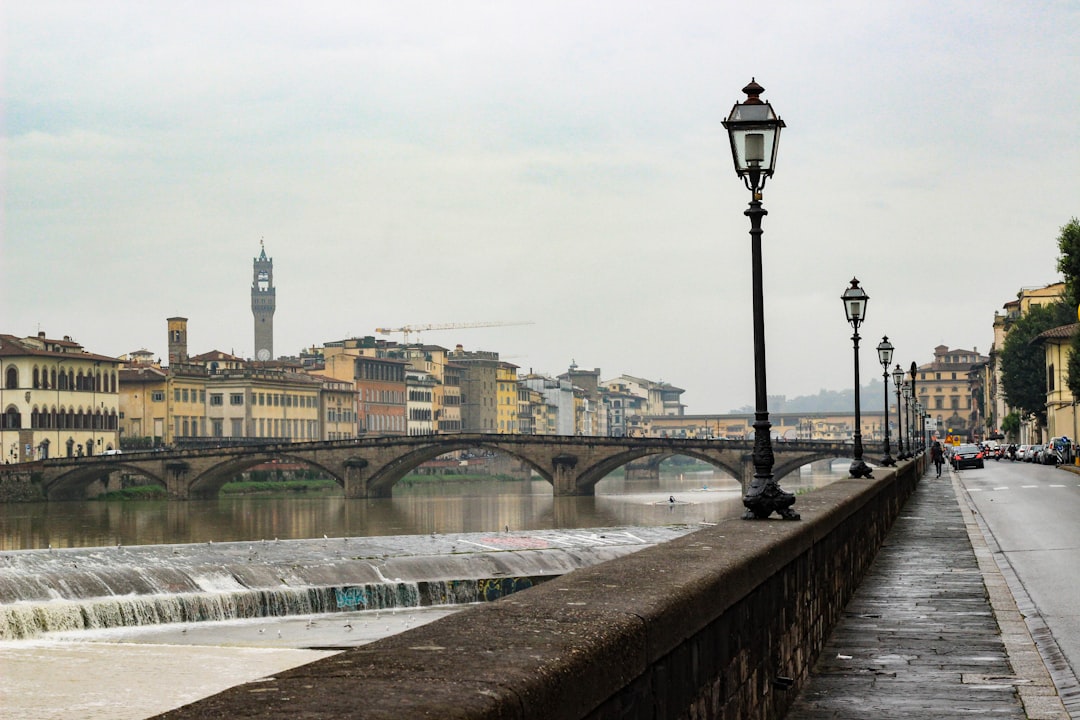
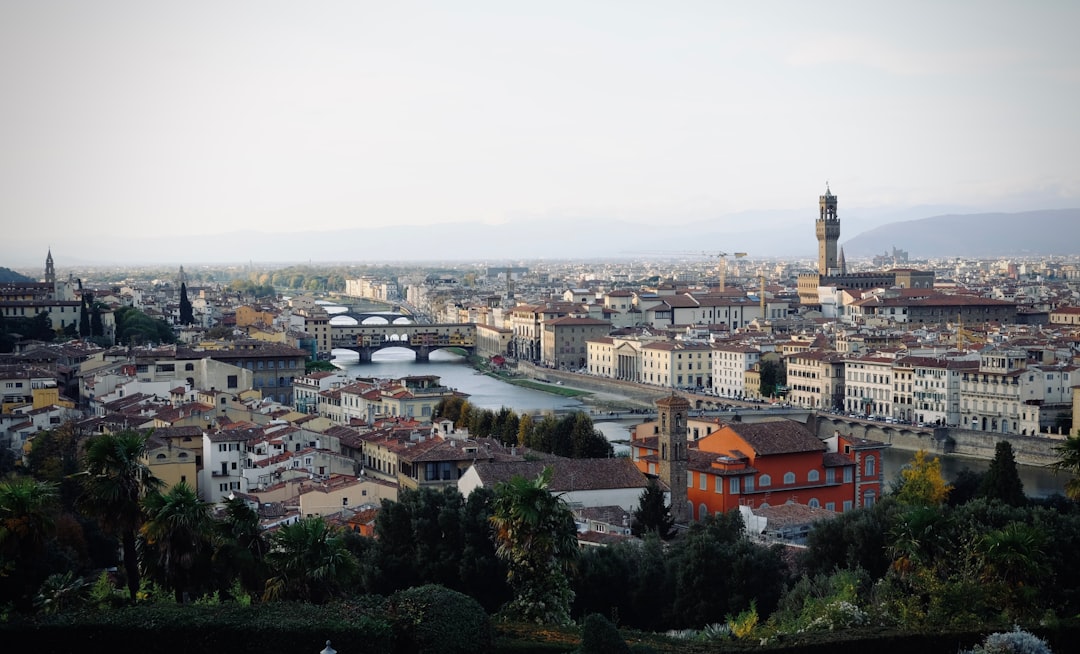
Photo by Tom Wheatley on Unsplash
Have you ever stood beneath Brunelleschi’s dome and felt time slow down? Firenze hums with history at every corner: cobbled lanes scenting of espresso, the Arno’s soft glint at dusk, and ribbed terracotta roofs that glow like embers. This Firenze travel guide 2026 is designed to help you feel the city — not just tick boxes — with real logistics, neighborhood notes, and sensory detail to plan the trip you’ll remember.
Firenze travel guide 2026 opens with a surprising fact: the historic center is compact enough that many of the city’s world-class galleries, palazzi, and markets sit within a 20-minute walk of each other — but it rewards slow travel. Keep this guide close as you plan routes, choose where to sleep, and pick memorable meals.
Why this Firenze travel guide 2026 matters
Photo by federica ariemma on Unsplash
Florence (Firenze) is smaller than many expect, yet dense with masterpieces and artisan craft. Use this Firenze travel guide 2026 to avoid crowds at peak sites, discover quieter neighborhoods in the Oltrarno, and time your visits to match light, sound, and mood. Whether you’re a first-timer or a repeat visitor, I’ll help you move beyond the obvious into local rituals, workshops, and routes that feel like secrets.
Quick snapshot: Firenze at a glance
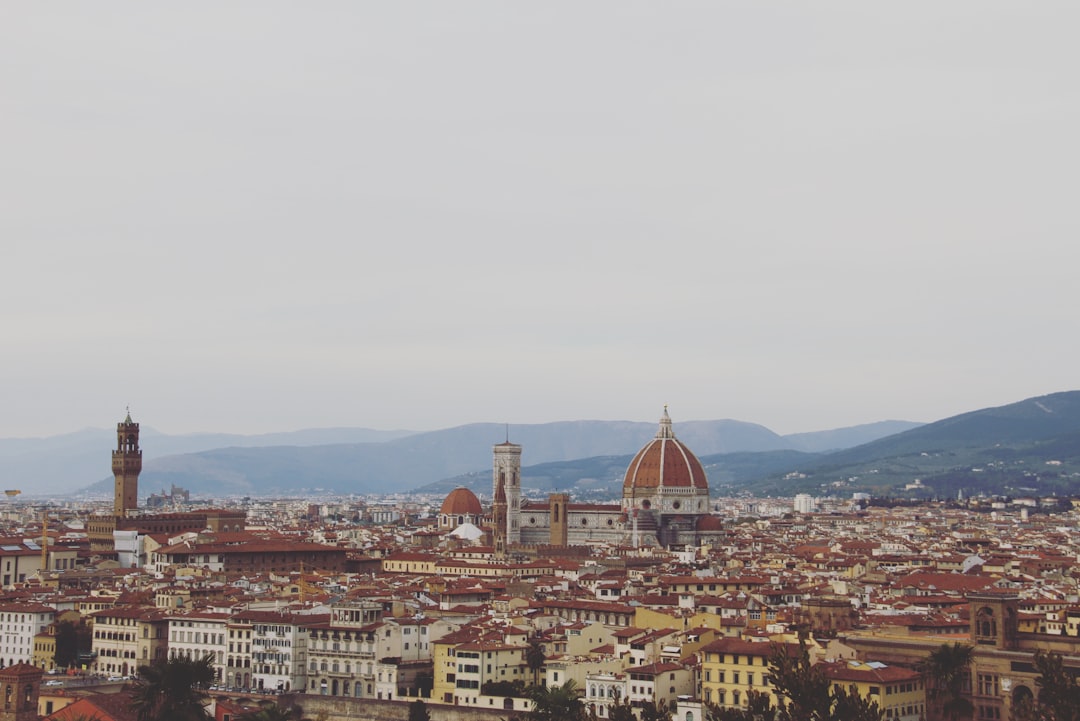
Photo by aitac on Unsplash
- Country: Italy
- Region: Tuscany
- Language: Italian (English widely spoken in tourist areas)
- Currency: Euro (EUR)
- Best base: Centro Storico or Oltrarno for evenings
Section overview
In this guide you’ll find: practical arrival options (## How to get there), a curated list of things to do (## Things to do), where to sleep and eat, money and safety tips, FAQs, and local links. You’ll also find comparison tables (budget tiers, airlines, weather) and direct external links to ticketing or official pages for convenience.
Related reading
If you want a deeper dive into season choices, check our piece on Why Shoulder Season Travel Saves Money and Improves Your Trip. For food-focused travelers, pair Firenze nights with the Regional Street Food Guide: Eat Like a Local on Every Trip. Also visit https://traveldeck.ai for planning tools that help assemble these details into an itinerary.
Come arrivare / How to get there
Firenze is extremely well-connected by air, rail, and road. Below are the most practical routes with approximate times and costs for 2026.
Airports
- Florence Airport, Peretola (FLR): 6 km north of the historic center. Taxi: 20 minutes, ~€20-€30. Tram T2 to Santa Maria Novella (SMN): 20 minutes, €1.50–€2.50.
- Pisa Galileo Galilei (PSA): 80 km west. Train from Pisa Centrale to Firenze SMN: 50–65 minutes, €8–€12; regional and Frecce trains run frequently. Bus shuttle options also available (~€7–€15).
- Bologna Guglielmo Marconi (BLQ): 100 km north. High-speed train Bologna Centrale to Firenze SMN: 35–50 minutes via Frecciarossa, €20–€45 depending on class and booking time.
- Rome Fiumicino (FCO): 270 km south. High-speed train from Roma Termini to Firenze SMN: 1h 20m–1h 45m on Frecciarossa/Italo, €20–€60.
Rail
- Firenze Santa Maria Novella (SMN) is the central hub. High-speed trains link Florence with Rome, Milan, Venice, Bologna, and Naples. Typical fares: Rome €20–€40; Milan €15–€45; Venice €25–€60 if booked in advance.
- Regional tickets are cheaper but slower; validate printed paper tickets in yellow machines before boarding.
Long-distance buses
- FlixBus and Itabus serve Florence from many Italian cities — cheaper but longer than high-speed trains. Expect 1.5–4 hours depending on origin, fares €5–€25.
Driving
- From Florence airport: A1 motorway links north/south. Driving into the Centro Storico (ZTL - Zona a Traffico Limitato) is restricted; if your hotel has reserved parking, coordinate arrival times and permits with them to avoid fines (fines are strictly enforced and can be €100+).
Ferries
- Not applicable directly; reach coastal towns (Livorno, Cecina) by train or car if planning seaside day trips.
Estimated costs table (one-way averages, 2026):
| Route | Time | Typical cost |
|---|---|---|
| FLR → SMN (tram/taxi) | 20 min | €2 / €25 |
| PSA → SMN (train) | 55 min | €8–€12 |
| Roma Termini → SMN (Frecciarossa) | 1h 30m | €20–€60 |
| Milan → SMN (Frecciarossa) | 1h 40m | €20–€50 |
Florence is layered: world-famous museums near the Duomo, artisanal workshops in Oltrarno, and grassy views from San Miniato and Piazzale Michelangelo. Here are 7 must-do experiences that balance art, food, and neighborhoods.
1) Stand with the giants: Galleria degli Uffizi and Galleria dell'Accademia
The Uffizi’s halls are cooled by centuries of marble and fresco light. Botticelli’s figures seem to pause mid-breath; the corridor views down to the Arno make the museum feel like a cinematic frame. Timed tickets are essential to avoid lines — book weeks in advance for peak months. The Accademia is smaller but unforgettable for Michelangelo’s David: notice the veins in the marble and the scale that upends expectations.
- Address: Uffizi, Piazzale degli Uffizi; Accademia, Via Ricasoli 58/60.
2) Climb and linger: Duomo, Cupola, Giotto’s Bell Tower
The Duomo dominates the skyline; climb the Cupola for a dizzying inside-out view of Florentine life. The stone steps creak; your breath will match the rhythm of the city below. If queues are long, climb Giotto’s Bell Tower (Campanile) for less-crowded panoramic vistas.
3) Oltrarno afternoons: workshops, cafes, and the Boboli gardens
Cross the Ponte Vecchio into Oltrarno, then let afternoon light guide you along artisan studios. Leatherworkers, bookbinders, and silversmiths still practice traditional crafts in narrow lanes. Stop for a coffee at a small piazza cafe and listen to conversation rhythm. Nearby, the Boboli Gardens offer a leafy escape — statuary and shaded groves perfect for a languid picnic.
4) Sunset at Piazzale Michelangelo or San Miniato al Monte
Golden hour turns Florence into a watercolor. Piazzale Michelangelo is theatrical and social: vendors, couples, and camera clicks. For a quieter experience, walk up to San Miniato al Monte — the Romanesque church’s warm stone and incense give an intimate sunset memory.
5) Markets and snacks: Mercato Centrale and Sant’Ambrogio Market
Squeeze between stalls at Mercato Centrale and taste fresh porchetta, tripe sandwiches, and artisan gelato. Sant’Ambrogio is where locals shop: produce, cheeses, and an authentic bustle. Perfumes of bread, roasting coffee, and frying dough mix into a classic Tuscan olfactory collage.
6) Forte Belvedere and the artisan routes
The Forte di Belvedere guards the south bank with sweeping views and curated exhibitions; the surrounding Oltrarno lanes host woodworkers and textile ateliers. If you love making, book a short leather workshop or a mosaic class for a hands-on souvenir.
7) Day trips: Chianti, Siena, San Gimignano, Pisa
Tuscany’s landscape is a patchwork of vineyards, stone farmhouses, and cypress-lined lanes. Chianti is 30–60 minutes by car or guided tour (wine tasting €20–€50). Siena and San Gimignano are classic day options reachable by train or bus; book a licensed wine or cooking tour if you want behind-the-scenes access.
Practical list with addresses and times:
- Duomo complex (Cattedrale di Santa Maria del Fiore): Piazza del Duomo, open daily; dome climb ticket approx. €22–€30 with combined access.
- Uffizi Gallery: Piazzale degli Uffizi; timed entries; standard ticket €20–€30 depending on temporary exhibits.
- Galleria dell'Accademia: Via Ricasoli 58/60; prebook to see David; tickets €12–€20.
- Mercato Centrale: Piazza del Mercato Centrale, open daily; stall prices €3–€20 per snack.
- Boboli Gardens & Pitti Palace: Piazza de' Pitti; joint entry €10–€18.
- Piazzale Michelangelo: free public square; reachable by bus or 20–30 minute walk from Ponte Vecchio.
Dove dormire / Where to stay
Choose a base that matches how you want to move by day and night. Below are realistic price ranges (2026 averages) and recommended neighborhoods.
Budget (€40–€90/night)
- Hostel options: Archi Rossi Hostel (near Piazza del Duomo) — dorm beds €25–€45; private rooms €60–€90.
- Budget hotels/B&Bs: Santa Maria Novella area — small family-run hotels from €60–€100.
Mid-range (€100–€220/night)
- Boutique hotels in Oltrarno: charming rooms with terraces, €120–€200. Look for family-run places around Via Romana and Santo Spirito.
- Centro Storico mid-range hotels: very walkable, slightly pricier but central, €140–€220.
Luxury (€280–€700+/night)
- Luxury palazzi conversions: Villa Cora and 4–5 star hotels near Ponte Vecchio or in restored palaces, with concierge services and rooftop views. Expect €350+ for peak season rooms.
Comparison table
| Tier | Neighborhoods | Typical nightly rate (2026) | Perks |
|---|---|---|---|
| Budget | Santa Maria Novella, San Marco | €40–€90 | Close to train station, cheap eats |
| Mid-range | Oltrarno, Centro Storico | €100–€220 | Central, boutique vibe, local cafes |
| Luxury | Borgo San Jacopo, Lungarno | €280–€700+ | Rooftop views, concierge, historic rooms |
Dove mangiare / Where to eat
Florence’s food world is pure Tuscany: olive oil, grilled steak, rustic soups, and sweet, silky gelato. Here’s where to sample local dishes and what to order.
Local dishes to try
- Bistecca alla Fiorentina: thick T-bone, grilled over wood coals and served rare-medium-rare. Expect a large portion for two; price €30–€70 depending on restaurant.
- Lampredotto: traditional Florentine street food — slow-cooked cow’s stomach served in a sandwich, often at market stalls and small stands; €3–€6.
- Ribollita: hearty Tuscan vegetable and bread soup, perfect in cooler months; €8–€15.
- Crostini toscani: chicken liver paté on toasted bread, classic antipasto.
- Gelato artigianale: look for natural coloring; expect €2–€4 per scoop.
Markets and neighborhoods
- Mercato Centrale (Piazza del Mercato Centrale): upstairs food hall with stalls and restaurants; great for tasting multiple dishes.
- Sant’Ambrogio Market (Piazza Lorenzo Ghiberti): local produce, cheeses, and small eateries.
- Oltrarno (Santo Spirito area): evening dining with neighborhood trattorias and small wine bars.
Restaurant suggestions (2026 averages)
- Budget eats: Trippa (Via dello Sprone) — hearty Tuscan plates, €10–€20 per dish. Street stalls for lampredotto near Mercato di San Lorenzo: €3–€6.
- Mid-range: Il Latini — classic Florentine experience, communal dining; set menus €35–€60. Osteria Vini e Vecchi Sapori in Santo Spirito for authentic Tuscan cooking: €25–€50.
- Splurge: Borgo San Jacopo Michelin-starred or riverside restaurants with degustation menus €80–€150+.
Coffee culture: Espresso is a standing ritual. Bar seating is cheaper than table service. Try a morning cornetto and espresso at a neighborhood bar.
Sweet endings: Look for artisanal gelato (e.g., Gelateria dei Neri, Gelateria La Carraia) and cantucci with Vin Santo for dessert pairing.
Consigli pratici / Practical tips
Best months and weather
- Best months: April–June and September–October (shoulder seasons) offer mild weather, fewer crowds, and lower prices. July–August is hot (30–38°C) and crowded. Winter (December–February) is quieter but cooler (2–12°C).
Packing list
- Comfortable walking shoes (cobblestones everywhere). Lightweight layers for variable spring/fall weather. Sun hat and sunscreen in summer. A small, lockable daypack. Refillable water bottle (many public fountains have potable water).
Money and costs (2026 estimates)
- Average coffee €1–€2 at the bar. Aperitivo €8–€15. Mid-range dinner per person €20–€40. Museum entry €10–€30. Daily budget: Budget €50–€80; Mid €100–€200; Luxury €300+.
Connectivity and SIM cards
- Major providers (TIM, Vodafone, WindTre) sell prepaid SIMs at airport kiosks and city shops. Expect €10–€25 for a 10–30GB tourist data plan.
ZTL and driving
- Centro Storico has restricted traffic zones (ZTL). If driving, coordinate hotel arrival and parking, and never enter ZTL without permission — fines are automatic.
Safety
- Florence is generally safe; take typical city precautions against pickpockets around major attractions and public transport. Keep valuables secure, avoid isolated streets late at night.
Cultural tips
- Dress modestly when entering churches. Learn simple Italian phrases: buongiorno, grazie, per favore. When dining, a slow-paced meal is the local norm — savor it.
Ticketing and tours
- Book Uffizi and Accademia tickets in advance, especially in summer. Consider early-morning or late-afternoon time slots to avoid peak crowds. For wine tours, use licensed operators and verify inclusions (transport, tastings, lunch).
FAQ / Domande frequenti
Q: How many days do I need in Florence?
A: For a meaningful visit, aim for 3–4 days. Two full days let you hit major highlights; three to four days allow for museums, neighborhoods like Oltrarno, and a short day trip to Chianti or Siena.
Q: Is Florence expensive in 2026?
A: Compared to other Italian cities, Florence is moderately expensive in the historic center. Budget travelers can manage with €50–€80/day; mid-range €100–€200/day. Book ahead for accommodations and museum tickets to save.
Q: Can I see Florence in one day?
A: You can see highlights (Duomo, Uffizi, Ponte Vecchio) in a rushed day, but Florence rewards a slower pace. If limited to 24 hours, pick a theme: art, food, or viewpoints, and prioritize in advance.
Q: Is Florence safe at night?
A: Yes—central areas are well-lit and lively. Standard urban caution applies. Avoid poorly lit side streets and watch for pickpocketing in tourist zones.
Q: Do I need to buy tickets for the Duomo?
A: The cathedral is free to enter for the nave, but access to the Cupola, Baptistery, and museums requires a combined ticket (approx. €22–€30). Reserve climbing slots ahead during peak season.
Comparison tables
Airlines to FLR (typical options 2026)
| From | Typical Carrier Options | Flight time | Notes |
|---|---|---|---|
| Rome (FCO) | ITA Airways, low-cost carriers | 1h | Often cheaper to fly+train; train is faster door-to-door |
| European hubs | Vueling, EasyJet | 1–3h | Seasonal routes; check luggage rules |
| Month | Avg high | Avg low | Crowd level |
|---|---|---|---|
| Jan | 10°C | 2°C | Low |
| Apr | 18°C | 8°C | Medium |
| Jun | 27°C | 15°C | High |
| Sep | 26°C | 14°C | High |
| Dec | 9°C | 2°C | Low |
- Florence tourism official site: https://www.visitflorence.com
- Tickets (Uffizi & Accademia official booking): https://www.uffizi.it and https://www.galleriaaccademiafirenze.it
- Florence airport info: https://www.aeroporto.firenze.it/en/
- Trenitalia / Italo high-speed trains: https://www.trenitalia.com and https://www.italotreno.it
- ZTL information (Comune di Firenze): https://www.comune.fi.it
Sample itineraries (choose your pace)
3-Day Firenze (balanced)
Day 1: Duomo complex (morning), Accademia (afternoon), sunset at Ponte Vecchio and Aperitivo in Oltrarno.
Day 2: Uffizi (early), Palazzo Vecchio, Mercato Centrale lunch, Boboli Gardens afternoon, dinner in Santo Spirito.
Day 3: Chianti day trip or Siena by train; evening back in Florence for gelato.
5-Day Firenze (slow travel)
Days 1–3: Deep art immersion with guided tours, small studio visits, cooking class in Oltrarno.
Day 4: Day trip to San Gimignano and Vernaccia wine tasting.
Day 5: Morning at Museo Galileo, afternoon wandering artisan shops and rooftop bars.
Sensory snapshots (to help you plan moments)
- Morning: The first espresso hits like a warm punctuation mark. Cobblestones glint as shopkeepers open wooden shutters; faint basil and toasted coffee swirl through narrow lanes.
- Noon: Church bells mark time. The Duomo’s marble flashes white and green in the sun; voices rise and fall in the piazzas like music.
- Evening: Lantern light on the Arno, the air softened by cooling stone. A spritz on a rooftop, clinking glasses, and the city folding into a warm hush.
Local customs and etiquette
- Tipping: Not mandatory; restaurants may add a coperto (cover charge) around €1–€3. Leave small change or 5–10% for exceptional service.
- Meal times: Lunch 12:30–14:30; dinner 19:30–22:00. Bars and aperitivo start around 18:00.
- Church etiquette: Cover shoulders and knees in religious sites.
Tags
["firenze travel guide 2026","things to do in Firenze","Firenze where to eat","Firenze how to get there","best time to visit Firenze","Florence travel tips","Oltrarno food guide"]
FAQ follow-up: quick answers for planning
Q: Where can I get a cheap SIM?
A: Kiosks at FLR or shops near SMN sell prepaid SIMs from €10 with regional data packages.
Q: Are museums closed on Mondays?
A: Some museums close Monday; check Uffizi and Accademia opening days before booking.
Q: Can I drink tap water?
A: Yes—Florence’s public fountains provide potable water. Look for the green “acqua potabile” taps.
Final thoughts
Firenze is a city you return to in memory long after the trip ends: a place where a single street corner can contain several centuries of poetry, politics, and craft. Use this Firenze travel guide 2026 to move beyond the bucket-list snapshots into slower afternoons, market breakfasts, and late-night conversations on stone steps. Let your itinerary have breathing room — take detours through artisan lanes, accept a stranger’s cafe recommendation, and let the city’s light determine your pace.
Ciao e buon viaggio — may Firenze surprise you in ways no photo can capture.