Regional Street Food Guide: Eat Like a Local on Every Trip
Regional Street Food Guide: Eat Like a Local on Every Trip
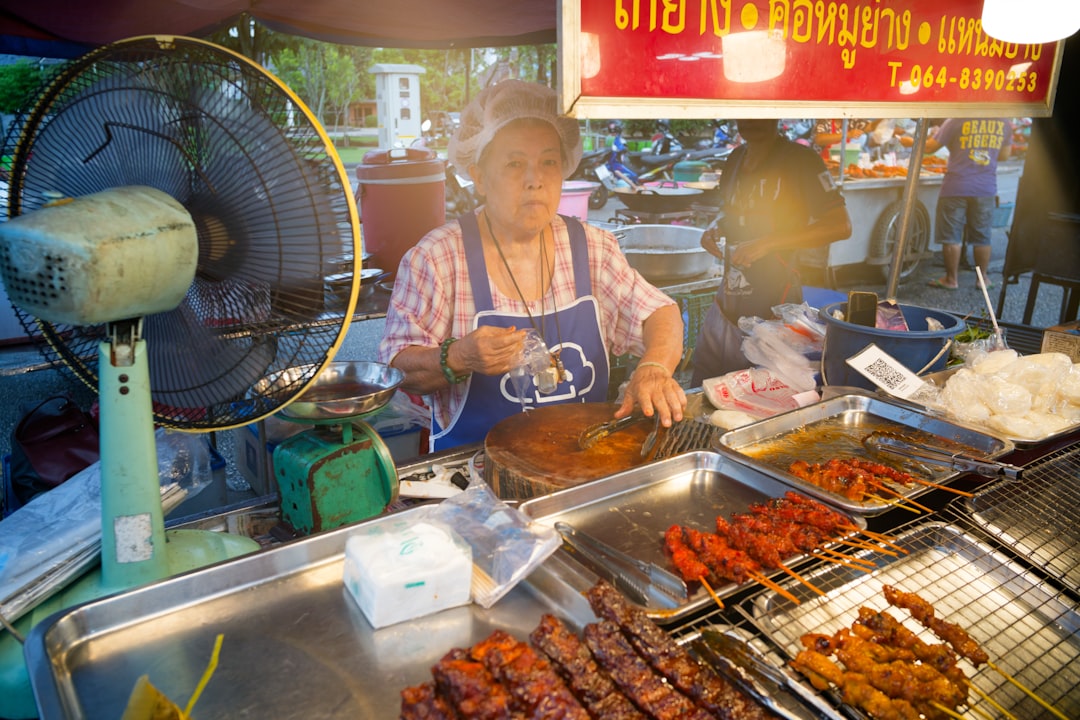
Photo by Kelvin Zyteng on Unsplash
Street food tells stories: of migration, resources, celebration, and survival. This regional street food guide shows travelers how to find authentic bites, read food stalls for safety, and build delicious itineraries that go beyond tourist traps.
Whether you’re chasing spicy skewers in Southeast Asia, soulful sandwiches in Latin America, or reinvented classics in Europe, this regional street food guide helps you taste the real city. Use it to plan routes, split costs with friends, and save your discoveries in TravelDeck’s shared gallery.
Why a regional street food guide matters
A regional street food guide isn’t just a list of recommended stalls. It’s a toolkit for understanding local foodways, respecting cultural norms, and making safer, smarter choices while eating on the move.
This guide covers:
- How to find trusted street food in any region
- What to look for to ensure hygiene and freshness
- Signature dishes to seek by region and why they matter
- How to use TravelDeck features for planning food routes and sharing costs
- Practical tips for dietary restrictions and avoiding scams
Use the primary keyword "regional street food guide" throughout this article as your compass. It will appear in the introduction, headings, and conclusion to anchor the focus of your search and travel planning.
Read before you eat: Basic safety in a regional street food guide
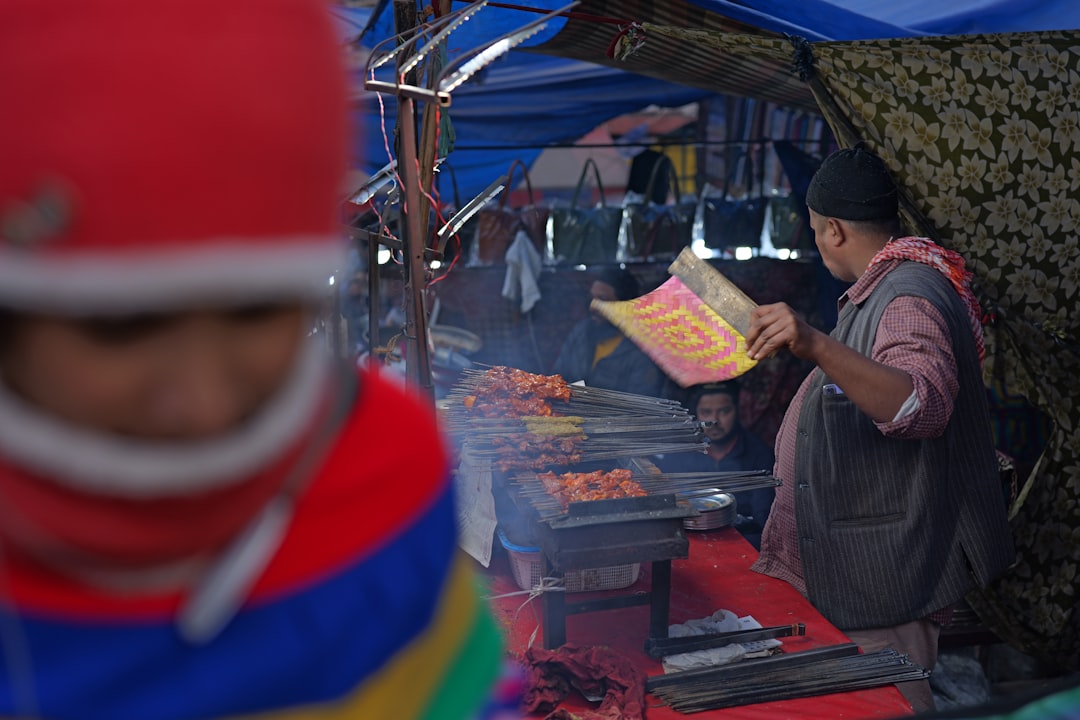
Photo by Rohan Sah on Unsplash
The smartest travel eaters look for simple signs of freshness.
- Queue length is a quick proxy: locals line up at places they trust.
- High turnover means food hasn’t been sitting out.
- Visible cooking over heat (grills, woks, steamers) reduces contamination risk.
- Clean hands, gloves, or utensils used by vendors is a good sign.
- Ask what was made last; many vendors are happy to point out the newest batch.
Carry basic items: hand sanitizer, a small pack of tissues, and a fork or chopsticks. If you need medications for stomach upset, pack them in your travel kit.
For more safety tips on traveling broadly, check our partner guides like Travel scams to avoid.
How to use this regional street food guide to plan your day
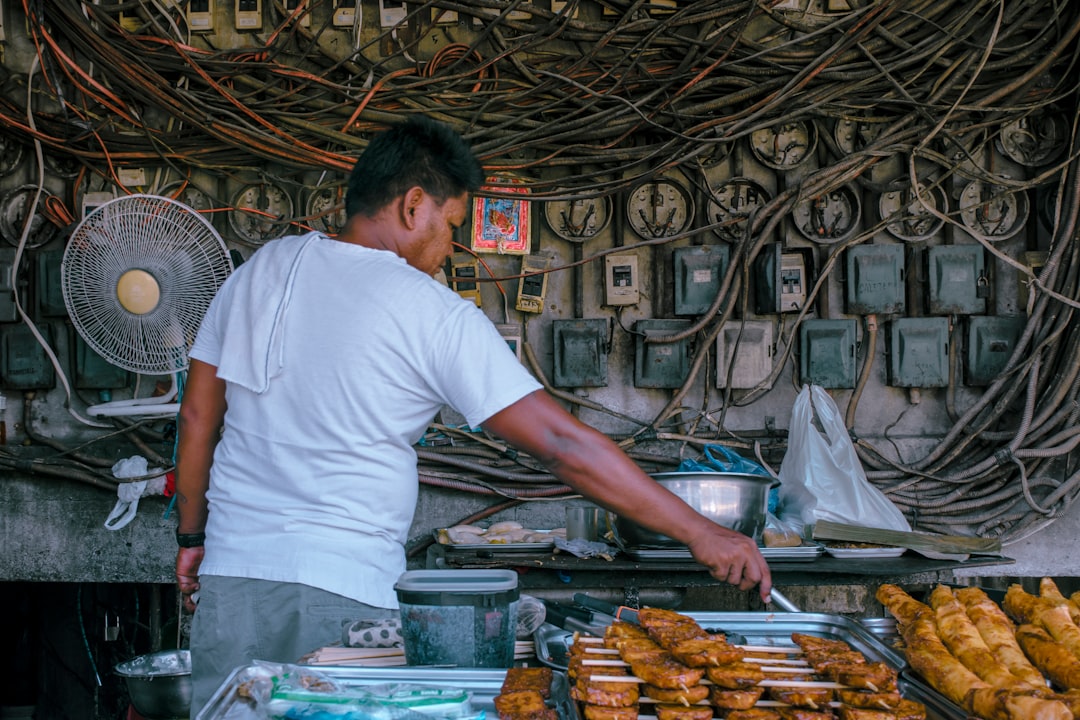
Photo by Lyman Hansel Gerona on Unsplash
This approach turns chaotic wandering into an intentionally delicious day.
Signature street foods by region (and what to order)
This section is a quick reference in our regional street food guide for top picks across continents. Each entry includes what to order and a quick trust-check.
Asia
- Thailand: Pad Thai from a wok, mango sticky rice at a market stall. Trust-check: wok smoke, sizzling sounds, and long queues.
- Vietnam: Bánh mì with pickled veggies and pâté; phở from a steaming pot. Trust-check: broth clarity and frequent broth replenishment.
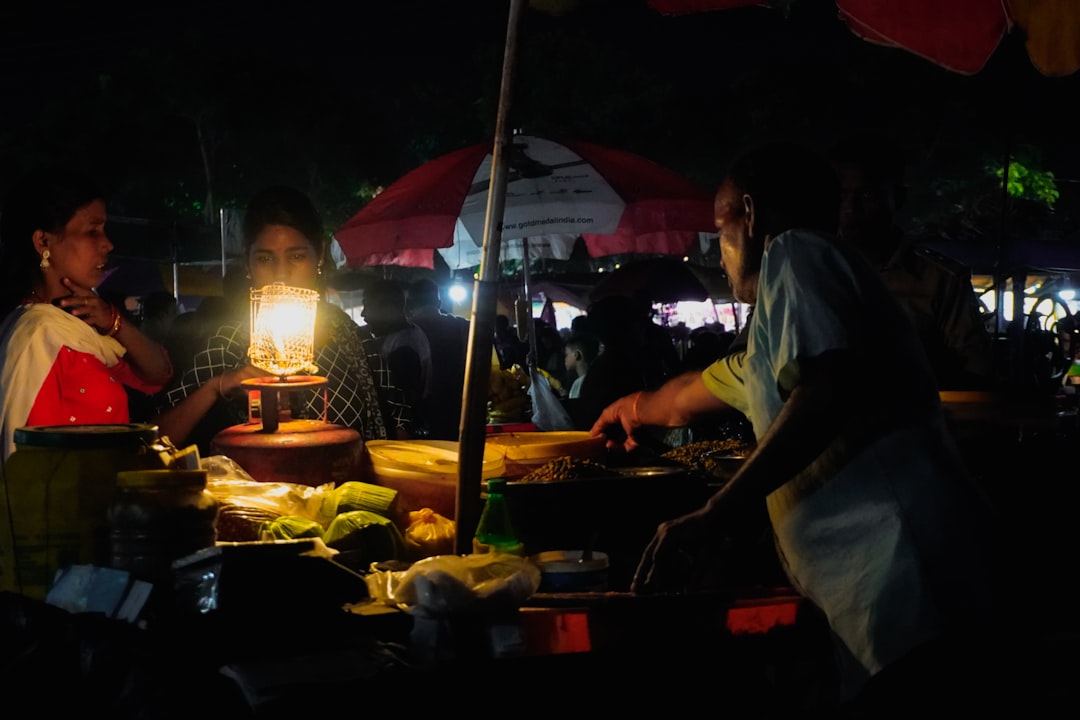
- India: Chaat (tangy street snacks) and dosas. Trust-check: visible fresh chutneys and hot griddles.
Middle East
- Lebanon/Istanbul region: Shawarma, falafel, and manakish. Trust-check: rotating spit freshness and freshly fried falafel.
Europe
- Spain: Pintxos counters and churros. Trust-check: crowded bars and visible preparation.
- Portugal: Pastéis de nata from a bakery window. Trust-check: pastry made to order.
Africa
- Morocco: Tagine-style street servings and msemen pancakes. Trust-check: active wood-fire cooking and busy stalls.
Americas
- Mexico: Tacos al pastor from a trompo, esquites corn cups. Trust-check: spit-roasting and homemade salsas.
- Peru: Anticuchos (grilled skewers) and ceviche from reputable coastal vendors. Trust-check: bright citrus-marinated ceviche and busy seafood stands.
Oceania
- Australia: Food trucks with fusion offerings. Trust-check: up-to-date hygiene ratings and fresh ingredients.
Use this regional street food guide as a checklist, not a menu. Regional specialties vary by city and season.
Deep dive: How to identify truly local dishes
Local dishes often share certain traits:
- Ingredient roots: They use locally available produce and proteins.
- Generational methods: Preparation techniques passed down through families.
- Cultural ties: Tied to festivals, neighborhoods, or occupations.
Ask these questions at a stall: "Is this a family recipe?" "When was this made?" Locals love sharing food stories — and many vendors will give a quick origin tale.
Street food timings and where to find them
- Morning: Bread, pastries, breakfast grills. Think: mercados and bakery windows.
- Noon: Lunch stalls, noodle carts, taco stands near workplaces.
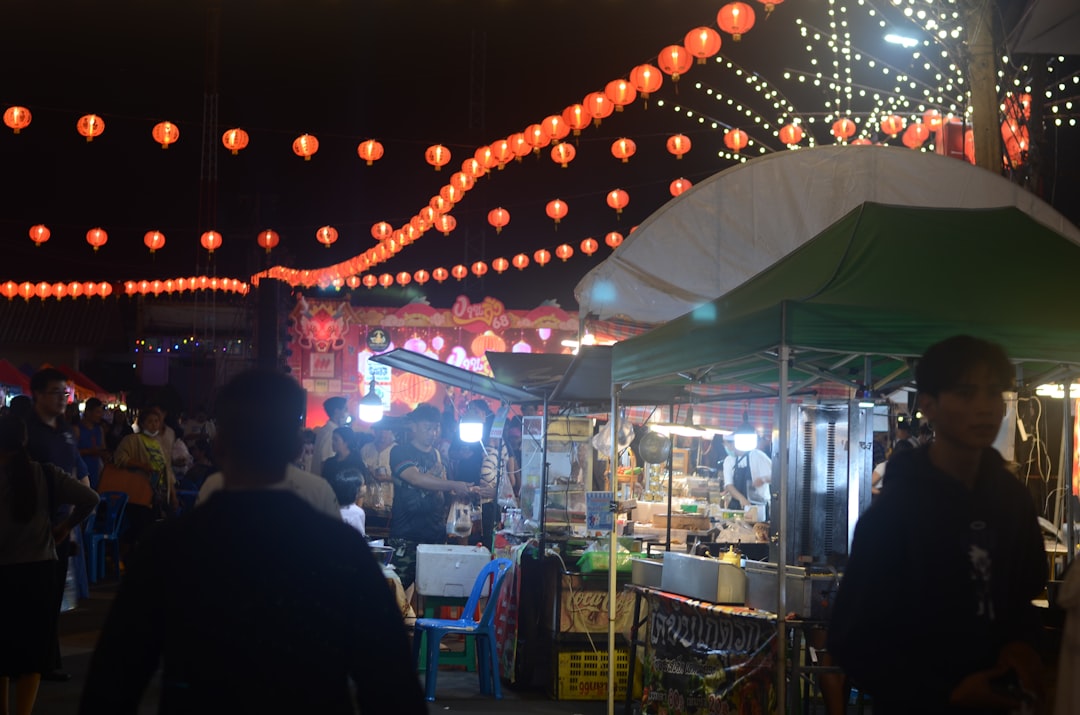
- Evening: Night markets, seafood squares, barbecue alleyways.
Plan your schedule with a time-based layer in TravelDeck so you can see where the best street food clusters at each hour.
Dietary needs: Navigating the street food scene safely
Vegetarian or vegan
- Seek stalls with vegetable-focused dishes (e.g., Indian dosa with potato filling).
- Ask vendors about broths, stocks, and lard.
Allergies
- Carry translation cards that list allergens in the local language.
- Choose stalls that prepare fresh-to-order dishes to reduce cross-contact.
Gluten-free
- Many rice- or corn-based dishes are naturally gluten-free. Confirm frying oil practices.
This regional street food guide recommends always carrying allergy medication and being upfront with vendors.
Night markets, hidden alleys, and the art of local recommendations
Local recommendations beat guidebooks. Ways to get them:
- Ask taxi or rideshare drivers for their favorite stalls.
- Chat with market vendors; many will point you to sister stalls.
- Join a short local food tour to learn signature bites quickly.
For city-specific tours, consider local tour listings. For example, Dublin’s food tours showcase how even European cities reinvent street-level eating (Handpicked Dublin Food Tours 2025).
Budgeting and splitting costs on a regional street food guide
Eating street food is often budget-friendly, but costs add up when sampling multiple dishes.
- Set a daily street food budget and track it in TravelDeck’s expense splitting tool.
- Round-robin ordering lets groups taste more dishes without doubling up.
- Use TravelDeck itineraries to cluster stalls by neighborhood to save transport costs.
Avoiding scams and staying safe while tasting
Common red flags:
- Vendors insisting on full prepayment for unknown items.
- Restrictions on taking photos paired with requests for tips.
- Overfriendly solicitors who direct you to specific stalls for a commission.
If something feels odd, step away. For broader safety planning, see our personal safety guides like solo travel safety tips: Smart Strategies for Confident Explorers.
Using TravelDeck features with this regional street food guide
- Itinerary planning: Pin markets, stalls, and cafes into a single walking route.
- Expense splitting: Log each bite and split costs among friends instantly.
- Shared gallery: Save photos and vendor details to recommend later.
- AI guides: Generate quick local language phrases or questions for vendors (e.g., "Is this spicy?" in the local tongue).
These features make tasting more organized and more social.
Practical packing list for street food exploration
- Small reusable cutlery set
- Hand sanitizer and cleansing wipes
- Lightweight tote for delivered containers
- Translation cards for dietary restrictions
- Emergency meds for upset stomachs
Pack light and stay flexible.
Sample 1-day street food itinerary (example city-agnostic)
Morning
- Breakfast pastry at a local bakery.
- Walk to a morning market for soup or savory pancakes.
Noon
- Lunch at a busy noodle or taco stall; pick a seat where locals sit.
- Snack on fruit or a local salad from a market cart.
Afternoon
- Coffee and a sweet at a bakery.
- Quick savory snack from a street vendor.
Evening
- Start at a food-truck park: two small plates to share.
- Finish with a dessert stall at a night market.
Use TravelDeck to map stops and time them to market openings.
Responsible eating and zero-waste tips
- Bring a small reusable container for leftovers.
- Avoid single-use plastics when vendors ask; bring a reusable cup for drinks.
- Tip fairly — street vendors often operate on thin margins.
Responsible travel preserves food cultures for future visitors.
Conclusion: Make the regional street food guide your travel ritual
This regional street food guide equips you with safety checks, budgeting tactics, and planning tools to taste cities like a local. Use the checklist approach: trust queues, prioritize live cooking, and use TravelDeck to plan, split costs, and store memories.
Ready to turn your next trip into a curated culinary crawl? Build a food-first itinerary, share it with friends, and save your favorite stalls in TravelDeck. Visit https://traveldeck.ai to get started.
Tags: street food, food travel, local cuisine