How to Create a Realistic Travel Budget 2026: Practical Roadmap
How to create a realistic travel budget 2026

Photo by Omar Al-Ghosson on Unsplash
Have you ever landed in a city and felt your wallet breathe its last gasp? Planning with a realistic travel budget 2026 changes that moment from panic to possibility. This guide shows you how to transform wishful thinking into a working budget that matches your travel style, with concrete numbers, sensory travel stories, and specific logistics so you can actually arrive knowing what to expect.
Travel budgeting isn't just arithmetic. It's a narrative choice about what you value on the road: sunrise markets over luxury hotel breakfasts, walking cobbled alleys instead of hiring taxis, or one unforgettable experience instead of many small splurges. The phrase "realistic travel budget 2026" appears throughout this article as we break down costs, tactics, and real-world examples.
---
Why realism matters (and a short travel vignette)

Photo by merci mockup on Unsplash
I remember arriving in a coastal town in early spring: gulls crying, salt on the breeze, a market alive with citrus and grilled fish. I had booked a cheap flight and a mid-range room, but I hadn’t budgeted for the ferry detour that made the day unforgettable — and unexpectedly expensive. A realistic travel budget would have let me say yes to that ferry without losing sleep.
Realism gives permission: to splurge on the smells and sounds you won’t forget, and to cut corners where they don’t matter. It keeps travel joyful and financially sustainable.
---
Primary framework: fixed vs variable costs
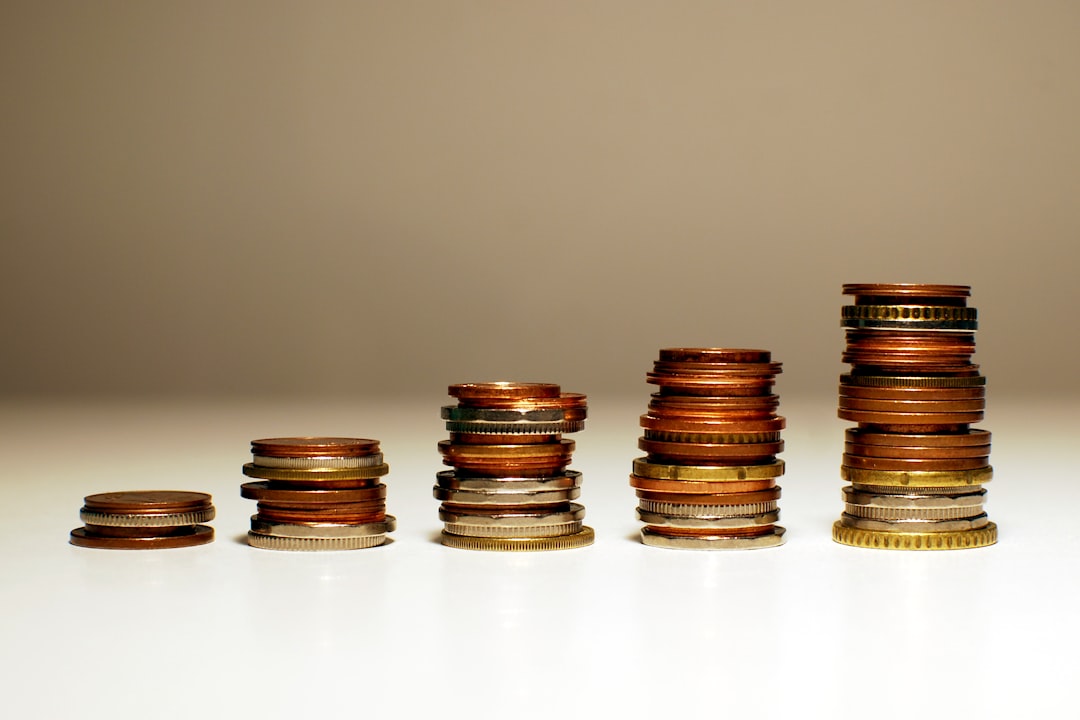
Photo by Kamil on Unsplash
Before you pack, split costs into two clear camps. Fixed costs are pre-booked and predictable. Variable costs change daily.
Fixed costs (book before you go):
- Flights (including baggage and seat fees)
- Accommodation (prepaid nights, cleaning fees)
- Travel insurance, visas, and immunizations
Variable costs (daily life on the road):
- Food and drink
- Local transport and short taxis
- Activities, entrance fees, tips, souvenirs
- Small incidentals (laundry, SIM cards, chargers)
This simple division helps you lock down the non-negotiables and build a flexible daily allowance for everything else.
---
How to estimate the big four (real examples)
Start with the Big Four: flights, accommodation, food, activities. Below are concrete examples for a 10-day trip in 2026 to illustrate how numbers add up.
Narrative: Imagine dawn light on tile roofs, the smell of coffee, thrumming scooters — now imagine a budget built to let you linger.
Example trip: 10 days in Lisbon (spring 2026)
- Flights (roundtrip from London LHR): £70–£150 on a low-cost airline if booked early; allow £30 for hand luggage or £70 for one checked bag. Total: £100–£220.
- Accommodation: Budget hostel dorm £18/night; mid-range private room £70/night; boutique hotel £160/night. For 10 nights: £180 / £700 / £1,600.
- Food: Street pastries and coffee £3–£6; set lunch £8–£15; dinner at a mid-range restaurant £18–£35. Daily food budget: Budget £12, mid-range £35, splurge £70. For 10 days: £120 / £350 / £700.
- Activities: Free walking tours (tips £5–£10), tram rides £3, museum entries £6–£15, day trip to Sintra £25–£50. Estimate total activities: Budget £60, mid-range £150, splurge £400.
Using these numbers, total trip cost (excluding insurance, visas, and buffer):
- Budget traveler: ~£420–£530
- Mid-range traveler: ~£1,300–£1,400
- Splurge traveler: ~£2,920–£3,000
These real prices let you create a daily allowance that fits your travel style — and avoid surprise shortfalls.
---
Come arrivare / How to get there
Arrival logistics must be precise. Below are specific transport options for the Lisbon example and general templates to adapt.
Lisbon (LIS) specifics:
- Airports + codes: Humberto Delgado Airport (LIS). From central Lisbon: Metro (Red Line) 20–30 minutes, €1.65–€2.25; taxi 15–25 minutes, €10–€20 depending on time of day; Aerobus shuttle €4–€6.
- Trains: Alfa Pendular and Intercidades connect Lisbon to Porto and Faro. Lisbon Oriente to Porto Campanhã 2h45–3h, €25–€40 standard.
- Buses & ferries: Carris urban buses and Transtejo ferries cross the Tagus for €1.50–€3.
- Drive times: From Lisbon to Sintra ~30–40 minutes by car; rental costs from €25/day plus fuel and tolls.
General template for other destinations:
- Check airport code and cheapest transfer: metro, shuttle, or rideshare. Airport transfers often add €15–€60 roundtrip and should be included in your fixed costs.
- Night trains and long-distance buses often save both transport and one night's accommodation. For journeys under 8 hours, compare overland options before booking flights.
---
Cosa fare / Things to do (5–8 highlights)
Each destination needs a curated list of experiences. For Lisbon, for instance, these fit different budgets and moods:
Narrative: Imagine pastel-colored tilework glinting in late afternoon; the music of Fado spilling from a doorway.
- Alfama walking tour — free walking tours run daily; tip €5–€10; ideal at golden hour (meet at Praça do Comércio).
- Tram 28 ride — iconic route through narrow streets; €3 single ticket; board early to avoid crowds.
- Belém district: Jerónimos Monastery, Pastéis de Belém (€1.50 each), and the riverside promenade (Monastery address: Praça do Império, Belém).
- Day trip to Sintra — train from Rossio station €2.25 each way; Palácio da Pena entrance €14–€16; allow a full day.
- Mercado da Ribeira (Time Out Market) — sample local plates; small plates from €4–€8.
- Museu Nacional do Azulejo — tile museum with calm atmosphere; entry ~€5.
- Sunset at Miradouro da Senhora do Monte — free viewpoint with wide city panoramas.
- Street food & neighborhood crawl in Bairro Alto — tapas-style snacks, drinks from €3–€6.
Each activity includes specific addresses or meeting points and clear price expectations so you can slot them into your daily plan.
---
Dove dormire / Where to stay (budget tiers)
Where you sleep shapes your days. Below are 2–3 options per tier with price ranges (accurate for spring 2026 averages):
Budget
- Hostelling International Lisbon Centro (dorm beds): €18–€28/night. Central location, social kitchen.
- Local guesthouse B&Bs outside center: €25–€40/night. Simpler amenities but authentic neighborhoods.
Mid-range
- Boutique apartments/Airbnb central Lisbon: €60–€100/night for a one-bedroom. Weekly discounts often 10–25%.
- 3-star hotels in Baixa/Chiado: €80–€130/night. Comfortable, central.
Luxury
- 5-star hotels (e.g., Bairro Alto Hotel): €240–€450/night. Rooftop views, concierge, and late check-out.
- Design hotels in Chiado: €180–€300/night with high-season premiums.
Tip: Staying slightly outside the tourist core often saves 20–40% and gives a more local daily rhythm — allow €1.65–€3 extra per metro trip.
---
Dove mangiare / Where to eat (local dishes and markets)
Food is memory. Describe scents and textures, then point to real places.
Lisbon tastes: buttery custard tarts (pastéis de nata), grilled sardines, bifana sandwiches, robust espresso.
- Markets: Mercado da Ribeira / Time Out Market (Avenida 24 de Julho 49) — small plates, varied budgets.
- Budget eats: Tasca do Jaime (neighborhood tasca with local prices) — meals €6–€12.
- Mid-range: Taberna da Rua das Flores (tapas-style plates) — mains €12–€20.
- Splurge: Sea Me Peixaria Moderna (Chiado) — seafood tasting menus €40–€70.
Practical food strategies:
- Make lunch your big meal: many restaurants offer a menu do dia for a fraction of dinner.
- Shop markets for picnic supplies — fresh bread, cheese, olives, and fruit for €6–€10 feeds two for a light meal.
---
Consigli pratici / Practical tips
Weather & best months:
- Spring (March–May) and autumn (September–October) balance mild weather and lower prices. Peak summer (July–August) is hottest and most expensive.
What to pack:
- Comfortable walking shoes, a light rain jacket, plug adapter (Type C/E/F), a refillable water bottle, and a compact power bank.
Currency & banking:
- Eurozone: use a no-foreign-fee debit card when possible; carry €50–€100 in cash for markets and small vendors. Avoid airport exchange desks.
Connectivity:
- Local eSIMs or prepaid SIM cards from major carriers provide 5–30 GB packages for €10–€25. Buy at the airport kiosk or local shops.
Safety:
- Lisbon is generally safe; use common-sense precautions in crowded tourist areas (watch for pickpockets on trams and at stations).
Packing tip: If you want to travel lighter and avoid baggage fees, pack for 10 days in a 40L carry-on with mix-and-match layers.
---
FAQ / Domande frequenti
Q: How much should I budget per day for a comfortable mid-range trip in Europe 2026?
A: Mid-range daily budgets vary by city, but for Western Europe expect €80–€150/day (accommodation, food, transport, activities). In cheaper parts of Europe you can drop to €45–€80/day.
Q: How big should my emergency buffer be?
A: Aim for 10–20% of your trip total. For a two-week journey costing €1,000, set aside €100–€200 as a buffer.
Q: Should I prepay tickets for attractions?
A: Prebook high-demand attractions to lock prices and availability. Save smaller, flexible experiences for arrival.
---
Comparison tables (examples)
Budget tiers (10-day Lisbon trip overview):
- Budget: ~€480–€650 (including transport + basic buffer)
- Mid-range: ~€1,300–€1,600
- Luxury: ~€2,800+
Flight comparison (typical options from London):
- Low-cost carrier: £70–£120 (fast, minimal extras)
- Legacy airline sale fare: £120–£220 (includes more flexibility)
- Flexible business class: £400+
Month-by-month weather snapshot (Lisbon):
- Jan–Feb: 10–16°C, rainy
- Mar–May: 13–22°C, mild (best shoulder months)
- Jun–Aug: 20–30°C, dry and busy
- Sep–Nov: 16–24°C, pleasant with occasional rain
---
Tools, links and booking resources
- Official tourism: https://www.visitportugal.com
- Flight search: https://www.google.com/flights
- Train fares: https://www.cp.pt/passageiros/en (Portuguese rail)
- Ferries and local transit maps: https://www.carris.pt/en/
- Travel insurance comparison: https://www.comparethemarket.com
For itinerary planning, I also recommend using tools that track daily spend and help split costs with travel companions. You can check TravelDeck at https://traveldeck.ai for trip organization and budget templates.
---
Final budgeting checklist (practical)
- Lock fixed costs: flights, at least first 2–3 nights of accommodation, travel insurance, visas.
- Build a daily allowance for food, transport, and activities based on your chosen tier.
- Add a 10–20% buffer for hidden costs and emergencies.
- Track spending nightly (app or notebook) and adjust as needed.
- Prebook only the experiences that require it; leave room to say yes to small local surprises.
---
Conclusion
A realistic travel budget 2026 is more than a spreadsheet — it’s a guardrail that protects the most vital parts of travel: curiosity, calm, and the freedom to say yes to what matters. With clear fixed costs, a true-to-life daily allowance, and an honest buffer, you’ll arrive with money and headspace to feel the city: the sound of trams, the aroma of fresh bread, and the warm push of sunlight on a market stall. Plan well, travel gently, and let the budget be the quiet engine behind the trip you actually want.