There is a reason experienced travelers keep circling the same dates on their calendars, and it is not because they enjoy being contrarian. The best trips often happen when everyone else has already gone home. Shoulder season travel tips are not just about scoring a cheaper hotel; they are about buying back the feeling of travel itself. Streets breathe. Restaurants relax. Flights stop feeling like survival exercises. And your money stretches far enough to turn one ordinary trip into a genuinely memorable one.
If you have ever landed in a city in July and felt instantly outnumbered by tour groups, heat, and pricing that seems to rise every time you blink, you already understand the appeal. Shoulder season is the soft edge of the travel calendar, the stretch before peak months or just after them, when the weather is usually still kind, the crowds are thinner, and the city has not yet inflated itself into a tourist machine. For anyone looking for budget travel advice and a practical travel cost breakdown, this is where the smartest savings usually live. I keep the whole plan organized in one place on https://traveldeck.ai before I book anything, because shoulder season rewards travelers who think a little earlier and move a little faster.
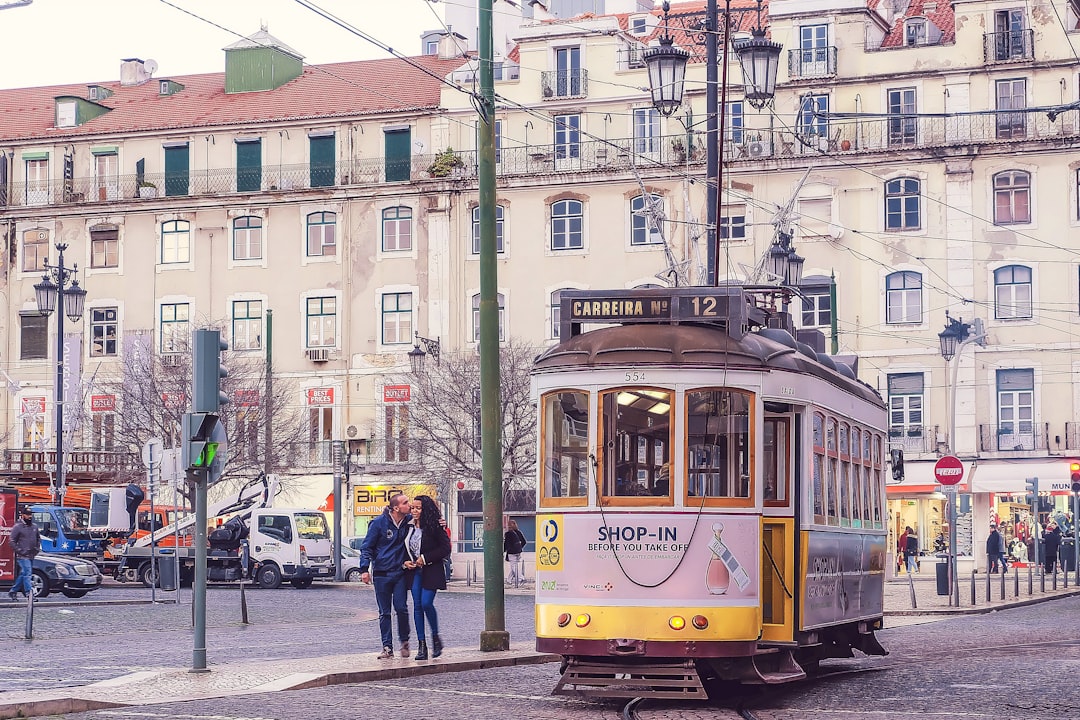
For this guide, I am using Lisbon as a real-world example of why shoulder season works so well. Lisbon is a city of bright tiles, steep lanes, late sunsets, and that salty Atlantic light that makes even an ordinary café table feel cinematic. It is also a city where timing can change everything: the same hotel room, meal, and tram ride can feel either luxurious or cramped depending on when you go. That is the heart of shoulder season travel tips. You are not simply traveling cheaper. You are traveling better.
Why shoulder season is the best time to travel

Photo by Brunxs Monochrome on Unsplash
Shoulder season is where value and comfort finally shake hands. You are no longer paying full freight for peak-season demand, but you are also not dealing with the closed shutters, shortened hours, and weather roulette that can make true off-season feel like a compromise. In a place like Lisbon, spring and early autumn can feel almost perfectly calibrated: warm enough for a terrace lunch, cool enough for a long walk up through Alfama, and calm enough that you can hear your own footsteps on the tram tracks.
That balance matters more than travelers often admit. A cheap trip that feels stressful is not really cheap, because you spend your energy on waiting, queueing, overpaying, and adjusting. Shoulder season travel tips focus on the parts of travel that quietly eat your budget: surge-pricing on flights, weekend hotel premiums, crowded timed-entry tickets, and the dreaded last-available-room rate. When those costs soften, your trip becomes more flexible and your decisions become easier.
The other reason shoulder season wins is simple: destinations behave differently when they are not under pressure. Staff have more time. Local businesses feel more human. The city’s rhythm returns to itself. In Lisbon, that means a slower breakfast at a pastelaria, an easier seat on the terrace, and more room to linger in neighborhoods that feel impossible to appreciate when every viewpoint is packed shoulder-to-shoulder. Good shoulder season travel tips always factor in atmosphere, not just price.
Shoulder season travel tips that actually save money
Photo by viktor rejent on Unsplash
The biggest mistake budget travelers make is hunting for cheapness in just one place. They focus on the flight, or only the hotel, or just the restaurant bill. Shoulder season works because the savings stack. A flight can cost less, the room can cost less, the museum can be easier to book, and the taxi line can shrink enough that you do not need one at all. That is where real budget travel advice starts: with the understanding that the best deal is usually the trip that wastes the least.
If you want the most useful shoulder season travel tips, think like a trip designer. Book your accommodation by neighborhood, not by postcard view. Travel midweek whenever possible. Use the shoulder months to pick destinations where walking replaces rideshares. And if you are planning a city break, stay a little longer than you think you need to. A four-night trip in shoulder season often feels richer than a rushed three-night peak-season sprint, and the per-night cost difference is usually tiny compared with the extra breathing room you get.
Here are the moves that most reliably lower your total cost:
- Fly on Tuesday, Wednesday, or Saturday rather than Friday or Sunday, when fares tend to rise.
- Search a 3- to 7-day date range instead of a single day; small shifts often reveal much better off-peak deals.
- Choose a hotel 10 to 20 minutes outside the most photographed block; in Lisbon, that often means better value in Baixa, Santos, or Campo de Ourique.
- Look at apartments or aparthotels for stays of 4 nights or longer, especially if breakfast is expensive.
- Prioritize free viewpoints, city walks, and markets before paid attractions.
- Book the one or two experiences that truly matter, then leave the rest flexible.
- Check whether local transit offers a multi-day pass that beats individual rides.
- Avoid long-weekend spikes, school holidays, and festival dates that quietly erase shoulder season savings.
One of the most effective shoulder season travel tips is also the least glamorous: compare the same trip in different months before you get attached to a specific date. A Lisbon hotel that costs €220 in July may sit around €140 to €170 in April or October, and that difference can fund a better meal, an extra night, or a day trip to Sintra. The same logic applies to flights. A route that looks expensive on paper often becomes reasonable once you slide your departure by a day or two.
A simple cost breakdown for a 5-night Lisbon trip
The numbers below are realistic shoulder-season ranges for an independent traveler. Exact totals will vary by departure city and how far in advance you book, but this is the kind of travel cost breakdown that helps you compare seasons honestly.
| Expense | Peak season | Shoulder season | Notes |
|---|---|---|---|
| Round-trip flight from Western Europe | €180 to €420 | €90 to €220 | Midweek dates usually win |
| Round-trip flight from the East Coast US | €550 to €980 | €380 to €720 | October often prices better than May |
| Hotel, 5 nights, mid-range | €900 to €1,400 | €600 to €950 | Best value appears outside major event weeks |
| Food and drinks | €180 to €320 | €150 to €260 | Lunch menus and local tascas help |
| Airport transfers and transit | €35 to €80 | €25 to €60 | Metro and rail save the most |
| Attractions and day trips | €90 to €220 | €70 to €180 | Fewer queues, more flexibility |
| Total | €1,435 to €2,440 | €915 to €2,390 | The biggest savings come from flights and hotels |
That table is why shoulder season travel tips matter. The gap is not just a few euros here and there. On a multi-night trip, the difference can reach several hundred euros without making the journey feel stripped down.
Best shoulder season windows in 2026
There is no single shoulder season that works for every destination, which is part of the fun. In Europe, spring shoulder season usually runs from April into early June, while fall shoulder season often lands from September into October. In warmer destinations, the sweet spot can shift earlier or later depending on heat, rainfall, or hurricane risk. The trick is not to worship a calendar. It is to read the mood of a place.
For city travel, shoulder season often means longer walks and softer light. For beach trips, it can mean warm water without the crush of school holiday crowds. For mountain destinations, it can mean trails that are open but not overrun. If your idea of a dream trip is blossom timing, then you are in a different planning lane entirely; that is a more specific, date-sensitive strategy, closer to a one-week spectacle than a flexible getaway. If that is your style, Best Cherry Blossom Destinations 2026 Around the World is a different kind of calendar game.
A good rule of thumb is to look for destination seasons that are just barely warm enough, just barely busy enough, and just far enough from local holiday peaks. That is where shoulder season travel tips become genuinely powerful. The goal is not always the absolute cheapest month. It is the month that gives you the best mix of weather, price, and experience. Here is a practical snapshot for Lisbon specifically:
| Month | Average daytime feel | Crowd level | Typical hotel value | Overall vibe |
|---|---|---|---|---|
| April | 18 to 21 C | Moderate | Strong | Fresh, green, breezy |
| May | 21 to 24 C | Moderate | Very strong | Long days, easy walking |
| June | 24 to 28 C | Rising fast | Mixed | Good early, expensive late |
| September | 25 to 27 C | Moderate | Strong | Warm evenings, softer crowds |
| October | 21 to 24 C | Moderate | Very strong | Golden light, comfortable pace |
| November | 16 to 19 C | Low | Excellent | Quieter, moodier, more local |
If you are chasing budget travel advice, notice how often May and October appear in smart travelers’ plans. They are not always the absolute lowest weeks, but they are often the best value weeks because they let you avoid both peak-season markups and the compromises of low season.
How shoulder season changes the feel of a destination
Travel is emotional before it is logistical. You feel it in your body before you can explain it in a spreadsheet. In shoulder season, cities have texture again. Cafés smell like coffee instead of reheated tourist lunches. The soundscape changes; you hear a tram bell, a church bell, a conversation from the next table, and not just the brittle noise of a packed crowd. That shift matters, because the best shoulder season travel tips are really about protecting the quality of the experience you are paying for.
In Lisbon, shoulder season can make ordinary moments linger. The light on the azulejos in Alfama looks softer. The climb up to a miradouro feels less like a shuffle and more like a stroll. Even the sea air seems less frantic when the waterfront is not packed from breakfast through sunset. This is why the same city can feel very different depending on the week you arrive.
It also changes how you spend. In peak season, people often overbook themselves because they are trying to outrun the crowds. In shoulder season, you can slow down. That slow travel mindset is not about being indulgent for its own sake. It is one of the most effective shoulder season travel tips because it reduces transit costs, helps you choose better neighborhoods, and keeps you from paying for convenience you do not actually need.
How to get there
Lisbon is the easiest example here because the city is well connected and the transport math is straightforward. Fly into Humberto Delgado Airport, code LIS, and you are only a short ride from the center. The airport is close enough that a good shoulder-season arrival can have you at a café table in Baixa before your luggage has truly settled in.
If you are already in Portugal or traveling around Iberia, train and bus options are often excellent value. The key is to book early enough to catch the lower fares, especially if you are using shoulder season travel tips to keep the whole trip within budget. A few routes worth knowing:
| Route | Typical duration | Approximate cost | Notes |
|---|---|---|---|
| Lisbon Airport to Baixa/Chiado by metro | 25 to 35 minutes | €1.80 to €2.00 plus transit card | Best value for light packers |
| Lisbon Airport to city center by taxi or ride-hail | 15 to 25 minutes | €12 to €25 | Useful if you arrive late |
| Porto to Lisbon by Alfa Pendular or Intercidades | 2h50 to 3h30 | €15 to €40 | Booked early, this is excellent value |
| Seville to Lisbon by bus | 6h30 to 8h30 | €20 to €60 | Good overnight option if timed well |
| Madrid to Lisbon by bus | 7h to 8h30 | €25 to €65 | Flying is faster, bus is cheaper |
| Faro to Lisbon by car | 2h30 to 3h15 | Fuel plus tolls | Easy if you are combining coast and city |
| Cacilhas to Cais do Sodré ferry | About 10 minutes | Around €1.35 | Great for a short scenic crossing |
Official links that are useful while planning:
- Lisbon airport: https://www.ana.pt/en
- Portugal trains: https://www.cp.pt/passageiros/en
- Lisbon metro: https://www.metrolisboa.pt/en/
- Lisbon buses and trams: https://www.carris.pt/en/
- Portugal tourism: https://www.visitportugal.com/en
- Lisbon tourism: https://www.visitlisboa.com
- Intercity buses: https://www.rede-expressos.pt/en
If you are building a multi-city trip, Lisbon also works beautifully as a base for day trips. From here, the coastal train to Cascais is easy, Sintra is manageable, and the ferry across the Tagus gives you a cheap little excursion that feels bigger than it is. That kind of efficiency is exactly why shoulder season travel tips pay off. You can see more without paying more.
Things to do
Lisbon in shoulder season is a city best experienced in layers. Start early when the streets are still cool and the tiles still catch the first light. Then let the day widen out around you. The best part of shoulder season is not that the city has nothing to do; it is that you can actually do it without turning every outing into a tactical operation.
The neighborhoods change mood as the day shifts. Alfama smells faintly of laundry and grilled fish. Belém feels grand and breezy with river air. Chiado has a café elegance that suits a slower pace. And whenever you climb toward a viewpoint, the city opens beneath you in flashes of red roofs, pale stone, and the Atlantic beyond. That is the atmosphere shoulder season travel tips are really trying to protect.
Here are the experiences that make Lisbon shine outside peak season:
- Wander Alfama in the morning — Start near the Lisbon Cathedral, then walk the maze of lanes toward the Castle and the viewpoints. In shoulder season, the neighborhood feels lived-in rather than staged. Address anchor: Sé de Lisboa, Largo da Sé 1, 1100-585 Lisboa.
- Ride or walk to Miradouro da Senhora do Monte — One of the city’s most dramatic viewpoints, with sweeping views over the rooftops and the river. It is especially lovely at sunrise or late afternoon, when the light softens and the crowds thin out. Address: Largo do Monte, 1170-253 Lisboa.
- Visit Jerónimos Monastery and Belém Tower — These are major sights, but in shoulder season the queue is easier to manage and the riverfront walk is far more pleasant. Jerónimos is at Praça do Império 1400-206 Lisboa; Belém Tower sits at Av. Brasília, 1400-038 Lisboa.
- Eat pastéis de nata at Pastéis de Belém — The line still exists, but shoulder season usually makes it more humane. The shop sits at Rua de Belém 84-92, 1300-085 Lisboa, and the custard tarts are worth the detour.
- Browse LX Factory — A former industrial site turned creative district with bookshops, bars, and design stores. It is more relaxed in shoulder season, making it a nice place to linger rather than rush. Address: Rua Rodrigues de Faria 103, 1300-501 Lisboa.
- Climb Castelo de São Jorge — The castle is a classic for a reason, and the views are especially satisfying when you do not have to fight through a mob to reach the walls. Address: R. de Santa Cruz do Castelo, 1100-129 Lisboa.
- Shop and snack at Time Out Market — It is touristy, yes, but in shoulder season you can usually make it work without the feverish rush that makes peak visits tiring. Address: Av. 24 de Julho 49, 1200-479 Lisboa.
- Take a day trip to Sintra or Cascais — Shoulder season is ideal for both. Sintra’s palaces feel less overwhelming when the buses are not jammed; Cascais keeps its seaside charm without the summer crush.
A small but important budget travel advice note: do not try to force every attraction into one day. Shoulder season travel tips are most effective when you leave room for one slow hour that was never in the plan. That extra hour is often where the best meal, best view, or most human conversation appears.
Where to stay
Where you sleep changes how a trip feels, and shoulder season makes your budget more flexible. Instead of paying top dollar just to be near the center, you can often choose a better room, a quieter street, or a property with more character. In Lisbon, that might mean staying in Baixa for easy walking, Santos for a slightly cooler, design-forward feel, or Principe Real if you want cafés, boutiques, and a neighborhood rhythm that feels local after dark.
This is one of the most underrated shoulder season travel tips: let the season fund the room upgrade. A slightly better location or a room with more natural light can improve the whole trip more than one extra paid attraction. The city is hilly and full of small pleasures, so your lodging should support the pace you want, not fight it.
Here is a practical cost breakdown for Lisbon lodging in shoulder season:
| Budget tier | Typical price per night | Best for | Example stays |
|---|---|---|---|
| Budget | €45 to €120 | Solo travelers, friends, short stays | Goodmorning Solo Traveller Hostel; Home Lisbon Hostel; The Independente Hostel & Suites |
| Mid-range | €130 to €280 | Couples, city-break travelers, longer stays | Hotel da Baixa; Browns Central Hotel; Jam Hotel Lisbon |
| Luxury | €300 to €700+ | Celebrations, comfort-first trips | Bairro Alto Hotel; The One Palácio da Anunciada; Four Seasons Hotel Ritz Lisbon |
Budget stays
- Goodmorning Solo Traveller Hostel — A lively, clean base near Rossio and Restauradores, with dorm beds and private rooms. Expect roughly €45 to €110 depending on room type and timing.
- Home Lisbon Hostel — Popular for its communal kitchen and central location. You are close to Baixa and Chiado, which makes early starts much easier.
- The Independente Hostel & Suites — In Principe Real, with a bit more style and a setting that feels central without being noisy. Shoulder season often brings better rates here than in summer.
Mid-range stays
- Hotel da Baixa — Excellent for first-time visitors who want easy access to the old center, with a polished feel and strong walkability.
- Browns Central Hotel — Design-forward and well placed in Chiado, good for travelers who want atmosphere without luxury pricing.
- Jam Hotel Lisbon — A smart option near Santos/Cais do Sodré, often a good match for travelers who want something modern and a little playful.
Luxury stays
- Bairro Alto Hotel — A polished favorite in one of the city’s liveliest neighborhoods, especially appealing when shoulder season calms the streets just enough.
- The One Palácio da Anunciada — Elegant, central, and beautifully suited to travelers who value a quieter, grander stay.
- Four Seasons Hotel Ritz Lisbon — Classic luxury near Parque Eduardo VII, with the kind of service that feels especially noticeable when the city is less rushed.
One reason shoulder season travel tips work so well in Lisbon is that the city has enough range to suit any budget. If you want to spend less, you can. If you want to spend more, the same season often buys you a much nicer room for the same money you would have spent on a basic one in August.
Where to eat
Lisbon eats like a city that knows how to take its time. In shoulder season, that matters, because the table becomes part of the trip instead of a logistical obstacle. You can linger over grilled fish, order another coffee, or sit still long enough for the city noise to blur into background music. The budget travel advice here is not to eat badly; it is to eat strategically.
Lunch is where the city often feels most generous. Look for daily menus, tascas, and neighborhood bakeries, especially away from the most obvious tourist lanes. You can spend less than you expect and still eat brilliantly. That is one of the best shoulder season travel tips of all: save money where the experience is already abundant, then spend more where it truly matters.
A few places and dishes worth putting on your list:
- Pastéis de Belém — Rua de Belém 84-92, 1300-085 Lisboa. Go for the original custard tarts, still warm if you time it right. The line is part of the experience, but shoulder season keeps it manageable.
- O Trevo — Praça Luís de Camões 48, 1200-243 Lisboa. Famous for bifanas, the quick pork sandwich that is simple, salty, and deeply satisfying after a long walk.
- Cervejaria Ramiro — Av. Alm. Reis 1 H, 1150-007 Lisboa. A seafood institution for prawns, clams, and crab. It is not the cheapest meal in town, but shoulder season helps with reservations and pacing.
- Zé da Mouraria — R. do Capelão 4-6, 1100-135 Lisboa. Good for classic Portuguese comfort food when you want a full meal rather than a snack.
- Prado — Tv. Pedras Negras 2, 1100-404 Lisboa. Modern Portuguese cooking with clean flavors and a lighter touch, ideal if you want a more elevated dinner.
- Time Out Market — Av. 24 de Julho 49, 1200-479 Lisboa. Convenient for groups, though still busiest around lunch and early evening.
What to order if you want the city to taste like itself:
- Bacalhau à brás — salted cod with onions, potatoes, and egg
- Sardinhas assadas — grilled sardines, especially good if you are in the city in early shoulder season
- Arroz de marisco — seafood rice, rich and fragrant
- Caldo verde — green soup with kale and potato, ideal on cooler nights
- Ginjinha — cherry liqueur, often served as a small, sweet nightcap
If you love food-led trips, shoulder season travel tips matter even more because reservations are easier and service tends to be calmer. That means you can turn dinner into a real memory instead of a compromise between availability and hunger.
Practical tips: weather, packing, money, and timing
Shoulder season is not magical in the sense that it erases planning. It is magical because planning finally has room to work. You still need to pay attention to weather, transit, and local habits. But the penalties for getting one thing slightly wrong are usually smaller than in peak season, and that makes the trip feel more forgiving.
For Lisbon, the most useful packing advice is simple: bring layers, shoes you can walk in, and one light rainproof layer if you are traveling in spring or late fall. The city’s hills are charming until they turn into a calf workout, so a pair of comfortable shoes is worth more than an extra outfit. A small crossbody bag, a reusable water bottle, and a light scarf can all make the day easier.
Here is a practical month-by-month weather and planning guide for Lisbon shoulder season:
| Month | Weather feel | What it is good for | Watch-outs |
|---|---|---|---|
| April | Fresh, bright, occasional showers | City walks, museum days, early terrace lunches | Pack a light layer |
| May | Warm, long evenings, very walkable | Best all-round shoulder season month | Book popular hotels early |
| September | Warm days, softer evenings | Beach-adjacent day trips, alfresco dinners | Prices rise around school breaks |
| October | Mild, golden, comfortable | Great value, excellent walking weather | Rain can start to appear |
| November | Cooler, quieter, local feel | Museums, food trips, slower travel | Shorter daylight hours |
A few money-saving habits make a big difference:
- Book flights before hotels if route prices are volatile. If the airfare is likely to move, lock it first.
- Use public transit for the airport transfer whenever possible. In Lisbon, metro can save a meaningful amount over taxi rides.
- Plan one paid splurge and build around it. A great dinner or a special day trip often delivers more joy than three medium experiences.
- Look for free viewpoints and walking routes. Cities like Lisbon are built to be seen on foot.
- Check whether a museum pass actually pays off. If you only want two or three sights, paying à la carte is often cheaper.
- Avoid Friday and Sunday arrivals when possible. Midweek can lower both airfare and hotel rates.
- Compare local holidays and school calendars. Shoulder season can quietly vanish when everyone else has the same idea.
A realistic 5-night budget in Lisbon
| Traveler type | Lodging | Food | Transport | Activities | Estimated total |
|---|---|---|---|---|---|
| Solo budget traveler | €250 to €450 | €100 to €180 | €20 to €40 | €40 to €90 | €410 to €760 plus flight |
| Couple, mid-range | €700 to €1,300 | €180 to €320 | €30 to €70 | €100 to €220 | €1,010 to €1,910 plus flights |
| Comfort-first couple | €1,500 to €3,500 | €300 to €600 | €40 to €100 | €150 to €400 | €1,990 to €4,600 plus flights |
That is the practical beauty of shoulder season travel tips. They do not require you to stop enjoying yourself. They simply remove the parts of travel that waste money without adding much pleasure.
FAQ
Is shoulder season really the cheapest time to travel?
Not always the absolute cheapest, but often the best value. Off-season can be lower on paper, but shoulder season usually gives you better weather, more open attractions, and fewer closures. For most travelers, that makes it the smarter deal.
When is shoulder season in Europe?
In most of Europe, spring shoulder season runs from April to early June, and fall shoulder season typically runs from September through October. Exact timing depends on the destination, elevation, and local holidays.
Is shoulder season good for beach trips?
Yes, especially in places where the sea stays warm into early fall. The beach is often more enjoyable when it is not packed, and hotel prices can be much better than in peak summer. Just check weather and storm patterns before you book.
How far in advance should I book shoulder season travel?
For popular cities and limited hotel inventory, aim for 6 to 10 weeks ahead, sometimes more if you are traveling during a holiday or event week. For flights, watch fares early and be ready to move quickly when a good price appears.
What if I can only travel during school holidays?
Then shoulder season may not be an option every time, and that is fine. You can still use shoulder season travel tips by traveling at the edges of the holiday, choosing less obvious neighborhoods, and booking early so you are not buying the last expensive room left.
Final thought: why shoulder season wins
The deeper reason shoulder season is the best time to travel is that it restores proportion. You are not paying peak prices for peak stress. You are not forcing a city to perform at full volume just because the calendar says so. Instead, you get something gentler and often more memorable: better light, easier movement, kinder prices, and the feeling that the place is welcoming you instead of managing you.
That is why shoulder season travel tips matter. They help you travel in a way that feels more human. And when a trip feels more human, it usually feels more luxurious too, even if you spent less to get there.