Spring Festival Travel: Best Spring Festivals Worth Traveling For
Spring Festival Travel: Why festivals matter and how to travel respectfully
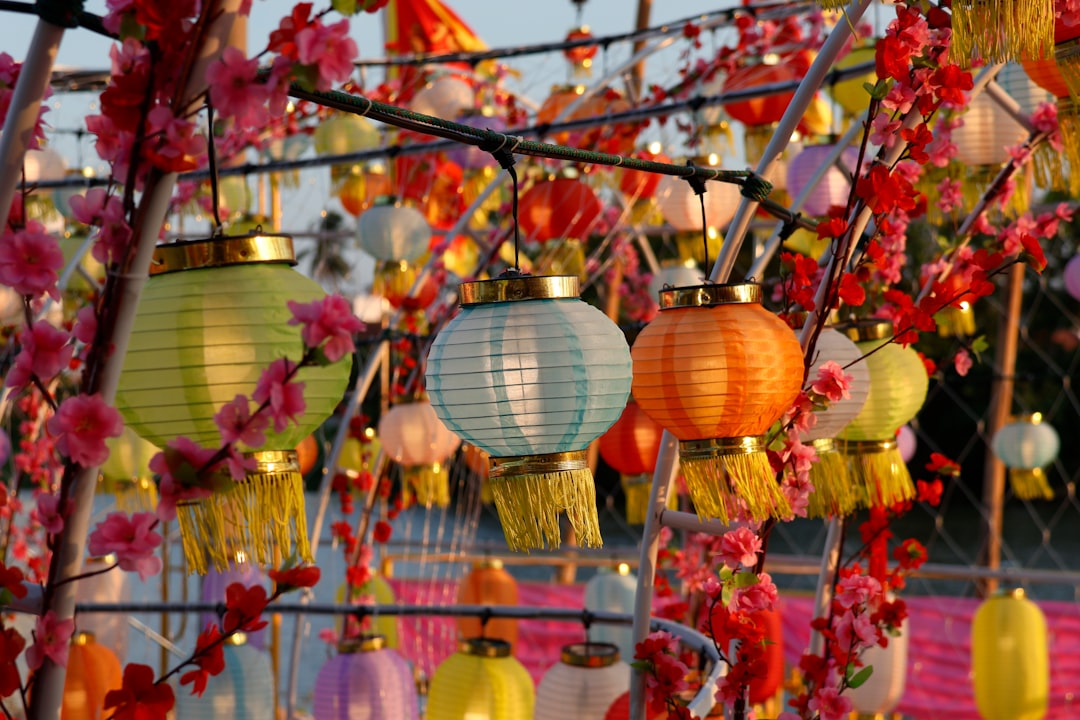
Photo by You Le on Unsplash
Spring festival travel is one of the richest ways to see culture, customs, and seasonal traditions worldwide. From colour-soaked streets in India to floral spectacles in the Netherlands, travelling for spring festivals reveals local customs, etiquette, and rituals that make each destination unique. This guide focuses on cultural insights and practical advice so you can enjoy spring festival travel responsibly and memorably.
What is spring festival travel and why it changes your trip
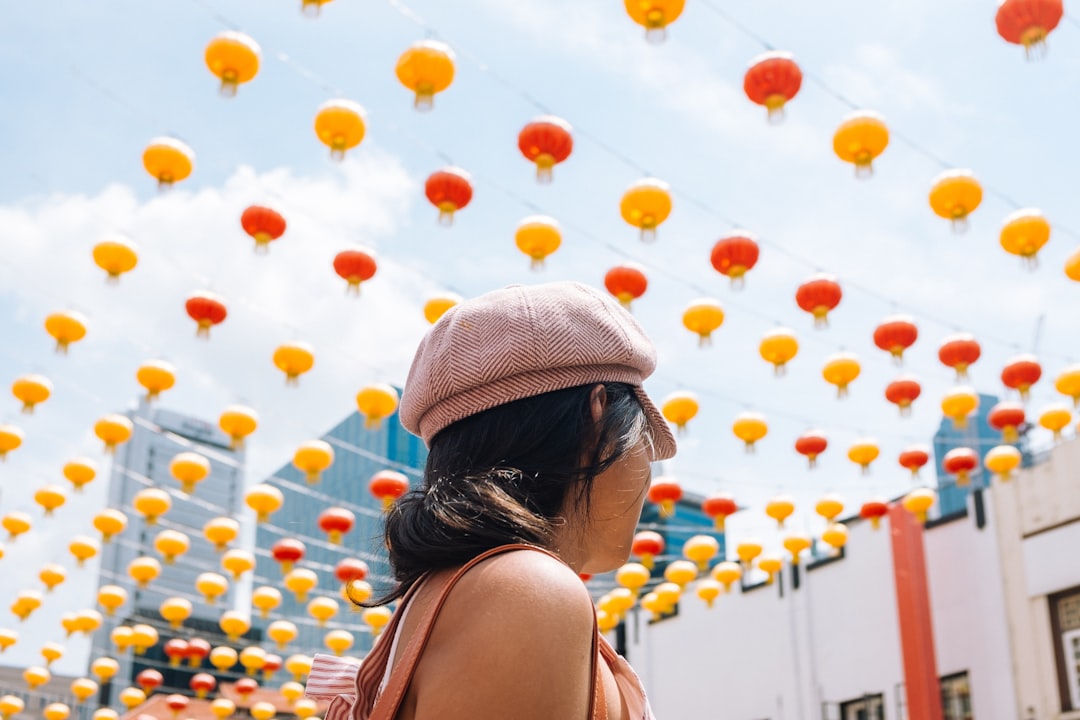
Photo by Raveen Wijetilleke on Unsplash
Spring festival travel goes beyond ticking events off a list. Attending a seasonal celebration connects you to community rituals, local customs, and long-standing traditions. The primary keyword, spring festival travel, is not just about timing — it’s about participating carefully, learning etiquette, and becoming a respectful guest in someone else’s cultural moment.
- Festivals mark seasonal cycles and communal identity.
- They reveal regional food, dress codes, and ritual behaviour.
- They offer unique photo opportunities and sensory experiences.
Cultural festivals and the etiquette every traveler should know
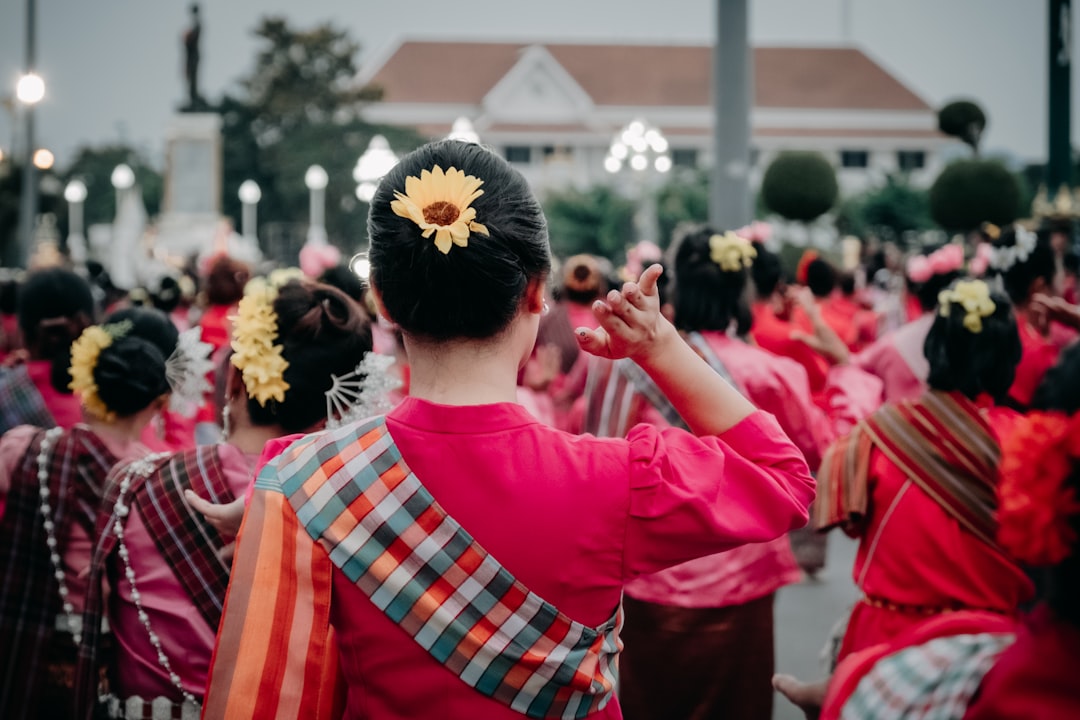
Photo by SASI on Unsplash
Understanding cultural festivals and basic travel etiquette prevents awkward moments and shows respect. Before you arrive, research local customs related to dress, photography, gift-giving, and behaviour at religious or ritual sites.
- Dress modestly where required; check temple rules and ceremony expectations.
- Ask before photographing people, especially elders or children.
- Avoid loud behaviour in solemn rituals; mirror local tone.
Useful resource links:
- Holi overview and dates: Holi - Britannica
- Songkran info: Tourism Authority of Thailand - Songkran
Planning your spring festival travel: logistics and timing
Festival travel requires planning: tickets, accommodation, local transport, and understanding crowd flow are essential. Use festival calendars from official tourism boards and book early.
- Check local public transport schedules for parade days.
- Reserve accommodation within walking distance to avoid congestion.
- Carry photocopies of passports and travel insurance info.
Practical external resources:
- EU travel and health advice: European Union - Travel Advice
- Visa info: check your country’s government portal and the destination’s embassy website.
Tip: visiting during shoulder seasons can reduce costs and crowds; for more on that idea see Why Shoulder Season Travel Saves Money and Improves Your Trip.
Local customs to respect at spring festivals
Each festival has distinct local customs. Below are common categories of behaviour you’ll encounter, and how to adapt.
- Participate only if invited; observe otherwise.
- Remove shoes and hats where required; follow local instructions.
- Try festival street food, but ask about common allergens and hygiene.
- When sharing a communal meal, wait for elders or hosts to begin.
- In many cultures small offerings are made at shrines; use the correct hand and avoid placing items directly on sacred images.
- Avoid giving alcohol or meat products where religious beliefs restrict them.
- Men and women may be expected to cover shoulders or legs at religious sites.
- Bright colours are welcomed at some festivals (e.g., Holi), while muted tones are preferred at somber rituals.
Regional examples: cultural insights and etiquette for iconic spring festivals
Below are concise cultural notes and etiquette tips for several well-known spring festivals. These examples demonstrate how spring festival travel requires more than a camera — it demands cultural sensitivity.
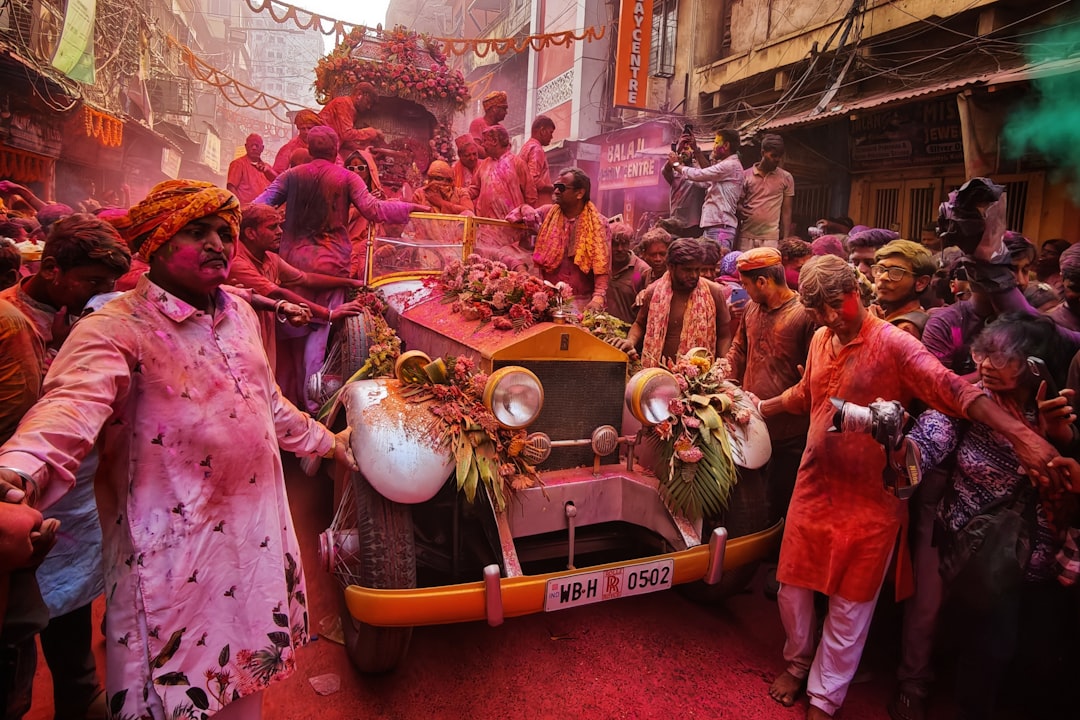
1) Holi, India — colour, community, and consent
Holi is exuberant and famously colourful, but there are etiquette rules.
- Bring biodegradable gulal (if buying locally, choose eco options).
- Wear old clothes and protect electronics in waterproof pouches.
- Ask before applying colour to someone; not everyone wants to participate.
- Women traveling alone should stick to female-friendly events or daytime celebrations.
Official info: Incredible India - Festivals
2) Songkran, Thailand — water, purification, and respect
Songkran combines lively public water fights with devotional temple rituals.
- Keep temple visits respectful: wear modest clothing and avoid splashing in sacred areas.
- Use waterproof camera gear; phone pouches are essential.
- Be mindful of elderly participants and small children.
Tourism info: Tourism Authority of Thailand
3) Keukenhof & Dutch flower events — photography and land respect
Visiting tulip fields and the Keukenhof gardens requires a low-impact approach.
- Stay on marked paths; do not pick flowers from private fields.
- Respect photography rules in private farms; some require permits for professional shoots.
Garden info: Keukenhof Official Site
4) Sechseläuten, Switzerland — tradition, guilds, and safety
The burning of the Böögg is a community ritual with historical layers.
- Respect crowd barriers and follow local police directions.
- Avoid bringing glass bottles; use official vendors for food.
City info: Zurich Tourism - Sechseläuten
5) Las Fallas, Valencia — art, satire, and safety around fireworks
Las Fallas is a week-long spectacle culminating in large effigies burned in public squares.
- Stay behind safety perimeters during pyrotechnics.
- Use ear protection if you’re sensitive to loud noises.
- Learn the schedule to catch parades and avoid peak crush moments.
Festival site: Las Fallas - Visit Valencia
Managing crowds, safety, and local regulations during spring festival travel
Crowds and safety are major factors in festival travel. Prepare for dense gatherings and local rules about alcohol, fireworks, and public behaviour.
- Carry a small first-aid kit and a bandana or mask in dusty parades.
- Use a lightweight money belt for cash and documents.
- Agree on a meeting point with your group in case of separation.
Check local government advice for temporary rules during festivals, including public transport changes or restricted areas.
Communication, language tips, and making respectful contact
Learning a few phrases in the local language goes a long way.
- Simple greetings, thank you, and excuse me show respect.
- Use nonverbal cues; a polite smile and nod can ease entry into local circles.
Phrase tips:
- In Hindi: "Namaste" (greeting) and "Dhanyavaad" (thank you).
- In Thai: the respectful "wai" gesture (palms together) helps in temples.
Festival photography etiquette and cultural sensitivity
Photos are valuable souvenirs, but always respect privacy and sacred moments.
- Ask before photographing people in religious rites.
- Avoid drone flying unless you have permits and follow local laws.
- Offer to share photos via online galleries — many locals appreciate digital copies.
TravelDeck feature note: shared gallery tools can help you exchange photos with friends or groups after festival days.
Sustainable and low-impact spring festival travel
Sustainable behaviour preserves the events you love.
- Use reusable water bottles and pick up trash when safe.
- Choose local vendors for food and crafts to support community economies.
- Respect natural sites and private farmland; trampling crops harms livelihoods.
Sustainability resources:
- General tips: UNWTO - Sustainable Tourism
Health, vaccinations, and travel insurance for festival trips
Crowds increase exposure to common illnesses. Prepare accordingly.
- Check required vaccinations on official government health portals.
- Carry hand sanitizer and avoid raw street food if you have a sensitive stomach.
- Confirm travel insurance covers festival-related incidents.
Official health link: consult your national health department or WHO: WHO - International Travel and Health
Budgeting and expense etiquette at festivals
Festivals can be low-cost or expensive depending on ticketing and vendor pricing.
- Use local currency for small purchases; ask about card acceptance.
- When splitting group expenses, features like TravelDeck expense splitting make it easy to track shared festival costs.
- Tip vendors where appropriate and follow local tipping customs.
How to approach cultural participation: do’s and don’ts
Do:
- Research festival history and traditions.
- Accept invitations to join small, guided rituals.
- Support local artisans and sustainable vendors.
Don’t:
- Force participation in religious or solemn rites.
- Assume every public parade is a photo opportunity.
- Dismiss local safety notices or police directions.
Festival planning checklist (printable)
Local stories: small ways to show respect and make friends
- Offer small change to street performers rather than loud applause that might startle performers.
- Learn a local dance step or song — joining in respectfully often breaks the ice.
- Ask a local elder about the festival’s history; personal stories are invaluable.
How to capture meaningful memories without intruding
- Use candid portrait techniques with permission.
- Focus on environmental and detail shots: hands preparing food, ritual objects, or festival textiles.
- Keep sessions short and reciprocal — offer a printed or shared photo afterward.
For practical photo gear tips see Travel Photography Gear Essentials: Pack Like a Pro.
Using tech and apps for safer spring festival travel
- Keep local emergency numbers saved.
- Use mapping apps to mark meeting points.
- TravelDeck AI guides and itinerary planning can help schedule festival days around local transport and rest periods.
TravelDeck: visit https://traveldeck.ai for features like itinerary planning, shared gallery, AI guides, and expense splitting.
Avoiding common festival-travel mistakes
- Don’t wait until the last minute for tickets or accommodation.
- Avoid wearing valuable jewelry into dense crowds.
- Don’t assume local laws match your home country’s rules about alcohol, fireworks, or public behaviour.
Conclusion: travel thoughtfully, participate respectfully
Spring festival travel offers rare cultural access and intense sensory experiences. With preparation, curiosity, and respect you can experience festivals in a way that honors local customs and creates positive memories for both visitors and hosts. Use the practical tips here — from etiquette and photography to health and budgeting — to plan a thoughtful festival trip that adds depth and meaning to your travels.