The part of traveling with pets that wrecks a trip is rarely the postcard moment people imagine. It is the wrong carrier height at the gate, the rabies shot given before the microchip, the hotel that says pets welcome but means dogs under 8 kg only, or the rest stop where the asphalt feels hot enough to sting your palm. Get those details right, though, and the whole experience changes. A station platform smells of coffee and rain instead of panic. A ferry deck feels windy and bright instead of chaotic. A new city becomes walkable at dawn because your dog needs a stretch before the crowds wake.
This guide is for travelers who want traveling with pets to feel less like improvisation and more like smart choreography. It covers flying with pets, train and ferry rules, the realities of a road trip with a dog or cat, the paperwork behind international pet travel, and the small choices that separate a calm arrival from a disaster at check-in. If you are planning your first trip with an animal companion, the best mindset is simple: build the journey around your pet's limits first, then your own wishlist second.
A good pet trip is sensory planning. Think about cabin noise, station stairs, the smell of disinfectant in terminals, the texture of unfamiliar floors, the time between toilet breaks, the nearest patch of grass after landing, and whether your accommodation is five quiet minutes from a park or twenty noisy minutes from one. Once you start looking at trips this way, traveling with pets stops being a gamble and becomes a set of choices you can control.
Start with the trip your pet can actually enjoy
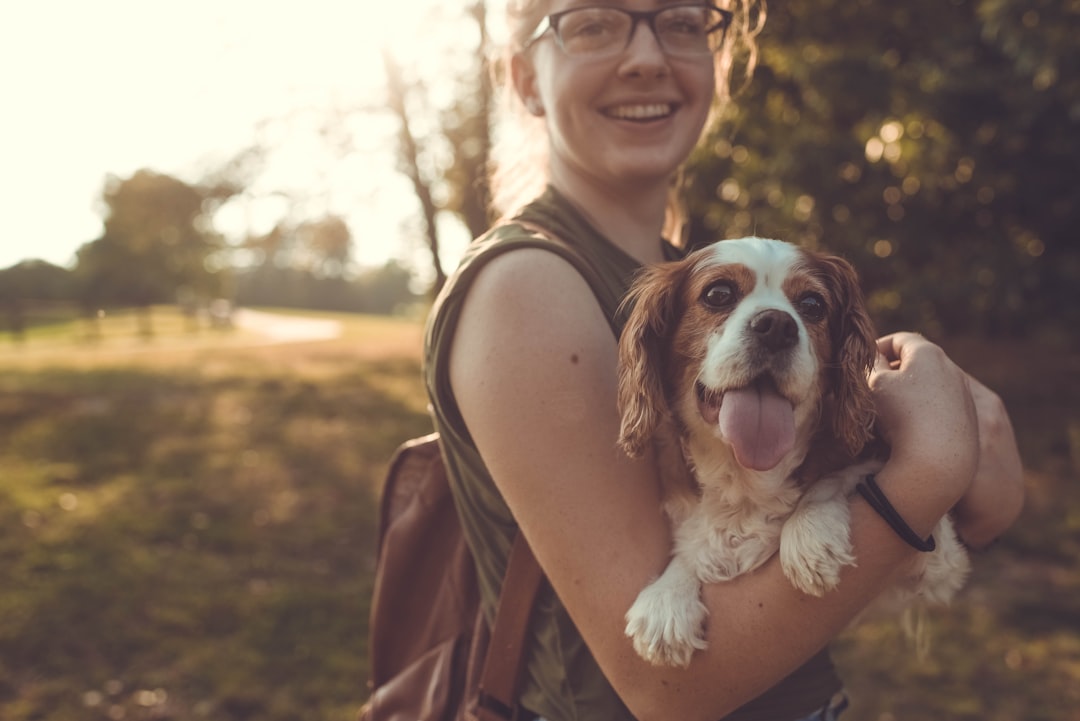
Photo by Sam McNamara on Unsplash
Not every animal wants the same kind of escape. Some dogs glow with energy the second a car door opens and a new shoreline comes into view. Some cats settle beautifully in a secure carrier once the engine hum becomes familiar. Others never truly relax outside their own home, no matter how much planning goes into the route. One of the smartest truths about traveling with pets is that success starts with honesty, not optimism.
Before you book anything, think in layers. How does your pet handle noise? Are they heat-sensitive? Motion-sick? Reactive around strangers or other dogs? Flat-faced breeds often face extra airline restrictions, especially in cargo, because breathing risks increase under stress and temperature swings. Senior pets may hate stairs more than long distances. Young animals may recover quickly but can be overwhelmed by busy terminals, elevators, and lobby traffic. A dog who is dreamy at the local cafe may still unravel in a train carriage when the doors hiss shut and the brakes scream into the station.
The right first trip is often smaller than people expect. A two-night stay in the Hudson Valley from New York City, a coastal break from London to the Cotswolds, or a train-based weekend from Milan to Bologna can teach you more than a ten-day cross-border sprint. In traveling with pets, confidence builds through repetition: short drive, one night away, new sleeping space, breakfast walk, return home. That rhythm matters.
Here is a fast reality check before you commit:
- Choose a first trip within 2 to 4 hours of home if your pet is inexperienced.
- Test the carrier or car harness on several short outings before departure day.
- If your pet cannot rest calmly for 60 to 90 minutes in transit, delay the big trip.
- Skip extreme seasons for your first attempt. Heat waves and deep winter add avoidable stress.
- Ask your vet whether age, breed, heart issues, or anxiety make certain transport modes unwise.
- Build a backup plan for illness, flight cancellation, or a hotel refusing your pet at check-in.
International pet travel documents and timelines
Photo by Blake Guidry on Unsplash
The glamorous part of a trip with an animal might be the arrival photo on a cobbled street or a beach at golden hour. The unglamorous part is that international pet travel is ruled by dates, document formats, microchip numbers, and rules that can change faster than people expect. If your trip crosses a border, paperwork is not admin; it is the trip.
For most countries, the order matters. A microchip usually has to be implanted before the rabies vaccination that supports travel documents. A first rabies shot usually triggers a waiting period before departure. Some destinations require a veterinary health certificate issued within a narrow window before travel. Others demand a rabies antibody blood test, sometimes called a titer test, followed by a waiting period that can push your planning horizon to four months or more. Many travelers learn this far too late. In traveling with pets, last-minute planning is often the most expensive mistake.
The rhythm of international pet travel is less about forms and more about the calendar. A domestic weekend can be planned in days. A transatlantic move, or even a long holiday, may need 30 days, 90 days, or 6 months depending on origin, destination, and pet type. That does not mean it is impossible. It means you need a disciplined timeline and a vet who understands travel rules rather than routine appointments only.
Your pet travel checklist for border crossings
A solid pet travel checklist usually includes:
- Microchip details and proof that the chip is readable
- Rabies vaccination certificate with valid dates
- Breed, age, and weight details that match airline and country rules
- Veterinary health certificate issued in the required window, often close to departure
- Import permit if the destination requires one
- Rabies antibody blood test results if needed for the route
- Tapeworm treatment record for dogs entering certain countries where it is required
- Copies of every document stored in print, email, cloud storage, and your phone
- Contact details for your destination's border authority and your arrival airport or port
A realistic planning timeline for international pet travel
| Timeline before departure | What to do | Why it matters |
|---|---|---|
| 6 months | Check destination rules, airline policy, and breed restrictions | Some routes need months of lead time |
| 3 to 4 months | Microchip, rabies vaccine, possible blood test | The sequence can be mandatory |
| 30 days | Confirm flights, pet slot, carrier rules, and accommodation | Airlines cap pet spaces per flight |
| 10 days or less | Get the final health certificate if required | Many countries reject out-of-window certificates |
| 72 hours | Reconfirm airline approval and airport arrival time | Pet reservations can disappear in schedule changes |
| 24 hours | Pack food, records, meds, pee pads, and contact sheet | Last-minute stress causes avoidable mistakes |
For official rule checks, start with the relevant government portals rather than blogs or social posts:
- United States pet travel information: https://www.aphis.usda.gov/pet-travel
- EU rules for cats, dogs, and ferrets: https://europa.eu/youreurope/citizens/travel/carry/animal-plant/index_en.htm
- Great Britain pet entry rules: https://www.gov.uk/bring-pet-to-great-britain
If you are headed on a long flight after the paperwork stage, it also helps to build your own in-seat setup using ideas from Long Haul Flight Essentials 2026: A Comfort Kit That Works. Your comfort matters too, especially when you are monitoring a pet's stress signals for hours.
How to get there
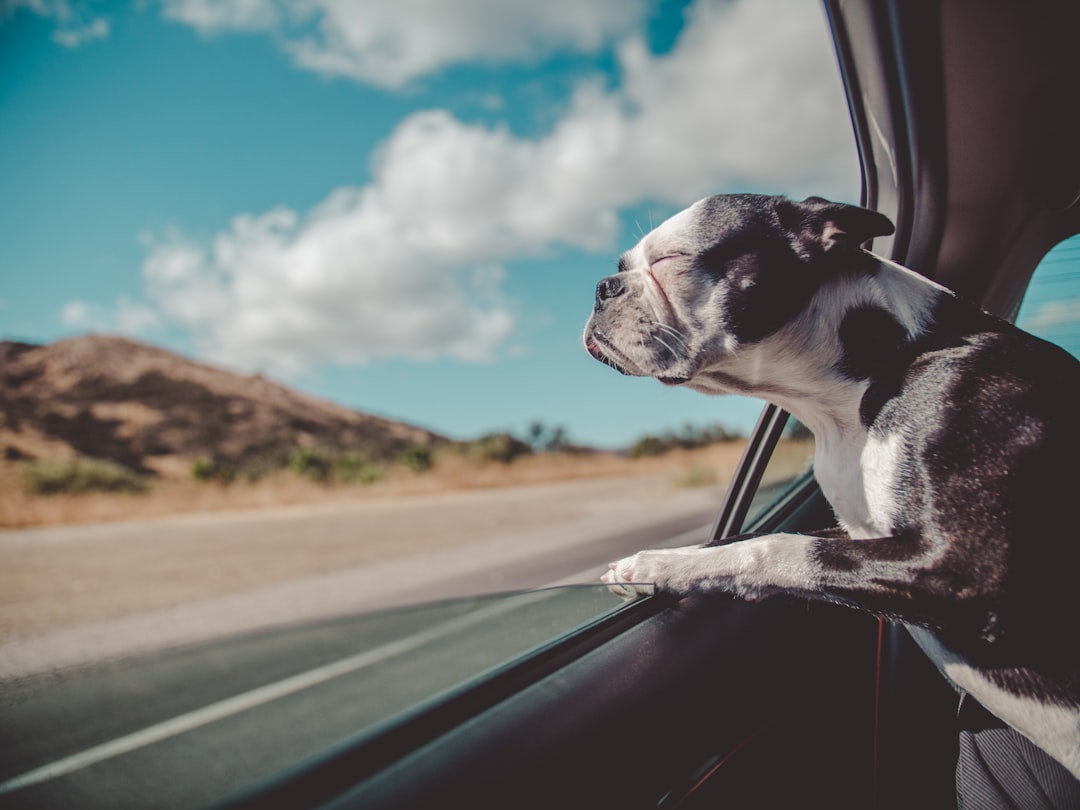
Photo by Avi Richards on Unsplash
Transport is where traveling with pets becomes wonderfully specific. The smell of diesel on a ferry ramp, the metallic echo of a station hall, the dry cabin air before takeoff, the steady road noise on a motorway at dawn: each mode asks different things of your pet. The best choice is not the fastest route on paper. It is the route your animal can handle with the lowest stress, the fewest handoffs, and the most predictable breaks.
Whenever possible, choose the simplest itinerary over the cheapest. A direct flight from New York JFK to London Heathrow LHR with one cabin-approved pet is often better than a bargain routing with a tight transfer through Frankfurt FRA. A drive from central London to the Cotswolds in about 2 hours is usually easier than rail plus taxi plus a hotel stairwell. A ferry from Holyhead to Dublin can feel calmer than a short flight if your pet is sensitive to airport noise. In traveling with pets, one fewer transition often matters more than one lower fare.
For city breaks, think in terms of door-to-door time, not just flight time. Add check-in buffers, taxi queues, pet relief stops, border inspection, and the walk from the hotel to the nearest green space. That is the real journey your pet experiences.
Transport comparison for pet trips
| Mode | Best for | Specific examples | Typical pet cost | Main watchouts |
|---|---|---|---|---|
| Plane | Long distances, international arrivals | JFK to LHR, LAX to YVR, AMS to LIS | Cabin fees often around USD 75 to 200 each way; cargo varies more | Carrier size, limited pet spots, weather restrictions |
| Train | Medium distances, city-to-city travel | New York Penn to Washington Union on Amtrak, Milan Centrale to Rome Termini on Frecciarossa, Berlin Hbf to Munich Hbf on ICE | Often free to low fee for small pets; larger dogs may need a ticket | Peak-hour crowds, stair access, muzzle rules in some countries |
| Ferry | UK-Ireland, Channel routes, coastal journeys | Holyhead to Dublin, Dover to Calais, Portsmouth to Caen | Around EUR 20 to 90 depending on route and kennel or cabin options | Cabin access rules vary; book pet spaces early |
| Car | Flexible weekends, rural stays, multi-stop trips | London to the Cotswolds in 2 hours, NYC to Hudson Valley in 2 to 2.5 hours, Munich to Tegernsee in 1 hour | Fuel, tolls, parking, pet-safe rest stops | Heat risk, motion sickness, unsafe restraint mistakes |
Air travel examples that are easier on pets
- Direct flights from JFK, EWR, BOS, or IAD to European hubs such as LHR, AMS, CDG, FRA, or LIS reduce transfer stress.
- Early morning departures are often cooler and calmer for pets than late afternoon summer flights.
- For West Coast travelers, Vancouver YVR and Seattle SEA can be smoother gateway options for shorter flights and pet-friendly outdoor access near many hotels.
- If your pet must travel in the hold, avoid peak summer and deep winter when temperature embargoes are more common.
Rail and ferry routes worth considering
- Amtrak Northeast Regional: New York Penn to Washington Union takes around 3.5 hours and can work well for small pets in carriers.
- Trenitalia Frecciarossa: Milan to Florence in around 2 hours, Milan to Rome in about 3 hours, useful for avoiding airport complexity.
- Deutsche Bahn ICE: Berlin to Munich in roughly 4 hours, with decent station facilities for breaks before departure.
- Stena Line or Irish Ferries: Holyhead to Dublin usually takes around 3.25 to 3.5 hours and may suit dogs who hate airports.
- Brittany Ferries: Portsmouth to Caen or Portsmouth to Santander can be helpful for longer crossings with more breathing room than air travel.
Drive times that make good first pet trips
- New York City to Beacon or Hudson, New York: around 2 to 2.5 hours
- London to Bourton-on-the-Water or Stow-on-the-Wold: around 2 to 2.5 hours
- Paris to Honfleur or Deauville: around 2.5 to 3 hours
- Toronto to Prince Edward County: around 2.5 to 3 hours
- San Francisco to Carmel-by-the-Sea: around 2 hours
Always check current rules with the operator before departure. Rail, ferry, and airline pet policies change often, and many limit the number of animals per service.
Flying with pets: cabin, cargo, and airport rhythm
Of all forms of traveling with pets, air travel magnifies small errors. A carrier that looks fine at home can fail the under-seat test at the gate. A pet who tolerates the car can panic when the boarding queue compresses and suitcase wheels rattle past. The airport itself is a sensory storm: perfume, floor polish, loudspeaker chimes, roasting coffee, strangers leaning too close, and the sudden thunder of rolling bins. If you plan for those sensations, flying with pets becomes far more manageable.
Whenever your pet is eligible for the cabin, that is usually the simplest option. Your animal stays with you, you can monitor breathing and comfort, and you avoid many of the handling variables linked to hold travel. But the cabin comes with non-negotiables. The carrier must fit under the seat. Your pet must usually remain inside it for the full flight. The animal plus carrier must meet the airline's weight rules, and those rules vary. Many airlines also cap the number of pets in cabin on each flight, so book early and get written confirmation.
There are cases where cargo or manifest transport is the only option, especially for larger dogs. That does not make the trip automatically unsafe, but it does make airline choice, season, breed restrictions, and routing far more important. In traveling with pets, cargo should be treated as a specialized decision, not a default. Flat-faced breeds often face cargo bans or extra limits. Very young, elderly, ill, or highly anxious pets are generally poor candidates. Never assume a baggage agent's reassurance overrides the written policy.
How to make flying with pets smoother
- Book the pet space when you book your own ticket, not later.
- Prefer direct flights, even if they cost more.
- Measure your pet standing and lying down inside the carrier before buying it.
- Use a soft-sided carrier for cabin travel if the airline allows it; it flexes better under seats.
- Line the carrier with an absorbent pad plus a thin blanket that smells like home.
- Freeze a small dish of water beforehand or use an attached water bottle if the airline permits.
- Feed lightly before departure unless your vet advises otherwise.
- Avoid sedating your pet unless a veterinarian specifically directs it for travel.
- Arrive early enough to solve paperwork problems without rushing.
Airport day routine
A good airport routine is boring on purpose. Give your dog a real walk before entering the terminal. Let your cat settle in the carrier well before the taxi ride, not at the curb with horns blasting. Keep your voice steady. Move with intention. If there is a pet relief area, use it even if your pet seems uninterested, because the next opportunity may come later than planned.
For many travelers, the hardest part of flying with pets is not takeoff; it is the dead time before boarding when stress builds. I like to plan the quietest possible wait near the gate, away from food courts and escalator traffic. When I sketch routes and overnight stops in TravelDeck, I look for the nearest green space or relief area before I even compare hotel prices. That one small map check saves a surprising amount of panic on arrival.
Road trip with a dog or cat: the slow travel advantage
A road trip with a dog can feel like the ideal version of traveling with pets because you control the soundtrack, the stops, the temperature, and the pace. Windows crack open to pine air or sea salt. Rest areas become small rituals. You can pull over when your pet is unsettled rather than waiting for descent or border control. The freedom is real, but it only feels easy when the car itself is set up safely.
The biggest mistake on a road trip with a dog is letting safety slide because the environment feels familiar. Pets should not roam loose in the cabin. A crash-tested harness or a secured crate is the better standard. Cats travel best in carriers, not on laps. Never leave an animal alone in a parked car, not for a coffee run, not in cloud cover, not with the windows cracked. Cabin temperatures rise frighteningly fast, and what feels mild to you can become dangerous within minutes.
Road trips also expose all the little weaknesses in a pet's routine. Motion sickness, refusal to drink, stress panting, overexcitement at stops, barking in hotel corridors, and new floor surfaces can all surface over a few days. That is why a rehearsal matters. The smartest road trip with a dog is usually a chain of practiced habits rather than a heroic first attempt.
Smart setup for a road trip with a dog or cat
- Stop every 2 to 3 hours for water, toileting, and a short reset walk if your pet needs it.
- Pack a waterproof seat cover, towels, waste bags, paper towels, and enzymatic cleaner.
- Keep food changes to zero while on the road unless your vet instructs otherwise.
- Use a non-spill water bowl or offer water at each stop instead of free sloshing bowls.
- Clip ID tags with your mobile number and destination contact.
- Carry a recent photo of your pet in case of loss.
- Book ground-floor rooms when possible to reduce stair stress and elevator waits.
- Build buffer time so you never have to choose between speeding and a toilet break.
Best first-drive itineraries
If you are new to traveling with pets, these formats are often easier than ambitious touring loops:
- One base, two nights, one scenic walk nearby
- Drive under 3 hours on day one
- Lunch picnic instead of a restaurant stop
- Arrival before sunset so your pet can decompress in daylight
- One long morning walk and one quiet evening outing
Things to do
The best activities on a pet trip are not always the biggest attractions. They are the places where your animal can move, sniff, rest, and watch the world without constant correction. In traveling with pets, the texture of a day matters more than the number of sights. A breezy promenade, a long urban park, a shady waterfront, and a bench where you can exhale together often beat a packed museum schedule by a mile.
That does not mean sacrificing memorable experiences. It means choosing places where the atmosphere works for both of you. Think early-morning parks, beaches with clear dog rules, wide boulevards, lake paths, and viewpoints reached without chaotic queues. Many of the best memories from traveling with pets happen in the in-between hours: a coffee at first light, a quiet canal walk, paws tapping on cobblestones before shops open, gulls overhead, your dog pausing to sniff rosemary spilling from a planter.
Here are specific, pet-friendly ideas you can build into a trip:
- Vondelpark, Amsterdam, Oud-Zuid
- Hampstead Heath, London NW3
- Carmel Beach, Ocean Avenue and Scenic Road, Carmel-by-the-Sea
- Stanley Park Seawall, 2000 W Georgia St, Vancouver
- Tempelhofer Feld, Tempelhofer Damm, Berlin
- Hudson River Greenway, enter near Pier 45, New York City
- Golden Gate Park, San Francisco, John F. Kennedy Drive corridor
- Parc de la Ciutadella, Barcelona, Ciutat Vella
A simple rule works almost everywhere: walk early, rest at midday, go out again in the evening. That rhythm makes traveling with pets more enjoyable in cities, beach towns, and scenic regions alike.
Where to stay: choosing pet friendly hotels that work in real life
A listing that says pets allowed is only the start. In practice, pet friendly hotels vary wildly. Some provide bowls, beds, and easy green-space access. Others charge a cleaning fee, ban pets from being left alone even briefly, restrict weight, cap breed types, or allow only one animal per room. The difference between a genuinely easy stay and a tense one is often hidden in the policy page or only revealed if you call.
Location matters as much as policy. The best pet friendly hotels are not always the prettiest. They are the ones where the pavement outside is quiet, the elevator is not mandatory, the nearest patch of grass is close, and the lobby staff do not flinch when a wet dog comes in after rain. If you arrive in a beautiful old building with no lift, a slippery marble staircase, and a tiny room above a loud bar, the romance can fade very quickly.
I look for three things first: honest pet rules, practical room layout, and walking access. Then I check whether there is an emergency vet within a 10 to 15 minute drive or taxi ride. When you are screening pet friendly hotels, that one check is worth more than fancy amenities.
Hotel budget guide
| Budget tier | Suggested stays | Typical nightly price | Why they work |
|---|---|---|---|
| Budget | Motel 6 in many US cities; B&B HOTEL Berlin-Alexanderplatz; ibis Edinburgh Centre South Bridge | USD 70 to 150 or EUR 85 to 150 | Usually simple access, predictable policies, easy one-night stops |
| Mid-range | Kimpton De Witt Amsterdam; Staypineapple Midtown New York; Loews Philadelphia Hotel | USD 180 to 350 or EUR 220 to 350 | Better service, stronger pet culture, more central locations |
| Luxury | Rosewood London; Four Seasons Hotel Madrid; Fairmont Pacific Rim Vancouver | USD 450 and up or EUR 500 and up | High service levels, concierge help, often excellent neighborhood access |
Specific places to check
#### Budget
- Motel 6, various US locations: often one of the easiest options for a fast overnight on a road route, usually around USD 70 to 120.
- B&B HOTEL Berlin-Alexanderplatz: good transport connections and generally practical rates around EUR 85 to 140.
- ibis Edinburgh Centre South Bridge: central enough for walking, usually around GBP 90 to 150 depending on season.
#### Mid-range
- Kimpton De Witt Amsterdam: a strong example of the Kimpton brand's well-known pet-friendly approach, often around EUR 220 to 350.
- Staypineapple Midtown New York: stylish but practical for city breaks, often around USD 220 to 360.
- Loews Philadelphia Hotel: useful for travelers who want a central US city stay without giving up pet-focused service, often around USD 210 to 320.
#### Luxury
- Rosewood London: polished service and a location that works well for long city walks, often GBP 700 and up.
- Four Seasons Hotel Madrid: a good luxury base for elegant service and access to central neighborhoods, often EUR 650 and up.
- Fairmont Pacific Rim Vancouver: ideal if you want urban luxury close to waterfront walking, often CAD 450 to 700.
How to vet pet friendly hotels before paying
- Ask for the exact pet fee, deposit, and refund conditions.
- Confirm size, breed, and number limits in writing.
- Ask whether pets may be left alone in the room, even briefly.
- Request a lower floor or room near an exit if your pet startles easily.
- Check satellite view for nearby parks, grass, or noisy roads.
- Read recent reviews for surprise rules or poor staff response.
And be careful with listings that feel too slick or oddly vague. Fake pet fees, bait-and-switch apartment listings, and copied photos still happen. If a booking request suddenly moves off-platform or demands unusual transfers, the red flags are similar to the patterns outlined in Tourist Scam Warning Signs in 2026: Outsmart the Setup.
Useful search tools:
- https://www.booking.com
- https://www.airbnb.com
- https://www.bringfido.com
Where to eat
Meals are one of the trickiest parts of traveling with pets because hunger and logistics rarely line up neatly. You may arrive at a gorgeous square just as your dog needs water, or discover that the market hall you planned to browse does not allow animals inside. The easiest rhythm is often breakfast early, lunch as takeaway, and dinner on a terrace or in a neighborhood with a dense cluster of outdoor tables.
This is where good trip design beats heroic spontaneity. Many of the happiest food moments on pet trips happen on a bench, a patch of grass, or a sunny corner of a square after one person picks up takeaway while the other waits outside with the animal. The smell of roast chicken, coffee, warm pastry, or pizza al taglio somehow tastes better when your pet is resting at your feet instead of you worrying about a manager's policy mid-order.
If you are choosing neighborhoods, favor places with broad pavements, parks nearby, and visible outdoor dining. That makes traveling with pets feel more natural and far less transactional.
Pet-friendly eating strategies by city
- London, Primrose Hill and Hampstead: ideal for bakery breakfasts, takeaway coffee, and long park walks. Try pastries or a classic fish and chips takeaway before heading to the heath.
- Lisbon, Jardim da Estrela and Praça das Flores: terrace culture makes this one of the easier cities for leisurely meals. Look for grilled sardines in season, bifanas, and pastel de nata.
- Rome, Monti and Testaccio: pizza al taglio, supplì, and market snacks work brilliantly when you want flexibility rather than a formal meal.
- Berlin, Prenzlauer Berg: many cafes and broad sidewalks make coffee stops easier; currywurst, schnitzel, and bakery breakfasts are easy grab-and-go options.
- Vancouver, Kitsilano and the seawall area: good for patio dining, seafood, and relaxed post-walk lunches after time by the water.
- Portland, Mississippi Avenue and Alberta Arts District: food-cart culture can be very helpful on a pet trip because outdoor ordering is easier than indoor dining.
What to pack for easier meals
A tiny dining kit saves headaches during traveling with pets:
- Collapsible water bowl
- Portion of your pet's usual food
- Mat or towel for settling under a table
- Waste bags
- Wet wipes for muddy paws
- Small zip bag of treats for calm behavior
Practical tips
The last 10 percent of planning creates most of the comfort. In traveling with pets, that means season, weather, local etiquette, emergency care, and your own ability to stay flexible when the day goes sideways. The best months are often the shoulder seasons. Spring and autumn bring cooler pavements, fewer temperature extremes, and cities that feel more spacious. Summer looks tempting, but blazing sidewalks, delayed flights, crowded beaches, and hotel air-conditioning failures can all turn a good plan sour.
Weather is not just about rain. It is about floor temperature, panting risk, snowmelt chemicals on paws, wind-chill at ferry terminals, and whether your pet will drink enough on a dry cabin flight. A fluffy dog that looks glorious in December photos may hate a windswept platform. A short-haired city dog may struggle on a misty coastal break. Cats can be especially sensitive to routine disruption and may hide for hours on arrival unless you create a quiet, familiar corner immediately.
The everyday practicalities matter too. Keep some local cash for rural taxis or small veterinary clinics, even if you mainly pay by card. Download offline maps. Save the address of your stay in the local language if needed. Carry an eSIM or local data plan because being unable to locate the nearest emergency vet is one of the least glamorous but most serious failures in traveling with pets.
Best seasons for traveling with pets
| Season | Why it works or fails | Best use case |
|---|---|---|
| March to May | Cool to mild weather, easier city walking, fewer heat risks | First city breaks, countryside weekends |
| June to August | Heat, crowds, hot pavements, flight disruptions | Coastal trips with shade and flexible timing only |
| September to November | Often the sweet spot for comfort and lower stress | Road trips, ferry routes, urban walking holidays |
| December to February | Holiday crowds, cold snaps, snow, storm delays | Short trips only if your pet tolerates cold well |
The practical pet travel checklist I actually use
A good pet travel checklist is part medical folder, part comfort kit, part damage control. Mine includes:
- Printed health records and digital backups
- Food for the whole trip plus 2 extra days
- Medications in original packaging
- Collapsible bowls and a water bottle
- Harness, spare lead, ID tags, poop bags
- Towels, pee pads, wipes, and paper towels
- Favorite blanket or toy with a familiar smell
- Tick remover, basic first-aid items, and paw balm if needed
- Recent photo of your pet and microchip number
- Emergency vet addresses at the destination and along the route
Customs, money, safety, and connectivity
- Customs and etiquette: not every country treats dogs in cafes, trains, or beaches the same way. What feels normal in Berlin may not fly in parts of Spain or the UK. Read local rules rather than assuming.
- Currency: keep enough local money for a taxi, public toilets in stations, or a vet consultation deposit.
- Safety: never trust unknown off-leash areas near roads or cliffs without checking the terrain first.
- Connectivity: use offline maps and a tracking tag if your pet tolerates one. An AirTag or GPS device is not a substitute for training, but it can buy crucial minutes.
- Routine: keep feeding times and walk times as close to home as possible.
- Accommodation manners: wipe paws before entering, bring your own sheet or throw for furniture, and prevent nuisance barking early.
A few often-missed details
- Many train operators require larger dogs to be leashed and sometimes muzzled.
- Some countries cap non-commercial pet travel at five animals per person.
- Dogs entering certain countries may need a tapeworm treatment in a defined time window before arrival.
- Airlines can refuse pets during temperature extremes even with a confirmed booking.
- A hotel's pet policy can differ by property within the same chain.
FAQ
What documents do I need for traveling with pets internationally?
For traveling with pets across borders, you usually need a microchip, valid rabies vaccination record, and a veterinary health certificate. Some routes also require an import permit, a rabies antibody blood test, or specific parasite treatment for dogs. Always check the exact rule set for your origin and destination.
Can my dog fly in the cabin?
In many cases, yes, if the dog is small enough to fit in an airline-approved carrier under the seat and the airline still has a pet slot available. Flying with pets in cabin is usually the easiest air option, but size, weight, route, and airline policy all matter.
Is cargo safe for pets?
It can be safe on the right airline, in the right season, for the right animal, but it is not the first choice for many travelers. In flying with pets, cargo deserves extra caution for flat-faced breeds, very anxious animals, and extreme weather periods.
How do I find truly pet friendly hotels?
Search for pet friendly hotels, then call before booking. Ask about fees, size limits, whether pets can be left alone, and how far the nearest green space is. A realistic policy and a practical location matter more than a glamorous lobby.
What is the best way to plan a road trip with a dog?
A road trip with a dog works best when you keep drives short, stop every 2 to 3 hours, secure your pet with a crate or crash-tested harness, and maintain normal feeding and walking routines. For first-timers, one base for two nights is usually better than a multi-hotel sprint.
What should be on a pet travel checklist?
A reliable pet travel checklist includes records, food, medication, bowls, waste bags, leash or harness, comfort items, cleaning supplies, and emergency vet contacts. Add copies of every travel document if the trip involves flights or border crossings.
Travel is never perfectly tidy, and that is especially true when paws, fur, weather, and moving schedules collide. But that is also what makes traveling with pets memorable. You start noticing the world at a different scale: the cool strip of shade beside a station wall, the quiet hotel courtyard at dawn, the bench with just enough space for coffee and a water bowl, the relief of a calm check-in after weeks of paperwork.
The real reward is not proving that your pet can go anywhere. It is learning where they are happiest, what pace suits them, and how a trip can feel richer when you build it around care instead of speed. That is when traveling with pets stops being a logistical flex and becomes what it should be all along: a shared journey that leaves both of you calmer, not just farther from home.