Undiscovered Wine Regions: In-Depth Guides for Curious Travelers
Undiscovered Wine Regions: In-Depth Guides for Curious Travelers
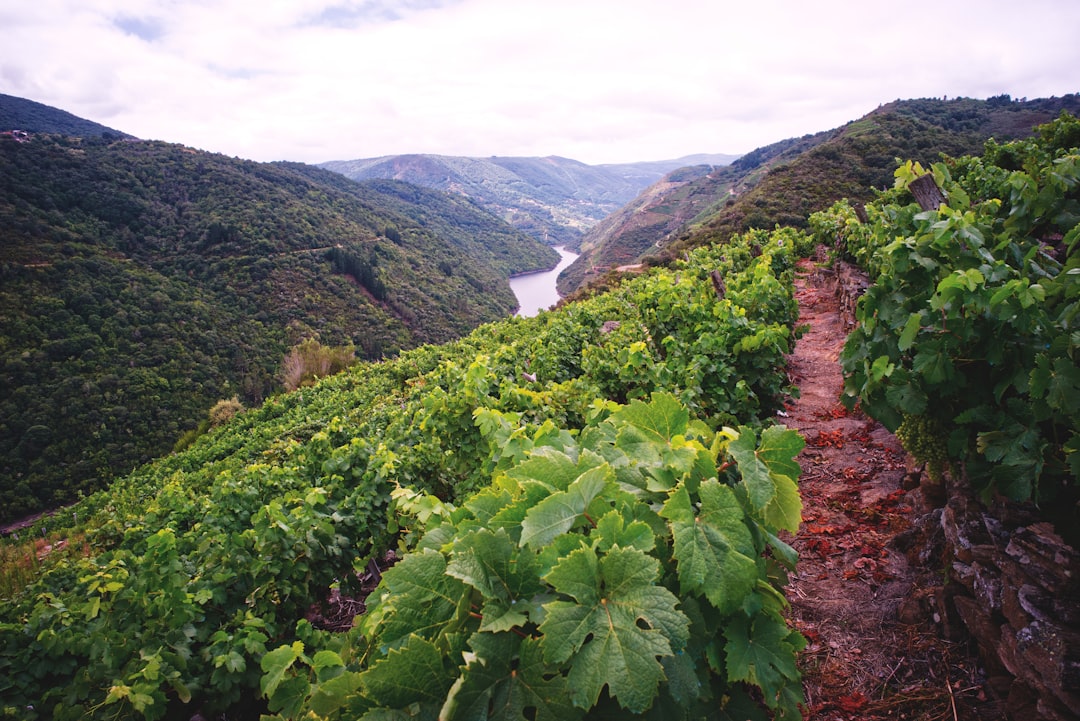
Photo by Alberto Restifo on Unsplash
If you love tasting rooms, vineyard views and stories behind each bottle, this guide to undiscovered wine regions is for you. Across Chile, Algeria, Croatia and beyond, lesser-known wine countries are offering authentic encounters, fewer crowds and better value. This article shows how to plan trips to undiscovered wine regions, with actionable itineraries, travel tips and tools (including how TravelDeck can help with itinerary planning, expense splitting and shared gallery memories).
Why travel to undiscovered wine regions?
Visiting undiscovered wine regions unlocks authentic culture, family-run wineries, and landscapes that feel untouched. Often, you’ll find local grape varieties, traditional winemaking methods and direct conversations with vintners.
Benefits:
- Smaller tasting rooms and personal tours.
- Better prices on bottles and meals.
- Opportunities to stay on vineyards and learn farming cycles.
Top offbeat wine destinations to consider
Here are five starter regions that combine accessibility and novelty.
Colchagua Valley offers world-class reds with cowboy culture and stargazing. Renowned estates like Viu Manent and Casa Silva sit alongside newer boutique producers. The valley is easy to reach from Santiago and pairs well with multi-day road trips toward Patagonia. For official visitor info, see Chile Travel.
Algeria is re-emerging on travel maps and its diverse terroirs harbor less-crowded historic vineyards near Roman ruins like Timgad and Djémila. Travel advisories change often; check your government travel page before booking.
Beyond Santorini’s volcanic whites, the Peloponnese is growing as an offbeat wine destination with age-old varietals and coastal scenery. Local agritourism stays often include hands-on harvest activities.
Croatia’s wine scene stretches across Istria and Dalmatia. Skip the crowds in Dubrovnik and island-hop to family-run cellars on Hvar and Vis.
Small-scale tropical viticulture is experimental but increasingly interesting for travelers who pair beach time with unique tasting experiences.
For a sense of what global travel editors are recommending for 2026, see the BBC list of top places and Forbes Travel Guide’s top destinations for inspiration: BBC Travel: The 20 best places to travel in 2026 and Forbes Travel Guide's 20 Top Destinations for 2026.
How to choose which undiscovered wine regions to visit
Consider these decision drivers:
- Time available: pick nearby regions for short trips and farther-off terroirs for slow journeys.
- Travel season: harvest season (usually late summer–autumn in many hemispheres) offers active cellar doors and festivals.
- Accessibility: flights and road infrastructure matter for remote vineyards.
- Your tasting priorities: bold reds, aromatic whites, or unique indigenous grapes?
Quick checklist before booking:
Sample 5-day wine travel itinerary (Colchagua Valley example)
Day 1: Arrive Santiago, pick up rental car, overnight in Santa Cruz.
Day 2: Morning tasting at Viu Manent, lunch at a hacienda, afternoon bike tour through vineyards.
Day 3: Full-day route visiting Casa Silva and MontGras, sunset at Clos Apalta.
Day 4: Cooking class with local chef, evening stargazing excursion at Cerro Chaman Observatory.
Day 5: Return to Santiago, stop at roadside markets en route.
Actionable tips:
- Book tastings 24–48 hours in advance during high season.
- Opt for guided tastings to learn local grape histories.
- Pack a light cooler bag for purchases when flying home, and check airline rules.
Practical travel planning: transport, accommodation and budget
Transport
- Rent a car for valley exploration but consider a driver for heavier tastings.
- Book regional flights early for better rates.
Accommodation
- Agritourism and vineyard stays provide immersive experiences.
- Check for breakfast and cellar access included in the rate.
Budgeting
- Tasting fees vary: free to $50+ depending on winery prestige.
- Factor in bottle customs rules and possible duty fees at home.
Use TravelDeck to manage costs by tracking expenses, splitting tasting bills with travel companions, and storing receipts in a shared gallery.
Tasting etiquette and what to ask winemakers
Short, respectful questions create memorable tastings. Try:
- "Which local grape defines your style?"
- "What vintage best represents the terroir?"
- "Can you describe traditional practices here?"
Bring a reusable water bottle, pace yourself, and avoid wearing strong perfumes.
Safety, customs, and legal considerations
- Know local drinking laws and legal driving limits.
- Research customs allowances for bringing wine home; many countries restrict volume and require declarations.
- Check health advice and travel advisories before departure.
For U.S. travelers or those needing authorization for U.S. transit, see official portals like ESTA Visa Application or government travel advisories.
Sustainable wine travel: supporting communities and conservation
Choose wineries that practice water conservation, organic viticulture or community engagement. Ask about:
- Waste reduction and recycling programs.
- Support for local food producers and artisans.
- Wildlife-friendly land management.
Smaller regions often provide direct economic benefit to communities, making your visit impactful.
Packing list for wine-focused trips
Essentials:
- Comfortable shoes for vineyard terrain.
- Light layers for changing weather between valleys and coast.
- Collapsible cooler bag for purchases.
- Notebook or tasting app to track favorite wines.
Pro tip: Use TravelDeck’s shared gallery to save tasting notes and photos, then export an itinerary that lists the wineries you loved.
How to discover truly offbeat wine destinations
- Follow regional wine federations and local tourism boards for small-event announcements.
- Join niche travel groups or forums where vintners announce cellar-door openings.
- Time trips to local harvest festivals for immersive experiences.
Examples of resources:
- National tourism sites such as Chile Travel for Colchagua and regional visitor bureaus for Peloponnese and Croatia.
Sample packing and timing strategy for multi-region trips
- If combining beach and wine (e.g., Croatia islands), schedule wine days mid-trip to avoid packing heavy bottles for long flights.
- Ship prized bottles home if you plan large purchases — consult local freight and customs firms.
FAQs about visiting undiscovered wine regions
Q: Are small wineries open to walk-ins?
A: Many are not. Smaller estates often require appointments, especially in off-peak seasons.
Q: Is language a barrier?
A: English is common in tourist areas, but learning basic local phrases enriches the experience.
Q: Can I visit during harvest?
A: Yes — harvest offers an immersive view but book early and respect worker schedules.
Connecting your wine trip with cultural travel
Pair winery visits with local markets, historic sites, and cooking schools. For example, combine Colchagua tastings with visits to nearby colonial towns, or pair a Croatian island winery day with a coastal hike.
If you’re planning a broader city-based trip, check guides like the Rome Neighborhood Guide: Insider Tips for Every District to match wine side-trips with urban exploration.
Final checklist before you go
- Confirm tasting appointments and transport.
- Verify customs and duty rules for bottles.
- Upload itinerary and group details to TravelDeck so everyone has shared access.
Conclusion
Undiscovered wine regions reward travelers who want more than a postcard view. You’ll taste rarer varieties, meet passionate makers, and support local economies. Use practical planning — book in advance, travel responsibly, and leverage tools like TravelDeck for itinerary planning, expense splitting, shared galleries and AI guides to make the most of each sip.
Ready to map your next vineyard adventure? Build a custom wine travel itinerary on TravelDeck and invite friends to split costs and save tasting notes together. Visit https://traveldeck.ai to start planning today.