A commercial aircraft cabin is often drier than most people imagine, with humidity low enough to leave your eyes gritty, your skin tight, and your patience in pieces before the map even shows the halfway mark. That is exactly why a solid 12 hour flight checklist matters. If you have ever stepped off a red-eye with swollen ankles, a buzzing head, and the vague feeling that time has stopped working, the problem was not only the seat. It was the chain of tiny decisions before takeoff, during the flight, and in the first hours after landing.
Most travelers try to fix a long journey with one heroic move: a neck pillow, a glass of wine, a lucky empty row, a miracle melatonin gummy. Real comfort does not work like that. It comes from building a rhythm that supports circulation, sleep, digestion, hydration, and mood at the same time. Think of this guide as a calm system rather than a bag of random hacks. It is designed for economy travelers, premium economy opportunists, and anyone who wants to arrive looking less like a crumpled boarding pass and more like a person ready for the trip.
This 12 hour flight checklist is built around the actual pressure points of a long journey: when to book, where to sit, what to pack, how to sleep on a plane, what to eat, when to move, and how to recover after touchdown. If you usually fly economy, it also pairs well with Economy Flight Comfort Routine 2026: Feel Better at Landing, but the approach here is broader: not just comfort in the seat, but comfort across the whole travel day.
| Flight stage | What usually goes wrong | Best response |
|---|---|---|
| Before departure | Bad seat, bad timing, under-packed bag | Choose schedule carefully and build a comfort kit |
| First 3 hours on board | You get dehydrated early and never recover | Start water, loosen layers, settle your body clock |
| Mid-flight | Stiffness, bloating, screen fatigue, frustration | Move with purpose, eat lightly, rotate activities |
| Sleep window | Noise, light, bad posture, wrong timing | Create a repeatable sleep ritual |
| Landing day | Grogginess, naps, hunger, confusion | Get light, walk, eat at local time, protect the first evening |
Why long flights feel harder than the ticket suggests
Photo by Ross Parmly on Unsplash
A long-haul journey is not just sitting for twelve hours. It is twelve hours of low humidity, background engine noise, mild stress, odd meal timing, disrupted posture, and the strange social choreography of sharing a sealed tube with several hundred strangers. The air smells faintly of coffee, warm plastic, reheated food, and fabric. The light shifts from bright boarding glare to midnight blue cabin glow. You are still, but your body is working hard to adapt.
That is why many so-called long haul flight tips feel disappointingly small on their own. Water helps, but water alone will not fix swelling. A neck pillow helps, but a neck pillow alone will not fix a nervous system that is still on home time. Good entertainment helps, but not if you binge loud action movies until your eyes ache and then wonder why sleep never comes. Comfort is cumulative. So is discomfort.
A realistic 12 hour flight checklist begins with understanding the enemies:
- Dry cabin air that irritates eyes, skin, lips, and nasal passages
- Prolonged sitting that slows circulation and tightens hips, calves, and lower back
- Cabin noise and light changes that make real sleep difficult
- Airline meal timing that often clashes with your destination clock
- Too much screen time, which drains attention and worsens eye strain
- Anxiety, even mild, which can keep your shoulders tight and jaw clenched for hours
- Small logistical mistakes, like packing your charger too deep or wearing shoes that become tight after swelling
Once you stop treating the flight like a blank chunk of inconvenience and start treating it like a body-management problem, the trip changes.
Before you book: long haul flight tips that actually move the needle
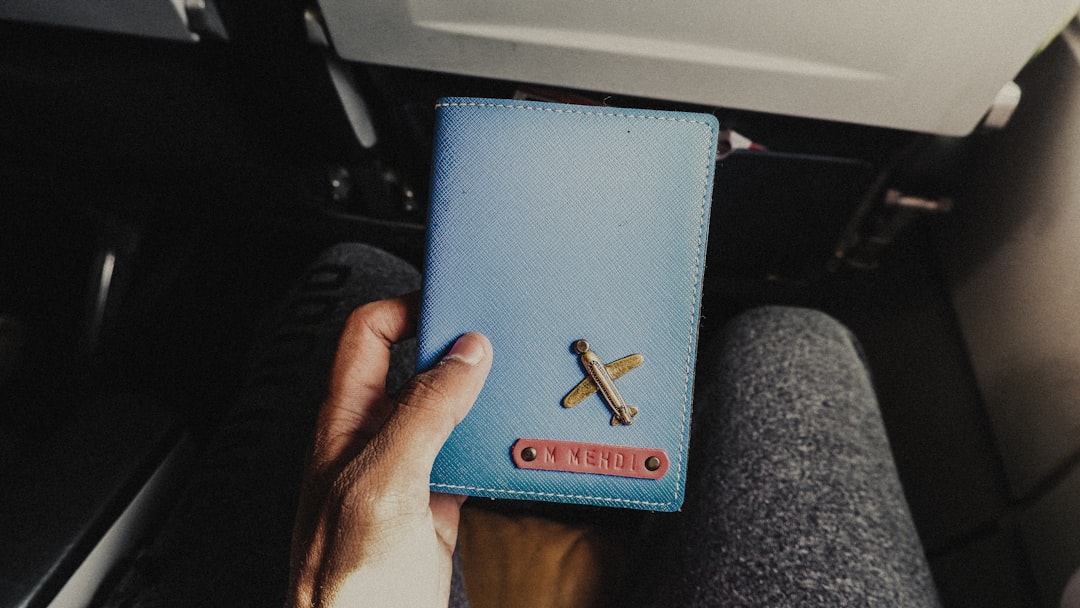
Photo by Md Mahdi on Unsplash
The most useful long haul flight tips happen before the boarding pass hits your phone. Travelers often spend weeks comparing hotel neighborhoods and then choose a long-haul itinerary in ninety seconds. That is backwards. A slightly better departure time, a smarter seat location, or a route with one less painful connection can save more energy than any in-flight gadget.
Start with timing. If you can choose between several flights, favor a departure that lets you align at least part of your sleep with destination night. Overnight eastbound flights can work well if you board tired but not wrecked. Daytime westbound flights can feel easier if you stay awake, eat lightly, and land ready for a normal local dinner. The goal is not perfection. The goal is reducing the number of systems your body has to fight at once.
Seat choice matters more than most people admit. The best seat for long flights depends on what bothers you most. If you hate being trapped, choose an aisle. If you know people climbing over you ruins any chance of sleep, take the window. If turbulence makes you queasy, aim for rows over or close to the wing. If you have long legs, compare the price of extra legroom against the value of landing with a functioning lower back.
Use these booking rules in your 12 hour flight checklist before paying:
- Check the aircraft type, not just the airline and departure time
- Sit near the wing for less dramatic motion in turbulence
- Avoid the last row in a cabin section if recline is limited
- If you sleep best leaning away from movement, book the window
- If you hydrate aggressively and move often, book the aisle
- Watch seat maps again 72 to 24 hours before departure because airlines sometimes release blocked seats
- For flights above 10 hours, compare the cost of extra legroom with what you would gladly pay to avoid a ruined first day
| Seat choice | Typical extra cost | Comfort gain | Trade-off | Best for |
|---|---|---|---|---|
| Standard window | Included or low fee | Wall to lean on, fewer interruptions | Harder to get up | Sleep-focused travelers |
| Standard aisle | Included or low fee | Easy bathroom and stretch access | More bumps from carts and people | Hydration and movement planners |
| Extra legroom | US$40-180 | Easier knee angle and standing room | Higher fee, sometimes close to galley | Tall travelers, sore backs |
| Bulkhead | US$50-200 | Space in front, easier fidget room | No under-seat bag at takeoff and landing | Travelers who need space |
| Premium economy | US$250-900 above economy | Wider seat, better recline, calmer meal service | Big jump in fare | Flights over 12 hours |
If you want one of the best long haul flight tips that is still underused, budget for one upgrade that changes posture rather than one luxury that vanishes quickly. Extra legroom, premium economy, or lounge shower access usually beats impulse shopping at the gate.
Build a 12 hour flight checklist: what to pack for a long flight
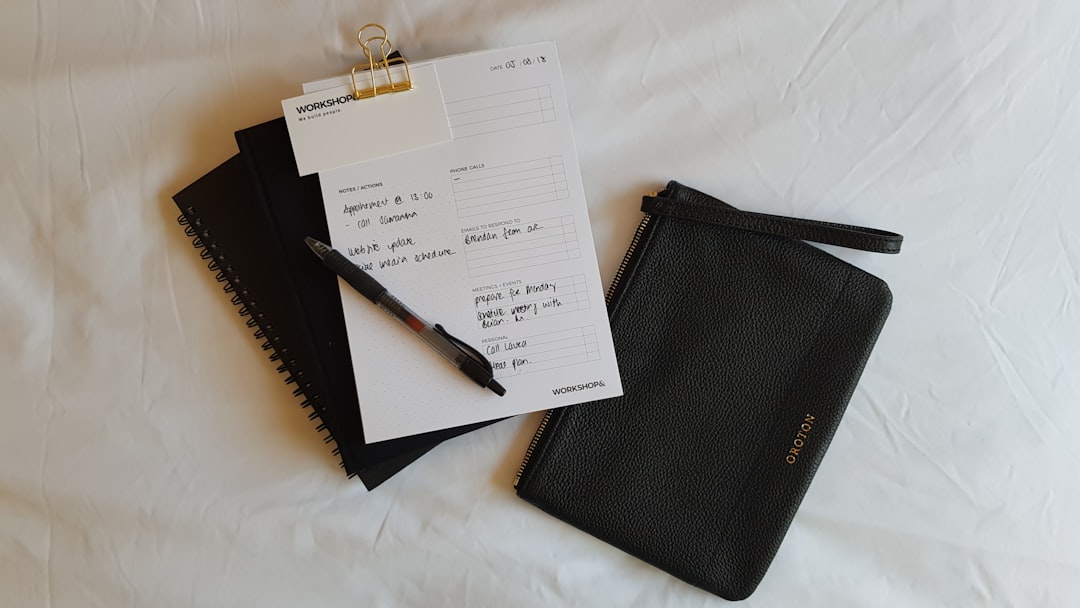
Photo by Workshop& on Unsplash
Open a carry-on in the middle of a night flight and you will instantly understand what to pack for a long flight properly. The cabin is dim. Someone beside you is asleep. Your tray table is half occupied. Your phone cable has disappeared into a black hole of receipts, snacks, and lip balm. Organization is not aesthetic here; it is survival with better manners.
The best version of a 12 hour flight checklist uses small pouches by function. One for sleep. One for hygiene. One for power and documents. One for food and hydration. That way, you are never excavating your whole bag just to find eye drops. If you keep digital boarding passes, hotel addresses, and offline maps together, tools from Travel Apps Every Traveler Needs in 2026 for Smoother Trips can help, and if you like keeping confirmations, reminders, and trip notes in one place, TravelDeck is an easy way to keep the pre-flight mess from spreading.
When people ask what to pack for a long flight, they usually picture a neck pillow and headphones. Useful, yes. Complete, no. The smartest items are the ones that solve the dry, repetitive, irritating problems of hour six and hour ten, not just the first selfie at the gate.
Put these into your 12 hour flight checklist carry-on:
- Refillable water bottle, empty through security, then filled at the gate
- Electrolyte sachets with low or no sugar
- Noise-cancelling headphones plus simple foam earplugs for layered quiet
- Contoured sleep mask that does not crush your eyelids
- Neck pillow that fits your sleep style, not just whatever is sold at the airport
- Compression socks, ideally worn before leaving home
- Lip balm, hand cream, and a richer moisturizer than you use on a normal day
- Preservative-free eye drops and a small saline nasal spray
- Toothbrush, toothpaste, deodorant wipes, and one spare pair of underwear
- Phone charger, power bank around 20,000mAh, and a short cable that stays in your seat area neatly
- Light hoodie, scarf, or shawl for changing cabin temperature
- Slip-on shoes or shoes that loosen easily when your feet swell
- A few protein-forward snacks such as nuts, crackers, jerky, or a banana
- Pen, because immigration cards still appear when you least expect them
- One analog backup for entertainment, like a paperback or notebook
| Item | Why it matters | Budget range |
|---|---|---|
| Compression socks | Reduce swelling and help circulation | US$15-40 |
| Eye drops and saline spray | Fight cabin dryness where water alone cannot | US$10-25 |
| Noise-cancelling headphones | Lower sensory stress and improve sleep odds | US$60-350 |
| Power bank | Protects you from broken seat outlets | US$30-90 |
| Electrolytes | Make hydration more effective on dry flights | US$8-25 |
| Good sleep mask | Blocks light without pressure on eyes | US$10-45 |
What to pack for a long flight also depends on where you land. If you arrive in winter at 6 a.m., keep a warm outer layer accessible. If you arrive in tropical heat, pack a fresh T-shirt near the top of your bag. The best comfort move is often the first five minutes after landing, not the middle of the movie.
The first three hours on board decide the rest of the flight
There is a moment after takeoff when the engines settle into a steady hum and the cabin finally exhales. That is the point where many travelers either create comfort or accidentally sabotage it. They drink whatever is handed over, dive into the first screen in front of them, ignore posture, and only think about water and movement once their ankles already feel thick and their lower back starts complaining.
A calmer strategy helps more than most long haul flight tips that sound clever online. The first three hours are about setting conditions: hydration, seat shape, layers, and stimulation. If you do that well, the second half of the flight is far easier.
Use this 12 hour flight checklist as soon as you settle in:
- Put your essentials within reach before the seatbelt sign traps you in place.
- Take off or loosen restrictive shoes after climb if you are comfortable doing so.
- Sip water early instead of waiting until you feel thirsty.
- Wipe tray table, armrests, screen, and buckle if you like a cleaner space.
- Adjust lumbar support with a folded scarf, hoodie, or small cushion.
- Decide immediately whether this is a stay-awake flight or a sleep-at-destination-time flight.
- Start with quieter entertainment rather than blasting your nervous system with bright screens.
- Put compression socks on before swelling becomes obvious if you did not wear them from home.
A long-haul seat rarely becomes comfortable by itself. You shape it. A rolled sweater behind the lower back can change your whole spine. A scarf tucked by the neck can stop that constant head wobble that ruins sleep. Slightly tilting your pelvis forward, then resetting shoulders down, prevents that familiar collapsed posture that makes people feel older by the time breakfast appears.
How to sleep on a plane without gambling on luck
Anyone who claims to know exactly how to sleep on a plane for every body, every route, and every cabin is selling fantasy. Sleep in the air is partial, shallow, and negotiated. The goal is not hotel-quality rest. The goal is enough real recovery that you land capable of being polite, navigating transport, and enjoying your first meal in the city instead of spiraling into a 4 p.m. nap.
The best answer to how to sleep on a plane begins before the mask goes on. Do not chase sleep at a biologically absurd moment just because the cabin lights dim. Decide whether sleep helps your arrival time. If you land at 7 a.m., even fragmented rest matters. If you land in the early evening local time, it can be smarter to stay mostly awake, keep screens moderate, and save a proper sleep window for the hotel.
How to sleep on a plane also depends on reducing stimulation in layers. You want darkness, quieter sound, a supported neck, reduced lower-back pressure, and fewer digestive surprises. Sleeping in a narrow seat is less about knocking yourself out and more about removing reasons for your body to stay alert.
Try this pre-sleep ritual from your 12 hour flight checklist 45 to 60 minutes before planned rest:
- Stop caffeine and alcohol well before the sleep window
- Brush teeth or at least rinse your mouth; the signal matters more than people think
- Swap bright screen content for audio, a boring series, or a calm audiobook
- Use eye drops, lip balm, and moisturizer so dryness does not wake you later
- Recline gradually rather than suddenly collapsing backward into the person behind you
- Put a small cushion, folded hoodie, or blanket under knees if possible to reduce low-back tension
- Use noise-cancelling headphones with soft brown noise, rain, or nothing at all
- Add foam earplugs if cabin chatter remains sharp
- Practice a slow breathing pattern with a longer exhale than inhale
If you are still wondering how to sleep on a plane when every position feels awkward, try matching the pillow to the seat location. Window sleepers usually do better with a softer pillow against the wall. Aisle sleepers often need stronger neck support so the head does not fall toward the aisle. If you travel with a hoodie, pull the hood gently around the sides of your face to reduce stray light and that feeling of exposure.
Supplements can help some travelers, but be conservative. If you use melatonin, low doses are often enough. If you use magnesium, choose a form you already know your stomach tolerates. Anything new is a terrible in-flight experiment. And if you have clotting risks, sleep apnea, serious anxiety, or medication concerns, talk to your doctor before building a sleep routine around pills.
Eat and drink like you want to avoid jet lag on long flights
The worst meals on long flights are not always the heaviest ones. Often they are simply mistimed. Your body clock pays attention to light, movement, and meals. If you keep feeding yourself on home time while flying across multiple zones, you make the transition stickier. One of the most practical ways to avoid jet lag on long flights is to treat food like a timing tool instead of a reward for being bored.
Start hydration the day before, not when the cabin crew comes around with a paper cup. The air in flight dries you from the outside and inside. That dry, papery feeling in the throat is only part of the story. Your skin gets tight, eyes sting, and even your nose feels brittle. Water helps, but a little electrolyte support on long sectors often helps more than endless plain water alone.
To avoid jet lag on long flights, align your larger meal with the arrival rhythm when possible. If you are landing in the morning, a light dinner on board and a more real breakfast near destination morning can work well. If you are landing at night, do not treat the plane as an all-day buffet. Keep food lighter and let your first proper local dinner help anchor the new timezone.
Use these food rules in your 12 hour flight checklist:
- Eat a balanced meal before boarding, with protein, moderate carbs, and not too much salt
- Limit alcohol if sleep quality matters, because it fragments rest and worsens dehydration
- Go easy on fizzy drinks if bloating already happens to you in the air
- Keep caffeine strategic: early in the flight if staying awake, but not when a sleep window is approaching
- Pack familiar snacks in case the airline meal timing is awkward or portions are tiny
- Favor foods that digest cleanly: rice, bananas, crackers, eggs, grilled chicken, yogurt if you tolerate it, plain noodles, nuts
- Avoid huge servings of fried food, very spicy sauces, or anything that reliably makes you gassy on the ground
| Food choice | Best time | Why it works |
|---|---|---|
| Protein-rich pre-flight meal | 2-3 hours before boarding | Steadier energy, less impulse snacking |
| Light in-flight meal | Before planned sleep | Less reflux, less bloating |
| Electrolyte water | Mid-flight | Supports hydration in dry cabin air |
| Destination-time breakfast | Before landing on morning arrivals | Helps reset appetite and body clock |
| Coffee or tea | Early arrival morning only | Useful if it matches local daytime |
If your main goal is to avoid jet lag on long flights, do not underestimate the first meal after landing. A simple local breakfast in daylight or a normal dinner at destination time can do more for orientation than another in-flight dessert ever will.
Movement is not optional: the circulation plan that works in economy
Hours in a seat make the body feel oddly heavy and hollow at the same time. Your hips lock. Your calves go passive. Shoes tighten. The lower back grows hot and annoyed. Then you stand up and realize you have been sitting like a folded receipt. Movement is the most boring advice in travel and still one of the most effective.
Good long haul flight tips make movement specific. Telling yourself to stretch later is too vague. Build a loop: feet, calves, hips, aisle, repeat. The goal is not to train. It is to prevent pooling, stiffness, and the sluggish mood that comes from being too still for too long.
Use this 12 hour flight checklist movement routine every 60 to 90 minutes if possible:
- 20 ankle pumps each side while seated
- 15 calf raises while standing by your seat or near the galley
- 10 glute squeezes and 10 seated knee lifts
- One slow walk to the bathroom or galley and back
- A chest opener by clasping hands lightly behind your back or simply rolling shoulders down and back
- Gentle neck turns, never aggressive stretches in a cramped aisle
Compression socks deserve a special note in any 12 hour flight checklist. Put them on before heading to the airport if you plan to use them. They work best before swelling starts, not after your feet already feel like they belong to someone else. Travelers with clotting risks, recent surgery, pregnancy, varicose veins, or previous circulation issues should be especially careful and should speak to a medical professional before long flights.
To avoid jet lag on long flights, movement matters after landing too. A ten-minute walk in daylight can wake the brain more cleanly than a third coffee. Your muscles are part of your clock, not just your luggage support system.
Attention management: screens, nerves, and the strange cabin trance
People often think exhaustion on arrival comes only from lack of sleep. Not true. Attention fatigue is real. A long-haul cabin creates a peculiar trance: flickering screens, constant announcements, map-checking, half-heard films, snack carts, turbulence, and that endless blue light that makes time feel synthetic. You can land mentally overcooked even if you slept two decent hours.
One of the simplest long haul flight tips is to rotate stimulation rather than running one mode until it collapses. Four hours of back-to-back action movies is not rest. Neither is checking the map every fifteen minutes as if your willpower can speed up the Pacific. A better strategy is variety with intention.
Try this in-flight rhythm:
- 90 minutes of a film or series episode block
- 10 minutes of eye rest and a water refill
- 20 minutes of reading, journaling, or quiet music
- 5 minutes of breathing or simple seat stretches
- A meal or snack if it fits your arrival plan
- A sleep block or at least a screen-free rest block
If you feel anxious in flight, your body usually speaks first through the shoulders, jaw, and breath. That is why some long haul flight tips sound almost too basic: unclench your teeth, lower your shoulders, lengthen your exhale. They work because they interrupt the stress loop. A practical pattern is inhale for four, exhale for six or eight, repeated several times while keeping your gaze soft.
This is also where analog entertainment wins. A slim paperback, a crossword, or a notebook can feel almost luxurious in the cabin because it does not flash at you. If you are trying to figure out how to sleep on a plane later, reducing the brightness and pace of your brain in the hours before matters more than most people realize.
Landing well: the first six hours after touchdown
The end of the flight is not the end of the travel challenge. Many people hold it together on the plane and then make the classic arrival mistakes: nap too long, eat at random, skip daylight, or stay inside a dark hotel room while their body clock drifts even further. The real value of a 12 hour flight checklist shows up after the wheels touch down.
When the doors open, resist the urge to move like a zombie on autopilot. Airports after long-haul arrivals have their own atmosphere: polished floors, bright signage, the smell of coffee and floor cleaner, the sudden shock of local language, the thrill of having made it. Use that little pulse of adrenaline wisely. Walk briskly. Fill your lungs. Let your eyes meet natural light as soon as you can.
If you want to avoid jet lag on long flights, protect the first six hours after landing with discipline. This is when your body is easiest to nudge toward the new local rhythm.
Follow this post-flight sequence:
- Drink water before the first coffee.
- Get daylight within an hour of arrival if it is daytime.
- Eat a proper meal at local time, even if it is simple.
- Shower and change clothes as soon as reasonably possible.
- Keep naps short, ideally 20 to 30 minutes, or skip them if bedtime is near.
- Walk outside for at least 15 to 30 minutes.
- Aim for a normal local bedtime rather than chasing extra sleep too early.
How to sleep on a plane matters, but how you behave after the plane matters almost as much. A fragmented three-hour nap at 4 p.m. can erase whatever progress you made in the cabin. If you land exhausted, use a shower, a walk, fresh clothes, and a simple meal before surrendering to bed.
How to get there
For a guide built around long-haul comfort, transport to and from the airport is not a side note. A punishing commute to the terminal can undo good planning before the flight even begins. The ideal airport journey is predictable, early, and boring. Aim to remove surprises rather than squeeze every minute out of the clock.
These major long-haul hubs are among the easiest to use with public transport when planned well:
- New York City - JFK, John F. Kennedy International Airport: From Midtown Manhattan, the AirTrain plus Long Island Rail Road via Jamaica Station usually takes about 35 to 50 minutes depending on connections and costs roughly US$13-20 total. The subway plus AirTrain is cheaper, around US$11, but slower at about 60 to 75 minutes. Taxis to Manhattan often take 45 to 90 minutes and can run US$70-100 with tolls and tips. Official info: jfkairport.com/to-from-airport
- London - LHR, Heathrow Airport: Heathrow Express to Paddington takes about 15 minutes and usually costs around £25-£30 if booked close to departure. The Elizabeth line is slower but cheaper, often £13-£15 to central London in about 30 to 40 minutes. The Piccadilly line is the budget option at around £5.60 and about 50 to 60 minutes. Official info: heathrow.com/transport-and-directions
- Singapore - SIN, Changi Airport: The MRT is inexpensive, generally under S$3 from the city, with journeys around 30 to 40 minutes depending on your station. Taxis from Marina Bay or Orchard usually take 20 to 30 minutes and cost roughly S$25-40. Official info: changiairport.com/en/airport-guide/transport.html
- Dubai - DXB, Dubai International Airport: The Metro Red Line is efficient for many city areas, with fares commonly AED 5-15 depending on zones and cabin class. Taxis from Downtown Dubai often take 15 to 25 minutes and cost about AED 45-80 depending on traffic. Official info: dubaiairports.ae/transport
For international long-haul departures, arriving 3 hours early is still a sensible standard on busy routes, especially during holiday periods. It gives you time for security, immigration, a bathroom reset, a proper refill of your water bottle, and one quiet moment before the cabin compresses your world.
Things to do
A long-haul travel day does not have to be dead time. In the right airport or on a long layover, a small ritual can change your whole energy. The goal is not to cram in sightseeing for the sake of it. The goal is to do one or two useful, grounding things that make your body feel looked after.
Good layover activities are restorative rather than thrilling. Think showers, daylight, gentle walking, decent food, and a small change of scenery. If you have more than six hours and immigration is simple, a short city outing can help reset the brain better than pacing the duty-free loop.
- Take a shower and short walk at Jewel Changi, Singapore - Jewel at 78 Airport Boulevard is connected to Changi and feels more like a futuristic garden mall than an airport annex. Walk beneath the Rain Vortex, stretch your legs in the cool air, and eat something light. Canopy Park tickets are usually around S$8-10.
- Book a day room or lounge shower at TWA Hotel, JFK - At Terminal 5, the TWA Hotel turns a grim layover into something almost cinematic, with mid-century design, wide spaces, and day-use rooms when available. Even a coffee in the sunlit lobby helps.
- Use Heathrow's express rail for a Paddington lunch if you have 7+ hours - With a quick Heathrow Express run, you can reach central London fast, have a walk around Paddington or Hyde Park, and still return without panic. Only do this with generous buffer time.
- Find quiet green space near DXB at Dubai Creek Harbour or a hotel pool stop - If you have a daytime layover and visa conditions allow, a short taxi ride to a calm waterside area can reset your eyes after the artificial cabin light.
- Walk the public art and terminals instead of sitting still - Changi, Heathrow, and some newer terminals have long, clear walking corridors. Twenty to thirty minutes of purposeful walking does more than another pastry.
- Use a proper airport gym or hotel gym if available - Crowne Plaza Changi and several airport hotels offer facilities that are worth the fee if you have a heavy connection day.
- Eat one local dish instead of generic fast food - A bowl of noodles in Singapore, a proper breakfast in London, or a solid mezze plate in Dubai gives your body a clearer sense of place and time than packaged snacks.
Where to stay
Sometimes the smartest long-haul comfort move is sleeping near the airport before or after the flight instead of forcing a heroic same-day transfer. Airport hotels are rarely romantic, but they can be deeply practical. They shorten stress, protect sleep, and make early departures feel less violent.
The best picks are not only about stars. Look for blackout curtains, sound insulation, 24-hour food, easy terminal access, and flexible check-in. A five-star hotel with a complicated shuttle can be less useful than a simpler one with a covered walkway.
Budget
- Premier Inn Heathrow Airport Terminal 4 - Usually about £70-£130. Reliable beds, direct covered access via walkway, and one of the best value options for Heathrow.
- Hampton Inn NY-JFK - Often around US$140-220. In New York airport terms, this is relatively affordable, with breakfast included and a shuttle that removes a lot of stress.
- Holiday Inn Express Dubai Airport - Usually AED 250-450. Close to DXB, practical for short overnights, with predictable rooms and breakfast.
Mid-range
- Hyatt Place London Heathrow Airport - Roughly £110-£180. Good soundproofing, useful if you want a proper room without full luxury pricing.
- YOTELAIR Singapore Changi Airport at Jewel - Usually S$170-260. Compact cabin-style rooms, but the location is excellent for short sleep blocks and early flights.
- TWA Hotel JFK - Often US$240-420. Not cheap by global standards, but good value if terminal convenience and a real reset matter to you.
Luxury
- Sofitel London Heathrow - Commonly £180-£320. Direct Terminal 5 access, quiet rooms, and a genuinely restful feel for a busy airport hotel.
- Crowne Plaza Changi Airport - Often S$280-420. Consistently strong service, beautiful pool, and one of the best airport-adjacent stays in Asia.
- Dubai International Hotel - Usually AED 900-1800. Inside the airport transit area for eligible passengers, making it ideal for brutal connections when every minute horizontal matters.
| Budget tier | Typical nightly range | Best use case |
|---|---|---|
| Budget | US$80-180 equivalent | Early departures, short stopovers, basic rest |
| Mid-range | US$180-300 equivalent | One proper sleep before or after a long-haul flight |
| Luxury | US$300+ equivalent | Recovering from ultra-long routes or protecting a key arrival day |
Where to eat
Pre-flight food should feel almost boring in the best way. You want a meal that steadies you, not one that becomes your main memory of hour seven. Salty fries, lots of alcohol, and giant airport burgers can feel festive on the ground and regrettable in the air. Aim for recognizable ingredients, enough protein, and moderate seasoning.
When people think about what to pack for a long flight, they often forget that the best snack strategy starts with the meal before boarding. Eat something calm, then pack small backups so you are not hostage to cabin service timing.
Good airport and near-airport options include:
- Plane Food, Heathrow Terminal 5 - A dependable pick for a balanced sit-down meal before departure. Go for grilled fish, noodles, or a lighter breakfast rather than the heaviest item on the menu.
- The Perfectionists' Cafe, Heathrow Terminal 2 - Better than typical airport fare, especially if you want something hot and properly cooked without going overboard.
- Din Tai Fung, Jewel Changi - Excellent for dumplings, noodles, and a meal that feels comforting without being too greasy. Great before or after a long sector.
- Violet Oon Singapore, Jewel Changi - A good place to try laksa or more traditional local flavors if you still want real food before flying. Keep portions moderate if you know spice hits you hard in the air.
- Shake Shack, JFK Terminal 4 - Not health food, but reliable and fast. If this is your comfort choice, keep it simple and skip the giant add-ons.
- The Sum of Us, near central Dubai - If you have time before heading to DXB, this is a strong option for eggs, grain bowls, coffee, and cleaner flavors than many airport counters.
The sweet spot is a meal you would happily eat on a normal weekday: grilled protein, rice or bread, cooked vegetables, soup, dumplings, eggs, yogurt, fruit. Save the celebratory chaos for after landing.
Practical tips
Comfort on long flights is mostly about reducing friction. Tiny annoyances multiply in the air. A loose plan for water becomes thirst. A maybe-I-will-sleep attitude becomes five bad micro-naps. A forgotten cable becomes a dead phone in immigration. The final layer of any 12 hour flight checklist is practical housekeeping.
The good news is that most of this is cheap or free. Better timing, better layering, and better pacing are often more effective than buying another gadget you will forget in a drawer.
- Best months to fly long-haul comfortably: Shoulder-season weeks in March to May and late September to early November are often calmer than peak holiday crushes. Midweek departures, especially Tuesday and Wednesday, can feel less hectic than Friday or Sunday.
- Weather and clothing: Dress for the cabin, not the departure city alone. The plane can swing from chilly to stuffy. Layers beat one heavy sweater every time.
- What to pack: Build your 12 hour flight checklist the night before and keep liquids within security rules. For US departures, check the official TSA liquids guidance at tsa.gov/travel/security-screening/liquids-rule. For UK departures, use gov.uk/hand-luggage-restrictions.
- Customs and documents: Keep passport, visa details, accommodation address, and onward ticket easy to reach. A paper backup is still wise.
- Currency: Carry a small amount of local currency for transport or snacks on arrival, but rely mainly on cards and mobile payments where accepted.
- Safety: In the cabin, keep valuables on your person or in a zipped pouch near your feet, not loose in the seat pocket. On arrival, ignore pushy unofficial taxi offers.
- Connectivity: Download maps, hotel addresses, entertainment, and translation packs before departure. In-flight Wi-Fi is useful for urgent tasks, but not reliable enough to be your whole plan.
- Health: If you are prone to dry eyes, sinus irritation, migraines, swelling, or reflux, pack specifically for that issue rather than assuming the airline can help.
One last point: not every long-haul needs maximal productivity. Sometimes the smartest use of your 12 hour flight checklist is choosing to do less. One film, one meal, one real sleep attempt, a few walks, a notebook, and a decent landing plan can beat a cabin full of frantic optimization.
FAQ
How much water should I drink on a 12-hour flight?
A practical target is steady sipping throughout the journey rather than chugging large amounts at once. Start hydrating before the airport, refill a bottle after security, and consider one electrolyte serving mid-flight. The exact amount varies by body size and climate, but the rhythm matters most.
What is the best seat for long flights if I want to sleep?
For many travelers, the best seat for long flights is a window seat near the wing. You get something to lean against, fewer interruptions from seatmates, and usually a smoother ride than the far front or rear. If you wake easily and plan to move often, an aisle may still be better.
How do I sleep if I cannot figure out how to sleep on a plane at all?
Stop aiming for perfect sleep. Aim for reduced stimulation and partial rest. Lower screen brightness, use an eye mask, stack headphones with earplugs if needed, support your lower back and neck, and time your rest window to match arrival needs. Even light dozing helps more than you think.
What is the best answer to what to pack for a long flight if I only have a personal item?
Prioritize the problems that become miserable fast: water bottle, charger, headphones, eye mask, lip balm, eye drops, one warm layer, and two snacks. Bulky items that do only one thing should be the first to go.
Can I really avoid jet lag on long flights?
Completely, not always. But you can reduce it a lot. To avoid jet lag on long flights, combine destination-timed meals, controlled caffeine, strategic light exposure, movement, hydration, and a disciplined first evening after arrival. The fewer mixed signals you give your body, the faster it adjusts.
Long-haul flying will probably never become beautiful in the same way a train through the Alps is beautiful or a ferry at sunset is beautiful. It is a compressed, artificial stretch of time, full of recycled air and little negotiations. But it does not have to flatten the first days of your trip.
A strong 12 hour flight checklist turns the journey from something you merely endure into something you can manage with skill. Choose the right seat. Pack like you know your future self will be tired. Build a small rhythm of water, movement, food, and rest. Then step off the aircraft ready to notice where you are: the cold morning outside Heathrow, the humid night air in Singapore, the sharp brightness of Dubai, the yellow cabs outside JFK. That moment of arrival feels very different when your body has not been treated like an afterthought.