Rome can swallow a week before lunch, which is exactly why a smart 5 days in Rome itinerary matters. The city is dense with bucket-list landmarks, but its real magic sits between them: the espresso bars near Campo de' Fiori, the amber light on travertine at sunset, the quiet churches hiding Caravaggios a few streets off the main drag. If you try to do everything, Rome feels exhausting. If you group it well, it feels cinematic.
This 5 days in Rome itinerary is built to be rebuilt. Every day clusters precise stops by neighborhood, keeps walking realistic, and leaves enough breathing space for a long lunch, a church you did not plan for, or a gelato break that turns into people-watching. If you like seeing a route laid out stop by stop before you travel, TravelDeck is the kind of planner that makes this style of trip easier to visualize.
Day 1: Centro Storico and Trastevere First Impressions
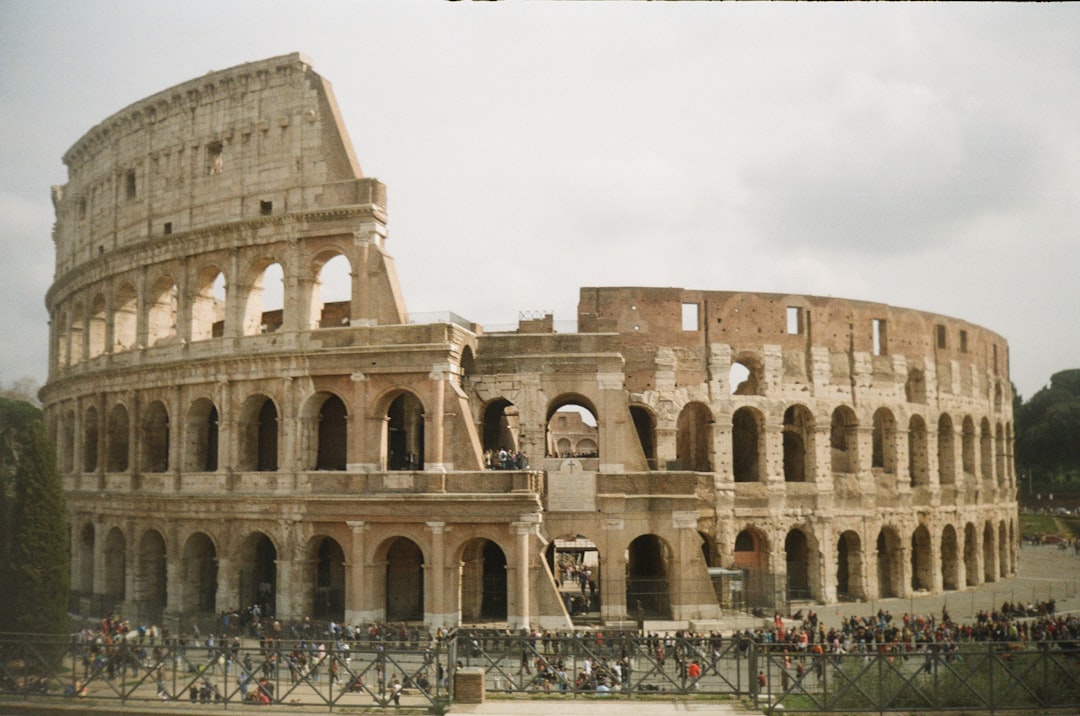
Photo by Andrii Zhuk on Unsplash
Your first day should feel like Rome opening its hand slowly, not dumping every monument on you at once. Start in the historic center, where the streets are narrow, the façades warm and worn, and every five minutes seems to reveal a fountain, obelisk, or hidden courtyard. This is the best soft-landing day in a Rome day by day itinerary because most of the big sights here are free, close together, and easy to enjoy even if you are still carrying flight fatigue.
By late afternoon, cross into Trastevere, where the city loosens its collar. Laundry hangs above ochre lanes, scooters skim past ivy-covered walls, and dinner feels less performative than in the busiest postcard zones. It is a gentle beginning, but still full enough that you will feel you truly arrived.
Morning
- 08:30 Start at Piazza Navona, Centro Storico. Free.
- 09:00 Walk 6 minutes to the Pantheon, Piazza della Rotonda. Entry around €5 if standard access is charged.
- 10:00 Coffee standing at Sant'Eustachio Il Caffè, near Piazza Sant'Eustachio. Budget €2 to €4.
- 10:45 Visit Basilica di San Luigi dei Francesi, Via Santa Giovanna d'Arco, to see Caravaggio paintings. Free.
- 11:30 Continue 8 minutes to Campo de' Fiori for a market stroll. Free unless you snack.
Afternoon
- 13:00 Lunch around Campo de' Fiori or Via dei Giubbonari. Budget €15 to €25 for pasta, wine, and coffee.
- 14:30 Walk to Largo di Torre Argentina. Free to view the ruins from outside; archaeological area entry may add a small fee.
- 15:15 Continue to Trevi Fountain. Free.
- 16:00 Climb toward the Spanish Steps and Piazza di Spagna. Free.
- 17:00 Optional shopping or a short break on Via del Corso. Variable cost.
Evening
- 18:30 Taxi or bus to Trastevere, or walk about 25 to 30 minutes from Piazza di Spagna if energy allows. Bus ticket €1.50.
- 19:00 Visit Basilica di Santa Maria in Trastevere, Piazza di Santa Maria in Trastevere. Free.
- 20:00 Dinner in Trastevere. Expect €20 to €35 for a mid-range meal.
- 21:30 Walk to Ponte Sisto for one of the prettiest night views over the Tiber. Free.
Insider tip
- See Trevi Fountain twice: once around 16:00 for bright, lively energy and again after 22:30 if you have fuel left. It is never empty, but the late-night mood is far calmer and more beautiful.
Day 2: Ancient Rome Without the Rush
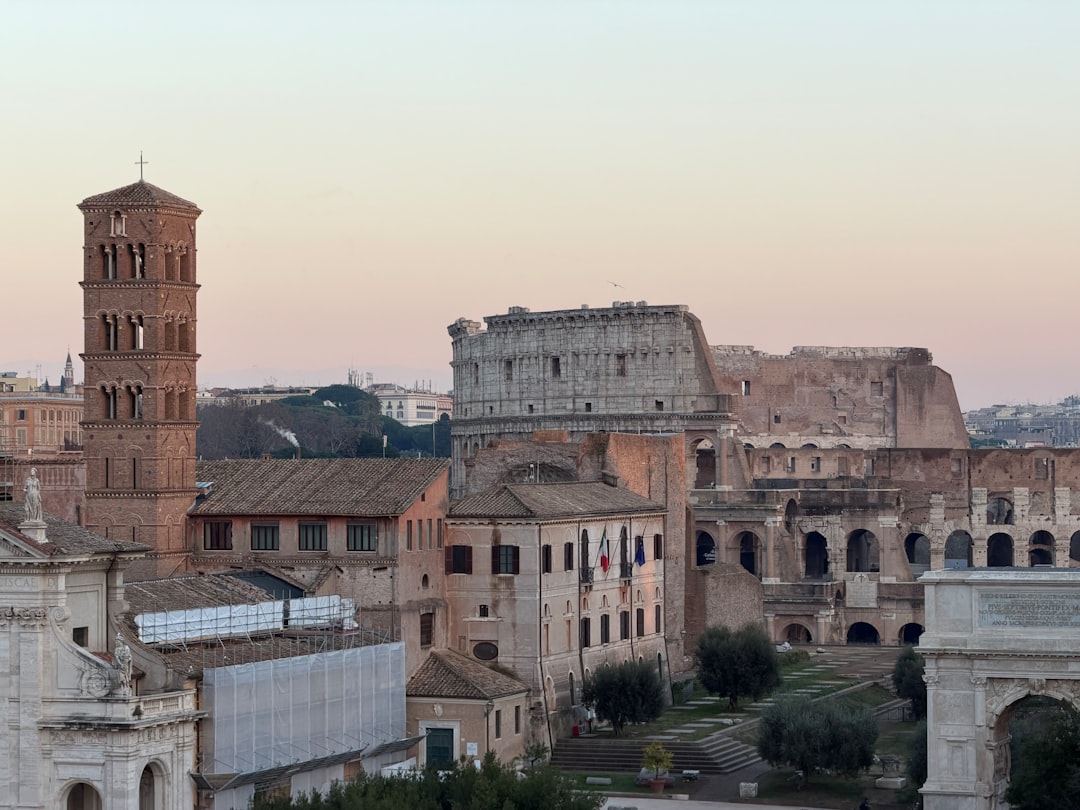
Day two is the spine of any 5 days in Rome itinerary. This is the Rome of schoolbook memory: arches, forums, emperors, cracked marble, and that odd sensation of seeing something so familiar that it still manages to surprise you in person. The key is not to treat the Colosseum, Roman Forum, and Palatine Hill as separate errands. They belong to one long historical walk.
Stay in this zone through sunset and finish in Monti, the small neighborhood just uphill from the Colosseum. It gives the day a much better ending than simply racing back to the hotel, and it keeps one of Rome's busiest sightseeing days from feeling like a museum marathon.
Morning
- 08:30 Enter the Colosseum, Piazza del Colosseo. Prebook on the official site: Colosseum. Standard combined tickets usually start around €18, with higher prices for arena or guided options.
- 10:00 Continue directly into the Roman Forum. Included with the combined ticket.
- 11:30 Climb the Palatine Hill viewpoints over the Forum. Included.
Afternoon
- 13:00 Lunch near Via dei Fori Imperiali or Monti. Budget €15 to €25.
- 14:30 Walk to Capitoline Hill and Piazza del Campidoglio. Exterior free.
- 15:00 Optional visit to Capitoline Museums, Piazza del Campidoglio 1. Around €13 to €18 depending on exhibitions.
- 17:00 Walk along Via dei Fori Imperiali toward the Colosseum for golden-hour views. Free.
Evening
- 19:00 Aperitivo in Monti around Via Urbana or Piazza della Madonna dei Monti. Budget €10 to €18.
- 20:30 Dinner in Monti. Budget €25 to €40.
- 22:00 Night walk around the illuminated Colosseum exterior. Free.
Insider tip
- Book the earliest Colosseum slot you can tolerate. The ruins look sharper in the cooler morning light, and you will reach the Roman Forum before the stone starts radiating afternoon heat.
Day 3: Vatican City, Prati, and the River
The third day of this Rome itinerary 5 days plan trades ruins for grandeur. Vatican City works best when you start early and decide in advance whether your priority is the Vatican Museums, St Peter's Basilica, or both. Trying to improvise here usually means losing hours in lines and moving through the Sistine Chapel in a daze.
After the intensity of the museums, Prati is the perfect decompression zone. Its streets are wider, the pace is tidier, and lunch feels more local-office Rome than tourist Rome. End with Castel Sant'Angelo and a river walk, when the dome of St Peter's catches the late sun and the city feels almost theatrical.
Morning
- 08:00 Enter the Vatican Museums, Viale Vaticano. Prebook on the official site: Vatican Museums. Standard admission is usually around €20 plus online reservation fees.
- 10:30 Continue through the galleries to the Sistine Chapel. Included.
- 11:30 Walk 15 minutes to St Peter's Square.
- 12:00 Visit St Peter's Basilica. Basilica entry is free; dome climb is usually around €8 to €10 depending on stairs or elevator.
Afternoon
- 13:30 Lunch in Prati around Via Cola di Rienzo or Via Crescenzio. Budget €15 to €28.
- 15:00 Walk to Castel Sant'Angelo, Lungotevere Castello 50. Entry usually around €15 to €18.
- 16:30 Cross Ponte Sant'Angelo and linger for river views. Free.
- 17:00 Optional espresso or gelato break near Borgo Pio. Budget €3 to €8.
Evening
- 19:00 Dinner in Prati or Borgo Pio. Budget €22 to €40.
- 21:00 Walk back toward St Peter's Square if you want the basilica lit at night. Free.
Insider tip
- If the museums are not your top priority, swap the order: arrive at St Peter's Basilica first thing, then do the museums after lunch. It will not be empty, but the basilica queue is often more manageable earlier in the day.
Day 4: Villa Borghese, Elegant Rome, and a Slow Sunset
By day four, most travelers need a tempo change. This is where a good 5 days in Rome itinerary stops trying to impress and starts pacing itself well. Villa Borghese gives you space, shade, and an entirely different texture of city life: joggers, dog walkers, umbrella pines, gravel paths, and one of the best art museums in Europe sitting quietly inside a garden.
The second half of the day drifts through Rome's polished side, from Piazza del Popolo down toward Via del Babuino and the Spanish Steps area. Save sunset for the Pincian Terrace, where the rooftops soften and the traffic noise seems to flatten into a low hum.
Morning
- 09:00 Enter Galleria Borghese, Piazzale Scipione Borghese 5. Reserve early on the official site: Galleria Borghese. Timed entry is usually around €15 to €20.
- 11:00 Walk through Villa Borghese gardens. Free.
- 11:45 Optional rowboat on the small lake near the Temple of Aesculapius. Around €4 to €5 per person depending on duration and boat type.
Afternoon
- 13:00 Lunch around Via Vittorio Veneto or Campo Marzio. Budget €18 to €30.
- 14:30 Visit Piazza del Popolo and Santa Maria del Popolo. Church entry free.
- 15:30 Walk Via del Babuino toward Piazza di Spagna for shopping, cafés, and people-watching. Variable cost.
- 17:00 Return to the Pincian Terrace above Piazza del Popolo for one of the best sunset viewpoints in central Rome. Free.
Evening
- 19:30 Dinner in Campo Marzio or near Via Ripetta. Budget €25 to €45.
- 21:30 Optional after-dinner stroll to the Mausoleum of Augustus exterior or along the Tiber. Free.
Insider tip
- Galleria Borghese limits visitor numbers, which is why it feels radically calmer than the Vatican. Book at least a few weeks ahead, especially for spring and autumn dates.
Day 5: Aventine, Testaccio, and a More Local Rome
The final day should not repeat the first four. Instead of chasing one more headline sight, use it to see how Romans inhabit the city beyond the biggest monuments. The Aventine Hill, the Orange Garden, and Testaccio create a perfect closing arc: quiet morning views, deep local history, and one of the best food neighborhoods in the city.
This is also the day to leave a little unplanned space. Maybe that means a longer lunch, a market stop for edible souvenirs, or one last detour back to a favorite square. The best version of what to do in Rome in 5 days always ends with enough margin to enjoy the city rather than merely finish it.
Morning
- 08:30 Start at Circus Maximus. Free.
- 09:00 Walk up to the Giardino degli Aranci, Aventine Hill. Free.
- 09:30 Look through the Aventine Keyhole at Piazza dei Cavalieri di Malta. Free.
- 10:00 Visit Basilica di Santa Sabina. Free.
- 10:45 Optional visit to the Baths of Caracalla, Viale delle Terme di Caracalla 52. Usually around €10 to €12.
Afternoon
- 12:30 Lunch in Testaccio, especially around Via Marmorata or Mercato Testaccio. Budget €12 to €25.
- 14:00 Explore Mercato Testaccio, Via Beniamino Franklin 12E. Free entry; snack budget extra.
- 15:30 Visit the Pyramid of Cestius exterior and nearby Protestant Cemetery area if open. Exterior free; cemetery usually asks a small donation.
- 17:00 Optional climb to Janiculum Hill from Trastevere for a final panoramic view. Free.
Evening
- 19:30 Farewell dinner in Testaccio or Trastevere. Budget €25 to €45.
- 21:30 Last gelato and a final walk along the Tiber embankment. Budget €3 to €5.
Insider tip
- Mercato Testaccio is one of the easiest places to try classic Roman street food without committing to a full restaurant meal. Go hungry and split bites instead of ordering a big lunch immediately.
How to get there
For most international travelers, Rome means flying into Leonardo da Vinci Airport in Fiumicino, code FCO. It is the main hub and the easiest arrival point for this 5 days in Rome itinerary. From FCO, the Leonardo Express train runs to Roma Termini in about 32 minutes and usually costs around €14. Official airport details are on Aeroporti di Roma, and train schedules are easiest to confirm on Trenitalia.
Ciampino Airport, code CIA, is often used by low-cost European flights. It is smaller and closer, but the transfer is less direct. Shuttle buses to Termini commonly take 40 to 50 minutes and cost roughly €6 to €7. Official fixed taxi fares are usually around €55 from FCO to central Rome within the Aurelian Walls and around €40 from CIA, but always confirm current tariffs before you land.
If you are already in Italy, high-speed trains make Rome especially easy. From Florence expect about 1 hour 30 minutes, from Naples around 1 hour 10 minutes, and from Milan about 3 hours. Roma Termini is the most practical station for first-time visitors, while Roma Tiburtina is useful for some routes and budget arrivals.
Best time to go for a 5-day Rome trip
The best months for a 5 days in Rome itinerary are late March to May and late September to early November. Spring gives you longer light, blooming parks, and mostly comfortable walking weather. Autumn has warm stone, mellow evenings, and slightly better restaurant availability. If you are choosing between spring departures, Where to Go in April 2026: Best Holidays and How to Plan is useful for seeing how Rome compares with other shoulder-season ideas.
Summer is possible, but July and August can feel punishing around the Forum, Vatican queues, and exposed piazzas. Winter is quieter and often excellent for museums, though daylight is shorter and evenings can turn damp. For this itinerary, comfortable walking shoes, a refillable bottle, and a light layer for church interiors matter more than packing lots of outfit changes.
Estimated Rome travel budget per person
Rome can be done on a moderate budget if you mix paid sights with free squares, churches, viewpoints, and market meals. The biggest cost swings come from hotel location, museum choices, and whether you sit down for long dinners every night.
Here is a realistic daily planning framework for a Rome travel budget over five days.
| Budget tier | Hotel per night | Food per day | Transport per day | Sightseeing total for 5 days | Total for 5 days |
|---|---|---|---|---|---|
| Budget | €90 to €140 | €25 to €40 | €5 to €10 | €70 to €110 | €675 to €1,010 |
| Mid-range | €160 to €260 | €45 to €70 | €6 to €12 | €100 to €160 | €1,055 to €1,910 |
| Luxury | €320+ | €90+ | €15+ | €140 to €250 | €2,415+ |
If you plan to enter the Colosseum, Vatican Museums, Castel Sant'Angelo, Galleria Borghese, and one more museum, a mid-range traveler should expect around €120 to €150 in total attraction costs.
Where to stay in Rome for 5 days
For a rebuildable Rome itinerary 5 days plan, location matters more than amenities you will barely use. You want somewhere that makes early starts easy and late returns pleasant. The best first-timer bases are Centro Storico, Monti, and Prati.
Centro Storico keeps you close to Piazza Navona, the Pantheon, and evening walks. Monti feels stylish and central, especially for Day 2. Prati is calmer, more residential, and ideal if Vatican access matters to you.
Budget stays
- The Beehive, near Roma Termini. Usually around €120 to €170 for private rooms, less for dorm-style options when available.
- Generator Rome, Esquilino near Termini. Often around €90 to €160 depending on room type and season.
Mid-range stays
- Hotel De' Ricci area options near Campo de' Fiori and Centro Storico. Expect roughly €180 to €260 for well-located boutique rooms.
- Condominio Monti, Via dei Serpenti area, Monti. Usually around €190 to €280.
Luxury stays
- Hotel de Russie, near Piazza del Popolo. Often €900+.
- J.K. Place Roma, near Via Condotti. Often €700+.
If Rome is one stop in a longer Italy or Europe plan, compare the pacing with route-heavy trips such as 7 Day Scotland Itinerary for 2026: Highlands by Car or 10 Day Portugal Itinerary 2026: Porto to Algarve Route. Rome works best when you move less and look harder.
How to get around
Rome is a walking city first, a public-transport city second. For this 5 days in Rome itinerary, expect to walk 15,000 to 22,000 steps on your biggest days. That is normal here, and it is often faster than waiting for buses through the center.
Use the Metro for long hops: Line A for Vatican and Spanish Steps areas, Line B for the Colosseum and Circo Massimo. A standard BIT ticket is usually €1.50 for 100 minutes, while 24-hour, 48-hour, 72-hour, and weekly passes may make sense depending on your hotel location. Check current fares and service changes on ATAC. Taxis are useful at night or when crossing the city with tired feet, but avoid relying on them for every day.
Things to do if you want to swap stops
Even a strong Rome day by day itinerary needs a few flexible substitutes. These work well if you have already seen one major sight, if weather changes, or if museum tickets sell out.
- Basilica di San Clemente, near the Colosseum, for layered underground history.
- Trajan's Market and the Imperial Forums Museum, Via Quattro Novembre, for a deeper ancient Rome day.
- Palazzo Altemps, near Piazza Navona, for a quieter sculpture museum.
- Centrale Montemartini, Ostiense, for Roman statues inside a former power plant.
- Via Appia Antica Regional Park, southeast Rome, for cycling and catacombs.
- Janiculum Hill, above Trastevere, for one of the best panoramic sunsets in the city.
- Jewish Ghetto and Portico d'Ottavia, Sant'Angelo district, for history and excellent food.
Where to eat
Rome rewards specificity. Order cacio e pepe, carbonara, amatriciana, and carciofi alla romana in the right neighborhoods, and leave room for supplì between meals. Testaccio is your best all-round food district, Trastevere is lively at night, and Centro Storico is easiest for scenic breaks if you choose carefully.
Good practical picks for this 5 days in Rome itinerary include these:
- For coffee: Sant'Eustachio Il Caffè near the Pantheon, or Tazza d'Oro around Piazza della Rotonda.
- For market eating: Mercato Testaccio in Testaccio and Campo de' Fiori for browsing and snacks.
- For classic Roman pasta: Roscioli area around Via dei Giubbonari, Trastevere trattorias, and Testaccio institutions around Via Marmorata.
- For street food: supplì in Trastevere or Testaccio, pizza al taglio near Prati and Monti.
- For dessert: gelato near Via dei Coronari, Campo Marzio, or Ponte Sisto after dinner.
In the busiest center, avoid the first terrace that shouts in six languages. Walk one or two streets away and you will usually eat better for less.
Practical tips
A few small habits will make this Rome itinerary 5 days plan much smoother. Churches often require covered shoulders and above-the-knee clothing, especially St Peter's Basilica and major basilicas. Carry a light scarf or overshirt rather than planning a full outfit change. Most public fountains with drinking spouts are safe and useful, so bring a refillable bottle.
Rome uses the euro. Cards are widely accepted, but small cash helps at markets, bars, and kiosks. Keep an eye on bags around Termini, crowded buses, and dense sightseeing areas. Book the Colosseum, Vatican Museums, and Galleria Borghese before flights if you can; those three reservations shape the whole trip. For connectivity, an eSIM or local SIM is usually enough, and café Wi-Fi is common but not something to depend on for navigation all day.
Official opening hours and closures shift more than first-time visitors expect, especially around religious holidays and free museum days. Before departure, double-check the current information on the official sites for the Colosseum, Vatican Museums, and Galleria Borghese.
FAQ
Is 5 days enough for Rome?
Yes. Five days is one of the best lengths for a first trip because it lets you cover Ancient Rome, the Vatican, major piazzas, one major art museum, and at least one more local-feeling district without rushing every hour.
What should I book before arriving?
For this 5 days in Rome itinerary, prebook the Colosseum, Vatican Museums, and Galleria Borghese first. If you are traveling in spring, autumn, or around holidays, also reserve one or two dinners you care about most.
Should I stay near Termini?
Only if price or rail convenience is the priority. Termini is practical, but Centro Storico, Monti, and Prati usually make the overall experience better, especially for evening walks and a smoother day-by-day rhythm.
Is Rome walkable for first-time visitors?
Very much so, but it is walkable in a demanding way. Cobblestones, heat, stairs, and long museum days add up fast, so wear real walking shoes and use taxis or the Metro for strategic jumps.
How much money do I need for 5 days in Rome?
A careful budget traveler can manage around €675 to €1,010 including accommodation, while a comfortable mid-range trip usually lands closer to €1,055 to €1,910 depending on hotel choice and museum count. Rome can be expensive, but many of its best moments are still free: churches, piazzas, fountains, viewpoints, and evening walks.
Rome is one of those rare cities where planning does not flatten the experience; it sharpens it. Build your five days well, and the city gives you room for both the headline sights and the small detours that become the parts you remember most.
---