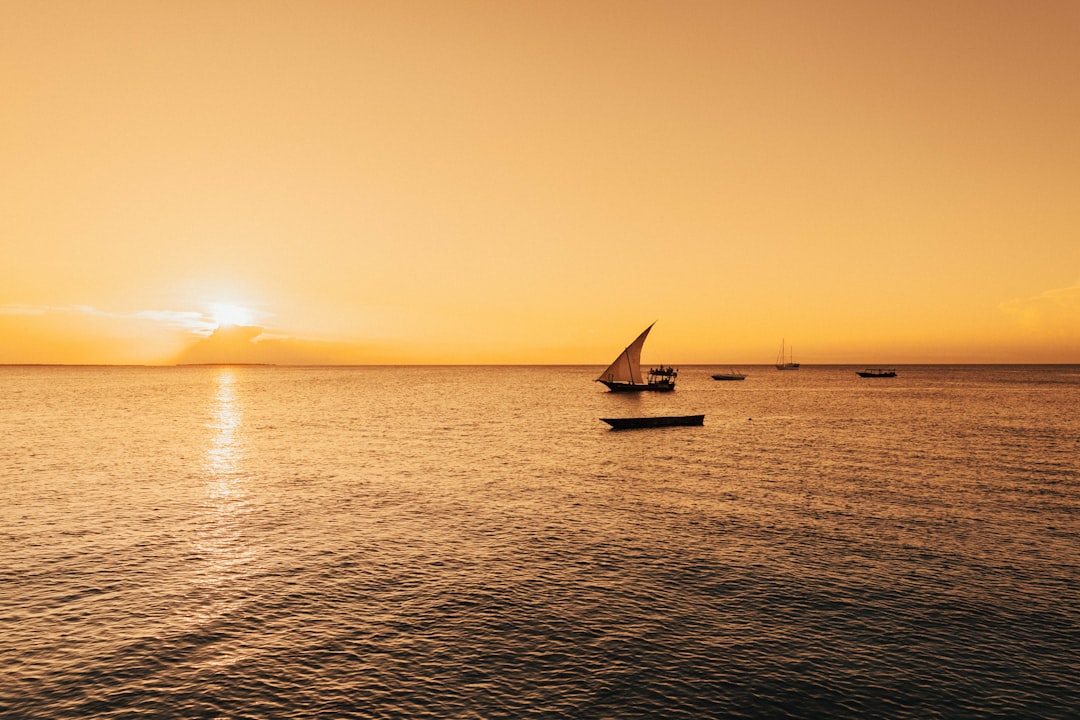
Zanzibar’s best swimming beaches and its most atmospheric old city sit on opposite ends of the island, yet they are only about 90 minutes apart by road. That is exactly why 5 days in Zanzibar works so well: you can split your stay, see the cultural heart of the island, and still get the turquoise-water payoff people actually fly here for.
This guide is built for first-timers who want a trip they can really recreate step by step. You will start in Stone Town, cross the island for the tidal drama of Paje, then finish in the north where Nungwi and Kendwa make beach time easy. If you like sketching transfers before you book, it helps to map the sequence in TravelDeck so hotel check-ins, drives and tide-dependent activities line up cleanly.
Why 5 days in Zanzibar is the sweet spot
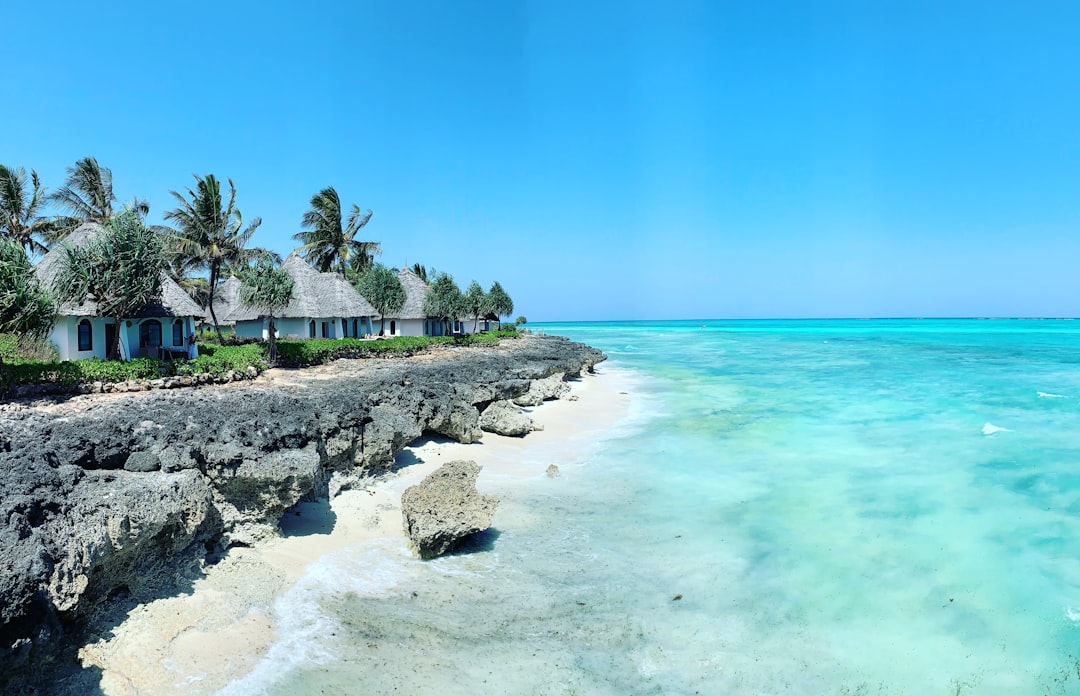
Photo by Med J on Unsplash
For most travelers, 5 days in Zanzibar is the point where the island stops feeling like a resort stay and starts feeling layered. You have enough time for one cultural day, one nature-and-transfer day, one east-coast beach day, and two north-coast days where the sea is calmer and easier for swimming.
Shorter stays force hard trade-offs. With 3 days, you usually end up choosing either Stone Town or one beach base. With 7 days, you can slow down, add more diving or another east-coast village, and leave room for a rain day. But if you want the best first-time answer to how many days in Zanzibar you need, 5 is the most efficient number.
Use this rhythm:
- 1 night in Stone Town for history and food
- 2 nights in Paje or nearby Jambiani for the east coast
- 2 nights in Nungwi or Kendwa for easy swimming and snorkeling
How to get to Zanzibar
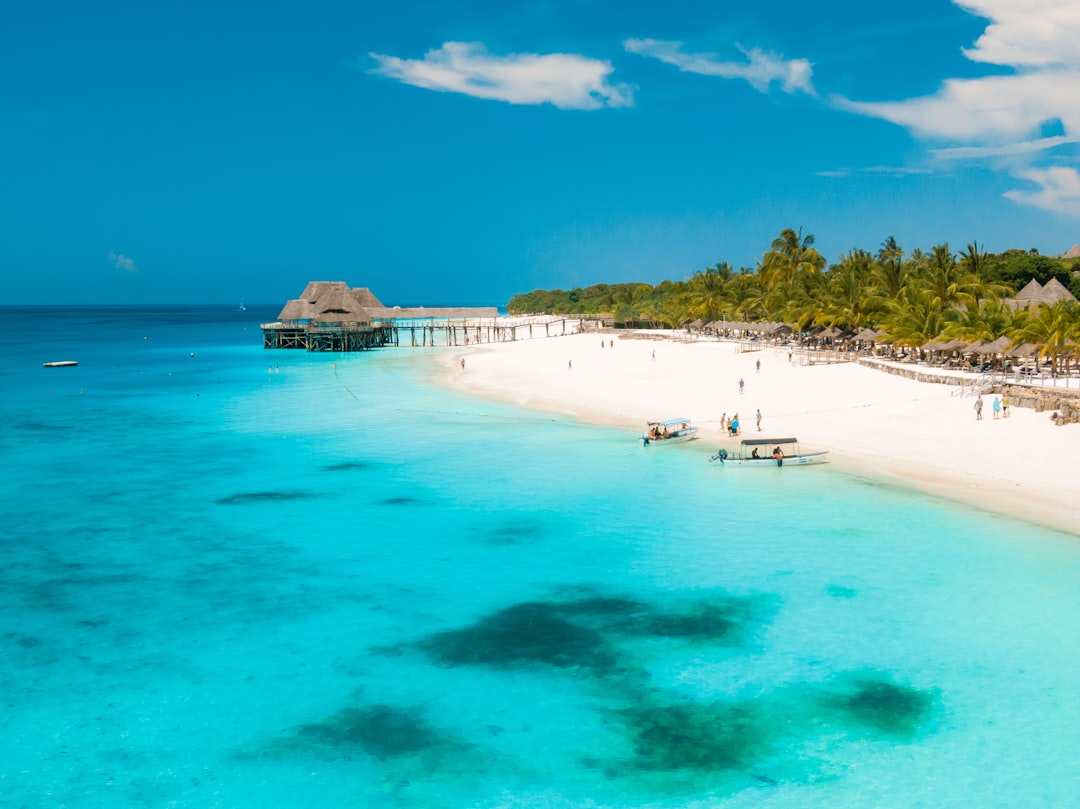
Photo by Humphrey M on Unsplash
Most travelers arrive at Abeid Amani Karume International Airport, code ZNZ, just outside Stone Town. From the airport, it is about 15 minutes to Stone Town, 60 to 70 minutes to Paje, and 75 to 90 minutes to Nungwi depending on traffic and checkpoints.
If you are already in mainland Tanzania, the quickest hop is a short domestic flight from Dar es Salaam, Arusha or Kilimanjaro. The budget alternative is the ferry from Dar es Salaam to Stone Town, which is usually faster and smoother than many first-timers expect. For entry rules and official travel updates, check the Tanzania e-visa portal and the Zanzibar Commission for Tourism.
Plan these logistics before you land:
- ZNZ airport to Stone Town: 15 minutes, about $10 to $15 by taxi
- ZNZ airport to Paje: 60 to 70 minutes, about $35 to $45 by taxi
- ZNZ airport to Nungwi: 75 to 90 minutes, about $45 to $60 by taxi
- Dar es Salaam to Stone Town ferry: around 1 hour 45 minutes to 2 hours, usually from about $35 to $40 one way
- Domestic flight from Dar es Salaam to Zanzibar: around 20 to 25 minutes, often $50 to $100 one way depending on season
Day 1: Stone Town, carved doors and sunset food stalls
Start with Stone Town, not the beach. It is the best way to understand Zanzibar before you stretch out on the sand: a maze of coral-stone buildings, brass-studded doors, call to prayer drifting over alleyways, and sea air rolling in from the harbour. Stay in Shangani or Hurumzi so you can do everything on foot.
This first day is deliberately compact. Jet lag and tropical heat make overplanning a mistake, and Stone Town rewards wandering more than rushing. Keep the route tight: waterfront, market, memorial sites, then food by the sea after dark.
Morning
Ease into the island with a walking loop through the oldest part of town, where narrow streets shade you even after the sun gets strong.
- 08:30 Check in or drop bags in Shangani or Hurumzi
- 09:30 to 12:00 Walk the Old Fort on Mizingani Road, the House of Wonders seafront area, Gizenga Street and the carved-door lanes around Hurumzi
- Cost: Old Fort is free; a local walking guide is usually about $20 to $25 shared or $35 to $45 private
Afternoon
The afternoon is for the living city rather than monuments alone. Darajani Market is noisy, humid and genuinely useful for understanding daily life, especially the spice stalls and fish section.
- 12:30 Lunch at Lukmaan Restaurant on New Mkunazini Road, about $6 to $12
- 14:00 Explore Darajani Market and nearby Creek Road spice stalls
- 15:30 Visit Christ Church Cathedral and the former Slave Market memorial on Mkunazini Road, about $5 to $10 including donations or guide fees
- 17:00 Stop for coffee or fresh juice in the Shangani area, about $3 to $6
Evening
Stone Town comes alive again after sunset, when the heat drops and the waterfront starts to feel theatrical. Forodhani Gardens is touristy, yes, but it is also one of the easiest places to try Zanzibar pizza, grilled seafood and sugarcane juice in one shot.
- 18:30 Browse the food stalls at Forodhani Gardens, about $5 to $10 for snacks
- 20:00 Book a rooftop dinner in Hurumzi or Shangani, usually $25 to $40 per person
- If you still have energy, take a slow post-dinner walk along Mizingani Road
- Insider tip: Stone Town is at its most comfortable before 10:30 and most photogenic in the late-afternoon light; dress modestly here, with shoulders and knees covered.
Day 2: Spice farm, Jozani Forest and first sight of Paje
Day 2 shows why a Zanzibar itinerary should not be all beach. Within a few hours you move from clove and cinnamon plantations to mangrove boardwalks, then finish at a coastline that looks completely different from Stone Town. It is a transition day, but it is a beautiful one.
Leave Stone Town after breakfast and do not return for the night. That saves a transfer and lets you reach Paje in time to watch the east-coast light change. The sea here behaves like a living timetable, sliding far out at low tide and remaking the shore twice a day.
Morning
The spice farms near Kizimbani are still one of the most enjoyable half-day experiences on the island when the guide is good and the group is small.
- 08:30 Drive from Stone Town to Kizimbani, about 25 to 35 minutes
- 09:00 to 11:30 Join a spice tour around Kizimbani plantations
- Cost: usually $15 to $25 per person, often including fruit tasting and a local guide
Afternoon
From the farms, cut southeast to Jozani-Chwaka Bay National Park, the island’s best-known patch of forest and the easiest place to spot Zanzibar red colobus monkeys.
- 12:45 Transfer toward Jozani, about 45 to 60 minutes
- 13:45 to 15:15 Walk the forest trail and mangrove boardwalk at Jozani-Chwaka Bay National Park
- Cost: usually about $10 to $12 park entry
- 15:30 to 16:15 Continue to Paje, about 35 to 45 minutes
- Check into a hotel near Paje Beach or central Paje village
Evening
Paje feels younger, looser and more wind-shaped than Stone Town. The beach is broad, the sand startlingly white, and the low-tide flats can stretch out so far that people seem to be walking on light itself.
- 18:00 Sunset walk on Paje Beach near the beach bars and kitesurf schools
- 19:30 Casual dinner in Paje village or on the sand, about $10 to $20
- Early night if you want calm water walks tomorrow morning
- Insider tip: ask your hotel for the next day’s low-tide window at check-in; on this coast, tide timing changes what is worth doing and when.
Day 3: Paje, Jambiani and Pingwe at the rhythm of the tide
This is the day that gives the east coast its identity. Paje is not the best side of Zanzibar for all-day swimming, but it is one of the most visually dramatic parts of the island. At low tide the lagoon becomes a pale-blue plain streaked with darker seaweed beds and anchored dhows.
Instead of cramming in too many activities, build the day around the tide and short coastal hops. Paje, Jambiani and Pingwe sit close enough that you can explore without losing the whole day in a vehicle.
Morning
Go out early, before the beach gets hot and before the wind picks up too much for casual walking.
- 08:00 Low-tide beach walk on Paje Beach
- 09:30 Late breakfast by the sand, about $6 to $12
- 10:30 to 12:30 Beginner kitesurf lesson in Paje, usually $45 to $60; or rent a board for a shorter session if you already know how
- Alternative: stand-up paddleboard rental, about $10 to $15 per hour
Afternoon
Jambiani is only about 15 minutes south of Paje, but it feels quieter and more village-rooted. Kuza Cave adds a very different texture to the day: limestone, cool water and shade after the exposed beach.
- 13:30 Taxi from Paje to Jambiani, about 15 minutes and $10 to $15
- 14:00 to 15:30 Swim at Kuza Cave in Jambiani, usually about $10 to $15 entry
- 16:15 Continue to Pingwe, about 25 minutes
- 17:00 Early dinner or drinks by the water in Pingwe, usually $25 to $60 if you choose a destination seafood restaurant, less in nearby beach cafés
Evening
Return to Paje for a second east-coast night, unless you prefer to stay farther south in Jambiani. The point is not to chase nightlife, but to enjoy how different the island feels once the moonlight and tide take over.
- 19:30 Transfer back to Paje, about 25 to 30 minutes
- 20:15 Beach bar drink or dessert, about $5 to $8
- Sleep in Paje so your northbound transfer tomorrow stays simple
- Insider tip: if you want dinner at The Rock in Pingwe, reserve well ahead; even if you skip the meal, Pingwe beach is still worth the detour for the scenery alone.
Day 4: Nungwi and Kendwa for the easy-swim north
Now make the move that turns a good Zanzibar trip into a balanced one. The north coast is where many travelers finally get the postcard version of Zanzibar they expected all along: calmer water, fewer extreme tidal shifts, easier swimming and long sunset views.
Base yourself near Nungwi Public Beach if you want the most walkable setup, or closer to Kendwa if you prefer a quieter, more classic beach mood. The two areas are close enough to treat as one zone for a short stay.
Morning
Do the transfer after breakfast and accept that this is the longest drive of the trip. It is still manageable, and reaching the north by lunch makes the day feel far from wasted.
- 09:00 Depart Paje for Nungwi, about 1 hour 30 minutes to 2 hours
- Cost: private taxi usually $45 to $60, shared shuttle often about $10 to $15 per person
- 11:30 Check in near Nungwi Public Beach
Afternoon
Nungwi’s beach scene is more active than Paje’s, with excursion boats, beach vendors, casual cafés and a steady flow of walkers moving between the village and the sand.
- 13:00 Lunch on Nungwi Beach, about $8 to $15
- 14:30 Visit the traditional dhow-building area near Nungwi beach and village edge; free, but tips are appreciated if someone shows you around
- 15:30 Continue south for a swim on Kendwa Beach, one of the most reliable swimming beaches on the island
Evening
This is the best sunset day of the whole itinerary. The west-facing north coast gets the warm gold light the east coast misses, and a short dhow cruise is worth the money if the sea is calm.
- 18:00 Sunset dhow cruise from Nungwi or Kendwa, usually $20 to $35 per person
- 20:00 Seafood dinner back in Nungwi, about $15 to $30
- If you prefer a quieter finish, stay in Kendwa for dinner instead of returning immediately
- Insider tip: even in the north, ask how the wind and tide are behaving before you book a boat trip; the beaches are easier here, but sea conditions still shift fast.
Day 5: Mnemba Atoll snorkeling and one last Zanzibar sunset
For many travelers, this is the day that justifies choosing 5 days in Zanzibar over a rushed 3-day break. Mnemba Atoll gives you the marine side of the island: reef color, clearer water, and the chance to end the trip with something more vivid than a final resort afternoon.
Start early. Boat departures are often tied to sea conditions, and snorkeling is best before afternoon glare flattens the water. If your flight is late tonight, this day can still work, but the smoother version is to sleep one more night and leave on Day 6.
Morning
Confirm the launch point the night before. Some trips leave from Nungwi, others require an early transfer toward the northeast coast near Muyuni or Matemwe.
- 06:30 Hotel pickup or transfer to the boat departure point
- 07:30 to 12:00 Mnemba Atoll snorkeling trip with reef stops and fruit on board
- Cost: about $35 to $60 for a group trip; private boats are often $80 to $120 or more
- If your boat departs from the east side, add roughly $10 to $20 for the road transfer
Afternoon
After a salt-heavy morning, keep the afternoon soft. Kendwa is ideal for a final swim because you can simply enjoy the water rather than plan around the tide.
- 13:30 Late lunch on Kendwa Beach, about $10 to $18
- 15:00 Free time for beach lounging, a massage, or one last swim
- Optional spa or massage: usually $20 to $40 depending on location and duration
Evening
The smartest last evening is simple: no big detours, no extra island-hopping, just enough time to watch the light go down and eat well.
- 18:30 Final sunset on Kendwa Beach
- 19:30 Dinner in Nungwi or Kendwa, about $15 to $30
- If flying out tonight, leave the north about 3 hours before departure; Nungwi to ZNZ usually takes 75 to 90 minutes and costs about $50 to $65 by taxi
- Insider tip: before paying for a snorkel trip, ask whether masks, life jackets, marine fees and hotel pickup are included; this is where budget quotes often grow.
Best time to go to Zanzibar
The driest, most reliable months are June to October, when humidity is lower, rain is limited and combining beach time with island touring feels easiest. December to February is also strong, especially if you want hotter weather and lively beach scenes, though the southeast is windier and more popular with kitesurfers.
March to May is the long rainy season and the hardest time to recommend for a first visit. November can work, but showers are more unpredictable. If this is your once-in-a-while trip, aim for July, August, September, January or February.
| Period | Weather | Best for | Watch out for |
|---|---|---|---|
| June to October | Dry, warm, breezy | First-timers, beach + touring | Higher prices |
| December to February | Hot, sunny, windier | Kitesurfing, beach holidays | More heat on transfers |
| November | Mixed, short showers | Lower crowds | Unpredictable afternoons |
| March to May | Long rains | Deep discounts only | Closures, heavy rain |
Estimated budget per person for 5 days in Zanzibar
Zanzibar can be done on a modest budget, but transport between bases adds up faster than many beach destinations. The island becomes much better value if you stay at least 5 days and split taxi costs with another traveler or two.
The figures below assume one night in Stone Town, two nights on the east coast, two nights in the north, standard activities, and meals ranging from local restaurants to a few beach dinners. International flights are not included.
| Budget tier | Total for 5 days | What it usually includes |
|---|---|---|
| Budget | $500 to $750 | Guesthouses, local meals, shared tours, occasional dala-dala or shared shuttle |
| Mid-range | $850 to $1,350 | Boutique stays, private taxis between bases, spice tour, Jozani, Mnemba group trip |
| Boutique or luxury | $1,800 to $3,000+ | Stylish beach hotels, private transfers, premium dining, private boat options |
Where to stay in Zanzibar for 5 days
For this 5 days in Zanzibar route, do not stay in one place the whole time. Zanzibar is an island of distinct coasts, and changing base twice is the fastest way to feel that difference without overcomplicating the trip.
The best split is 1 night in Stone Town, 2 nights on the east coast, and 2 nights in the north. That gives you history, tidal scenery and better swimming without constant packing.
Choose one of these areas:
- Stone Town, especially Shangani or Hurumzi: best for walkable history, rooftop dinners and a first night after landing; budget rooms from about $40, mid-range from $80 to $150, luxury from $180+
- Paje: best for kitesurfing, cafés, beach atmosphere and easy access to Jambiani and Pingwe; budget from about $35, mid-range from $90 to $170, upscale stays from $220+
- Nungwi or Kendwa: best for swimming, sunsets and boat trips; budget from about $40, mid-range from $100 to $180, luxury from $250+
How to get around Zanzibar
Private taxis are the easiest choice for first-timers because the island is larger than it looks and bases are spread out. For a split-stay trip, pre-arranged transfers save a lot of friction, especially when you are moving with luggage or trying to hit a tide window.
Dala-dalas, the local shared minibuses, are cheap and memorable, but they are slow, crowded and not ideal for short itineraries. Unless you are on a very tight budget, use them only for a single experiment rather than for every intercity move. If you are traveling with friends and sharing rooms and cars, Plan a Group Trip in 2026 With Less Stress and Fewer Fights is a useful read before you start splitting costs.
Your main transport options are:
- Private taxi: best for airport runs and hotel-to-hotel moves; Stone Town to Paje about $35 to $45, Stone Town to Nungwi about $45 to $55
- Shared shuttle: useful on popular tourist routes; slower, but often $10 to $20 per person
- Dala-dala: cheapest option, often just a few dollars, but much slower and less comfortable
- Self-drive rental: possible, but not my first recommendation for a 5-day first trip because checkpoints, road conditions and parking can eat time
Things to do in Zanzibar beyond this itinerary
If you stretch this route to 6 or 7 days, Zanzibar opens up even more. The best additions are short boat trips and a couple of cultural detours that fit naturally around Stone Town or the southwest coast.
These are the add-ons most worth your time if you have extra days or want to swap out one beach session.
- Prison Island or Changuu Island from Stone Town: giant tortoises and short boat ride, usually $25 to $40 with boat and entry
- Nakupenda Sandbank from Stone Town: classic half-day lagoon trip, usually $30 to $50
- Mtoni Palace Ruins north of Stone Town: quiet historical site, usually under $10 plus transport
- Blue Safari from Fumba on the southwest coast: full-day dhow, snorkeling and seafood lunch, often $60 to $100
- Diving around Mnemba Atoll: better than basic snorkeling if you are certified, often $90 to $140+
- Matemwe village and beach: quieter northeast option if Nungwi feels too busy
Where to eat in Zanzibar
Food in Zanzibar is strongest when you lean local at lunch and save one or two scenic dinners for the beach. The island’s flavor profile is exactly what you would expect from its history: clove, cinnamon, cardamom, coconut, grilled seafood and rice appearing again and again in different forms.
Look for octopus curry, pilau rice, urojo soup, mishkaki skewers and Zanzibar pizza. If you eat seafood, ask what was landed that day rather than ordering blindly from a long international menu.
Good stops on this route include:
- Lukmaan Restaurant, Stone Town: dependable local plates, about $6 to $12
- Forodhani Gardens, Stone Town: street-food tasting for Zanzibar pizza, grilled seafood and sugarcane juice, about $5 to $10
- Zanzibar Coffee House area, Stone Town: good for coffee and lighter breakfasts, about $4 to $10
- Beach cafés around Paje: great for smoothies, grilled fish and easy lunches, about $8 to $18
- Seafood restaurants in Pingwe: scenic splurge dinner territory, often $25 to $60
- Nungwi and Kendwa beach restaurants: best for sunset seafood dinners, about $15 to $30
Practical tips for Zanzibar
Zanzibar is relaxed, but it rewards travelers who understand a few basics before they arrive. The island is predominantly Muslim, the sun is stronger than many people expect, and everyday logistics still rely on cash more than some resort-heavy beach destinations.
You do not need to overprepare, but you do need to prepare correctly. That means light modest clothing for towns and villages, some flexible timing around tides, and clear expectations about transport and cash.
Keep these tips in mind:
- Dress modestly in Stone Town and villages; beachwear belongs on the beach, not in town streets
- Carry Tanzanian shillings for small purchases; some places take cards, but cash is still important
- Expect ATM fees and occasional outages; withdraw once rather than many tiny amounts
- Bring reef-safe sunscreen, a hat, mosquito repellent and water shoes if you plan rocky entries or reef edges
- Use bottled or filtered water for drinking, and check with your clinician about routine travel health precautions
- A local SIM or eSIM makes taxi coordination easier; 4G is usually fine in main tourist areas
- Read How to Avoid Tourist Scams in 2026: ATM, Taxi and Cafe Rules before arrival, especially for cash withdrawals and airport taxis
FAQ
Is 5 days enough for Zanzibar?
Yes. For a first trip, 5 days in Zanzibar is enough to combine Stone Town, one east-coast base and one north-coast base without feeling frantic. It is the shortest stay that still lets the island feel varied rather than one-note.
Which side of Zanzibar has the best beaches?
For easy swimming, Nungwi and Kendwa in the north are the winners. For dramatic low-tide scenery, kitesurfing and long beach walks, Paje and Jambiani on the east coast are more memorable.
Should you stay in Stone Town or go straight to the beach?
If you land at a reasonable hour, stay one night in Stone Town first. It breaks up transfers, gives you context for the island, and makes the beach days feel like a reward rather than a blur.
Can you do Zanzibar without renting a car?
Absolutely. Most visitors rely on taxis, hotel transfers and a few organized excursions. For a 5-day trip, that is usually easier and more efficient than driving yourself.
How much cash should you bring for 5 days in Zanzibar?
That depends on your hotel and how many tours you prepay, but many mid-range travelers are comfortable with the equivalent of $150 to $250 in Tanzanian shillings for lunches, tips, small transport and markets. Use cards for bigger hotel bills when possible and keep small notes for everyday purchases.
Five days gives Zanzibar enough room to feel like more than a beach break: one day for history, one for spice and forest, one for the east-coast tide, and two for the north’s easy blue water. That is a trip you can actually plan, and one you are likely to remember in layers rather than snapshots.
---