Most travel scams do not start with violence or sophisticated hacking. They start with a tiny social pressure: a bracelet already on your wrist, a taxi driver waving your name, a waiter pointing at a QR code, a stranger insisting your shirt is dirty. If you want to know how to avoid tourist scams in 2026, train for those first five seconds.
The good news is that common scams are repetitive. Once you recognize the script, you can protect your money, your phone, your documents, and sometimes your health, with a few calm habits that work from airport arrivals to late-night streets.
The 3 moves almost every travel scam uses
Photo by Daniel Lee on Unsplash
Scammers rarely invent new human psychology. In almost every city, from cathedral squares to beach promenades, the setup usually uses one of three levers: urgency, distraction, or guilt. The details change, but the pressure feels the same.
Think about the scene. You have suitcase wheels rattling over stone, traffic horns bouncing off narrow buildings, someone speaking fast, and your brain is still trying to place the hotel on the map. That sensory overload is the real opening. Learning how to avoid tourist scams starts with spotting the feeling before you even identify the exact trick.
| Scam trigger | What it sounds like | Your best move |
|---|---|---|
| Urgency | "Quick, your taxi is here" or "Your card has a problem" | Stop walking, step aside, verify independently |
| Distraction | A spill, a dropped ring, a petition, a street performance | Put one hand on your phone and wallet, then move away |
| Guilt or forced gift | A bracelet, flower, peanut snack, blessing, photo offer | Refuse clearly, do not touch the item, keep moving |
A simple rule works in almost every destination: if a stranger creates pressure before giving you time to think, pause for 10 seconds. That tiny break is often enough to break the script.
Airport and taxi scams: protect the first hour of your trip
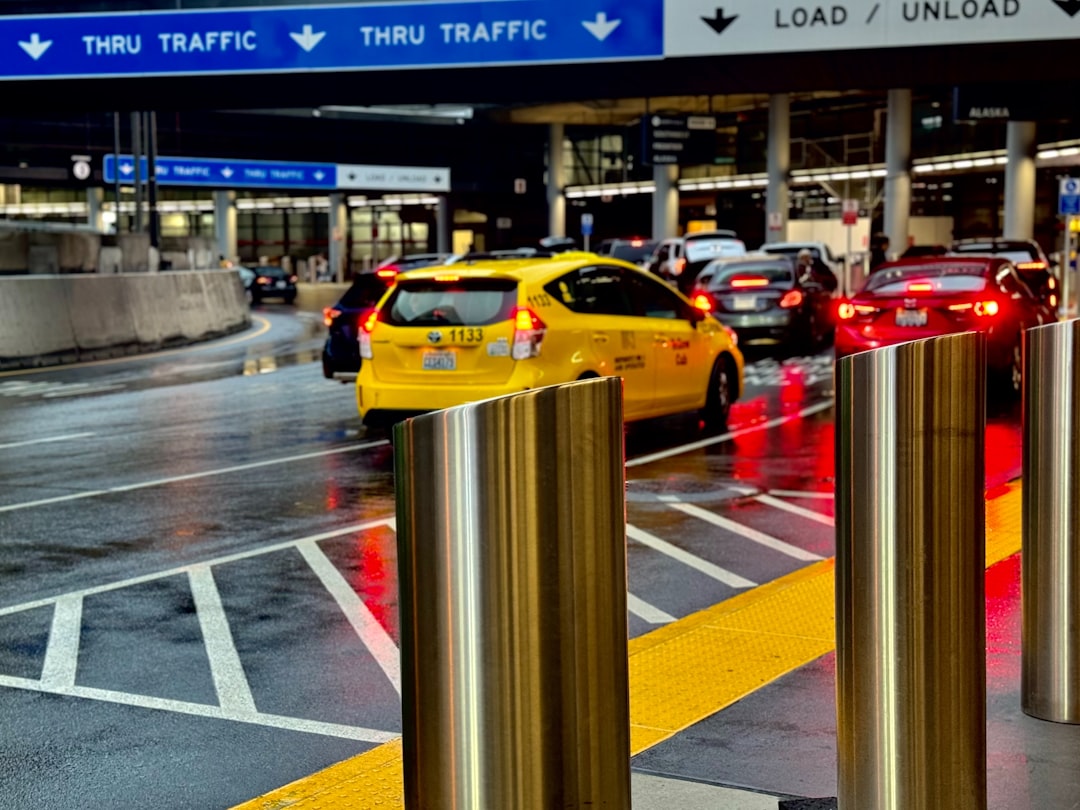
Photo by Kevin Doyle on Unsplash
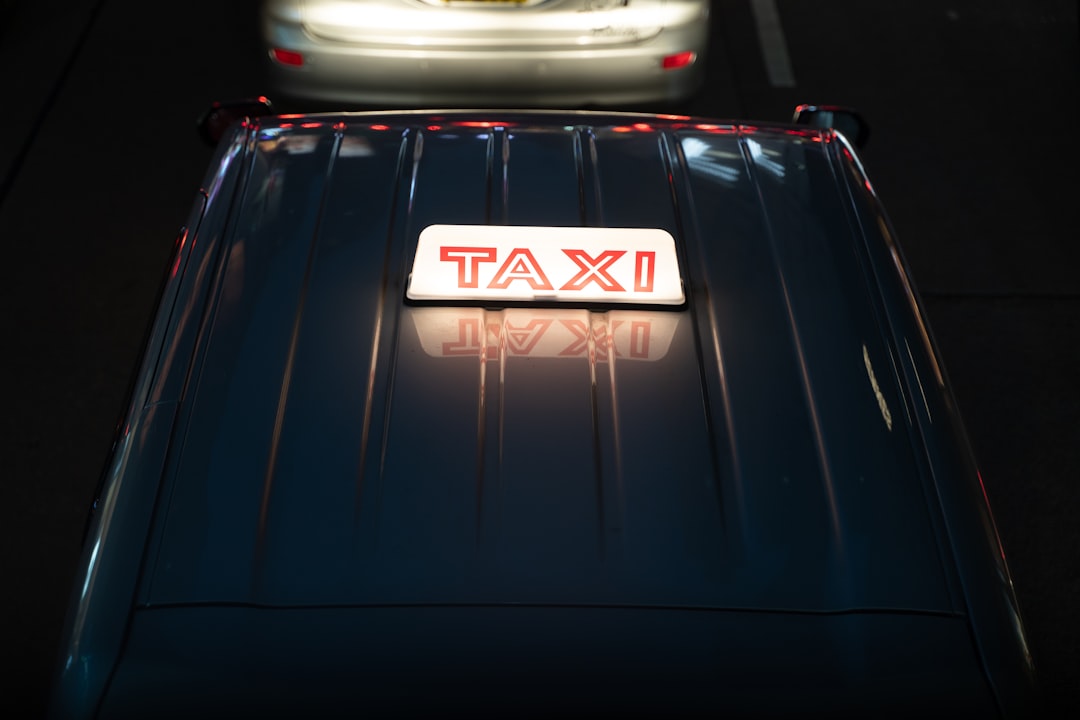
The first hour after landing is when people are most vulnerable. You are tired, you may not have local data yet, and every sign feels urgent. That is why fake drivers, overpriced taxis, rigged meters, "helpful" baggage handlers, and unofficial SIM sellers cluster around arrivals halls.
If you are learning how to avoid tourist scams, treat arrival like a procedure, not a vibe. The airport is bright, loud, and designed to keep people moving. Slow yourself down on purpose.
In many major cities, an official airport-to-center taxi ride costs roughly €25 to €40, depending on distance and time. If someone approaches you inside arrivals and quotes €80 cash before you even reach the taxi rank, that is not local charm. It is your cue to walk away.
Before you fly, save three things offline: your hotel address, the expected airport transfer price range, and the name of the official taxi desk or train line. Keeping those details in one place, such as TravelDeck, reduces the frantic phone-fumble that scammers rely on.
Your first-hour anti-scam routine
- Use only the official taxi queue, official airport bus, or train platform.
- Ignore anyone who approaches you first with "taxi?" or "my friend, come here."
- Confirm the fare or meter before the car moves.
- Photograph the license plate or car number if that feels normal and safe.
- Keep bags with you until every piece is on the sidewalk before you pay.
- Do not hand your phone to a stranger "to help" with a route, SIM setup, or payment.
- Withdraw only a small first amount of cash, usually the equivalent of €50 to €100.
Crowded waterfront arrivals and beach districts make this even more important. If you are planning Brazil, the promenade energy in 5 Days in Rio de Janeiro Itinerary 2026: Day-by-Day Plan is exactly the kind of environment where a zipped crossbody bag beats an open tote.
Pickpocket distraction scams on busy streets
Photo by Bruno BD on Unsplash
Some of the oldest tourist scams still work because they exploit politeness. A person ties a friendship bracelet on your wrist near a viewpoint. Someone asks you to sign a petition outside a station. A stranger points to a stain on your shirt while another reaches into your bag. Around famous steps, plazas, or bridges, the performance is often as choreographed as street theater.
The soundscape matters here: applause around a performer, scooters brushing past, market sellers calling out prices, music leaking from bars. In those settings, your attention splinters. That is why pickpocket distraction scams are so common in crowded old towns and nightlife districts.
Common street setups and the safe response
- Bracelet or flower scam: keep both hands down, say "No, thank you" once, and continue walking.
- Petition clipboard scam: never stop to read, sign, or donate in the street.
- Dropped ring or found jewelry scam: do not touch the item, do not inspect it, keep moving.
- Spill or bird-dropping scam: refuse help, check your pockets first, clean up later in a shop or restroom.
- Friendly photo offer: do not hand over your phone unless you chose the person and the setting feels controlled.
- Pickpocket warning scam: if a stranger warns you about thieves, do not pat your pockets. That reveals exactly where your valuables are.
Wear your bag in front in packed areas, especially on metro stairs, market lanes, and festival exits. Nightlife-heavy places reward that habit. If you are heading for ruin bars and late trams, 4 Days in Budapest Itinerary 2026: Baths, Views, Ruin Bars is the kind of trip where one zipped outer pocket and one hidden backup card makes a real difference.
ATM, card and fake QR code menu scams
The most expensive scams are often the quietest. No shouting, no crowd, no dramatic scene. Just an ATM with a skimmer, a card terminal offering a bad exchange rate, or a fake QR code sticker on a restaurant table that leads to a cloned payment page.
This is where how to avoid tourist scams becomes partly digital hygiene. The setting may look relaxed: iced coffee on the table, warm evening air, traffic murmuring outside. But if you type your card details into the wrong payment page, the loss can follow you home.
Smart money rules that work almost anywhere
- Use ATMs attached to bank branches or inside airport arrivals, stations, and malls with security staff.
- Cover the keypad every time, even if no one seems close.
- If the card slot looks loose, bulky, cracked, or misaligned, walk away.
- Decline on-screen conversion to your home currency when offered at payment terminals; local-currency charging is often cheaper.
- Never let your card disappear into a back room.
- Do not scan a QR menu unless the URL clearly matches the restaurant name and domain.
- If a QR payment page asks for unusual personal details, leave the page and ask for a printed menu or pay at the counter.
A good rule of thumb is to split your spending tools into layers:
- Day wallet: one card, one ID copy, small cash.
- Backup wallet: second card, kept separately.
- Hotel safe or locked bag: passport and reserve cash.
In old towns with lots of small cash purchases, that separation is especially useful. Places with tailoring, markets, and evening strolls, like the lanes in 4 Days in Hoi An Itinerary 2026: Lanterns, Beach, My Son, are wonderful for wandering and easy for small losses to go unnoticed if everything lives in one wallet.
Nightlife, dating and hotel-call scams
Late at night, scams shift from nuisance to risk. The fake "special bar" invitation, the attractive stranger steering you to a venue with absurd prices, the hotel room call asking you to "verify your card," or the tab that suddenly includes bottles you never ordered can cost far more than a bracelet ever will.
This is also the point where health precautions matter. When people are tired, dehydrated, drinking, or moving through loud clubs, their judgment drops quickly. If you suddenly feel far more dizzy, confused, sleepy, or disoriented than your alcohol intake explains, think about drink tampering, not embarrassment.
Nightlife rules worth following every trip
- Choose the venue yourself for a first meet-up.
- Ask for a menu before ordering in bars where prices are not displayed.
- Open your own tab and check it after each round, not only at the end.
- Never leave your drink unattended or accept one already opened.
- If a hotel caller says there is a card issue, hang up and walk to the front desk in person.
- If a venue suddenly becomes aggressive about payment, pay only what you can verify, leave if safe, and document names, receipts, and the address.
Health signs that mean stop the night
- Sudden confusion after one or two drinks
- Unusual sleepiness or memory gaps
- Nausea, rapid heartbeat, or trouble standing
- A companion acting strangely quiet, unstable, or blank
If any of those happen, move to a staffed area, tell venue staff or security clearly that you need medical help, and go with someone you trust. In much of Europe, 112 connects you to emergency services.
Your pre-trip anti-scam checklist
The best answer to how to avoid tourist scams is not paranoia. It is preparation. When you remove obvious weak spots before departure, you stop looking like someone who must decide everything under pressure.
A good setup takes 20 minutes at home and saves hours of stress abroad.
Copy this checklist into your trip plan
- Set a daily cash cap for walking around, usually €40 to €80 depending on the destination.
- Carry two cards from different issuers and store them in separate places.
- Turn on transaction alerts for every card.
- Save card freeze numbers, embassy details, and travel insurance contacts offline.
- Screenshot the official airport transfer option and expected fare.
- Pack a tiny health kit: regular medication, oral rehydration salts, pain relief, and blister care.
- Keep a paper copy of your accommodation address in case your phone dies.
- Share your first-night route and arrival time with one person at home.
- Avoid posting your exact live location on public social media.
- Store an ID copy separately from your passport.
How to avoid tourist scams is really about reducing improvisation. The less often you stand in the street deciding under pressure, the less interesting you become to opportunists.
What to do in the first 30 minutes after a scam
Even experienced travelers get caught sometimes. The right response can shrink the damage fast. Your goal is not to win an argument on the sidewalk. Your goal is to protect your finances, documents, and health.
Follow this order
- Move to a bright, staffed place such as a hotel desk, bank branch, pharmacy, or café.
- Freeze affected cards immediately and change the password on your main email account if your phone or banking access may be compromised.
- Write down the time, location, what was said, vehicle plate, and any receipt details while the memory is fresh.
- Photograph injuries, fake tickets, QR stickers, screens, or bills if safe to do so.
- Report the incident to local police or tourist police if available.
- Contact your accommodation so staff know what happened if room access, keys, or hotel details were involved.
- Seek medical help quickly if you suspect drink spiking, sedatives, or physical assault.
Official pages worth saving before any international trip
- U.S. Department of State travel advisories
- UK foreign travel advice
- EU emergency information and 112 guidance
Keep receipts for replacement transport, emergency hotel changes, or medical costs. Insurance claims move faster when your notes are specific: exact address, time, amount, and who you spoke with.
FAQ
What is the most common tourist scam abroad?
Pickpocket distraction scams are still the most common: petitions, spills, bracelets, fake help, and street performances that pull your eyes away from your bag. They work because they create one emotional reaction before you have time to think.
Are QR code menus safe when traveling?
Some are fine, but fake QR code menu scams are now common enough that you should check the web address before entering any card details. If the page looks odd, asks for too much information, or redirects to a strange domain, ask for a printed menu or pay in person.
Should I carry my passport with me all day?
Usually no, unless local law or a specific activity requires the original document. For most city sightseeing, a passport copy plus a separate photo ID is lower risk than carrying your main document everywhere.
What should I do if a taxi driver says the meter is broken?
Leave before the ride starts unless there is a clearly posted fixed fare system you already verified. If you are already in the car, ask to stop in a busy, well-lit area and pay only the agreed amount if one was stated beforehand.
What is the easiest way to learn how to avoid tourist scams before a trip?
Practice three scripts out loud before you go: "No, thank you," "I will check inside," and "I do not pay here." Knowing those phrases in advance makes you calmer, faster, and much harder to rush.
Most scams are not genius schemes. They are repeated little performances built around your politeness, your fatigue, or your panic. Once you expect the rush, the gift, and the distraction, you stop playing your assigned role and start moving through a new place with far more confidence.