Most travel scams are not dramatic. They are tiny moments of pressure: a hand on your suitcase handle in an arrivals hall, a bracelet looped onto your wrist near a cathedral, a driver saying the meter broke just as the terminal doors slide shut behind you. If you want to avoid scams while traveling, the skill that matters most is not suspicion. It is slowing the moment down before you agree, pay, or follow.
You do not need to become paranoid to travel well in 2026. You need a repeatable routine for airports, stations, hotel check-ins, ATMs, and crowded old towns. The good news is that most tourist scams use the same handful of tricks, and once you see the pattern, the whole scene gets easier to read.
The 30-Second Rule That Stops Most Tourist Scams
Photo by Markus Winkler on Unsplash
A useful anti-scam habit is simple: if a stranger creates urgency around transport, money, tickets, police, or your body, give yourself 30 seconds before doing anything. In those 30 seconds, do not hand over cash, do not unlock your phone, do not let anyone carry your bag, and do not move to a second location. That pause breaks the rhythm scammers rely on.
This works because common tourist scams are built on speed. The fake taxi driver wants you moving before you compare prices. The fake police scam wants your wallet in their hands before you think about procedure. The hotel booking scam wants you to pay again before you check your original confirmation.
Ask yourself four questions:
- Did this person approach me first?
- Are they trying to rush me?
- Are they changing the original plan or price?
- Would a real business or officer mind if I verified this?
If two answers are yes, step back and stop the interaction.
| Situation | Red flag | Your 30-second move |
|---|---|---|
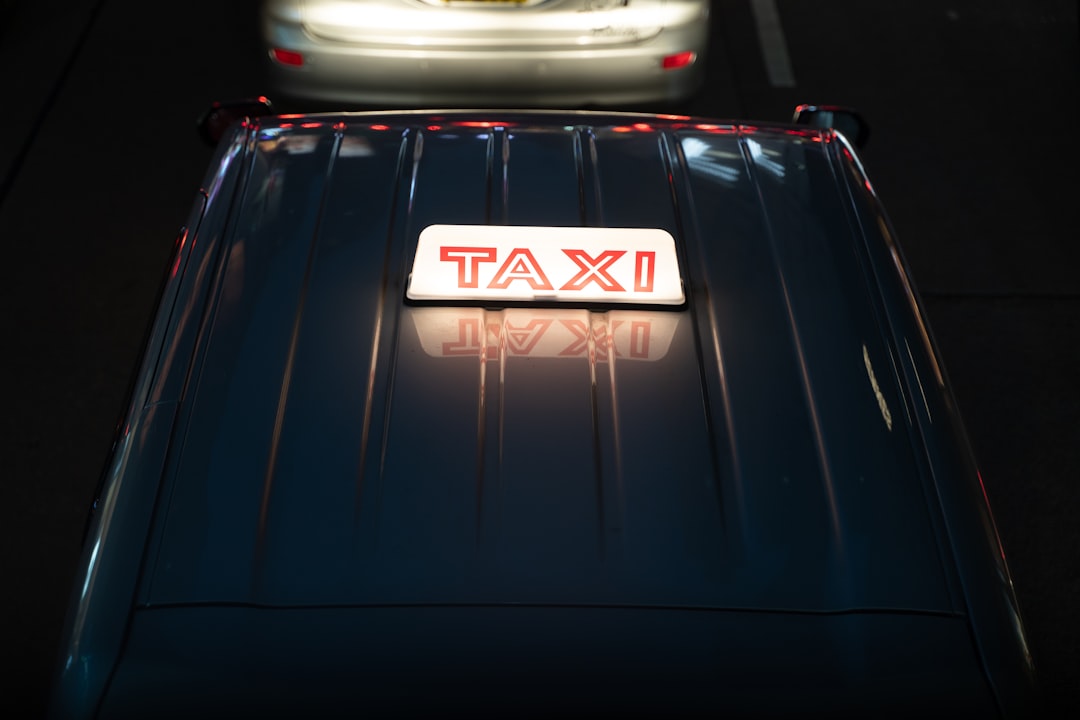
| Taxi offer inside arrivals hall | Driver avoids official rank or price clarity | Walk to the licensed queue or pre-booked pickup point |
| Free bracelet, flower, prayer card | Someone touches you before you agree | Remove it, return it, keep walking |
| Host asks for a new transfer | Payment request moves off the original channel | Refuse and contact the property directly |
| Stranger at ATM offers help | They stand close to your keypad | Cancel, pocket your card, use another machine |
| Officer asks for your wallet on the street | No clear vehicle, no station, no formal process | Ask to go to the nearest police station |
Think of the 30-second rule as part of your pre-trip setup, just like the sleep and hydration habits in Long Haul Flight Routine 2026: Before, During, After. Tired travelers are not careless; they are simply easier to hurry.
Arrival-Day Scams: Airports, Taxis, SIMs, and Cash
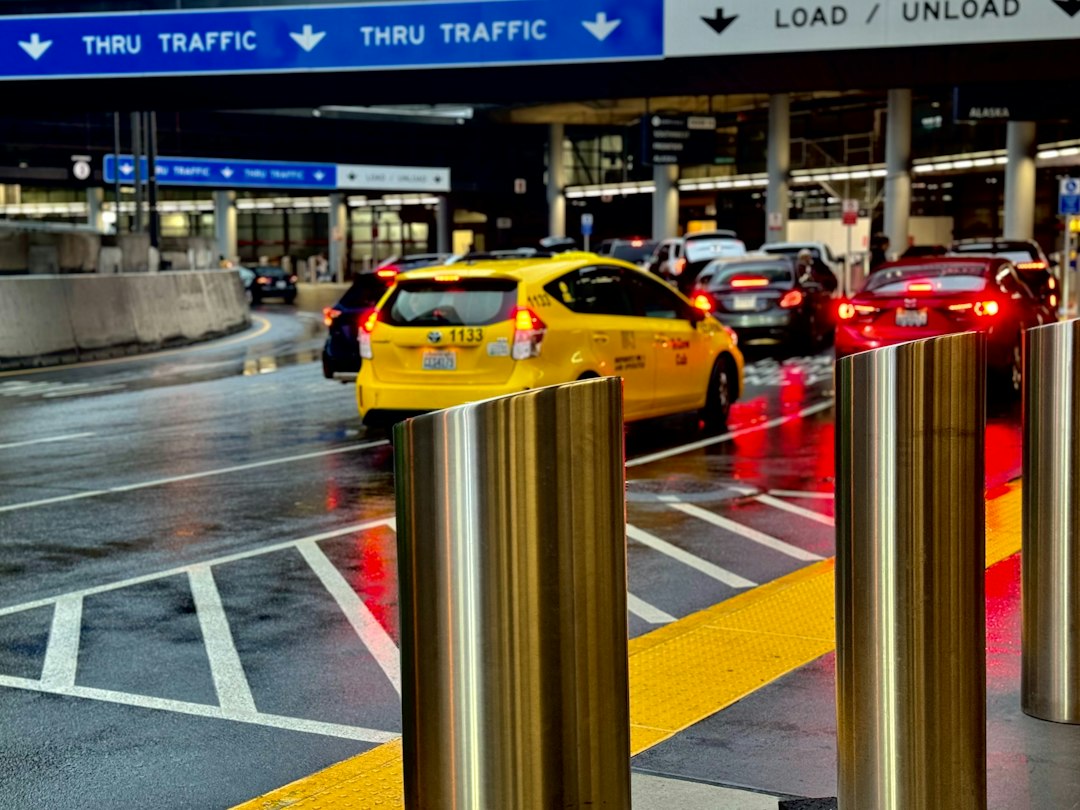
Photo by Kevin Doyle on Unsplash
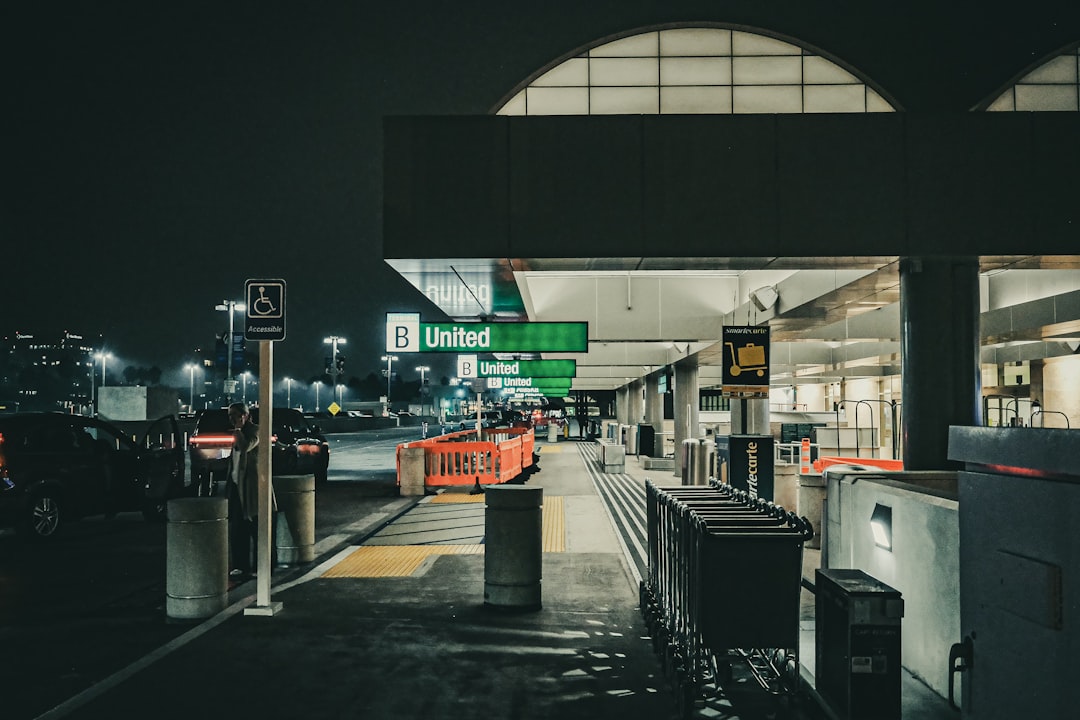
Arrival day has a particular blur to it: recycled airport air, bright signs, trolley wheels rattling over tile, and the first warm gust outside the terminal. That is why the fake taxi scam and airport money traps stay so profitable. You are not evaluating; you are trying to get moving.
If you want to avoid scams while traveling, treat the first 90 minutes after landing as a protected window. Make fewer decisions there, not more. Know your route into the city, your rough fare, your hotel address, and where you will get your first cash before you board the plane.
A practical arrival protocol:
- Screenshot your hotel name, address, and phone number before departure.
- Keep one day of spending money in your easy-access wallet, usually around 50 to 100 euros, dollars, or the local equivalent depending on the city.
- Use an ATM inside a bank branch or a staffed airport bank zone, not a random standalone machine near the exit.
- Ignore anyone who approaches with transport offers inside the terminal unless you pre-arranged a named pickup.
- If a driver says the meter is broken before the trip starts, leave before your bag is loaded.
- If an airport SIM kiosk is charging 20 to 35 euros for a plan that looks vague, compare it with the official city-centre store later; in many capitals, similar plans run 10 to 20 euros less.
Airport exchange desks also deserve caution. In many hubs, their rates are 5 to 12 percent worse than what you will effectively pay by withdrawing from a bank ATM and choosing local currency. That gap can quietly cost more than a museum ticket or a good dinner.
One more rule: do not discuss your hotel budget with drivers, porters, or strangers offering help. The moment you reveal that you booked a boutique place, a commission scam can begin. Suddenly your hotel is closed, full, or unsafe, and a better option just happens to be nearby. Go to the address you booked unless the property contacts you through the original channel.
Street Scams Near Landmarks, Stations, and Nightlife Strips
J S
The prettiest streets are often the noisiest. Around Rome Termini, Barcelona's Las Ramblas, Paris river bridges, or the lanes around a major market, you get the same recipe: crowds, music, camera bags, split attention, and just enough confusion for a team to work. Street tourist scams feel personal because they happen inside your space.
The classic setups still catch smart travelers because they are designed to feel rude to refuse. Someone smiles, steps close, and offers a bracelet, a flower, a petition, a prayer card, a lucky charm, or a cleaning tissue for a spill they helped create. Politeness becomes the trap.
The key is not arguing better. It is refusing the frame entirely.
Use these field rules:
- Bracelet or flower scam: keep both hands on your own belongings, say no once, and do not stop walking.
- Petition scam: never take the clipboard. Once your hand is occupied, your awareness drops.
- Spill scam: if something lands on your shirt, secure your bag first and clean up later in a private place.
- Found ring scam: any valuable object miraculously discovered at your feet is almost certainly fake.
- Fake monk or blessing scam: real religious practice does not need to trap your wrist in a crowd.
- Fake police scam: ask for identification and calmly suggest continuing the conversation at the nearest police station.
Your bag setup matters more than expensive gear. Keep your passport, backup card, and most cash separate from your daily wallet. Carry only what you expect to spend that day. A thief who gets 40 euros and an old transit ticket has ruined an afternoon; a thief who gets your passport, both cards, and 400 euros can wreck a week.
Nightlife adds a different version of risk. Loud music, dim light, and late payments make it easier to miss a padded bill or a card terminal showing the wrong amount. If a venue feels pushy, badly lit, or oddly empty for the area, leave early. Common travel scams and how to avoid them often come down to this unglamorous truth: the best exit is usually the first one.
Hotel Booking Scams, Fake Tours, and Closed Attraction Tricks
A hotel lobby should feel like relief: cool air, a hard floor after cobblestones, and the small pleasure of setting your bag down. But accommodation scams hit precisely because they arrive at that tired moment. You are more likely to accept a last-minute payment link or a downgraded room when you have been awake for 18 hours.
Most hotel booking scams start with one of three lines: we cannot find your reservation, there is a problem with your card, or please send a deposit to a new account. None of these should be handled in a rush. Keep every booking confirmation in one place, whether that is a printed folder, offline screenshots, or a trip organizer such as TravelDeck.
Here is the safer routine:
- Never send money to a new bank account because of a message received after booking.
- If a property claims your room is unavailable, ask them to show the issue in writing and photograph the desk, signage, and room category offered.
- Book tours and museum tickets from official operator or attraction websites only.
- If someone outside a monument says it is closed today, walk to the entrance and verify with staff or posted signage.
- If a guide approaches you with a special skip-the-line price, assume the burden of proof is on them, not on you.
This matters most at headline attractions where the heat and queue make shortcuts feel irresistible. Near palace gates, temple complexes, and archaeological sites, a scammer only needs you to believe you are about to miss out. A calm traveler is harder to steer.
Group trips need one extra layer. Decide before departure who holds the reservation emails, who has the backup card, and who can verify a payment request. If you are traveling with friends or family, the planning structure in How to Organize a Group Vacation in 2026 Without Fallout helps prevent confusion that scammers love to exploit.
ATM Skimming, Wrong Currency, and Hotel Phone Phishing
Some of the most expensive travel scams happen without shouting, grabbing, or running. They happen under fluorescent lights at a cash machine, on a bedside phone at 23:40, or on a card terminal turned toward you for half a second in a busy bar. Quiet scams travel further because the financial damage can continue after you leave the city.
ATM skimming remains common in tourist districts, especially where machines are older or placed on busy streets. Before inserting your card, tug the reader lightly and cover the keypad with your hand. If the machine looks bulky, loose, or oddly attached, walk away. A better option is an ATM inside a bank branch or behind a lobby door monitored by cameras.
The second big trap is dynamic currency conversion. The terminal politely asks if you want to pay in your home currency because it feels familiar. In practice, the local currency option is usually better and easier to check later. Familiar is not the same as fair.
Build this money routine into your trip:
- Turn on instant card alerts for every transaction, even for amounts under 1 euro, pound, or dollar.
- Carry one backup card in a separate bag or hidden pocket.
- Use credit rather than debit where possible for stronger dispute options.
- Never let a server walk away with your card if local practice allows payment at the table or at the counter in view.
- Do not do banking or large payments on public Wi-Fi.
- If your hotel room phone rings with a request to confirm card details, hang up and call the front desk yourself.
If you want a quick rule to remember, it is this: any payment screen, ATM, or phone call that asks you to move faster than your own pace deserves suspicion. That is how you avoid scams while traveling without turning every interaction into a crisis.
Your 10-Minute Recovery Plan if Something Goes Wrong
Even careful travelers get caught sometimes. The goal is not pride. The goal is damage control. A scam feels chaotic because it steals your sense of sequence, so give yourself one immediately.
In the first 10 minutes:
- Move to a bright, public place such as a hotel desk, pharmacy, café, or staffed station office.
- Freeze the affected card in your banking app or by calling your bank.
- Write down the time, place, amount, and what the person looked like while the details are fresh.
- Change the password for any exposed email or banking account if your phone or data may have been compromised.
- Ask for help filing a local police report if cash, cards, phone, or passport were stolen.
- Contact your accommodation and anyone traveling with you so nobody responds to fake messages sent in your name.
Keep these official resources saved before you travel:
- UK Foreign Travel Advice
- U.S. State Department Traveler's Checklist
- 112 emergency number information for Europe
A paper backup helps here too. Carry one card-free note with your accommodation address, an emergency contact, and the international numbers to freeze your cards. Phones die. Screens crack. Batteries drain fastest when you are stressed.
FAQ
What are the most common travel scams in 2026?
The patterns have not changed much: fake taxi scam setups, ATM skimming, distraction theft, hotel booking scam messages, fake police scam approaches, and fake ticket or tour sales outside major attractions. The method evolves, but the core trick is still urgency plus confusion.
How much cash should I carry for one day?
Carry only what you expect to spend before you can reach another secure ATM, often 40 to 100 euros or the local equivalent depending on the destination. Keep reserve cash separate from your daily wallet.
Should I use cash or card abroad?
Use card for larger, trackable payments and cash for small purchases where it is normal. Cards are easier to freeze and dispute; cash is useful when networks fail. The safest mix is one daily wallet, one backup card, and one small reserve stash.
How do I know if a taxi is official?
Use the airport's licensed rank, a hotel-called car, or a regulated local service. Confirm the plate, ask about meter or fare before the ride starts, and leave if the driver resists basic clarity.
What should I do if someone claiming to be police asks for my wallet?
Stay calm, do not hand over your wallet on the street, and ask to continue at the nearest police station. Real officers can verify identity and procedure there; scammers usually disappear when the interaction becomes formal.
A safer trip does not come from memorizing every scam on earth. It comes from recognizing the handful of signals they all share: urgency, unsolicited help, sudden touch, private payment, and pressure to keep moving. Keep your pace, protect your attention, and most scams lose their only real advantage.