A long-haul cabin can be drier than many deserts, and that is why a flight can leave you feeling oddly hungover even when you never touched a drink. A smart long haul flight routine fixes more than comfort: it helps your back, your sleep, your circulation, and the first day of your trip.
Most travelers treat a long flight like dead time. That is the mistake. If you plan the hours before boarding, the hours in the seat, and the first hours after landing, you can arrive far less swollen, foggy, and irritable.
Start your long haul flight routine 24 hours before boarding
Photo by JESHOOTS.COM on Unsplash
The easiest way to feel terrible on a long flight is to begin it already depleted. Last-minute packing, a salty airport dinner, and two giant coffees create the exact body state you do not want: dehydrated, tense, and wide awake when you need to sleep.
A better long haul flight routine starts the day before. The goal is simple: board the plane slightly tired, well hydrated, and dressed for a cold, dry cabin. If you are crossing more than five time zones, start shifting your watch, meals, and sleep by one to two hours toward your destination. That small move makes it easier to avoid jet lag later.
Before you leave home, do this:
- Finish packing the night before, not at 2 a.m.
- Wear compression socks from home, not at the gate.
- Eat a normal meal with protein and something bland such as rice, oats, eggs, or chicken.
- Avoid a heavy, salty restaurant meal in the airport terminal.
- Drink 500 to 750 ml of water in the two hours before boarding.
- Stop alcohol completely before the flight.
- Keep caffeine to one normal coffee or tea, ideally before local noon if you plan to sleep on board.
- Fill an empty water bottle after security.
If you are departing from a US airport, check the official TSA liquids rule before packing creams, eye drops, and facial mist. On most routes, every liquid in your cabin bag still needs to fit the standard security rules.
Choose the best seat for long flights based on your real goal
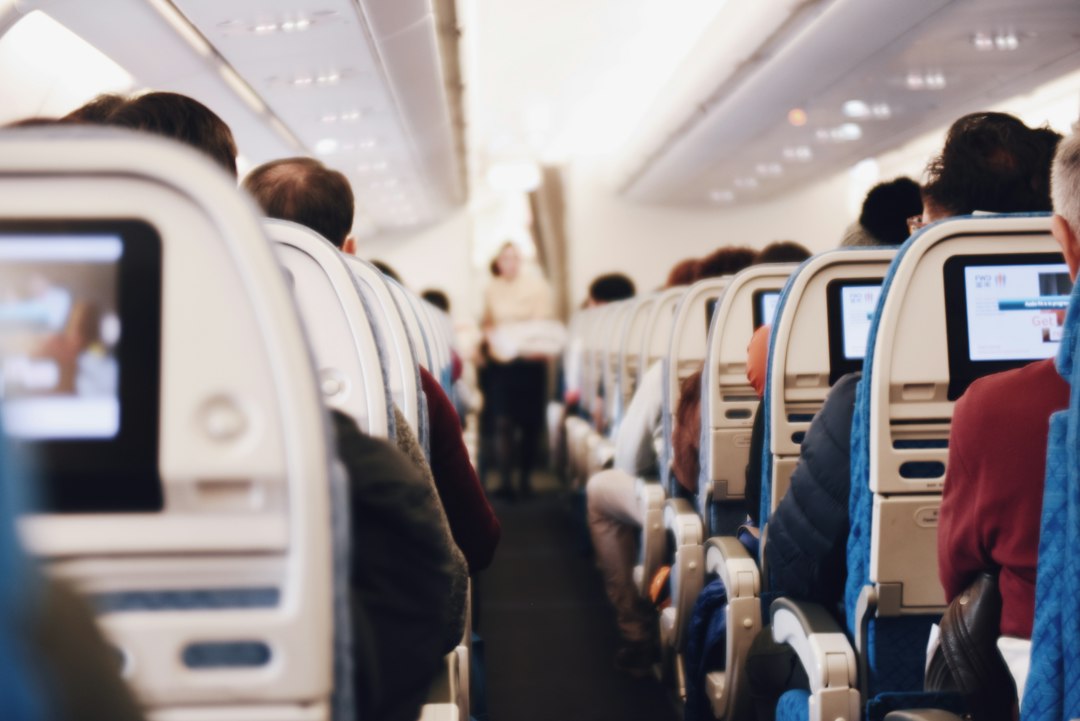
Photo by Suhyeon Choi on Unsplash
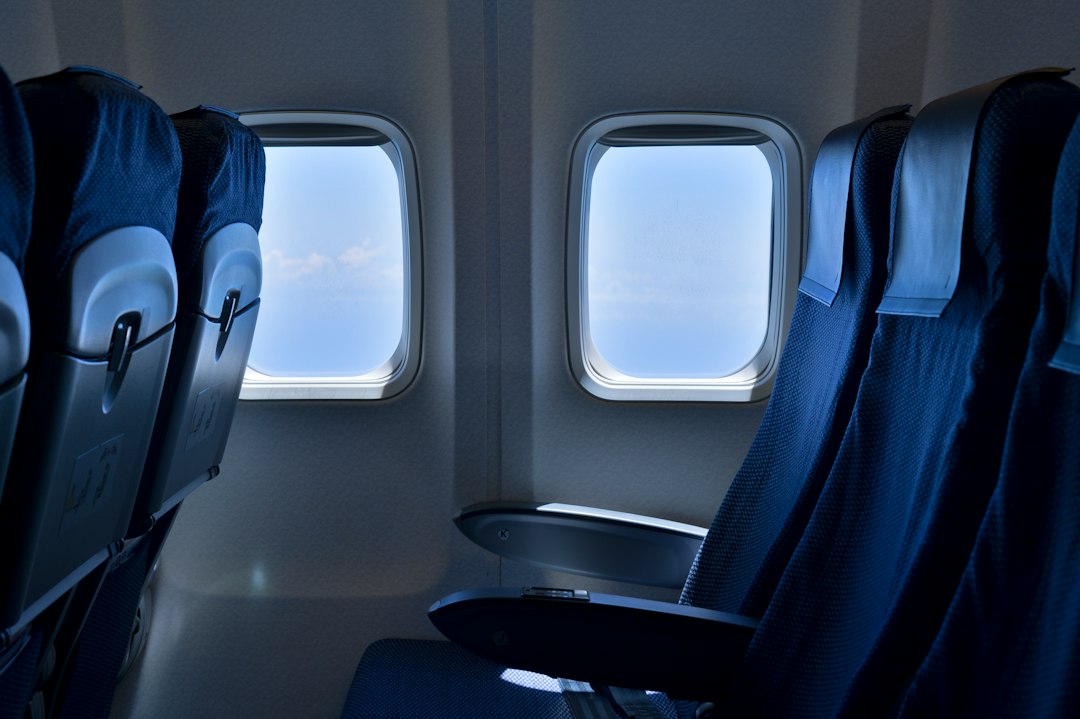
Seat choice is not about prestige. It is about what kind of discomfort you hate most. If your main problem is sleep, a window seat usually wins because you can lean away from the aisle and no one wakes you every two hours. If your main problem is stiffness, bladder pressure, or anxiety, the aisle is better because movement stays easy.
For pure economy flight comfort, the smoothest part of the plane is usually near the wing. The back often feels bumpier, and the last rows near toilets or galleys are louder, brighter, and busier. Those are the seats where lights flick on, carts rattle, and people queue inches from your shoulder.
Use these rules of thumb when you pick:
- Choose a window seat if you want to sleep on a plane and do not need frequent bathroom trips.
- Choose an aisle seat if you plan to walk often or drink a lot of water.
- Sit over or close to the wing if turbulence makes you uneasy.
- Avoid the last row in a section if you are sensitive to noise and limited recline.
- Avoid seats directly by toilets on flights longer than 8 hours.
- Consider paying for extra legroom on flights over 10 hours if the fee is roughly $70 to $120 or less. On a very long route, that can be better value than buying multiple comfort gadgets.
One more practical move: recheck the airline seat map 24 to 48 hours before departure. Aircraft swaps happen. A decent seat can turn bad, and a blocked row can suddenly open.
Build a long flight packing list that solves the cabin problems
Photo by gil VALERY on Unsplash
The cabin hum, dry air, and uneven temperature are what wear you down. Your long flight packing list should answer those exact problems, not just fill space with travel gadgets. A soft hoodie, a bottle, and lip balm will help you more than half the impulse buys at the airport.
Think in systems: sleep, hydration, hygiene, and circulation. That keeps your personal item small and your long haul flight routine easy to follow when you are tired.
Here is a cabin kit worth copying:
| Item | Why it matters | Typical price | Pack it? |
|---|---|---|---|
| Compression socks | Reduce swelling and help circulation on flights over 4 hours | $15 to $35 | Yes |
| Empty 500 to 750 ml bottle | Lets you drink more than the single plastic cup service | $0 to $20 | Yes |
| Eye mask | Helps you sleep on a plane even when screens stay on around you | $10 to $25 | Yes |
| Earplugs or noise-cancelling headphones | Cuts engine noise and random cabin sounds | $3 to $300 | Yes |
| Lip balm and small moisturizer | Cabin air dries lips and hands fast | $3 to $15 each | Yes |
| Saline nasal spray | Helps with dry air and that scratchy post-flight feeling | $5 to $10 | Yes |
| Electrolyte sachets | Useful on ultra-long flights or after a very dry overnight sector | $0.50 to $1.50 each | Optional |
| Giant neck pillow you never use | Bulky if it does not actually help you sleep | $20 to $60 | Only if tested |
Keep medicines, a pen, charger, wipes, and one clean pair of socks in the same pouch. On a night flight, digging through your bag under a dim reading light feels far more chaotic than it sounds now.
How to sleep on a plane without wrecking your arrival day
The best answer to how to sleep on a plane is not to force eight perfect hours. It is to sleep strategically. Your body clock responds to timing more than effort, so the question is not Can I sleep, but When should I sleep if I want a usable first day after landing?
Set your phone and watch to destination time as soon as you board. Then build your sleep around the arrival clock, not your home clock. If you land in the morning, try to sleep during the first half to two-thirds of the flight, then wake up, drink water, and expose yourself to light before landing. If you land in the evening, stay awake longer, keep lights on, and save sleep for your hotel.
A practical sleep-on-a-plane routine looks like this:
- Eat lightly once on board, not continuously.
- Recline as soon as the cabin settles, not three hours later.
- Put on socks or loosen your shoes before your feet swell.
- Use an eye mask, earplugs, and a hoodie or scarf to create a dark, warm bubble.
- Skip doom-scrolling when the cabin lights dim.
- If you nap, aim for one solid block rather than five broken dozes.
- Avoid trying a strong sleeping pill for the first time in the air.
When I map a trip in TravelDeck, I usually protect the arrival day with a lighter first afternoon instead of pretending I will be fully functional after a red-eye. That single planning choice often matters more than any pillow.
Economy flight comfort rules once the seat belt sign goes off
This is where most discomfort sneaks in: not in one dramatic moment, but in six small bad habits repeated for ten hours. You keep your shoulders raised, you forget to drink, you watch two films without standing, and suddenly your lower back feels made of concrete.
Economy flight comfort is mostly about tiny resets. The cabin smells faintly of coffee and reheated sauce, screens flicker blue in the dark, and your body stops giving you reliable hunger and tiredness signals. A simple routine keeps you ahead of that.
Use this timing pattern in the air:
- Within the first hour: drink at least 250 to 500 ml of water.
- Every 60 to 90 minutes: do 20 ankle pumps, 10 calf squeezes, and 5 shoulder rolls in your seat.
- Every 2 to 3 hours: stand up and walk the aisle for 3 to 5 minutes.
- Every meal service: choose the lighter option if one looks less salty or creamy.
- After every bathroom visit: reapply lip balm and wash your face or hands with a little moisturizer after.
- Two hours before landing: stop trying to force sleep, drink water, and freshen up.
If you have a history of circulation issues, recent surgery, pregnancy, or other medical risk factors, read the official CDC guidance on blood clots and travel before flying and follow your clinician's advice. For everyone else, the basic rule is simple: movement beats stoicism.
Use the first three hours after landing to avoid jet lag
The worst long-haul mistake happens after the aircraft door opens. You finally feel free, so you reward yourself with the exact wrong things: a beer, a giant nap, and a heavy meal at the wrong local hour. That is how a hard flight becomes a wasted first day.
To avoid jet lag, treat arrival like the final stage of the same long haul flight routine. Your body needs light, water, and a clear signal about what time it is now.
Follow the right arrival plan for your landing time:
If you land in the morning
- Get daylight on your face within 30 to 60 minutes.
- Eat a normal breakfast or lunch, not just pastry and coffee.
- Keep naps to 20 minutes maximum, and not after mid-afternoon.
- Walk for 20 to 30 minutes before sitting in your room.
If you land in the evening
- Keep dinner light and familiar.
- Shower, dim the room, and go to bed close to local bedtime.
- Skip the idea of staying up late to see more of the city.
For any arrival
- Drink 500 to 750 ml of water between landing and hotel check-in.
- Eat something easy on the stomach first.
- Save your biggest sightseeing block for the next day.
If your first meal abroad feels intimidating when you are tired, Safe Local Dishes Abroad in 2026: What to Order First is a good place to start. And if you land groggy into a culture very different from home, reread Respectful Travel Customs 2026: Avoid First-Day Mistakes before you bluff your way through greetings, shoes-off spaces, or table manners.
FAQ
What is the best seat for a long-haul flight?
For most people, the best seat for long flights is either a window near the wing for sleep or an aisle near the wing for movement. Avoid the last rows near toilets and galleys if you are sensitive to noise, light, or people queueing beside you.
Should you wear compression socks on long flights?
Yes, especially on flights longer than 4 hours. Put them on before you leave home, not after boarding, because swelling starts as soon as long sitting begins. A basic travel pair usually costs $15 to $35.
How much water should you drink on a 10-hour flight?
There is no perfect number for every body, but many travelers feel better if they drink around 250 ml each hour they are awake in the cabin. In practice, that often means finishing a 500 to 750 ml bottle more than once during a 10-hour flight.
Is it better to sleep or stay awake on an overnight flight?
Sleep or stay awake according to your destination clock. If you land in the morning, sleeping for part of the flight usually helps. If you land late in the evening, staying awake longer can make it easier to sleep at the hotel and avoid jet lag.
What should you avoid before and during a long flight?
Avoid alcohol, very salty meals, tight clothing, and the urge to sit motionless for hours. Also avoid testing new supplements or strong sleep aids in the air. A reliable long haul flight routine should make you feel more predictable, not less.
A comfortable long-haul trip rarely comes from one miracle gadget. It comes from a handful of calm, repeatable choices. Get those right, and the flight stops feeling like lost time and starts feeling like the first planned part of the journey.