The UK is small on a map, but for travelers it behaves like several climates stitched together. A good UK holiday weather planner beats a long wishlist every time: two places can sit only a few hours apart and still give you completely different odds of beach sun, mountain mist, or all-day drizzle. If you are wondering where to go on holiday in the UK, start with the forecast style you can live with, then build the trip around transport and backup plans.
That simple shift saves money, cuts disappointment, and makes short breaks feel longer. Instead of chasing a perfect postcard, plan for the version of the UK that is most likely to reward you on the days you have.
How to choose where to go in the UK without overplanning
Photo by Jay Chen on Unsplash
The smartest UK trips begin with three filters: how much weather risk you can tolerate, whether you want to drive, and how many nights you really have. Most people choose a famous region first and only later notice the pain points: a five-hour transfer, ferries that sell out, or a coastal trip built for sunshine landing in a wet weekend.
Use this rule of thumb. For 2 to 3 nights, choose a city-plus-scenery base with strong rail links. For 4 to 5 nights, a coastal or national park trip starts to make sense. For 6 nights or more, you can justify a car-hire region such as the Highlands or Pembrokeshire.
Before you book anything, answer these questions:
- Do you need beach time, or just sea views and good walking?
- Are you happy driving narrow roads, or do you want rail-first travel?
- Is one washed-out day acceptable, or will bad weather ruin the point of the trip?
- Are you traveling in school holidays, August festival season, or a flexible shoulder-season week?
- Can you keep the trip to one region, or at most two? If you struggle with that last step, UK Holiday Planning Tips for 2026: The 2-Region Rule is a useful companion.
A practical UK holiday weather planner is really about matching the destination to the trip you can actually enjoy, not the trip that looks best in a brochure.
Best UK holiday destinations for bright, dry weather
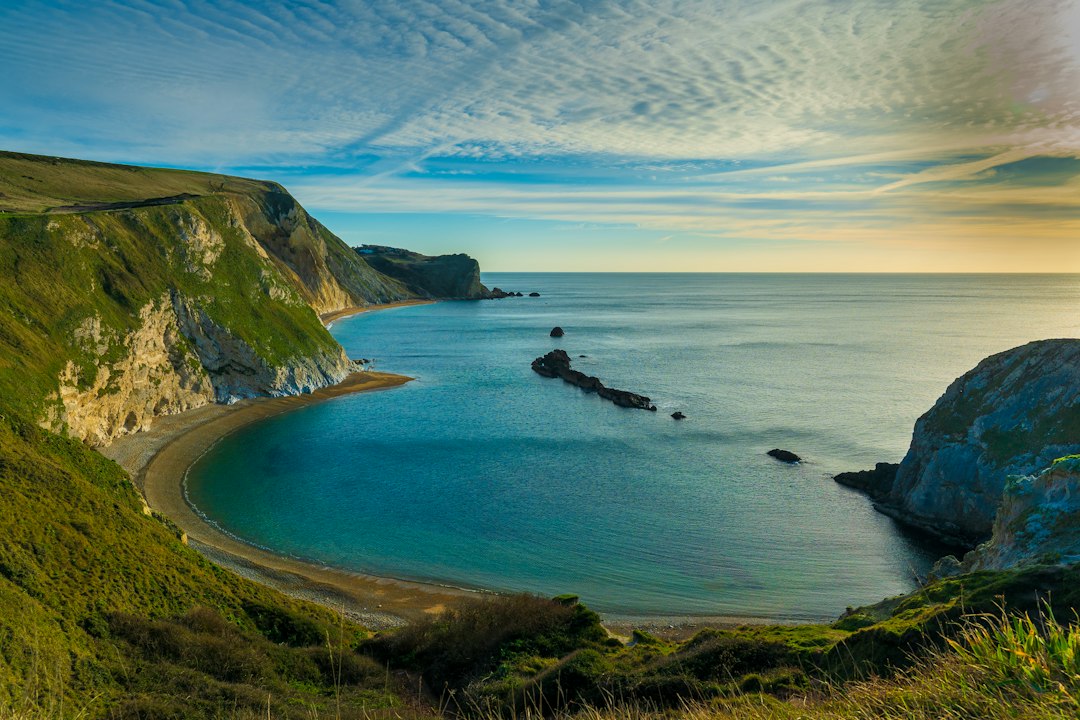
Photo by Nick Fewings on Unsplash
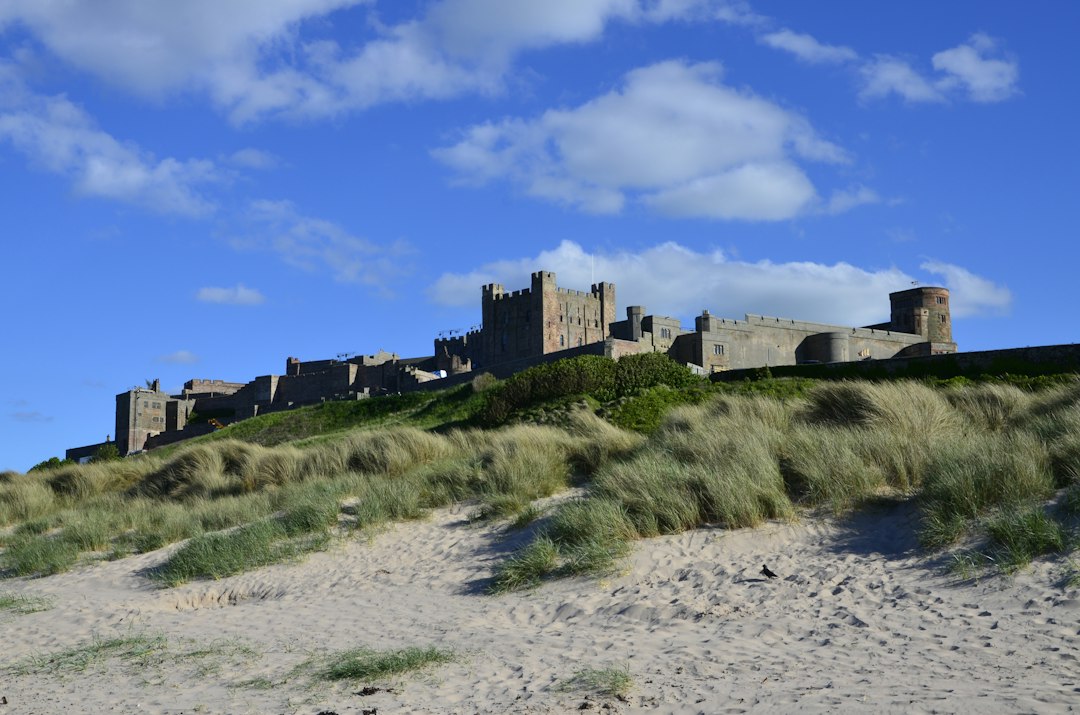
When the forecast looks promising, lean into places where sun changes everything: long coastal paths, castle ruins above beaches, harbors that stay lively into the evening, and towns where you can eat outside without gambling on a heater. These are the best UK holiday destinations when you want that rare but glorious feeling of a fully open-air British break.
Northumberland is the first place I would choose for a bright May, June, or early September window. Base yourself near Bamburgh, Seahouses, or Alnwick. You get huge beaches, Bamburgh Castle, boat trips toward the Farne Islands, and enough space that even sunny weekends rarely feel as packed as Cornwall. Rail works well if you arrive via Alnmouth, but having a car helps. Expect midrange rooms around £130 to £220 a night.
Pembrokeshire is the west-coast answer. Tenby gives you colorful harbor views and easy beach access, while St Davids works better for coastal walking. On a clear day, the cliffs and coves look almost improbably bright. The catch is logistics: this is a much better 4-night trip than a 2-night dash, and a car makes the whole region far easier.
The Isle of Wight is ideal if you want an easier sunny escape from the south of England. You can pair ferry travel with a short drive or bus trip, walk sections of the coast near Freshwater Bay, and still have old-school holiday touches like pier towns and seafront fish and chips.
For sunny-weather planning, do this:
- Book coastal stays as soon as the forecast window lines up with school breaks or bank holidays.
- Favor Sunday to Thursday nights if you want lower rates.
- Choose towns with both beach and walking options, so one windy day does not waste the trip.
- If swimming matters, late June to early September gives you the best odds, but sea temperatures still stay brisk.
Where to go on holiday in the UK when the forecast looks mixed
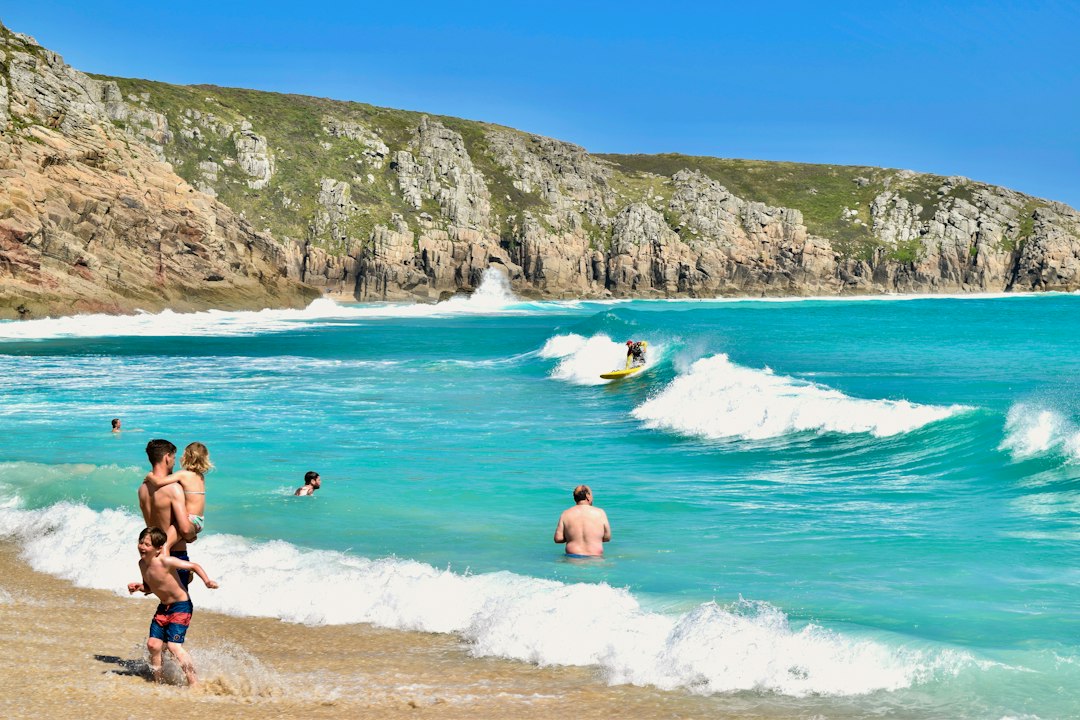
Photo by BEN ELLIOTT on Unsplash
A mixed forecast does not mean cancel the holiday; it means choose places that still feel rewarding in drizzle. This is where many travelers get the UK wrong. They book a pure beach break, see rain symbols all week, and assume the trip is doomed. In reality, some of the best UK breaks are built for exactly this kind of weather.
Bath is the classic short-answer destination. The city is compact, handsome, and easy by direct rail. You can spend a dry spell walking the Royal Crescent and Pulteney Bridge, then shift indoors to the Roman Baths, the Holburne Museum, or a long lunch if the rain sets in. A 2-night break works perfectly here. Tickets for the Roman Baths usually sit around £28 to £35 depending on season, and central midrange hotels often run £160 to £260 a night.
York is another excellent mixed-weather choice. The city walls, narrow lanes, York Minster, and the National Railway Museum give you enough variety that showers become an inconvenience rather than a disaster. If you catch a clear half-day, head outward toward the North York Moors; if not, the city still carries the trip. It is one of the easiest rail-based answers to where to go on holiday in the UK for a first-time planner.
Edinburgh works especially well because the city feels atmospheric in changing weather. Arthur's Seat on a bright morning, the castle and museums when clouds roll in, Leith for dinner later: it rarely feels wasted. Just watch August, when the Fringe pushes prices up sharply and last-minute rooms can become painful. If you are timing a trip around big weekends or events, 2026 Travel Calendar: 4 Trips to Book Around Big Dates helps you avoid accidental surge pricing.
The mixed-forecast rule is simple:
- Pick a base with at least three strong indoor anchors.
- Keep one half-day outdoor slot flexible.
- Stay close to the station or historic core so you do not spend wet hours commuting across town.
Best UK breaks for cool air, drama and changing skies
Some parts of the country are not about guaranteed sunshine at all. They shine because the weather adds mood: low cloud over ridgelines, sudden silver light on lochs, castle walls darkened by rain, a pub fire at the end of a cold walk. If that sounds appealing, your UK holiday weather planner should push you toward wilder landscapes rather than away from them.
The Scottish Highlands are best when you accept the bargain. You go for scale, not certainty. May and September are sweet spots: fewer midges than high summer, long enough daylight, and usually easier room availability than peak August. Base in Inverness for easier logistics, or split between Fort William and Portree if you want classic Highland-and-Skye scenery. Without a car, you can still do parts by rail and coach, but flexibility drops fast.
Eryri in North Wales is another strong pick for travelers who enjoy dramatic weather rather than fear it. Conwy gives you a superb walled town and castle, while Betws-y-Coed works for forest and mountain access. On a bright break between showers, the whole landscape glows. On a grey day, you still have stone villages, slate history, and deep pub comfort.
These trips reward a different planning style:
- Build a 3-night minimum, because one weather-shift day is part of the deal.
- Pack for layers, not heat: waterproof shell, midlayer, two pairs of shoes if possible.
- Assume driving times will feel longer than the map suggests.
- Treat viewpoints and hikes as optional bonuses, not the only reason for going.
That is the hidden power of a UK holiday weather planner: it helps you choose places where the likely weather improves the mood instead of fighting it.
UK holiday planning: trains, car hire, ferries and real budgets
Once you know your weather window, planning the mechanics gets much easier. Rail-first works best for Bath, York, and Edinburgh. Car-first works best for Pembrokeshire, the Highlands, and many Wales and island routes. Ferry-based trips, like the Isle of Wight or Scottish islands, need earlier commitment because availability can become the real bottleneck, not the hotel.
Use official tools before you pay deposits: the Met Office for weather patterns, National Rail for engineering works and train times, CalMac for west coast ferry routes, and National Parks UK for park-specific planning. Once I have narrowed the route to one realistic option and one backup, I like laying it out in TravelDeck to see whether the trip still works if one day turns wet or one transfer slips.
Here is a copyable planning table:
| Destination | Best weather window | Ideal stay | Best transport | Typical daily budget per person |
|---|---|---|---|---|
| Bath | Year-round, especially spring and autumn | 2 nights | Train | £140-£220 |
| York | Year-round, strongest in spring and early autumn | 2-3 nights | Train | £130-£210 |
| Edinburgh | April-June and September; avoid August unless planned early | 2-4 nights | Train | £160-£260 |
| Northumberland Coast | Late May-June, early September | 3-4 nights | Car or rail plus taxi | £120-£200 |
| Pembrokeshire | June and September are excellent | 4-5 nights | Car | £130-£210 |
| Isle of Wight | Late spring to early autumn | 3 nights | Ferry plus car or bus | £125-£200 |
| Scottish Highlands | May and September for balance | 4-6 nights | Car | £150-£260 |
A few planning hacks matter more in the UK than people expect:
- Book long-distance train tickets 8 to 12 weeks ahead if dates are fixed.
- Check whether your destination is built around weekend trade; midweek can cut room rates noticeably.
- For Edinburgh in August, Highlands in peak summer, and ferry-linked islands, last-minute planning is rarely the cheap option.
- Add 20 to 30 percent buffer time to rural driving days.
Booking hacks that save money and reduce friction
The best UK holiday planning is often about what you deliberately do not try to cram in. Four bases in seven nights looks efficient on paper and feels miserable in real life. If you want one practical rule, make every move earn a full day of reward.
For example, a 4-night sunny-weather trip works better as one coast than coast plus city. A 3-night mixed-weather break works better as one elegant rail city than a city-and-countryside scramble. And a 5-night Highlands trip needs margin for scenic stops, rain shifts, and slow roads.
These hacks consistently pay off:
- Keep your first and last night in the easiest-access place, especially if trains or ferries are involved.
- Make a wet-weather list before departure: one museum, one long lunch spot, one indoor historic site.
- Choose lodgings with strong cancellation terms for weather-sensitive coastal or island trips.
- If a destination depends on one famous sight, ask yourself what the second-best day looks like. If you do not like that version, choose another base.
- In rural regions, prioritize parking, breakfast hours, and walking distance to dinner as much as room size.
This is also why where to go on holiday in the UK is not only a destination question. It is a structure question: the right base, the right season, and the right tolerance for the forecast.
FAQ
Where should I go on holiday in the UK for a first trip?
For a first UK holiday, Bath, York, and Edinburgh are the safest high-reward choices because they work well by rail and still feel satisfying in mixed weather. If you want coast instead of city, Northumberland is easier to manage than more crowded southwest beach regions.
What is the best month for a UK holiday?
May, June, and September are usually the sweet spots. You get longer days, decent odds of dry weather, and fewer problems than school-holiday peak weeks. August can be lively, but prices jump in popular areas, especially Edinburgh and classic seaside towns.
Is it better to drive or use trains in the UK?
Use trains for Bath, York, and Edinburgh. Drive for Pembrokeshire, the Highlands, much of rural Wales, and any trip built around small coves, castle stops, or scattered walks. If your trip includes ferries, book vehicle space early because that often sells out before rooms do.
How much should I budget for a UK holiday in 2026?
For a comfortable midrange trip, a sensible working figure is about £120 to £260 per person per day depending on region and season. Cities with strong rail links can be cheaper than remote scenic areas once fuel, parking, and long-distance driving are added.
How far ahead should I book a UK holiday?
For rail-city breaks, 6 to 10 weeks ahead is usually enough to get better train fares and decent room choice. For August, bank-holiday weekends, island routes, and the Highlands in peak summer, book much earlier. A UK holiday weather planner works best when you identify your window early and only then choose the exact destination.
The best British trips rarely come from trying to defeat the weather. They come from choosing a place that still feels right in the weather you are most likely to get. Once you plan that way, the UK becomes much easier to love: brighter on the good days, calmer on the grey ones, and far less stressful from the moment you book.