Most UK holidays go wrong before you leave home. People try to cram London, Cornwall, the Highlands and the Cotswolds into one week, then spend the trip dragging a suitcase between stations. If you need UK holiday planning tips that actually help, start with one rule: pick fewer places, sleep longer in each, and plan around transport first.
The United Kingdom looks compact on a map, but it travels bigger than it seems. A smart UK break is usually one city base and one scenic base, not a greatest-hits sprint. That simple shift gives you better mornings, fewer check-ins, and time to actually enjoy the places you paid to see.
The 2-region rule: the easiest way to choose where to go in the UK
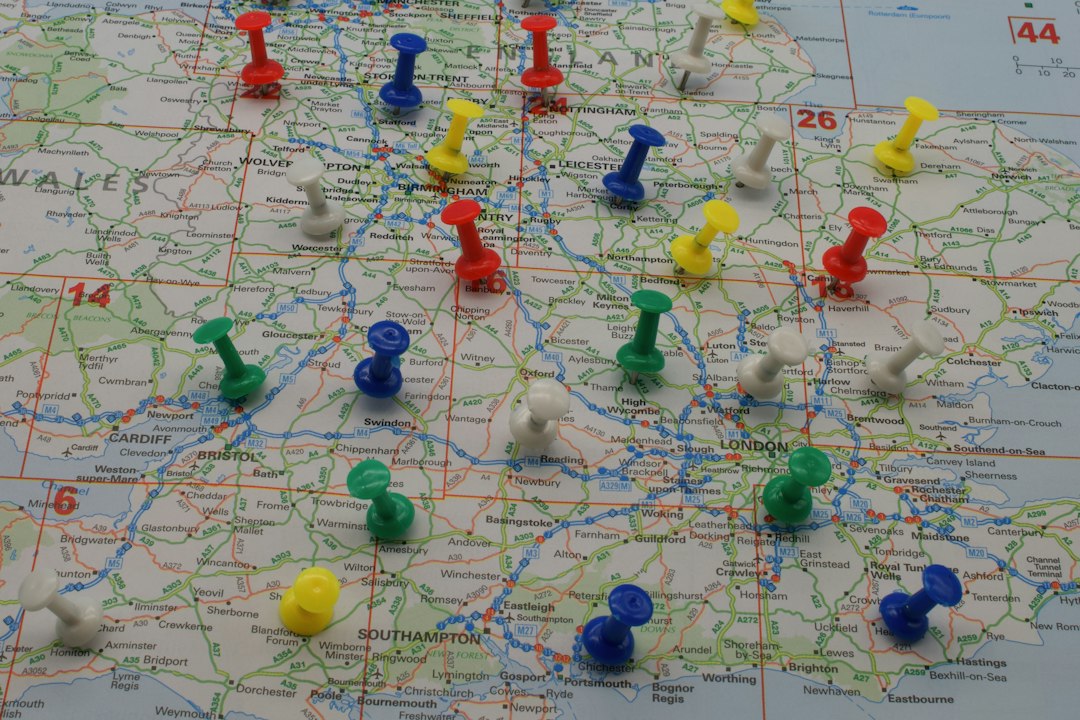
Photo by Paul Marlow on Unsplash
If this is your first proper UK holiday, do not plan all four nations in one trip. The cleanest formula is London or Edinburgh plus one second region that contrasts with it: spa city, coast, castle country, or hiking base. That is the difference between a holiday and a logistics exercise.
Think in pairs, not lists. London + Bath works because the train is fast and the mood changes completely. York + Edinburgh works because the rail line is easy and both cities reward walking. Belfast + the Causeway Coast works because one urban day and one scenic day already feel like a full trip.
Use this rule of thumb:
- Up to 5 nights: 1 base, or 2 bases only if the transfer is under 2 hours
- 6 to 9 nights: 2 bases is ideal
- 10 to 14 nights: 3 bases maximum
- More than 3 hotel moves in one week usually means too much transit
When I am comparing options, I sketch the trip in TravelDeck and look at how many waking hours disappear into transfers. If the travel days are starting to eat the afternoons, the plan is too busy.
Best UK holiday destinations if you want an easy trip, not a stressful one
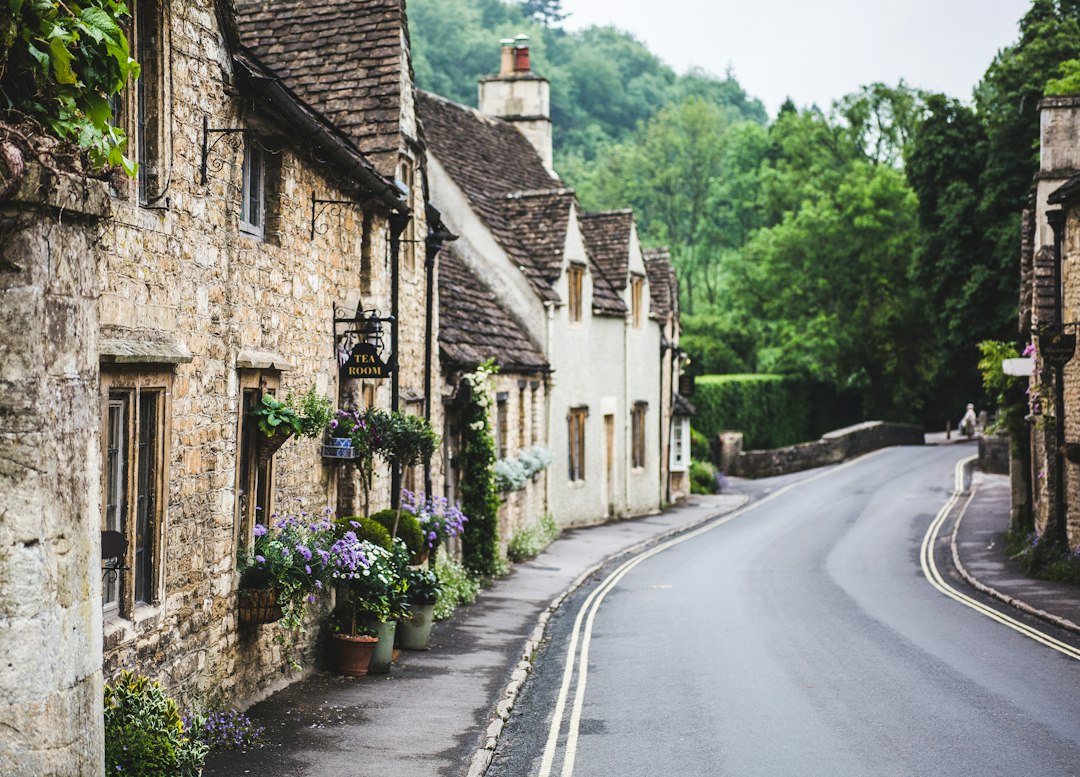
Photo by Jay Chen on Unsplash
The best place to go on holiday in the UK is not always the prettiest photo. It is the place that fits your energy, budget and tolerance for transport. Some destinations are brilliant but awkward without a car; others are almost friction-free by train.
Use this table as a planning shortcut before you book anything.
| Base | Best for | Ideal stay | Need a car? | Typical daily budget per person | Why it works |
|---|---|---|---|---|---|
| Bath | First-timers, architecture, easy day trips | 2 to 3 nights | No | £120 to £180 | Direct trains, compact centre, Roman Baths, Bristol and Salisbury nearby |
| York | History, walkable streets, short breaks | 2 to 4 nights | No | £110 to £170 | Medieval centre, easy rail links, strong value outside peak weekends |
| Edinburgh | City plus big scenery | 3 to 4 nights | No | £130 to £200 | Castle, great food, Arthur's Seat, easy rail access |
| Keswick | Lakes, hiking, slower pace | 3 to 4 nights | Helpful | £120 to £190 | Good bus links for walks, strong pub-and-trail rhythm |
| Conwy or Llandudno | Castles, coast, North Wales | 3 to 4 nights | Helpful | £100 to £160 | Easy base for Conwy, Eryri and seaside stops |
| Belfast | City break plus coast | 2 to 3 nights | No for city | £110 to £170 | Titanic Quarter, murals, Causeway day trip options |
A few fast choices make planning much easier:
- Want the easiest no-car holiday? Pick Bath, York or Edinburgh.
- Want coast and castles without summer crush? Pick North Wales.
- Want dramatic scenery with manageable logistics? Pick Edinburgh plus a Highlands day trip.
- Want a walking holiday without driving every day? Pick Keswick and use local buses.
- Want a UK trip that feels different from England fast? Pick Belfast.
If you already know you want a route rather than one or two bases, One Week UK Holiday Routes for 2026: 6 Trips That Flow is the next step. But for most travellers, starting with the right base saves more headaches than building a long route too early.
Pick your base near the station, not near the postcard
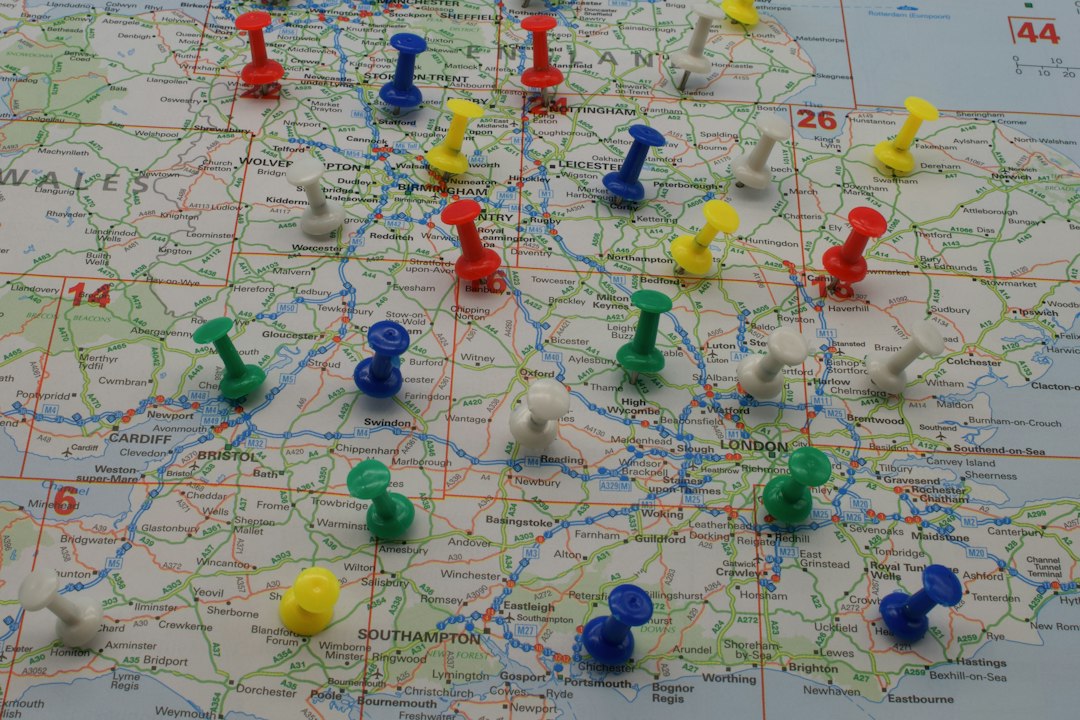
Photo by Paul Marlow on Unsplash
This is the least glamorous advice in the article, and probably the most useful. In the UK, the best hotel location is often not the most famous square or the oldest lane. It is a 10 to 15 minute walk from the main station, with cafés nearby and a flat route for luggage.
That matters because UK streets can be cobbled, steep and crowded. A hotel that looks romantic on a map can become annoying after a late train, a rainy arrival or a day trip back with muddy shoes. Stay where the trip runs smoothly, then walk to the pretty bits.
Use these base rules:
- In London, stay on a Tube or Elizabeth line corridor, not necessarily in the postcard centre
- In Bath, the station area and Georgian streets just uphill are more practical than the busiest tourist lanes
- In York, stay inside or just outside the walls, especially near the station side
- In Edinburgh, New Town and Haymarket are often easier than the steepest Old Town streets
- In North Wales, Conwy gives you a stronger historic feel; Llandudno gives you easier seafront hotels and transport
- In the Lake District, Keswick is usually the easiest all-round base for buses, walks and dinner options
A good base should let you do three things without friction: arrive easily, go out for dinner on foot, and leave early for a day trip. If one of those is hard, keep looking.
UK holiday planning tips for booking trains, stays and tickets in the right order
The UK rewards early planners, especially on rail. Walk-up train fares can be brutal, while advance fares can be surprisingly reasonable if you move early. Your smartest move is to book in sequence, not randomly.
Here is the order that usually works best:
- Check entry rules and passport timing. If you may need a UK ETA, use the official government page: gov.uk ETA guidance.
- Check event dates before picking cities. Edinburgh in August, university graduation weeks, bank holidays and summer school breaks can distort prices fast. For date-sensitive ideas, see 2026 Travel Calendar: 4 Trips to Book Around Big Dates.
- Reserve the hardest accommodation first. That is usually Edinburgh in festival season, a small Cotswolds inn, or a popular Lake District weekend.
- Book long-distance trains as soon as advance tickets appear, often around 8 to 12 weeks ahead. Start with National Rail for times and operators.
- Then book major timed attractions. Good examples are the Roman Baths, Edinburgh Castle and Tower of London.
- Leave day-trip decisions flexible unless they sell out or depend on weather.
Useful journey times to remember:
- London to Bath: about 1 hour 20 minutes
- London to York: about 2 hours
- London to Edinburgh: about 4 hours 20 minutes
- Edinburgh to Inverness: about 3 hours 30 minutes
- London to Cardiff: about 2 hours
For city transport in the capital, Transport for London is the official place to check fares and disruption. In practice, contactless payment is the simplest hack: tap in, tap out, and let the daily caps do the work.
A realistic UK trip budget for 2026
Many travellers underbudget the UK because they compare it with a cheap European city break. The fix is not avoiding Britain; it is pricing the trip properly from the start. In 2026, a sensible midrange UK holiday usually lands somewhere between £110 and £220 per person per day, depending on city, season and how often you pay for major sights.
What moves the number most is not food. It is where you sleep, how late you book trains, and whether you travel on summer weekends.
Use this rough planning budget for two people sharing a room:
| Cost line | Budget-conscious | Midrange | Notes |
|---|---|---|---|
| Hotel or guesthouse | £85 to £130 | £140 to £240 | Edinburgh in August can go much higher |
| Food and coffee | £30 to £45 pp | £45 to £70 pp | Pub lunch saves money; tasting menus do not |
| Local transport | £6 to £15 pp | £10 to £20 pp | Many city centres are walkable |
| Intercity train average | £20 to £60 pp | £40 to £90 pp | Early booking matters more than class |
| Paid sights | £0 to £20 pp | £20 to £45 pp | Balance big-ticket entries with free museums |
Three easy money-saving moves:
- Sleep Sunday to Thursday where possible; Friday and Saturday rates jump first
- Pair one paid headline sight with one free half-day, especially in London, York and Liverpool
- Avoid peak festival and bank holiday weekends unless the event is the reason for going
The UK is also full of small price traps. Breakfast included can save £20 to £30 a day for a couple. A room near the station can cut taxi costs entirely. And a direct train at a slightly higher fare is often worth more than a cheap ticket with two stressful changes.
Practical travel hacks for the UK that actually save time
The best UK travel advice is rarely dramatic. It is the small stuff that keeps a trip smooth when the weather flips, a platform changes, or a museum queue suddenly doubles. Britain rewards travellers who pack light, eat early, and keep a little flexibility in the day.
These are the hacks I would use on almost any UK holiday:
- Carry a compact waterproof, not just an umbrella. Coastal wind and hill weather can make umbrellas useless.
- Pack shoes with grip. Wet stone steps, station platforms and country paths get slippery fast.
- Book dinner on Friday and Saturday in smaller towns. Good pubs fill earlier than visitors expect.
- Use the first train of the day for popular sights or walks. You get clearer streets and more buffer if plans slip.
- Keep one dry pair of socks in your day bag. It sounds boring until a shower hits halfway through York or Keswick.
- In pubs, order at the bar unless staff clearly seat and serve. Waiting at the table can waste time.
- Expect some Sunday hours to be shorter, especially in smaller towns.
- Build one weather-proof option into each day: a museum, castle, spa, market hall or long lunch.
If you are travelling alone, the UK is generally straightforward, but station arrivals after dark still deserve planning. Solo Trip Safety Tips for 2026: Smart Moves From Landing to Late Night covers the routines that make a real difference.
FAQ
Where should a first-time visitor go on holiday in the UK?
For the smoothest first trip, choose one major city and one second base. London plus Bath, York plus Edinburgh, or Edinburgh plus a Highlands day trip are the easiest combinations. They feel varied without wasting too much time in transit.
Is the UK easy to travel without a car?
Yes, if you choose the right places. London, Bath, York, Edinburgh and Belfast are very easy by rail and on foot. Rural North Wales, the Cotswolds and parts of the Highlands are better with a car, though some bases still work with buses and trains.
How far in advance should I book a UK holiday?
For a normal spring or autumn trip, 8 to 12 weeks is a good planning window. For Edinburgh in August, summer weekends in the Lake District, or small-country-house stays, book several months earlier if you want good value.
What is the cheapest way to plan a UK holiday?
Pick one or two train-friendly bases, travel outside school holidays, and lock in advance rail tickets early. York, Belfast and Cardiff often give better value than London-heavy trips, especially when you balance paid sights with free walking days.
Do I need an ETA for the UK in 2026?
Many travellers do, but eligibility depends on nationality and routing. Always check the latest rules on the official government page before booking flights or trains that connect to your holiday.
A good UK holiday is rarely about seeing everything. It is about choosing the right pair of places, giving each one enough time, and leaving room for the things Britain does best: a long museum morning, a windy coastal walk, a pub lunch that turns into dinner, and the quiet pleasure of not rushing to the next station.