A single route launch can turn a complicated dream trip into an easy week away. That is why new flight routes 2026 matter more than most travelers think: they do not just add seats, they change which places are realistic for a short break, a once-a-year splurge, or a shoulder-season escape.
The trick is not chasing every headline. It is spotting the update that actually removes friction, then building a trip around it before fares, hotel rates, and crowds rise. If you also like planning around fixed dates, 2026 Travel Calendar: 4 Trips to Book Around Big Dates is a useful companion.
How to use travel news to pick a trip
Photo by Z on Unsplash
Most travel news is interesting but not actionable. The useful kind changes one of four things: access, timing, cost, or experience. When you read a destination update, ask one simple question first: does this make the trip easier, better, or cheaper for me in 2026?
Think about the smell of a city after rain, the first cold glass of local wine at sunset, the sound of train doors closing as you leave an airport without needing a taxi. Good planning starts there, with real on-the-ground convenience, not with a vague list of hot destinations. If you like planning around launches as much as destinations, New Travel Openings 2026: 4 Trips to Plan Before Crowds pairs well with this approach.
Use this filter before you book anything:
- Easier access: a new nonstop flight, better rail link, or simpler airport transfer.
- Time-sensitive opening: a museum, cultural center, festival anniversary, or major event that changes the feel of the place.
- Recovery window: a region actively welcoming visitors back, where your spend supports local businesses and crowd levels are still reasonable.
- Better trip structure: a destination that now works in 3 nights instead of 6, or in one clean loop instead of messy backtracking.
If a piece of news does not improve one of those four areas, it is background noise. That rule alone will save you from building trips around hype.
New flight routes 2026 and other trip-changing updates
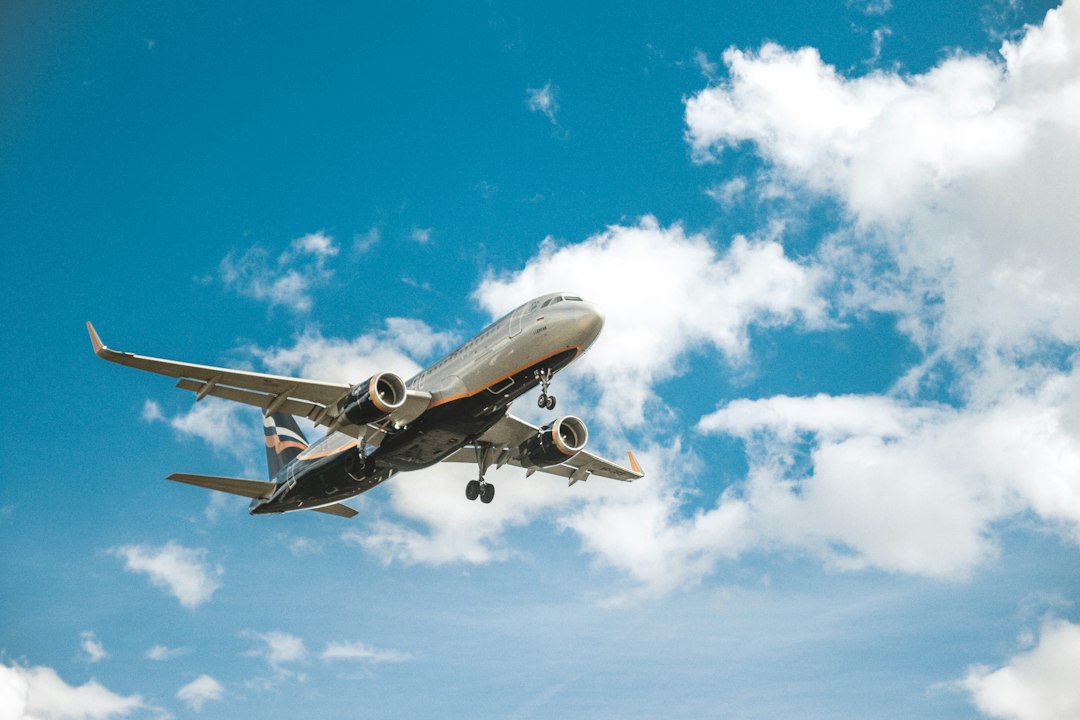
Photo by alexey starki on Unsplash
The best new flight routes 2026 story is rarely only about the plane. What matters is what the route unlocks once you land: a direct train into town, a new cultural opening worth timing, or a cleaner split between city days and nature days.
Below are six places where 2026 changes the planning math in a useful way.
| Destination | What changed in 2026 | Best trip length | Budget guide | First planning move |
|---|---|---|---|---|
| Brussels | KANAL-Centre Pompidou opens in November and airport-to-city connections improve | 3 nights | EUR 550 to 900 pp | Book for spring or late autumn; stay near Sainte-Catherine or Ixelles |
| Adelaide, South Australia | New long-haul access makes South Australia easier from North America | 6 to 8 nights | AUD 1500 to 2400 pp, excluding long-haul flight | Split 3 nights city and 3 to 5 nights wine country or Kangaroo Island |
| Cook Islands | Brisbane-Rarotonga direct flights start from May 2026 | 5 to 7 nights | NZD 1600 to 2600 pp, excluding long-haul flight | Lock in dry-season dates first, then choose west-coast or lagoon-side stay |
| Ishikawa | Recovery travel to Kanazawa and Noto gains momentum, with easy rail access from Tokyo | 3 to 5 nights | JPY 70000 to 120000 pp | Base in Kanazawa and add one day trip only, not three |
| Arusha | New cultural opening and forest camp create a softer safari gateway stay | 5 to 7 nights | USD 1800 to 4000 pp | Fly into Kilimanjaro, sleep one night in town before heading out |
| Philadelphia | US 250 celebrations reshape summer city breaks in 2026 | 3 to 4 nights | USD 700 to 1300 pp | Book rail arrival and historic-core hotel early for June and July |
Brussels works if you want a compact culture break with almost no wasted time. You can arrive by train, check in fast, and spend two dense days between grand squares, design spaces, and beer bars without renting anything. Plan around spring for lighter crowds or late November if the KANAL opening is your main reason to go.
Adelaide is different: dry light, broad avenues, beach air, and a trip that finally makes sense as a one-region holiday rather than a complicated add-on. Use the city for markets and restaurants, then move once into the Barossa, McLaren Vale, or Kangaroo Island. Do not attempt all three in a week.
Rarotonga is for travelers who want one lagoon, one road, and fewer decisions. The island is small enough to feel intimate but large enough for five proper days of snorkelling, hiking, and long sunset dinners. If July and August prices sting, look at May, early June, or September.
Ishikawa suits travelers who want Japan without the biggest crowd pressure. Kanazawa gives you gardens, craft workshops, seafood markets, and easy rail logic; Noto is more meaningful when added carefully and respectfully, especially through family-run stays and reopened local businesses.
Arusha is not only a safari stop anymore. In 2026 it can be the beginning of a slower Tanzania trip, with one town day, one cultural visit, then forest and plains. And Philadelphia is the easiest patriotic-city break of the bunch: walkable, train-friendly, and worth timing around the anniversary energy if you book early enough.
Best places to visit in 2026 by trip length

Photo by Mehdi Mirzaie on Unsplash
One mistake travelers make with latest-news destinations is forcing them into the wrong amount of time. A place made easier by new access still fails if you cram it into a bad schedule. Match the news to the number of nights you actually have.
Use this rule of thumb:
- 3 to 4 nights: Brussels, Kanazawa, Philadelphia.
- 5 to 7 nights: Rarotonga, Arusha.
- 6 to 8 nights: Adelaide and South Australia.
Then match season to the trip style, not only to weather.
- Brussels: April to June or September to early December for art, food, and walking weather.
- Adelaide: March to April and October to November for wine-country days without peak summer heat.
- Rarotonga: May to October for drier conditions, but avoid the priciest school-holiday windows if budget matters.
- Ishikawa: late April to May and October to November for gardens, crafts, and manageable temperatures.
- Arusha: January to February or June to October for better safari conditions; avoid the long rains from March to May.
- Philadelphia: late spring and early summer if the anniversary atmosphere is the point, but shoulder season travel in September is calmer and often cheaper.
This is where new flight routes 2026 can save you money: not just with airfare, but by making a shorter, cleaner trip possible. A direct or simpler arrival often lets you cut one hotel night, one transfer, and one dead travel day.
How to plan a trip in 2026 in 30 minutes
You do not need a perfect spreadsheet to make a good decision. You need one focused half hour. I use a simple 30-minute workflow whenever a newsy destination moves from maybe to bookable.
- Minutes 1 to 5: Choose one trigger.
- Minutes 6 to 10: Fix the trip length.
- Minutes 11 to 15: Price the three biggest pieces.
- Minutes 16 to 20: Verify on official sites.
- Minutes 21 to 25: Build a simple route.
- Minutes 26 to 30: Book in order.
That is how to plan a trip in 2026 without drowning in tabs, screenshots, and half-saved ideas.
Booking and budget rules for news-driven trips
Latest-news trips reward speed, but not panic. You want to move early on the pieces that usually spike first and leave the flexible pieces for later. The order matters.
For most of these destinations, book in this sequence:
- Flights or rail when dates are fixed.
- Hotel as soon as you know the right neighborhood.
- Timed museum or event tickets after official release.
- Airport transfer only if arrival is late, remote, or after public transport hours.
- Restaurants last, unless the city is built around one hard-to-book table.
A simple budget rule helps too: split your estimate into transport, stay, local movement, and anchor experience. If you want a cleaner framework, Travel Budget Worksheet 2026: The 7-Line Trip Cost Plan is excellent for turning a vague number into a real one.
| Book early | Leave flexible |
|---|---|
| Opening-week museum tickets | Lunch spots and casual dinners |
| Festival and anniversary weekends | Secondary day trips |
| Island stays with few rooms | Local transport inside cities |
| Safari lodges and camps | One free afternoon for weather |
Here are planning numbers worth remembering:
- Brussels: central hotels jump fast around major art dates, so lock in 8 to 12 weeks ahead for weekends.
- Adelaide: car rental only after city nights saves money and parking stress.
- Rarotonga: lagoon-front stays are limited, so reserve 4 to 6 months out for dry season.
- Ishikawa: ryokan-style stays often include dinner and breakfast, which can cut your daily food spend.
- Arusha: a private transfer from Kilimanjaro Airport commonly adds around USD 40 to 60 each way, so budget for it up front.
- Philadelphia: anniversary dates can push central hotel pricing sharply higher, making weekday stays noticeably better value.
New flight routes 2026 only help if you protect the savings. One extra connection, one badly timed airport hotel, or one overscheduled loop can erase the advantage quickly.
FAQ
How far ahead should I book trips shaped by new flight routes 2026?
For a simple city break, 2 to 4 months is usually enough. For islands, safari stays, or anniversary-heavy dates, aim for 4 to 6 months. If the route is brand-new and schedules are still settling, wait for the operating pattern to look stable before locking non-refundable extras.
Is it worth traveling right after a major opening?
Sometimes, but only if the opening is the heart of the trip. Opening weeks bring energy and prestige, but also possible delays, sold-out slots, and unfinished service rhythms. If you care more about the destination than the bragging rights, go 3 to 8 weeks later.
How do I avoid building a trip around hype?
Ask whether the update changes your daily experience. A real planning win shortens transfers, improves access, adds a must-see opening, or makes a better route possible. If it only sounds exciting on social media, skip it.
Should I add a second stop to make the most of a new route?
Only if the transfer is obvious and cheap in time. Brussels plus another Belgian city works. Adelaide plus one wine region works. Rarotonga does not need another island unless you genuinely want a slower split stay. The best latest-news trips usually feel cleaner, not busier.
Are these destinations good for shoulder season travel?
Yes, and that is often the smartest play. Shoulder season travel lets you benefit from the 2026 news without paying absolute peak prices. Brussels in autumn, Adelaide in spring, Ishikawa in late autumn, and Philadelphia in September are especially strong combinations of atmosphere and value.
The most useful travel news is not the loudest headline. It is the quiet change that gives you a better route, a cleaner schedule, and a trip that finally feels easy to book and easy to enjoy.