The UK looks small on a map, but it punishes overpacking your itinerary. Try to squeeze Cornwall, the Lake District and Edinburgh into the same seven days and you will spend your holiday staring at platforms and motorways. A smarter one week UK holiday is built around one region, two bases at most, and transport you book before fares jump.
If you are wondering where to go on holiday in the UK and how to plan it, start with this rule: choose places that share a landscape or a rail line. That is how you get abbey bells in York, sea spray in Whitby, heather-dark hills in Perthshire or honey-coloured lanes in the Cotswolds without losing whole days in transit.
How to choose the best places in the UK for one week
Photo by Marcin Nowak on Unsplash
The best places in the UK for a week are not always the most famous. They are the ones that fit your pace. In seven days, most travellers do best with one anchor city or town, one smaller second base, and no more than three long travel legs. That keeps mornings free for markets, cliff walks, castle visits and pub lunches instead of repeated check-outs.
Ask yourself three quick questions before you book anything: do you want city breaks with museums, scenery with walks, or coast with seafood and sea air? Are you comfortable driving narrow roads, or would you rather use trains? And are you travelling in school-holiday weeks, when Cornwall, the Lake District and Edinburgh become noticeably pricier?
| Route | Best for | Main bases | Best transport | Typical 7-day spend per person | Best months |
|---|---|---|---|---|---|
| Bath, Bristol and the Cotswolds | Pretty towns, food, history | Bath + a Cotswolds village | Train plus 1 day car hire or driver | £650-£1,050 | May-Jun, Sep-Oct |
| York and the North Yorkshire coast | Medieval city plus seaside | York + Whitby | Train plus local bus or short car hire | £620-£980 | Apr-Jun, Sep |
| Edinburgh and Highland edge | Big sights with easy scenery | Edinburgh + Pitlochry | Train | £700-£1,100 | May, Jun, Sep |
| The Lake District slow week | Walks, lakes, cosy inns | Keswick + Bowness | Train plus bus, or car | £680-£1,120 | May-Jun, Sep |
| Cornwall coast week | Beaches, art, seafood | St Ives + Falmouth | Car or rail plus taxis | £720-£1,150 | Jun, Sep |
| Belfast and the Causeway Coast | City, coast, geology | Belfast + Portrush | Train plus local tour or car | £650-£1,000 | May-Sep |
The table above is the fastest way to narrow a one week UK holiday. Pick the route that matches your transport comfort first. In the UK, that matters almost as much as your budget.
Six one week UK holiday routes that actually fit together
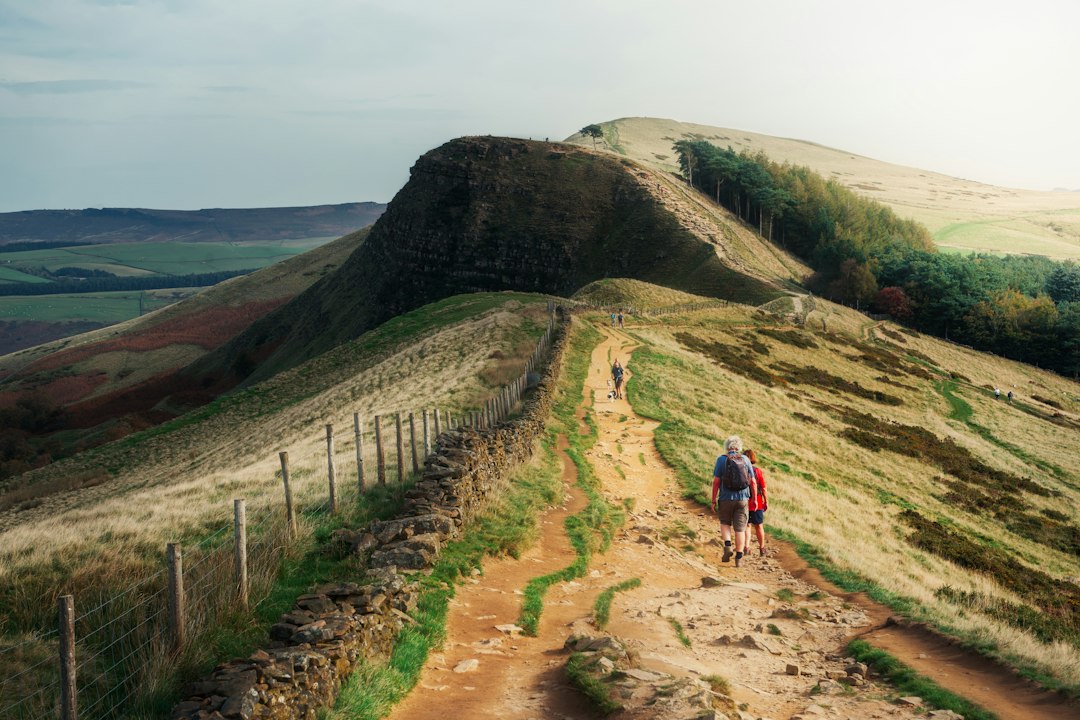
Photo by Ian Cylkowski on Unsplash
A good UK holiday itinerary should feel stitched, not scattered. Each of these routes gives you a distinct mood and a practical rhythm.
Bath, Bristol and the Cotswolds
This is the easy first-timer England week: pale-stone terraces, bakery breakfasts, Roman history and green lanes bordered by dry-stone walls. Base yourself three nights in Bath, then three nights in a village like Stow-on-the-Wold or Burford, with Bristol as a half-day or overnight stop if you want more food and street art.
- Best for: couples, first UK trips, travellers who like walkable towns
- Key sights: Roman Baths, Royal Crescent, Castle Combe, Bibury, Bristol harbourside
- Travel note: London to Bath is about 1 hour 20 minutes by direct train
York, Whitby and the North York Moors
If you want history without London prices, this route is hard to beat. York gives you crooked medieval lanes, the immense nave of York Minster and easy train access, while Whitby adds gulls, harbour light and fish and chips eaten into the wind.
- Best for: mixed city-and-coast breaks
- Key sights: York Minster, the Shambles, Whitby Abbey, Robin Hood's Bay, steam railway views across the Moors
- Travel note: London to York is often under 2 hours by direct train
Edinburgh and Highland edge
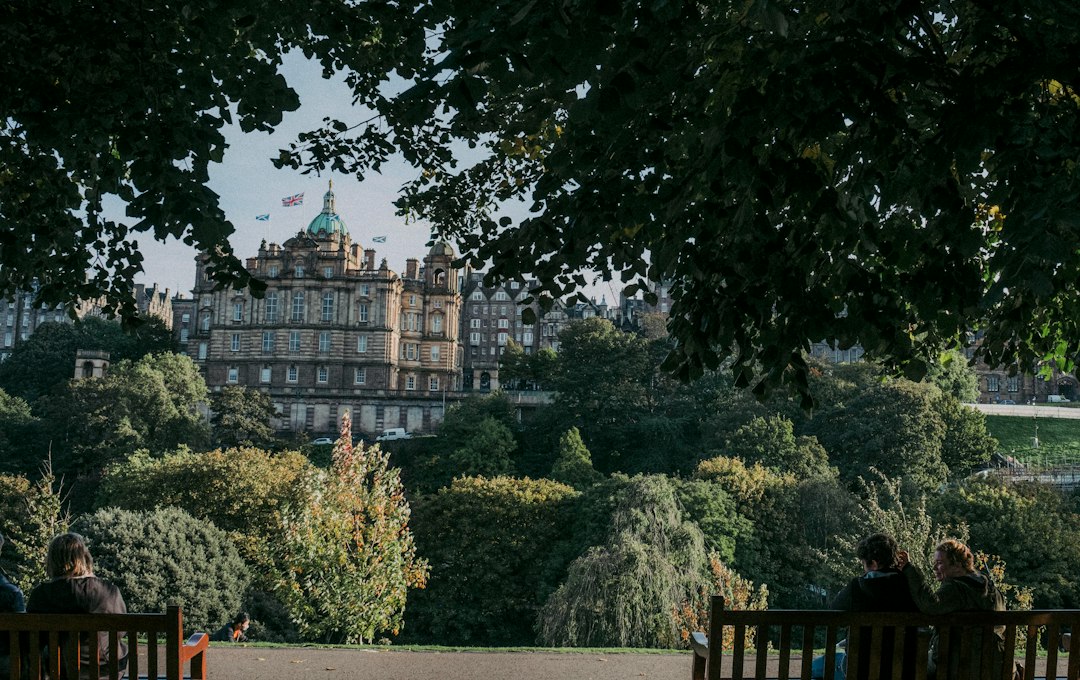
Edinburgh has enough drama for half a week on its own: black stone closes, castle views, whisky bars and a skyline that changes with every hill. Add two or three nights in Pitlochry or Aviemore and you get forests, lochs and long twilight evenings without committing to a full Highlands road trip.
- Best for: a Scotland taste without exhausting travel days
- Key sights: Edinburgh Castle, Royal Mile, Arthur's Seat, Pitlochry walks, Blair Athol area
- Travel note: Edinburgh to Pitlochry is around 1 hour 50 minutes by rail
The Lake District slow week
This is the route for people who want the holiday to feel quieter by day two. Mist hangs low over the fells in the morning, boats move across Windermere, and even busy villages feel softer once the day-trippers leave.
- Best for: walkers, readers, pub lovers, low-stress couples' trips
- Key sights: Derwentwater, Catbells, Grasmere, Windermere cruises, Beatrix Potter country
- Travel note: Manchester to Windermere takes roughly 1 hour 40 minutes by train
Cornwall coast week
Cornwall is worth the long approach if you stay put long enough to enjoy it. Base in St Ives for galleries and bright little beaches, then move to Falmouth or Penzance for coastal paths, harbour dinners and easier access to Land's End, St Michael's Mount or the Lizard.
- Best for: summer sea air, painters' light, families and shoulder-season couples
- Key sights: Porthmeor Beach, St Ives harbour, St Michael's Mount, Kynance Cove, Falmouth waterfront
- Travel note: trains from London are long, so give Cornwall the full week
Belfast and the Causeway Coast
This is one of the most underrated one week UK holiday options. Belfast adds museums, music and a very walkable centre, while the north coast brings basalt cliffs, ruined castles and the Giant's Causeway's strange hexagonal stones.
- Best for: travellers who want something different from England-and-Scotland classics
- Key sights: Titanic Belfast, Carrick-a-Rede area, Dunluce Castle, Giant's Causeway, Derry day trip
- Travel note: Belfast to Portrush by train takes around 2 hours 20 minutes
UK trip planning: trains, cars and booking windows
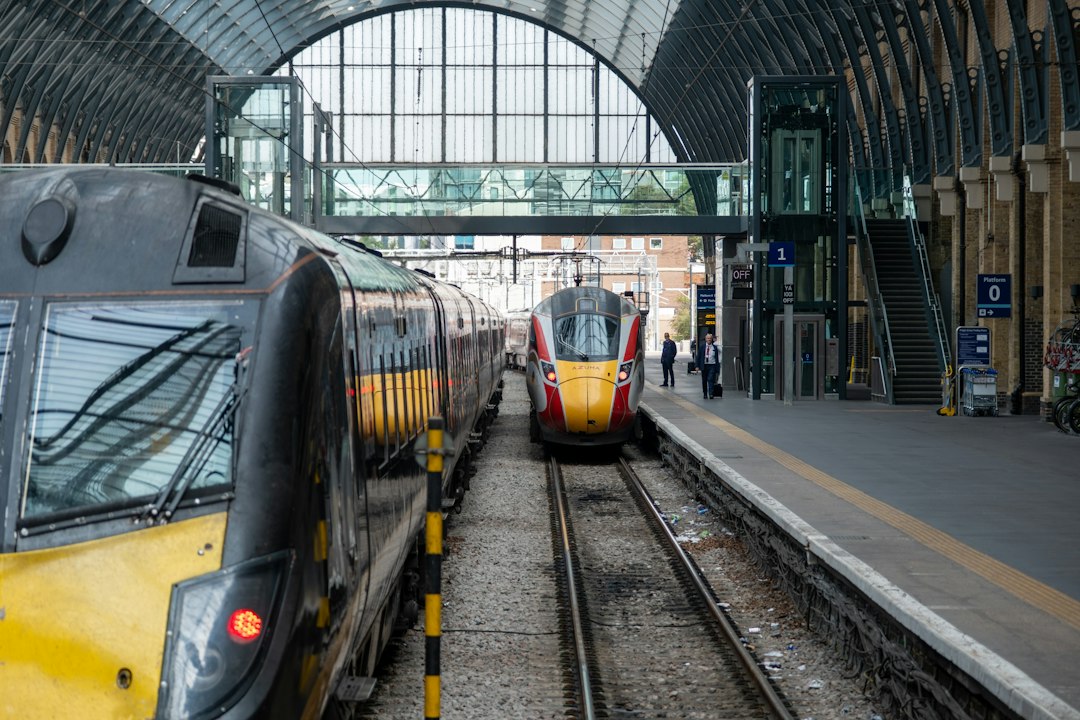
Photo by Umair Dingmar on Unsplash
UK trip planning gets easier the moment you stop treating the whole country like a hop-on, hop-off playground. Long-distance trains can be brilliant, but the cheapest fares are usually advance fares. On popular routes, a ticket bought six weeks early can cost a fraction of the same seat bought a day before departure.
Use official tools first: check entry rules and the UK ETA on gov.uk, compare rail times on National Rail, and see whether a rail discount makes sense at Railcard. For broad regional inspiration, VisitBritain is a solid starting point, and Scottish rail timings are easiest to verify on ScotRail. If you like seeing the whole trip at a glance, it is useful to sketch your stops in TravelDeck before you start locking in trains and hotels.
A few rules of thumb save real money and stress:
- Use trains for Bath, York, Edinburgh and Belfast-based trips.
- Hire a car only for the Cotswolds, Cornwall, the Lake District beyond main hubs, or deeper rural Wales and Highland areas.
- Book long-distance rail 4 to 8 weeks ahead if your dates are fixed.
- Add a Railcard if you qualify; many cut eligible fares by about one-third.
- On a one week UK holiday, keep hotel changes to one, or at most two.
- Always check the last train back after evening events; smaller towns go quiet early.
If you are travelling alone, especially on later arrivals or rural transfers, borrow a few habits from Solo Travel Planning Tips 2026: Safer Hotels, Streets and Rides. The UK is generally straightforward, but a calm arrival plan matters more than bravado.
UK holiday budget: what 7 days really costs
A realistic UK holiday budget depends less on nationality and more on timing. June in Cornwall, August in Edinburgh and bank-holiday weekends almost always cost more than a midweek stay in May or late September. The UK also rewards early booking more than many travellers expect, especially for rail.
As a planning baseline for a one week UK holiday outside London, use these 2026 figures:
- Midrange double room in a B&B or small hotel: £90-£160 per night
- Well-located city hotel: £130-£220 per night
- Pub main or fish and chips: £14-£22
- Casual dinner with drink: £22-£35 per person
- Coffee and pastry breakfast: £6-£8
- Paid attraction: £18-£32
- Advance intercity rail leg: £25-£75
- Late-booked intercity rail leg: £80-£190
- Car hire: roughly £45-£85 per day before fuel and parking
That usually lands here:
- Lean but enjoyable: £550-£800 per person for 7 days
- Comfortable midrange: £850-£1,300 per person for 7 days
- High-comfort summer trip: £1,500 and up per person for 7 days
Three budget hacks matter more than chasing tiny savings:
- Travel Sunday to Friday if you can; Saturday-night rates in coastal and national-park areas are often the worst value.
- Choose two bases instead of four. Extra hotel changes quietly add taxi fares, parking fees and wasted meals.
- Price the whole trip, not just the room. This is where a simple worksheet helps, and Travel Budget Worksheet 2026: The 7-Line Trip Cost Plan is useful for keeping rail, food and attraction costs honest.
When to go, what to pack and weather hacks for the UK
The UK in travel photos can look like one long summer afternoon. Real life is better and messier: sunlight breaking through cloud over a green headland, one sharp shower, then a clear golden evening that sends everyone straight back to the pub garden. Pack for change, not perfection.
For most routes in this guide, the sweet spots are May to June and September. You get longer daylight, good walking weather and lower pressure than peak school-holiday weeks. August is lively but expensive, especially during the Edinburgh Festival Fringe. Winter can be magical in cities, but a countryside-heavy UK holiday itinerary becomes more weather-dependent and daylight gets short fast.
Use this packing list for a one week UK holiday:
- Light waterproof jacket with hood
- One warm layer even in summer
- Comfortable walking shoes with grip
- Day bag for water, snacks and a spare layer
- Compact power bank
- Plug adapter if you are coming from outside the UK; sockets are Type G
- Refillable water bottle
- Reservation screenshots saved offline
- Swimsuit if your route includes spa time, hotel pools or sea dips
Two practical weather hacks: coastal wind makes umbrellas annoying, so prioritise a hooded jacket, and train platforms can feel much colder than city streets. Always keep one layer accessible, not packed deep in your case.
Your 30-minute one week UK holiday planning checklist
The fastest way to turn ideas into a booked trip is to make six decisions in one sitting. Do not browse endlessly. Narrow, compare, then commit.
- Pick one route from the table above.
- Decide whether you want one base or two bases.
- Check whether you need a UK ETA before you book flights.
- Price train versus car for your exact dates.
- Book your first two nights immediately once the route is set.
- Prebook only the sights that truly sell out or matter most to you.
- Build one rain-swap plan for every outdoor day.
A simple prebook list for most UK trips looks like this:
- Intercity trains
- Car hire if needed
- One major attraction per base, such as Edinburgh Castle or the Roman Baths
- Any special dinner you would be disappointed to miss
The UK rewards restraint. Leave blank space for a second pot of tea, a windy detour to a ruined abbey, or an hour spent in a bookshop while rain taps the window. That is often the moment people remember most.
FAQ
What is the best first one week UK holiday?
For a first trip, Bath plus the Cotswolds or York plus Whitby is usually easier than trying to cover all of Britain. Both give you history, scenery and strong transport links without exhausting travel days.
Is 7 days enough for England and Scotland?
Yes, but only if you keep it focused. A practical split is 4 nights in Edinburgh and 3 nights in one nearby scenic base such as Pitlochry, or 4 nights in York and 3 nights in Edinburgh if you accept one longer train day. It is not enough for London, Cornwall and the Highlands together.
Is the UK better by train or by car?
For city-to-city routes, train is usually easier and often faster door to door. For Cornwall, the deeper Cotswolds, parts of the Lake District and some national-park stays, a car gives you much more freedom. Base your choice on region, not ideology.
What is the cheapest month for a UK holiday?
January and February can be cheapest for cities, but not always the most enjoyable for a scenic week. For better value with good daylight, look at March, May, early June or late September, avoiding bank holidays and school breaks where possible.
Do I need an ETA to visit the UK in 2026?
Many visa-exempt travellers do need one, so check the latest rule on the official government site before booking. At the time of writing, the UK Electronic Travel Authorisation costs £10, and airlines may refuse boarding if you have not completed the requirement.
The nicest UK trips are rarely the ones with the longest list. They are the ones where the train ride is short, the base feels right by the second morning, and you have enough time to notice the smell of rain on stone or salt on the air. Plan your one week UK holiday that way, and the country suddenly feels far easier to love.