Traveling alone feels biggest right before departure: one missed train, one wrong street, one tired decision at midnight. Yet the safest solo trips are usually not built on fear at all. They are built on fewer bad options.
If you want solo travel planning tips that actually help you travel alone safely, start here: pick a place that is easy to enter, a hotel that works when you are tired, and a night routine that gets you back through the door without drama. Those three choices remove most of the risk before your trip even begins.
Pick a destination that reduces friction
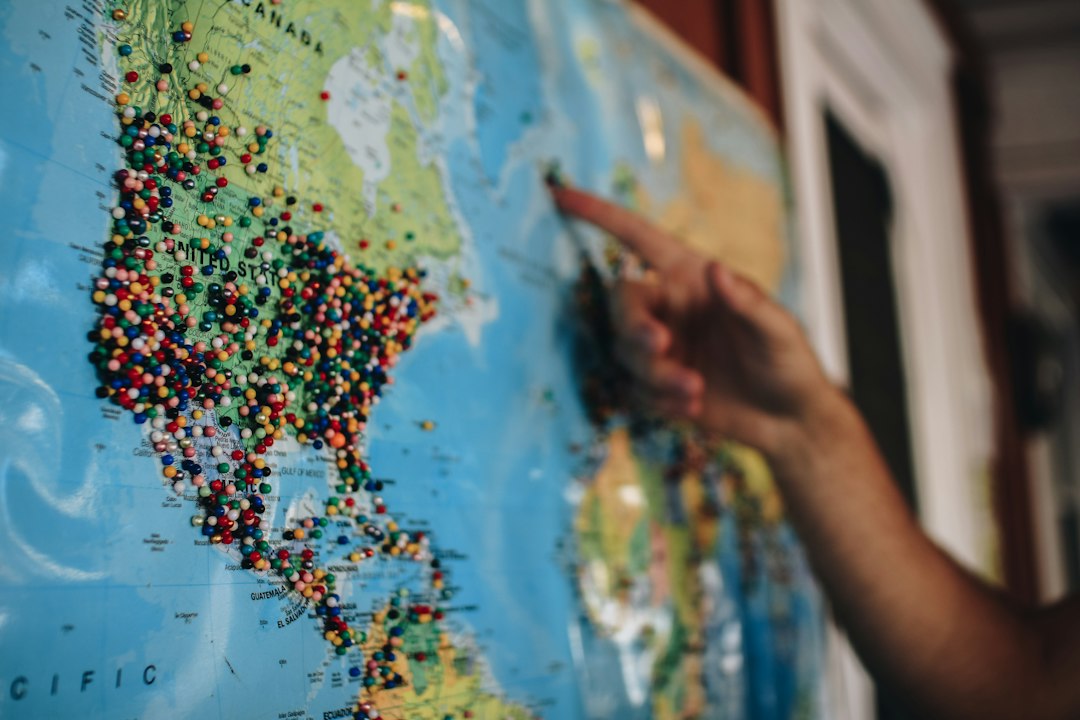
Photo by Kelsey Knight on Unsplash
The best solo travel planning tips begin before you book a flight. A solo trip is not the time to prove you can handle three border crossings, a 01:20 arrival, and a hotel 11 km from the center. Your safest first move is choosing a destination where transport is obvious, the city center is active after dark, and the first 48 hours require very few decisions.
For many travelers, that means starting with a compact city or region rather than a sprawling capital. Think of places where airport-to-center transport is direct, neighborhoods are walkable, and you can eat well without needing a reservation in a distant district. In practice, that often means staying in central zones such as Baixa or Chiado in Lisbon, Ueno in Tokyo, or Vesterbro in Copenhagen rather than chasing a bargain room far outside town.
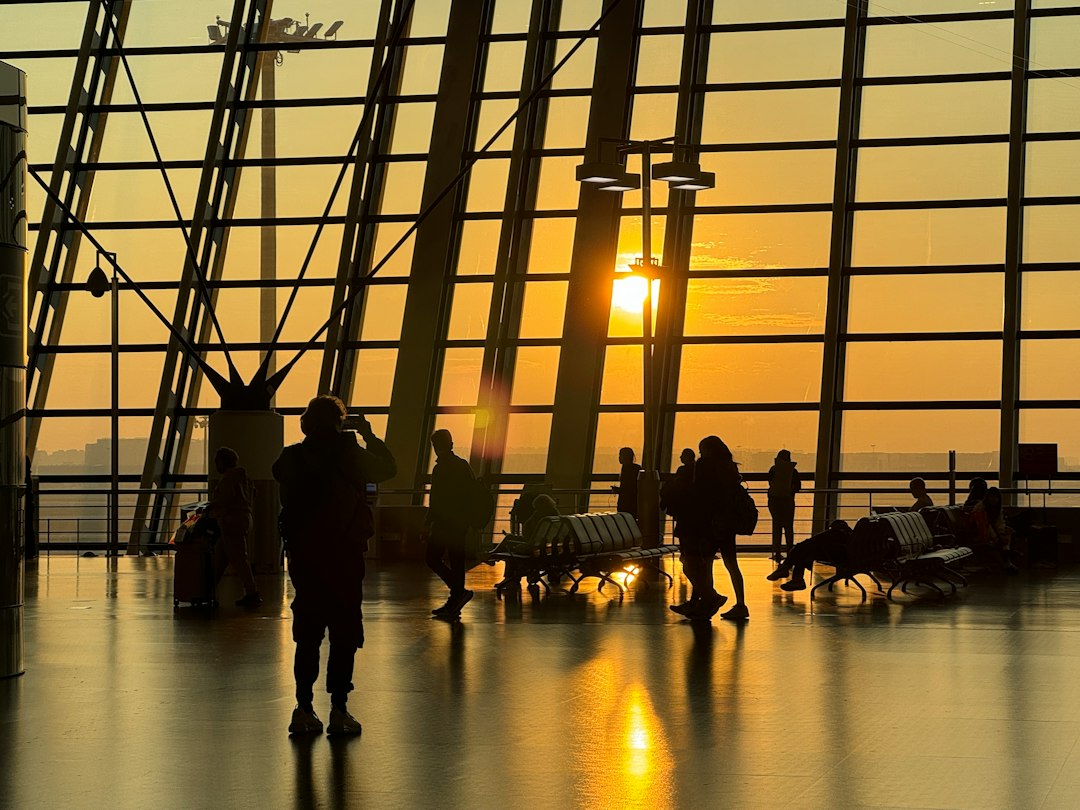
Solo travel planning tips matter most when you are choosing dates and flight times. A midday arrival usually beats a cheap late-night fare, even if the flight costs a little more. Paying an extra $40 to land at 13:00 instead of 23:40 can save a tired airport transfer, a confusing check-in, and your first anxious walk in the dark.
Before booking, check official safety and travel info here:
- Foreign travel advice for UK travelers: https://www.gov.uk/foreign-travel-advice
- Travel advisories for US travelers: https://travel.state.gov/content/travel/en/traveladvisories/traveladvisories.html/
- Emergency number 112 across most of Europe: https://europa.eu/youreurope/citizens/travel/security-and-emergencies/emergency/index_en.htm
Green flags when choosing a solo-friendly trip:
- Arrival between 10:00 and 17:00
- First stay within 600 to 900 meters of a major transit stop
- A neighborhood with cafes, pharmacies and grocery stores open into the evening
- A trip length of 3 to 5 nights if this is your first time alone
- One base instead of moving hotels every day
- A direct airport train, bus or official taxi system
Book a hotel that still works when you are tired

Photo by Anna Rosar on Unsplash
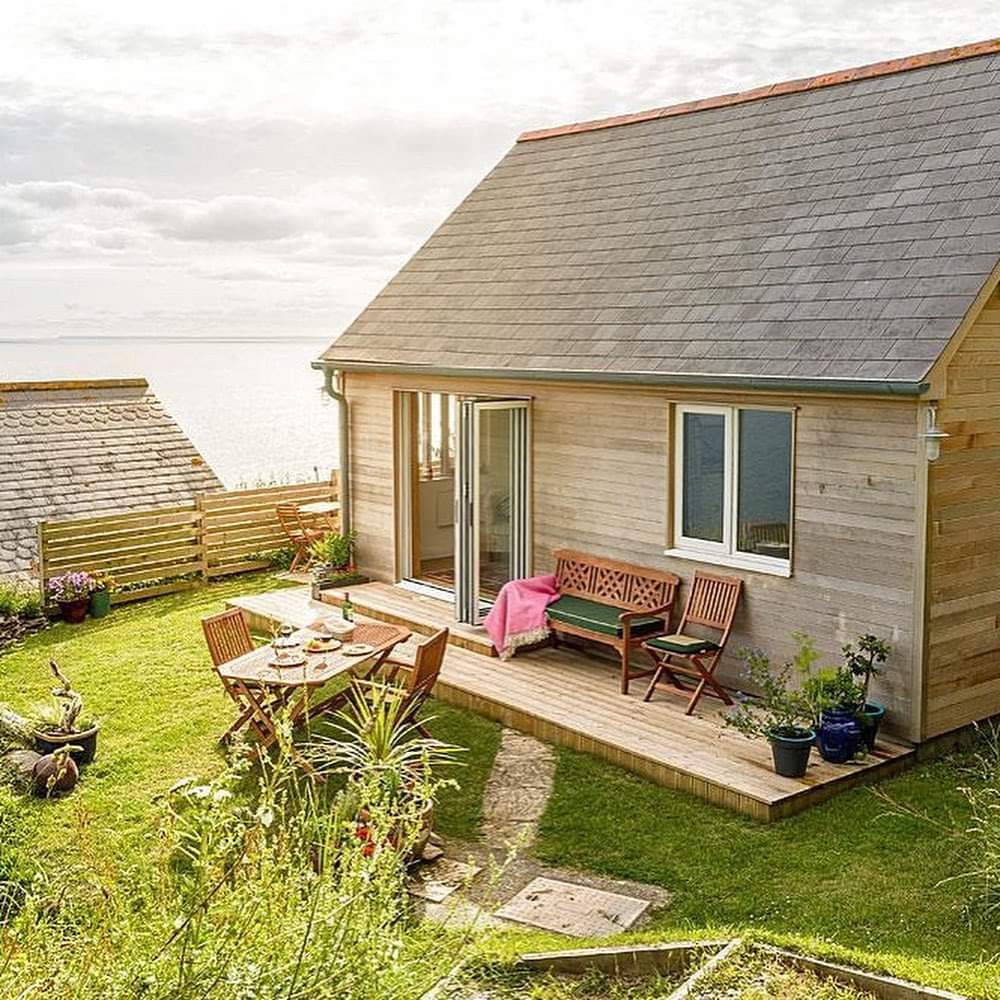
Safe solo travel is often decided by your accommodation, not your destination. A beautiful room in the wrong area can turn every dinner, museum visit and return walk into a transport problem. When you travel alone safely, convenience is not a luxury purchase; it is a risk-reduction tool.
Look for a property with staffed reception, recent reviews that mention the street after dark, and a route from transit that does not force you through empty underpasses or steep, poorly lit lanes. If a central room costs $20 to $35 more per night than one on the outskirts, do the math: two evening taxis at $12 to $18 each erase the savings fast, and you lose time and confidence every night.
I also like a simple physical rule: from your hotel entrance, you should be able to reach one cafe, one convenience store and one main road in under five minutes on foot. That tiny triangle makes late arrivals, forgotten water, and quiet evenings much easier.
Use this booking filter before you confirm:
| Booking choice | Safer bet | Why it matters |
|---|---|---|
| Check-in | 24-hour desk or guaranteed late arrival procedure | No standing outside with bags at midnight |
| Room location | Above ground floor but not at the end of an isolated corridor | Better privacy, easier access, less street noise |
| Neighborhood | Mixed-use central area, not party-only nightlife strips | More people around, fewer drunk crowds |
| Transport link | 5 to 10 minute walk from station or main bus stop | Less wandering with luggage |
| Room setup | Solid lock, peephole, curtains that fully close | Better control and sleep |
| Payment | A property that states taxes and fees clearly | Fewer check-in surprises when you are tired |
Small hotel safety habits matter too.
- Ask reception to mark the safest return route, not just the shortest one.
- Take a photo of the hotel name, street number and nearest intersection.
- Keep one key card separate from your main wallet.
- Lock your bag even inside the room if housekeeping or maintenance enters while you are out.
Build your first six hours before you fly
Photo by Ross Parmly on Unsplash
The sharpest solo travel planning tips are the ones you can use while jet-lagged. Do not land and improvise your first meal, first cash withdrawal, first route and first nighttime plan. Decide those before takeoff.
Your arrival day should be boring on purpose. You are not trying to win the city in three hours. You are trying to get connected, fed, rested and oriented before sunset. If long flights leave you fuzzy, pair this article with Long Haul Flight Routine 2026: Before, During, After and Jet Lag Prevention Checklist 2026: East vs West Fixes.
A calm first six hours usually looks like this:
- Land with your hotel address, booking confirmation and emergency contacts saved offline.
- Get mobile data immediately, whether that is a local SIM or a travel eSIM. In many countries, 5 to 10 GB for a week costs roughly $5 to $15.
- Use an official airport transfer, airport rail link or licensed taxi rank for your first ride.
- Check in, fill your water bottle, and leave the room again within 30 minutes for a short daylight walk.
- Find three nearby essentials: pharmacy, grocery store, and an easy dinner spot.
- Withdraw a small amount of cash, usually the equivalent of $40 to $80, not your entire trip budget.
- Be back in your room early enough to sleep before decision fatigue hits.
A simple way to keep that first-day sequence visible is to pin it in TravelDeck before you fly, along with your hotel address and offline notes.
Move through the city without looking stranded
Traveling alone safely is less about acting fearless and more about avoiding the body language of confusion. The most vulnerable solo moments are predictable: standing still with luggage, checking directions in the middle of the sidewalk, pulling out cash in public, or debating transport on an empty street.
When you need to stop, step into a cafe doorway, a pharmacy entrance, a hotel lobby or beside a staffed kiosk. Give yourself a private pause. You want to look like someone making a normal decision, not someone visibly lost.
This is also where solo travel safety overlaps with scam prevention. If a stranger rushes you into a ride, a tour, a bracelet, a broken ATM, or a closed-road story, slow the moment down. The fastest safety upgrade in any city is learning to pause before agreeing. This piece on Avoid Scams While Traveling in 2026: Use the 30-Second Rule fits perfectly with safe solo travel.
Use this street-level decision table when plans change:
| Situation | Safest move | Skip this |
|---|---|---|
| Phone battery below 20% at dusk | Head to your hotel or a staffed cafe to charge | Starting a long walk across unfamiliar districts |
| Last train missed | Use a licensed taxi or official night bus from a busy stop | Accepting an unofficial ride offer |
| You feel followed | Enter a busy business, hotel or restaurant and stay visible | Going back to your accommodation door immediately |
| You need directions | Ask staff inside a business or uniformed transport staff | Asking the nearest loitering stranger on a quiet street |
| ATM needed at night | Use one inside a bank branch or transport hub | Standalone ATMs on empty sidewalks |
| You feel tired or foggy | Reset with food, water and a short ride back | Pushing through because you already came this far |
A few low-drama habits make a big difference:
- Keep your phone in a front pocket or zipped crossbody, not a back pocket.
- Avoid noise-canceling headphones when walking alone at night.
- Carry only that day’s cash and one payment card outside.
- Save your accommodation under a simple label in your phone so you can pull it up fast.
- If a street suddenly feels wrong, turn around immediately. You do not need a better reason.
Go out at night without giving away control
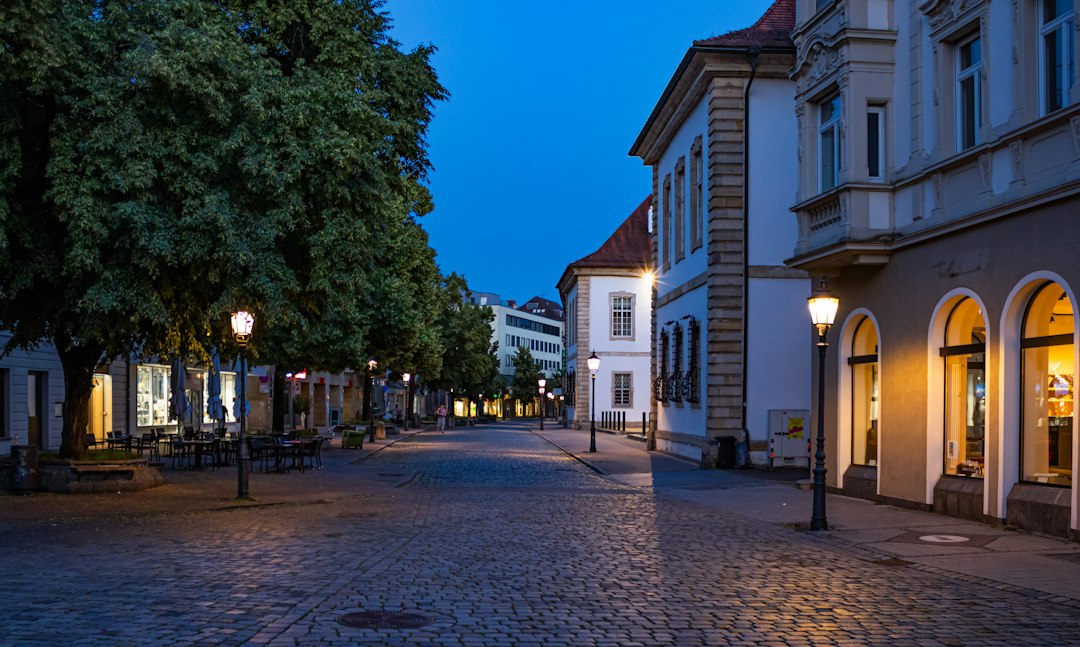
You do not need to avoid evenings to practice solo travel safety. Some of the best solo moments happen after dark: a small jazz bar, a late ramen counter, a lit-up plaza, the smell of grilled fish drifting out of a side street, a river walk that finally cools after a hot day. The goal is not staying in. The goal is keeping your choices reversible.
My favorite rule for solo nights is the 15-minute return rule. On your first evening in a new city, choose dinner, drinks or music within a 15-minute walk or one simple transit leg from your hotel. Save the distant neighborhood for night two or three, once the city feels less abstract.
Safe solo travel at night usually comes down to five decisions:
- Eat your first dinner close to where you are staying.
- Keep alcohol low enough that you can navigate home without debate.
- Sit where staff can see you, especially if you are alone in a bar.
- Book your trip back before the venue closes if transport is limited.
- Leave when your energy drops, not when the room tells you to.
If you want company, choose structured social settings over random chance. Walking tours, cooking classes, food halls, small-group tastings and hostel public events are easier to assess than accepting a vague invitation from someone you just met. Traveling alone safely still leaves plenty of room for spontaneity; it just favors public plans over private uncertainty.
Protect money, documents and your body with one backup system
The most practical solo travel planning tips are often boring enough to be skipped. That is a mistake. If you lose your main card, get dehydrated, or misplace your passport, boring systems suddenly feel brilliant.
Use a 3-2-1 setup for money and documents. Carry one card and a little cash on you, keep a backup card and emergency cash in your room, and store digital copies of passport, insurance and visa documents in a secure cloud folder plus one offline note. If you are crossing borders, add two printed copies of your passport photo page.
Your health kit should also be built for solo recovery. When nobody else is running to the pharmacy, small problems feel bigger. Pack enough of your prescriptions for the whole trip plus a few extra days, and add the basics that solve the most common travel setbacks fast.
Pack these before you leave:
- Prescription medication in original packaging
- Oral rehydration salts
- Pain relief tablets
- Blister plasters
- Antiseptic wipes
- Anti-diarrheal medication
- A few adhesive bandages
- Electrolyte tablets for hot climates or long travel days
Food and water choices matter more when you are alone because you cannot easily split the problem with a travel partner. If you want a practical routine for eating well without spending your trip in the bathroom, read Travelers' Diarrhea Prevention Tips for 2026 Market Meals. A simple first-night move is choosing a busy restaurant with high turnover, cooked-to-order food and bottled or filtered water.
FAQ
Is solo travel safe for beginners?
Yes, if you choose an easy first destination and remove complicated logistics. Start with 3 to 5 nights, arrive in daylight, stay central, and plan your first six hours before you fly. Solo travel planning tips work best when your first trip feels manageable, not heroic.
How much extra should I budget for solo safety?
In many cities, an extra $25 to $40 a day buys the biggest safety upgrades: a central hotel instead of a remote one, one official airport transfer, and the freedom to take a licensed taxi home when you are tired. That is usually better value than saving money on paper and spending it later on stress, detours and last-minute rides.
What is the safest way to arrive in a new city at night?
If you cannot avoid a late arrival, pre-plan the route in detail and use the airport’s official transport options. Save your hotel address offline, keep your phone charged above 50%, and skip any transfer that is not clearly licensed or official. Once checked in, stay local for food and keep the rest of the night simple.
Should solo travelers avoid going out after dark?
No. Most travelers can enjoy evenings safely by staying near lively, staffed places and keeping the route home easy. The key is not bravery; it is having a low-friction return plan before you order the second drink.
What is the biggest mistake solo travelers make?
Trying to save money in ways that create isolation: late arrivals, remote accommodation, too many hotel changes, and overpacked schedules. Traveling alone safely usually means paying a little more for location, simplicity and backup options.
Traveling solo does not ask you to become fearless. It asks you to become clear. Choose the hotel that shortens your walk, the route that keeps you visible, the dinner that gets you home easily, and the plan that still works when you are tired. Do that, and being alone starts to feel less like exposure and more like freedom.