Most trips do not blow up because of the flight. They blow up because of the quiet little extras: the airport train, the city tax, the second coffee, the late-night taxi when the metro has stopped. A good travel budget worksheet fixes that before you book. If you can price your trip in seven clear lines, you can tell the difference between a trip you can enjoy and one you will spend apologizing to your bank account for.
A realistic budget should feel like a map, not a punishment. You want numbers you can actually use while hearing tram bells in an old city, ordering lunch at a market counter, or deciding whether that museum ticket is worth it. That is the goal here: a plan you can build, adjust, and trust.
Start with the trip frame before you touch prices
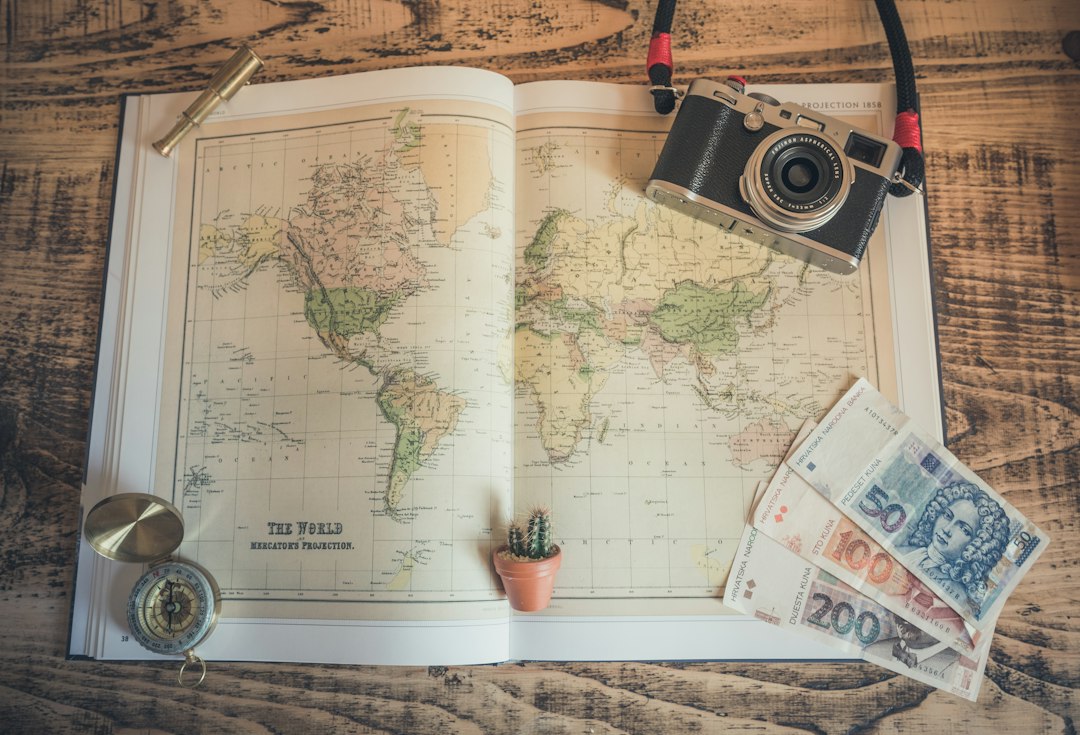
Photo by Chris Lawton on Unsplash
The fastest way to underbudget is to price a fantasy version of your trip. A beach week with shared dorms, supermarket lunches, and no nightlife costs one thing. A city break with a private room, museum passes, cocktails, and airport transfers costs another. Both are valid. They are just different trips.
Before you open notes, write a one-page trip frame. I like doing this in a notebook or on TravelDeck once the rough dates are set, because it keeps every decision tied to the same plan instead of scattered across tabs and screenshots.
Write down these six decisions first:
- Destination and exact travel month
- Number of nights, not just days
- Number of travelers and whether costs are shared
- Trip style: shoestring, comfortable budget, or mid-range
- Three must-do expenses you will not skip
- Maximum all-in number you can pay without stress
That last line matters most. If your true ceiling is $1,200, do not build a $1,450 plan and hope discipline will save you later. A realistic travel budget starts with honesty, not optimism.
Use this 7-line travel budget worksheet
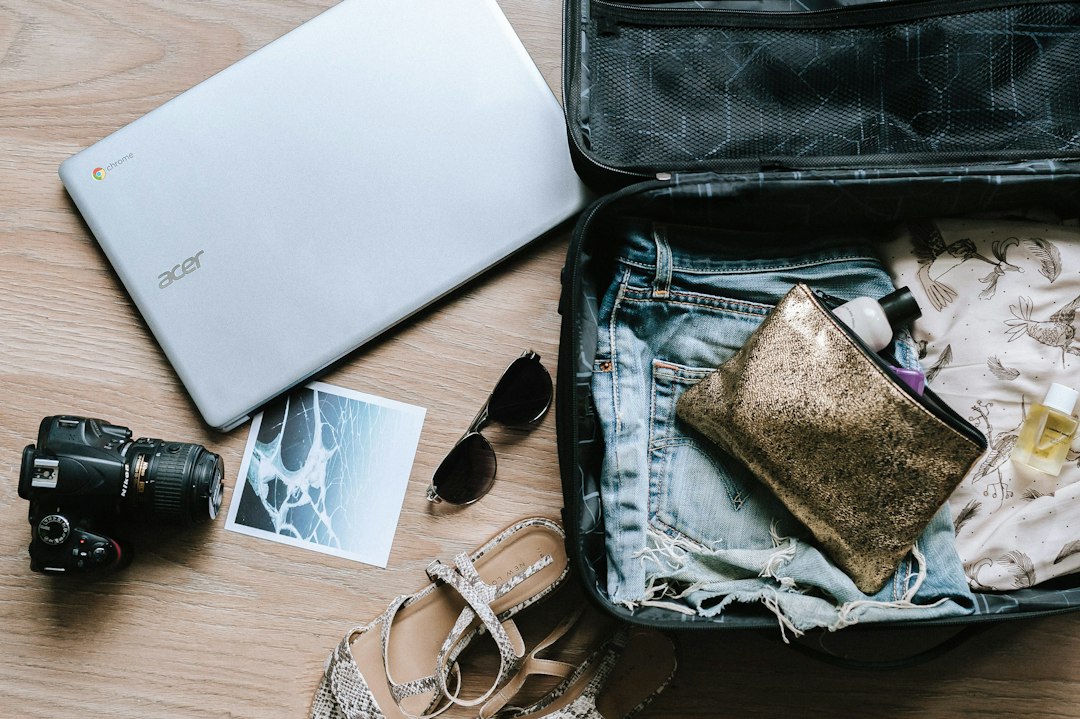
Photo by Anete Lūsiņa on Unsplash
Once the frame is clear, build the whole trip on one page. This is the travel budget worksheet I use because it forces every cost into a category you can check in minutes.
The trick is simple: separate fixed costs from daily costs. Fixed costs are booked once. Daily costs keep leaking money after you land. When travelers mix the two together, the trip always looks cheaper than it is.
| Line | Category | How to calculate | Example |
|---|---|---|---|
| 1 | Long-distance transport | Flight or train plus baggage and seat fees | $420 flight + $70 baggage |
| 2 | Accommodation | Nightly rate x nights, then add taxes | $95 x 5 nights + $35 tax |
| 3 | Local transport | Airport transfer + daily buses, metro, fuel, parking | $12 airport train + $8 per day |
| 4 | Food and drink | Daily average x days | $35 per day x 6 |
| 5 | Activities | Must-do tickets, tours, passes | $18 museum + $40 boat trip |
| 6 | Pre-trip admin | Passport, visa, insurance, gear, pet sitting | $24 insurance + $16 eSIM |
| 7 | Buffer | 10 to 15 percent of lines 1 to 6 | $110 reserve |
Add the seven lines together and you have your trip cost breakdown. That is your real number.
If you are still deciding where your money stretches furthest, compare destination costs before you fall in love with a route. Our guide to Budget Travel Countries 2026: 7 Real Two-Week Costs is useful at this stage because it shows how daily travel budget ranges change by country, not just by your habits.
How to price each category without fantasy math
Photo by Giorgio Tomassetti on Unsplash
The danger zone is not forgetting categories. It is using unrealistically low numbers inside them. A nightly room rate without taxes is not your stay cost. The cheapest menu item on a map is not your food budget. The last fare you saw six months ago is not your flight price.
The fix is to use rules of thumb that match how you actually travel. Give each line a number based on the version of yourself who will be tired, hungry, and tempted by convenience.
Long-distance transport
Air and rail costs are often the first number people check, but rarely the final number they pay. The polished headline fare can turn into something else once bags, seats, airport buses, and card fees appear.
Use this checklist when pricing transport:
- Add one bag cost if you know you will not travel with a personal item only
- Add seat selection if it matters to you on longer journeys
- Add the journey to and from the airport or station at home and at the destination
- If you land late, price one realistic late-night transfer, not the cheapest daytime option
- Build around the fare you can book now, not the lowest fare you once saw
Accommodation
The smell of fresh sheets and strong lobby coffee is wonderful, but budget math usually fails here. The room rate is only part of the stay cost. City tax, resort fees, breakfast, laundry, and location can change the total fast.
When you price accommodation, do this:
- Multiply the nightly rate by every night, including the awkward Sunday or holiday rate
- Add mandatory taxes and fees
- Check whether breakfast is included or whether you will buy it daily
- Add transport costs from a cheaper outer neighborhood if that is where you stay
- If you are splitting costs, divide only after you have added every fee
Food and drink
This is where the travel day becomes real: flaky pastry at a station, noodles under fluorescent market lights, cold water bought because it is hotter than expected, one glass of wine that turns into two. A daily travel budget should leave room for those moments.
A practical food method is:
- Budget one cheap meal, one mid-priced meal, and one snack or coffee per day
- Add more for destinations where water, alcohol, or coffee are expensive
- Add less only if your accommodation includes breakfast or a kitchen you will actually use
- Build one splurge meal into the trip instead of pretending you will not want one
A useful starting point for a comfortable budget is:
- Low-cost destinations: $20 to $35 per day
- Mid-range destinations: $35 to $60 per day
- Higher-cost destinations: $60 to $90 per day
Activities and pre-trip admin
This is the line many travelers forget until the last minute. Then a trip that looked manageable suddenly needs a visa, a museum pass, insurance, and a locker fee.
Before locking your numbers, check official sources for the basics:
- U.S. passport fees: travel.state.gov/content/travel/en/passports/how-apply/fees.html
- UK travel advice by country: gov.uk/foreign-travel-advice
- Europe entry rules and ETIAS updates: travel-europe.europa.eu/etias_en
Also price travel insurance. Skipping it can make a cheap trip very expensive very quickly. If you use points or fee-free cards to reduce some costs, read Travel Credit Card Starter Plan for 2026: Spend Less, Fly More before you count those savings into your plan.
Build a daily travel budget that survives real life
A travel budget worksheet is strongest when it includes a daily burn rate. This is the number you can glance at over breakfast and still understand by dinner. It stops the classic problem of feeling rich on day one and broke on day four.
Picture three common travel moods. In one, you are eating street food under warm evening air and taking local buses. In another, you are in a handsome European center with café breakfasts, museum stops, and the odd taxi. In the third, you are in a famously pricey city where even sandwiches and train rides nibble at your total. Your daily travel budget should match the mood of the place.
| Destination type | Stay per day | Food per day | Local transport per day | Fun per day | Realistic daily total |
|---|---|---|---|---|---|
| Low-cost | $20 to $45 | $20 to $35 | $3 to $10 | $10 to $25 | $53 to $115 |
| Mid-range | $50 to $110 | $35 to $60 | $5 to $15 | $15 to $40 | $105 to $225 |
| Higher-cost | $110 to $220 | $60 to $90 | $8 to $25 | $20 to $60 | $198 to $395 |
Then add a buffer of 10 percent for tightly planned trips and 15 percent for looser ones. If you are moving between cities, changing hotels, or landing at odd hours, lean toward 15 percent. Those are the trips where small extra costs multiply quietly.
A realistic sample budget: 5 nights in Krakow
Let us make this concrete. Imagine a solo traveler going from London to Krakow in October 2026. The air is cool enough for a jacket at night, church towers glow at dusk, and the streets around Kazimierz hum with conversation after dark. It is a fantastic city for budget-conscious travelers, but only if you price it realistically instead of chasing the cheapest possible version.
Here is a comfortable budget, not a bare-bones one. It includes a private room, proper meals, public transport, and a few paid sights.
- Return flight: £118
- Cabin bag and seat fees: £34
- Five nights in a simple hotel in Kazimierz at £76 per night including tax: £380
- Airport train plus city trams and buses: £24
- Food and coffee at about £31 per day: £155
- Activities: Wawel ticket £9, Schindler's Factory £7, salt mine day trip by bus and entry £38, evening drinks and extras £26: £80
- Travel insurance: £22
- eSIM or roaming top-up: £12
- Buffer at roughly 12 percent: £99
Total estimated trip cost: £924
That number is much more useful than a vague claim that Krakow is cheap. It tells you what to save and whether the trip fits your life. If your departure is seven months away, you need about £132 per month. If that feels tight, shorten the trip to four nights, travel with a friend and split the room, or remove one paid day trip. Do not slash the food line and hope hunger will become personality.
For current city pricing, museum schedules, and transport ideas, cross-check official local information at krakow.travel/en before you book.
The mistakes that make budgets useless
A bad budget is worse than no budget because it gives false confidence. The most expensive travel mistakes are usually small enough to sound harmless when you make them.
Watch for these common misses:
- Pricing only the flight and hotel, then forgetting airport transfers, baggage, and taxes
- Using a weekday room rate for a weekend-heavy trip
- Assuming you will cook every meal when you know you will be out all day
- Forgetting visas, passport renewals, insurance, or phone data
- Budgeting zero for convenience spending like lockers, laundry, water, or one taxi after midnight
- Ignoring bank and foreign transaction fees
- Leaving no buffer for weather changes, schedule shifts, or a place you discover and genuinely want to enter
A realistic travel budget should feel slightly conservative. That is a good sign. If you come home under budget, great. If your plan is too fragile to survive one rainy afternoon and one expensive coffee street, it was never realistic.
FAQ
How much buffer should I add to a travel budget?
For most trips, add 10 to 15 percent on top of your calculated total. Use 10 percent for simple trips with one base and prebooked transport. Use 15 percent if you have multiple stops, late arrivals, or destinations where weather and taxis can change your spending quickly.
Should I budget per day or per trip?
Do both. Your full trip cost breakdown helps you decide whether to book. Your daily travel budget helps you control spending once you are there. Fixed costs answer can I afford this trip, while the daily number answers can I afford today the way I am traveling.
What is a realistic food budget for travel?
For a comfortable budget, start at $20 to $35 a day in lower-cost destinations, $35 to $60 in mid-range destinations, and $60 to $90 in higher-cost cities. If breakfast is included, reduce slightly. If you care about coffee, cocktails, or one special meal, leave the number alone.
Is it better to set the budget first or choose the destination first?
Either can work, but you need a fixed ceiling before booking. If the destination is flexible, start with the amount you can truly spend. If the destination is fixed, price it honestly and be ready to trim nights, season, or hotel standard.
How early should I build a travel budget worksheet?
Build the first version as soon as you know the month and trip length. That gives you time to compare seasons, set a savings target, and spot the expensive lines early. A rough budget made three months early is more helpful than a perfect one made the night before booking.
The best budgets do not make travel feel smaller. They make it calmer. When your numbers are grounded in real nights, real meals, and real movement through a place, you can enjoy the glow of the station hall, the museum staircase, the market lunch, and the final day coffee without wondering what each choice is secretly costing you.