Most travelers do not need a luxury card with a huge annual fee to start saving on flights. A smart travel credit card starter plan can turn supermarket runs, train tickets, and restaurant bills into one or two meaningful trips a year — but only if you choose the right card, earn the bonus without overspending, and redeem points only when the math works.
The trick is simple: treat points like cash with rules. If a card saves you from paying for a spring flight to Lisbon, a storm-delay airport hotel, or a pricey school-break ticket home, it is doing real travel work. If it mainly tempts you into chasing lounge photos and credits you never use, it is just an expensive hobby.
The best travel credit cards for budget travelers are not the flashiest
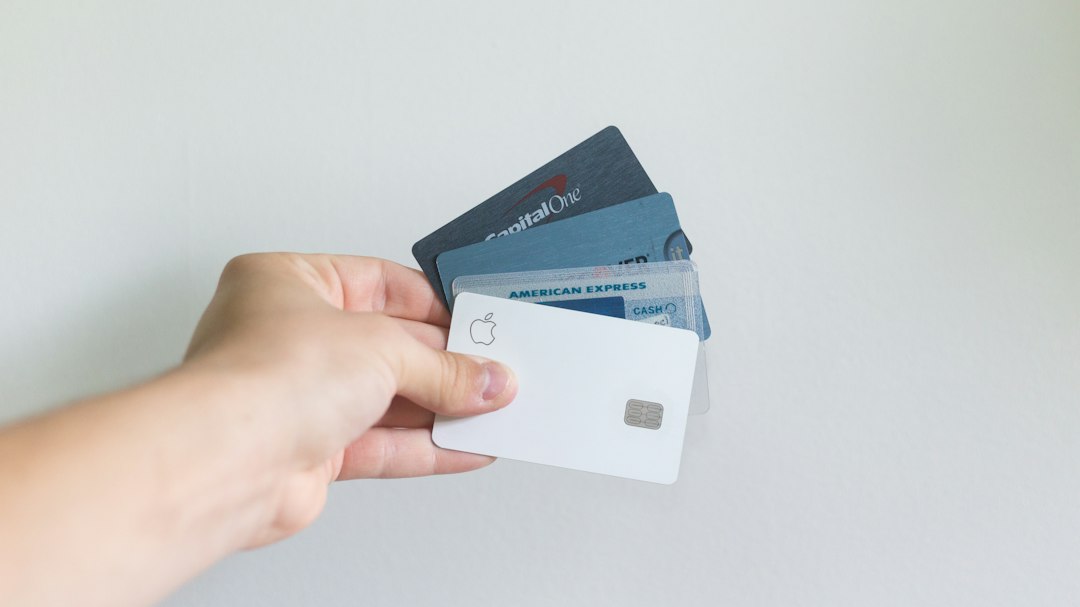
Photo by Avery Evans on Unsplash
The best travel credit cards for a budget traveler are usually the ones that do one of three things well: earn flexible points, give a strong welcome bonus at a manageable spending target, or cut real travel costs such as bags, hotels, and airport nights. That is why a $95 card can beat a $795 card for most people.
Picture the typical travel day: an early alarm, a paper cup of airport coffee, a bag that may or may not need checking, and the sinking feeling when a cash fare jumps overnight. In that moment, perks matter only if you actually use them. A travel credit card starter plan should start with value you can see on your statement, not theoretical luxury.
Offers and fees change often, so always confirm current terms before applying. As a late-2026 snapshot, these cards are the most useful starting points for budget-conscious travelers.
| Card | Annual fee | Best for | Real budget win |
|---|---|---|---|
| Chase Sapphire Preferred | $95 | First flexible-points card | One well-used flight redemption can wipe out the fee |
| Capital One Venture X | $395 | Frequent traveler who will use credits | A $300 annual travel credit plus anniversary miles can offset most of the fee |
| Chase Freedom Unlimited | $0 | Everyday spending alongside a travel card | Strong earning on daily purchases without another fee |
| United Quest | $350 | Travelers who regularly fly United | Credits, bag savings, and award discounts can beat the fee if you fly the airline several times a year |
| Hilton Honors Surpass | $150 | Travelers who stay with Hilton a few times a year | Hilton credits and Gold status perks can pay back quickly |
For most beginners, the most sensible first step is still a flexible-points card with a modest fee. It leaves you free to book flights, hotel nights, or transfers to airline partners instead of locking all your value inside one brand.
Build a travel credit card starter plan around your real spending
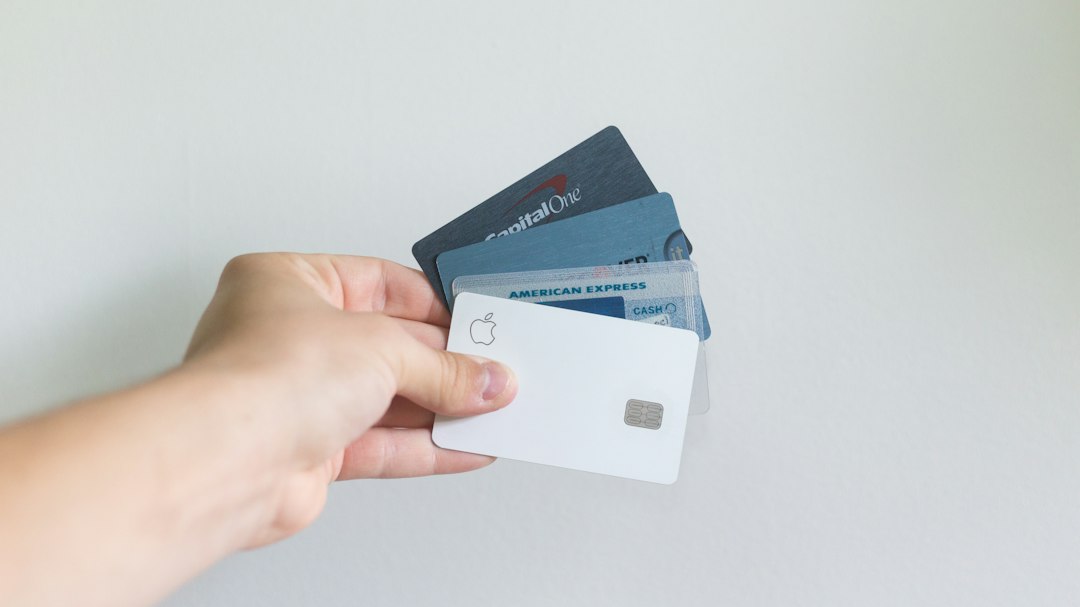
Photo by Avery Evans on Unsplash
A good travel credit card starter plan begins at home, not at the airport. Before you compare bonuses, check your last three months of spending. The right card is the one whose bonus you can hit with normal life: groceries, dining, transit, insurance, utilities, and already-planned travel.
Your home airport matters too. If you live near a major United hub, an airline card may save more than a generic travel card. If you bounce between airlines depending on price, flexible points are usually better. And if your trips are mostly city breaks and shoulder-season flights, low annual fees matter more than lounge access.
Use this checklist before you apply:
- Set your annual-fee ceiling first. For many starters, that means $0 to $95.
- Check whether the card charges foreign transaction fees. For travel, the best answer is $0.
- Compare the required spend for the welcome bonus with your real monthly budget.
- Decide whether you value flexibility or loyalty more: transferable points versus one airline or hotel program.
- Look at your likely savings, not just the headline bonus: free bag, hotel credit, travel insurance, or better redemption options.
- Be honest about your pace. Two trips a year calls for a very different wallet from monthly flying.
A few official pages are worth checking before you commit:
- Consumer Financial Protection Bureau credit card basics
- Chase Sapphire Preferred official card page
- Capital One Venture X official card page
- United MileagePlus official program page
- Hilton Honors official program page
How to earn the welcome bonus without blowing your budget
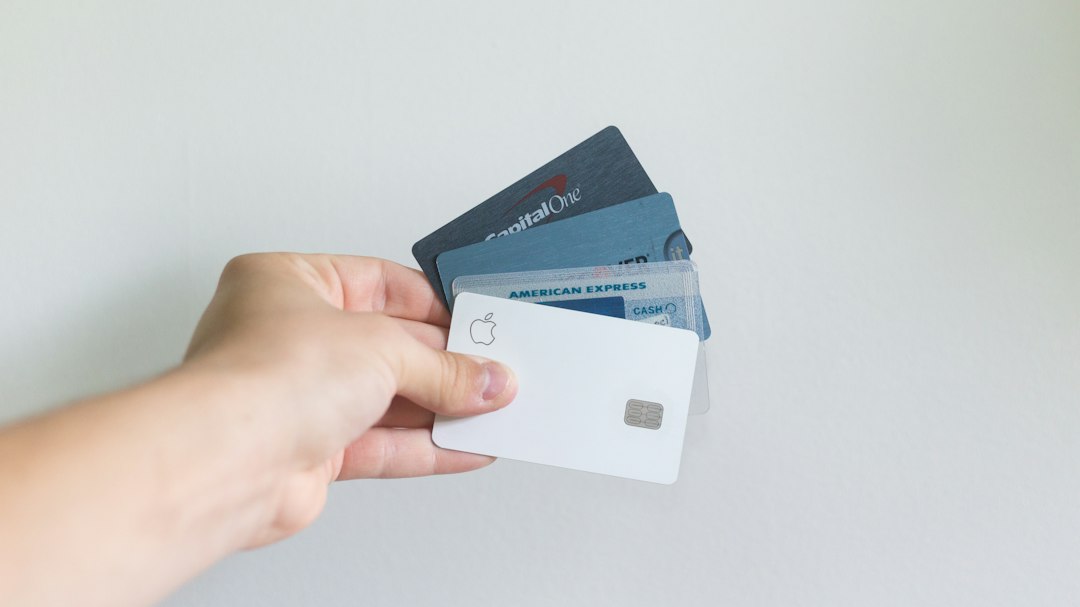
Photo by Avery Evans on Unsplash
This is where many travelers get the whole game backward. They see a 75,000-point bonus, then spend recklessly to reach it. That turns a money-saving tool into a debt trap fast.
Run the math first. If a card requires $5,000 in spending in three months, that means about $1,667 per month. If your normal spend is only $1,050 per month, the bonus is too aggressive right now unless you already have planned expenses coming up. The cleanest travel credit card starter plan is one where the bonus lands from spending you were going to do anyway.
Good ways to hit a minimum spend:
- Put annual insurance premiums on the card.
- Prepay trains, ferries, or flights you already know you need.
- Cover a family medical bill or home repair and get reimbursed.
- Pay utilities, phone bills, and subscriptions from the new card for three months.
- Buy supermarket or fuel gift cards only for places you genuinely use every week.
Bad ways to hit a minimum spend:
- Booking a trip you cannot afford just because the bonus feels close.
- Paying rent with a roughly 3 percent fee unless the bonus value clearly beats that fee.
- Buying electronics or fashion items you were not planning to buy.
- Carrying a balance. Interest destroys the value of points.
If you are new to this, space applications out. One card done well beats three cards managed badly. The goal is not to collect plastic; it is to fund real travel.
How to use points well: cash, portal, or transfer
Earning points is the easy part. Using them well is where travelers either save hundreds or quietly burn value. The basic formula is simple: subtract the taxes and fees on the award from the cash price, then divide by the number of points required. That gives you your cents per point.
For a beginner, a good rule is this: flexible points are usually worth using when you are getting at least 1.25 cents per point, and they are clearly strong at 1.5 cents or more. Below that, paying cash is often smarter, especially on cheap regional flights where you would rather earn more points on the purchase.
Use these rules before every redemption:
- If a cash fare is cheap, usually under about $250 to $300, compare carefully before spending points.
- If fares spike during holidays or school breaks, points often become far more valuable.
- Never transfer points until you have checked live availability. Transfers are usually one-way.
- Watch taxes and surcharges. A points ticket is not free if the fees are painful.
- Save flexible points for flights or hotels that would genuinely strain your cash budget.
Here is what that looks like in practice:
| Trip idea | Cash price | Points option | Value call |
|---|---|---|---|
| Cheap domestic round trip | $118 | 9,500 points + $6 | Usually pay cash; value is only about 1.18 cents per point |
| Holiday-week family visit | $486 | 22,000 points + $11 | Strong redemption at about 2.16 cents per point |
| Shoulder-season Europe economy flight | $684 | 34,000 points + $62 | Good transfer use at about 1.83 cents per point |
| Airport hotel after a late arrival | $189 | 15,120 points through a portal | Fine if cash is tight; about 1.25 cents per point |
| Big-city hotel on a normal weekend | $310 | 50,000 hotel points | Weak value at about 0.62 cents per point |
This is where planning matters. If you track cash fares beside award options in a planner like TravelDeck, the sweet spots become obvious: spend points on the expensive travel dates, and keep cash for the cheap ones.
Best ways to use points for budget travel in 2026
The best points redemption is rarely the fanciest. For a budget traveler, the real wins are often boring, useful, and extremely satisfying: getting home for Christmas without paying peak fares, avoiding a last-minute airport hotel bill, or turning a low-cost destination into a nearly free trip.
That is why flexible points pair so well with ground-cheap destinations. If your flights are covered and your daily spend is low once you land, the whole trip suddenly becomes realistic. That is exactly the kind of math that makes places from Budget Travel Countries 2026: 7 Real Two-Week Costs feel even more accessible.
These are the redemptions budget travelers should watch first:
- Long-haul economy during shoulder season, when cash fares are stubbornly high but award space still appears.
- Flights during school breaks, bank-holiday weekends, and other peak windows when cash prices surge. If you travel with kids, this matters even more; timing ideas in School Holiday Ideas 2026: Best Trips by Calendar Window can help you spot those expensive windows early.
- One-way flights home for weddings, family events, or work trips, where a cash fare would hurt.
- Positioning flights and airport hotels before an early long-haul departure.
- Hotel free-night certificates on Fridays and Saturdays in expensive cities.
- Airline-card perks when you always check bags. At a common bag fee of around $35 each way, even two round trips can save about $140 per traveler.
One more tip: do not waste points on an overnight flight if the schedule is awful. Sometimes the cheaper redemption lands you exhausted at dawn with no room ready and a full day ahead. If you are booking a long overnight route, the rhythm of the trip still matters, which is why Long Haul Flight Routine 2026: Before, During, After is worth revisiting alongside your points math.
A one-year travel credit card starter plan with real numbers
Here is a realistic example for a traveler who takes two big trips and a couple of domestic weekends each year. Assume they open a Chase Sapphire Preferred in January, meet the $5,000 minimum spend in three months, then keep using it for travel and dining. They later add a no-fee Chase Freedom Unlimited for catch-all spending.
Monthly budget:
- Dining and takeout: $500
- Trains, rides, flights, and other travel: $200
- Other daily spending: $700
- Total: $1,400 per month
Possible first-year points haul:
- Welcome bonus: 75,000 points
- First three months of spending on the Sapphire Preferred: about 7,800 points
- Remaining nine months with dining and travel on Sapphire Preferred: about 17,100 points
- Remaining nine months of general spending on Freedom Unlimited: about 9,450 points
- Total for the year: roughly 109,350 points
What that could buy at sensible values:
- Boston to Lisbon in March: 34,000 points + about $62 in taxes instead of a $684 cash fare
- Thanksgiving domestic round trip: 22,000 points + about $11 instead of a $486 fare
- One airport hotel night through the card portal: 15,120 points instead of $189
Cash value used in that example:
- Travel received: $1,359
- Taxes paid on awards: about $73
- Annual fees paid: $95
- Net value before counting leftover points: about $1,191
- Points still left after those redemptions: about 38,230
That is why a travel credit card starter plan works best when it is tied to real trips. You are not collecting abstract numbers. You are lowering the cost of dates and routes that would otherwise stop you from going.
FAQ
What credit score do you usually need for a travel rewards card?
Many good travel cards target applicants with good to excellent credit. In practice, that often means roughly the high 600s to mid 700s and above, though issuers look at income, debt, and recent applications too. If your credit is still building, start slower with a no-fee card and spotless repayment.
Should beginners choose cash back or points?
If you take one or two trips a year and hate complexity, cash back is perfectly fine. But if you are willing to learn a few basic rules, flexible points often go further than cash back on expensive travel dates. The sweet spot for beginners is usually one flexible travel card plus one no-fee everyday card.
When should I transfer points to an airline or hotel?
Transfer only when the award you want is available and the value beats your cash option. Do not transfer speculatively because you saw a headline bonus or dreamed about a future trip. Once moved, those points usually cannot come back.
Are premium travel cards worth it for budget travelers?
Sometimes, but only when the credits are easy and automatic. A Venture X can make sense if you will use the annual travel credit and value the anniversary miles. An ultra-premium card with a fee near $795 or $895 usually makes less sense until you are traveling often enough to use nearly every benefit.
Is booking through a card portal always worse than transferring points?
No. Portals can be excellent for cheap hotels, simple domestic flights, and dates with poor award availability. Transfers usually win when cash fares are high, especially on international flights, but the portal can still be the cleaner choice when the math is close.
Points are best when they erase friction, not when they create it. If your card helps you book the trip you almost talked yourself out of, or softens the cost of the awkward, expensive bits of travel, then you are using the system exactly right.