A seven-night school break rarely gives you seven usable holiday days. Once you count airport transfers, late check-ins, tired-kid recovery time and the last-day scramble, many families really get five good days. That is why the best school holiday ideas start with the calendar, not the dream photo: match the break length to the flight time, weather and how much moving around your family can actually enjoy.
If you plan that way, school holiday ideas become much easier to judge. A February half-term can be warm enough for a pool in Tenerife, an Easter break can stretch to Cyprus or Florida, and a summer holiday can finally justify the bigger memory-trip. The trick is not just where to go, but when that destination makes sense.
The fastest way to choose school holiday ideas: plan by break length
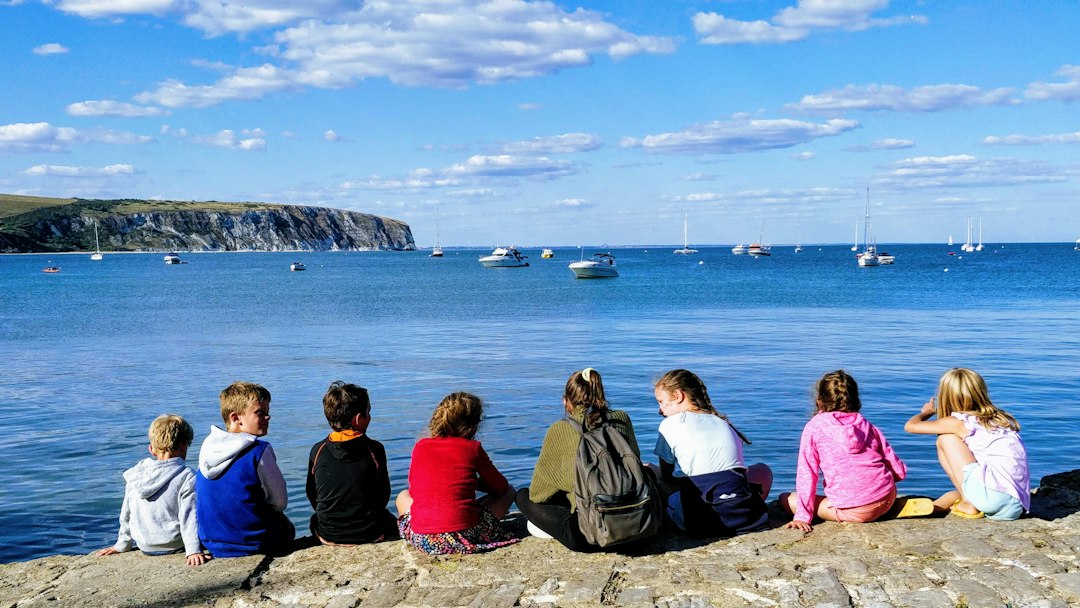
Photo by Josh Mills on Unsplash
The simplest rule is this: short break, short flight; long break, bigger ambition. Families often overspend because they try to force a bucket-list itinerary into a six-night window. If you only have a week, every extra airport, ferry or hotel change steals time you already paid for.
Use this table as a first filter. The prices below are realistic ranges for a family of four from the UK, including flights and mid-range accommodation booked at sensible notice, not last-minute peak fares.
| School break | Best trip style | Smart destination | Typical travel time from London | Realistic total cost |
|---|---|---|---|---|
| February half-term | Winter sun | Tenerife | 4.5 hours | £1,800-£3,200 for 7 nights |
| Easter | Early beach plus sightseeing | Cyprus | 4.5 hours | £2,200-£3,800 for 7-10 nights |
| May half-term | Warm Mediterranean week | Kos or Crete | 4-4.5 hours | £2,200-£3,900 for 7 nights |
| Summer | Big family holiday | Lake Garda | 2 hours flight plus transfer | £3,200-£5,500 for 10 nights |
| October half-term | Last reliable sun | Algarve | 2 hours 50 minutes | £2,300-£4,200 for 7 nights |
| Christmas | Snow-and-wow trip | Finnish Lapland | 3.5-4.5 hours | £5,000-£9,000 for 4-5 nights |
A useful planning shortcut is the 3/5/10 rule:
- Up to 3 full days: stay in the UK or take a very short flight.
- Around 5 full days: choose one base in Europe or the Canaries.
- 10 full days or more: long-haul starts to make sense.
If fares are already painful, keep a parallel no-fly option open. A well-timed cottage, lodge or coastal apartment can beat an overpriced flight week, especially if you pivot early to something from UK Staycation Destinations 2026: A No-Regret Holiday Plan.
February and Easter school holiday destinations that waste the least time

Photo by Nadiia Shuran on Unsplash
For February half-term, the best school holiday ideas are the ones that change the season fast. You want a slap of sunshine on your face, not a complicated journey followed by three grey days. Tenerife works because you can land in under five hours and often get temperatures around 20-22C. Stay in the south if your priority is pool weather, and choose a resort with a heated pool rather than assuming the sea will do the job.
Dubai also works well in February because the weather is easy, the time difference is manageable and you can mix beach hours with low-effort sightseeing. Think old souks in the morning, a lazy lunch indoors when the heat rises, then an evening fountain show with children still awake enough to enjoy it. For official planning details, opening times and area guides, use Visit Dubai.
Easter gives you more freedom. Cyprus is one of the smartest school holiday ideas for families who want sun without a long-haul flight. Wildflowers are still out, archaeological sites are open, and beach towns have enough life without peak-August intensity. Start with Visit Cyprus if you want to compare regions.
Florida is different: thrilling, expensive, and only worth it if you can give it at least 10-14 nights. For a one-week Easter break, it is usually too much airport for too little holiday.
When you are choosing between February and Easter options, book these three things first:
- The room setup: one room, family suite or apartment.
- The transfer: keep it under 60-90 minutes after landing.
- One headline activity: a boat trip, water park or ruins day, not five.
That last point matters. Children remember the dolphin boat, the castle, the hotel slide and the ice cream on the marina. They do not need a military-grade schedule.
May and October half-term holiday ideas for better weather and lighter crowds
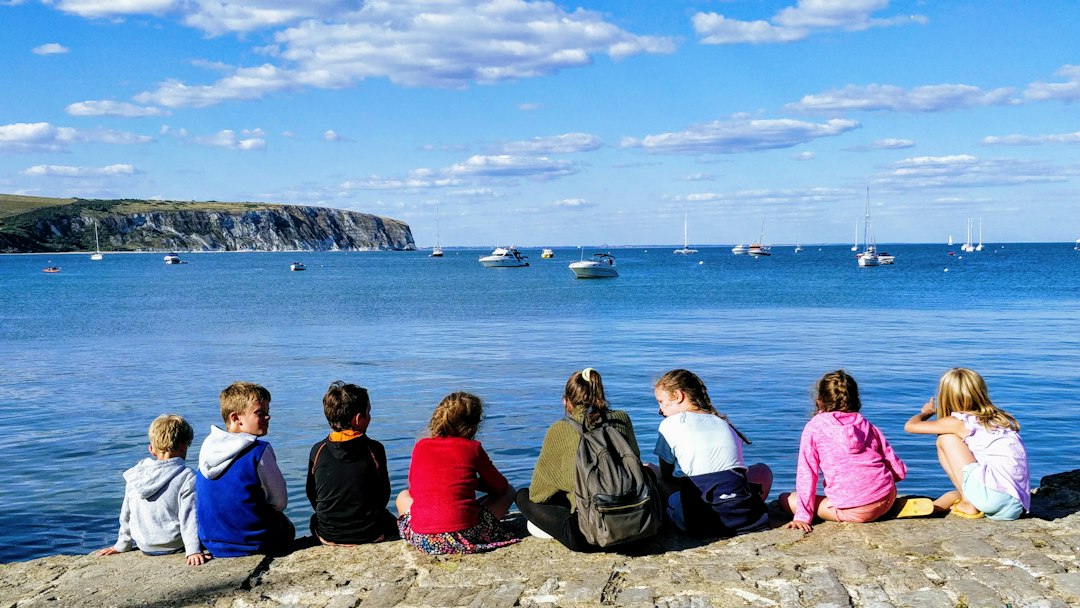
Photo by Josh Mills on Unsplash
May and October are the sweet spots many parents miss. Sea temperatures are not always perfect, but the crowds are thinner, the roads calmer and the light feels softer. These are the school holiday ideas that reward families who want a holiday, not a queue.
For May half-term, the eastern Mediterranean is hard to beat. Kos and Crete are warm enough for beach afternoons, yet cool enough for old-town wandering and long lunches outside. In Kos, a bike ride along the seafront and a lazy dinner near the harbour can feel blissfully easy with children. In Crete, you can mix one resort base with a day in Chania, where Venetian buildings glow honey-coloured in the evening. Start with Visit Greece for regional planning.
Turkey's southwest coast is another smart May pick, especially if you value resort infrastructure. Family rooms are often larger than elsewhere in the Med, and many properties do all-inclusive without feeling chaotic.
October half-term is different. You are chasing a final dose of warmth before winter, so keep your bets practical. The Algarve is reliable, scenic and flexible: surf schools for teens, boardwalks for buggy naps, fish grills and whitewashed lanes for everyone else. The western Algarve feels windier and wilder; central Algarve is easier for shorter transfers. The official destination site at Visit Portugal is useful for festivals and regional transport.
Choose by family style, not by hype:
- Preschoolers: shortest airport transfer wins.
- Primary-school kids: pool, beach and one easy excursion is enough.
- Teens: choose somewhere with independence-friendly promenades, water sports or cycling.
- Mixed ages: apartment or villa space often matters more than destination prestige.
Summer school holiday destinations that earn the longer break
Summer is when bigger school holiday ideas finally make sense. You have the daylight, enough nights to settle in and more tolerance for a travel day that leads somewhere special. This is the time to decide whether you want one beautiful base or a memory trip with a bit more motion.
Lake Garda is one of the easiest wins for families who want variety without constant unpacking. Ferries connect towns, beaches and lakeside promenades break up sightseeing, and you can add Verona or even a single Venice day if your children have the stamina. Mornings smell of espresso and warm pastry; afternoons drift between pebble beaches, castle views and gelato queues. If you stay on the south or east side, logistics are easier.
Croatia suits families who like clear water and old-stone towns but do not want to drive every day. The best strategy is not to island-hop wildly. Pick one mainland base such as Split or Dubrovnik area, then add one island or peninsula at most. Too many ferries can make a summer holiday feel like admin.
If you want the bigger epic, Canada delivers. The Rockies are a genuine wow-trip for children old enough to enjoy scenic drives, canoe lakes and wildlife spotting. But only do it if you can spare at least 10 nights and accept that some of the joy comes from the road itself. The official planning site for park passes and alerts is Parks Canada.
For any overnight or long-haul flight, treat the travel day as part of the trip, not dead time. This is where routines help, especially with jet lag and airport pacing, and Long Haul Flight Routine 2026: Before, During, After is worth reading before you lock anything in.
How to plan family school holiday travel without overspending
Peak school-week pricing is brutal because you are competing for the same dates as everyone else. The answer is not only hunting for cheap destinations. It is building three versions of the same trip before you book anything: your ideal plan, your cheaper backup and your no-fly fallback. If one jumps in price, you move quickly instead of panic-booking.
I also like to separate costs into two buckets: fixed before departure and flexible on the ground. Flights, accommodation, car hire and insurance belong in the first bucket. Restaurants, extra excursions and impulse treats belong in the second. Families usually underestimate the first-night taxi, the airport meal, the extra checked bag and the two expensive coffees bought while someone looks for passports.
Use this planning timeline:
- 9-10 months before summer or Christmas
- Count usable days, not just nights.
- Shortlist three destinations with one backup close to home.
- 6-8 months before travel
- For February, Easter and May half-term, 4-6 months is usually the sensible window.
- If you like seeing dates, routing and daily ideas in one place, TravelDeck is a calm way to map the trip before money goes down.
- 3-4 months before travel
- Reserve one must-do activity only.
- Check school events so you are not travelling on sports day or results week.
- 6 weeks before travel
- Apply for or renew a GHIC for Europe.
- Buy travel insurance as soon as the trip is committed.
- 7-10 days before travel
- Order any medication.
- Build a first-night dinner plan so nobody lands hungry and indecisive.
A final budget trick: compare your chosen trip with what the same money buys elsewhere. Even if you are not going there, Budget Travel Countries 2026: 7 Real Two-Week Costs is useful for resetting what good value really looks like.
The booking and packing checklist that saves most school holiday trips
The best school holiday ideas still fall apart on boring details. The issue is rarely the beach itself; it is the 10pm arrival with no milk, the apartment on a steep hill, or the family room that turns out to be one double bed and a sofa that touches the fridge. Practical travel planning is what protects the fun.
Before you pay, run through this copy-and-use checklist.
- Flight timing: avoid landing after 9pm with young children unless the transfer is very short.
- Transfer length: keep it below 90 minutes if you only have a one-week break.
- Sleep setup: confirm separate sleeping space, blackout curtains and air-conditioning if relevant.
- Food setup: check for breakfast nearby, a mini-fridge and one simple supermarket within walking distance.
- Laundry: one machine or service matters more than an infinity pool on longer trips.
- Water confidence: if children are new swimmers, prioritise a gentle beach over dramatic scenery.
- Weather backup: choose one indoor museum, aquarium or food hall before you leave.
- Documents: store passports, insurance and emergency contacts both digitally and on paper.
And use this simple rule for pace:
| Trip length | Maximum bases | Best rhythm |
|---|---|---|
| 4-5 nights | 1 base | Pool, beach, one outing |
| 7 nights | 1-2 bases | Two active days, one slow day |
| 10-14 nights | 2-3 bases | Alternate travel days and rest days |
Food is part of the trip, but arrival day is not the moment to experiment wildly. For easier first orders abroad, especially with children or cautious eaters, keep Safe Local Dishes Abroad in 2026: What to Order First in your back pocket.
FAQ
When should I book school holiday travel for the best prices?
For summer and Christmas, start looking 9-10 months out and try to book flights and lodging 6-8 months ahead. For February, Easter and May half-term, 4-6 months usually gives you the best mix of choice and sane pricing.
Is a long-haul trip worth it for one week of school holidays?
Usually no. If the flight is more than 8 hours each way, aim for at least 10 nights. One exception is a single-resort winter sun trip where the whole point is to land, slow down and stay put.
What is the cheapest type of school holiday break?
A one-base trip with a short flight or a self-drive UK break is usually the best-value option. The expensive versions are multi-stop trips, late-booked flights, long airport transfers and peak-date ski or Lapland holidays.
Which destinations work best with mixed-age children?
Cyprus, the Algarve, Lake Garda and many Greek islands are strong choices because they combine beaches, walkable towns and gentle sightseeing. They also let one adult slow down with a younger child while another heads off with older kids.
How many activities should I pre-book?
Far fewer than you think. For a week away, one big pre-booked activity and one loose weather backup is enough. Leave space for the thing children usually remember best: the beach at sunset, the harbour ice cream, the hotel cat, the silly little train through town.
The smartest school holiday ideas are rarely the most glamorous ones on paper. They are the trips where the flight fits the break, the hotel fits the family, and the pace leaves room for everyone to exhale. Get those three things right and even a simple week away can feel rich, spacious and vividly memorable.