Choosing a UK break sounds easy until you realise how much variety is packed into a small map. In one week you can swap salty surf towns for stone-built market villages, fossil beaches, castle coasts and lake walks. If you are comparing UK staycation destinations 2026, the smartest move is not chasing hype; it is choosing a place that fits your weather tolerance, transport style and real budget.
A good UK holiday should feel light on logistics. The wrong pick means traffic, sold-out parking, expensive last-minute rooms and a backup plan built entirely around rain. The right pick feels simple from the moment you leave home.
How to choose UK staycation destinations 2026 without second-guessing

Photo by Alexander London on Unsplash
When people ask where to go on holiday in the UK, they often start with famous names. Start with friction instead. Your best destination is the one that gives you the least hassle for the most enjoyment.
Picture the trip before you book it: do you want to wake up and walk straight to coffee and the sea, or are you happy to drive narrow lanes for bigger scenery and quieter nights? A bright, compact place like Brighton works brilliantly if you want easy rail access, late dinners and a beachy city feel. Bamburgh is the opposite kind of pleasure: huge skies, a dramatic castle, long empty sands and fewer distractions.
Use these four filters first:
- Set your maximum door-to-door travel time. Under 3 hours opens up easy weekends; over 5 hours should usually mean at least 4 nights.
- Pick one anchor experience. Surfing, hiking, fossil hunting, seafood lunches, galleries or dark-sky stargazing.
- Decide whether you want to drive every day. If not, stay in a walkable base.
- Check your crowd tolerance honestly. School-holiday Cornwall feels very different from May or late September.
Quick rules of thumb help. If you want a coastal break without a car, Brighton is one of the easiest wins. If you want classic summer beach days and art galleries, St Ives delivers, but only if you can book early. If walking is the whole point, Ambleside or Grasmere makes more sense than a resort town. If you want quiet scenery over nightlife, Bamburgh is hard to beat.
Best UK holiday spots by season
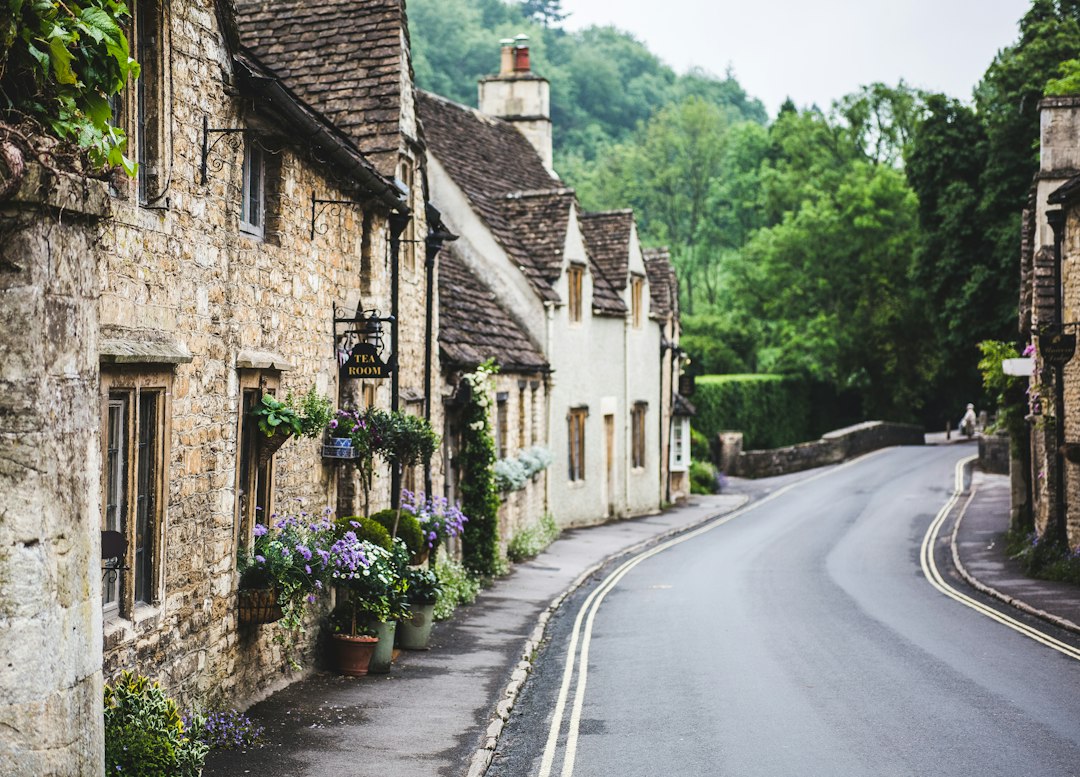
Photo by Jay Chen on Unsplash
The same place can feel magical in one month and frustrating in another. For UK staycation destinations 2026, season matters almost as much as destination.
Spring is ideal for walkers and people who hate queues. Bakewell in the Peak District is strong from April to early June, when the fields are green, market-town streets feel lively rather than packed, and you can pair short hikes with bakery stops and visits to Chatsworth House. Bamburgh is another spring star: brisk sea air, wide beaches and lower accommodation prices than high summer. Expect daytime temperatures roughly around 10-17C, so layers matter more than heavy winter gear.
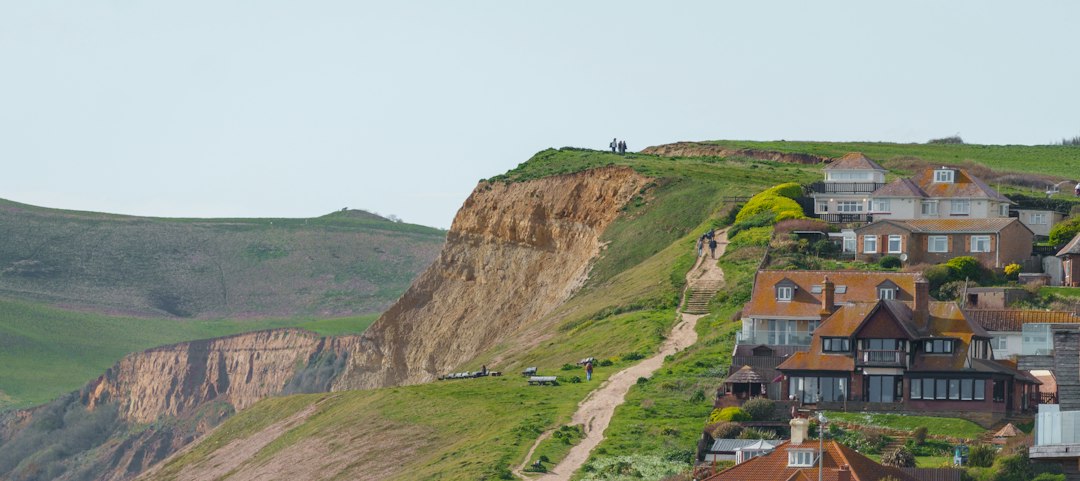
Summer is when St Ives and Lyme Regis really earn their reputation. St Ives has that rare UK light that makes the sea look almost Mediterranean on a clear day, with sandy beaches, harbour views and Tate St Ives adding a cultural layer. Lyme Regis is perfect if your holiday picture includes seafront walks, fish and chips, children with crab lines and afternoons spent looking for fossils along the Jurassic Coast. Both are peak-season places, which means they reward early booking and punish spontaneity.
Early autumn is often the sweet spot for the Lake District. Ambleside in September and October gives you cooler walking weather, lower road stress than August and a soft golden light over Windermere and the surrounding fells. Robin Hood's Bay also shines then: cliff paths, moody North Sea views and easier pub tables than midsummer.
Winter works best if you lean toward city-coast or food-and-spa breaks rather than exposed beach holidays. Brighton still has energy when the weather turns, with the Lanes, the Royal Pavilion and long pebble-beach walks that feel properly bracing. If you want festive atmosphere, shorter train journeys and indoor options, winter is also when compact historic cities often beat remote coastlines.
Official local tourism sites are worth checking once you have a shortlist, especially for seasonal closures and event dates: Visit Cornwall, Visit Northumberland, and Visit Lake District.
UK holiday without a car or by road: pick the right base
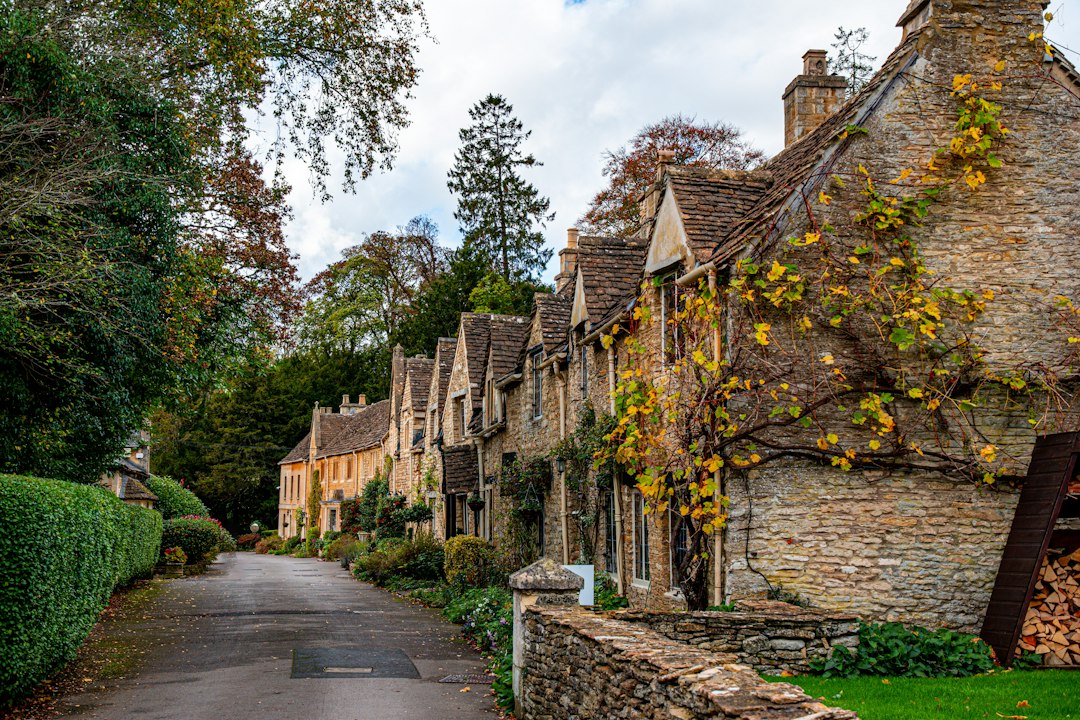
Photo by George Ciobra on Unsplash
A destination that looks close on a map can still be awkward if the last leg is slow. In practice, UK staycation destinations 2026 work best when you match the place to the transport. Coastal towns with station access suit short trips; rural national-park bases make more sense when you can drive or stay longer.
If you want one base and easy outings, browse UK Bases for Day Trips in 2026: 8 Holidays That Flow. For everyone else, this table gives a quick planning shortcut.
| Destination | Best for | Without car? | Minimum stay | Mid-range daily budget per person |
|---|---|---|---|---|
| Brighton | City plus coast, food, nightlife | Yes, very easy | 2-3 nights | £110-£170 |
| St Ives | Beaches, galleries, summer atmosphere | Possible, but long journey | 4-5 nights | £130-£200 |
| Ambleside | Walking, lake views, cosy pubs | Possible with train plus bus, but easier with car | 3-5 nights | £115-£180 |
| Bakewell | Peak District walks, market-town feel, stately homes | Car is easiest | 2-4 nights | £95-£160 |
| Bamburgh | Castle coast, big beaches, quiet breaks | Car strongly preferred | 3-4 nights | £100-£170 |
| Lyme Regis | Jurassic Coast, fossils, family seaside days | Car is easiest | 3-5 nights | £105-£175 |
For rail trips, check routes and engineering works before you commit to dates on National Rail. For weather-sensitive coastal plans, especially boat trips and cliff walks, check Met Office forecasts a few days before departure rather than relying on general seasonal assumptions.
What a UK holiday costs in 2026
Budget is often what decides between two equally tempting places. The good news is that UK staycation destinations 2026 do not all demand Cornwall-in-August prices. The trick is to cost the fixed items first: accommodation, transport, parking and one paid activity.
Here are three realistic mid-range examples:
- Brighton for 3 nights as a couple by train:
- Hotel: about £170-£240 per night
- Food and drinks: about £90-£140 per day for two
- Entries and local buses: £40-£80 total
- Likely total: about £710-£1,060
- Ambleside for 4 nights as a couple by car:
- Fuel and parking: £90-£150 total
- Food: £80-£120 per day for two
- One cruise or paid attraction: £40-£60 total
- Likely total: about £1,010-£1,350
- Lyme Regis for 5 nights as a family of four in self-catering accommodation:
- Fuel and parking: £110-£180 total
- Groceries plus a few meals out: £320-£500 total
- Small paid activities: £60-£140 total
- Likely total: about £1,590-£2,320
Shoulder season can trim 15-30 per cent off room rates in many places, especially outside school holidays. If budget versus vibe is still your real sticking point, Holiday Destination Ideas 2026: Match Budget to Mood is a useful next read.
Booking hacks for a smoother UK break
The best UK planners are rarely the people who book everything first. They are the people who book the right things first.
For popular coasts and school-holiday dates, accommodation should usually be your first move. In St Ives, Salcombe, Northumberland and top Lake District villages, the best-value rooms and cottages disappear months ahead. For peak summer, book 6-9 months out if you want location and value. For May, June, September and October, 8-12 weeks is often enough for solid mid-range options.
Then lock in the details that create stress if left late:
- Advance rail fares often appear around 10-12 weeks before travel.
- In small seaside towns, parking can cost £8-£15 a day, so ask your accommodation about permits or private spaces before paying a cheaper room rate that turns expensive on arrival.
- Book one must-do meal 2-4 weeks ahead in compact places where good restaurants fill fast.
- On the Jurassic Coast, check tide times before planning a fossil walk.
- On exposed coasts like Bamburgh, build in one indoor backup: castle, museum, gallery or spa.
- Avoid changing base too often. In the UK, a three-night trip with one hotel usually feels longer than a three-night trip split across two stays.
If you like comparing travel time, room costs and day plans in one view, TravelDeck can be a neat way to test whether a rail-friendly Brighton weekend beats a self-drive Lake District break for your actual budget.
Travelling with friends? Shared cottages can lower costs dramatically, but only if the planning is clear from the start. How to Organize a Group Vacation in 2026 Without Fallout is worth reading before anybody pays a deposit.
A 30-minute planning checklist you can copy
Planning a UK holiday gets easier once you stop treating every destination equally. Build the trip in this order and most bad decisions disappear before checkout.
- Write down your non-negotiables.
- Cap the travel time.
- 3-4 nights: up to 5 hours is fine.
- 5 nights or more: longer journeys start to make sense.
- Choose your base, not just your region.
- The Lake District is too broad; Ambleside or Grasmere is specific.
- Price the fixed costs before the fun costs.
- Build a light daily rhythm.
- One flexible afternoon option.
- One booked dinner or pub each day at most.
- Add a wet-weather substitute for every second day.
- Castle instead of cliff path.
- Tearoom and market town instead of summit walk.
- Check official practical info 72 hours before departure.
- Rail status on National Rail
- Local visitor details on VisitBritain
FAQ
What is the easiest UK holiday destination without a car?
Brighton is one of the easiest. You can arrive by train, walk to hotels, beaches, the Lanes, restaurants and the Royal Pavilion without needing daily transport. For a longer rail-based seaside break, St Ives is possible too, but the journey is much longer, so it works better for 4 nights or more.
What is the cheapest time to holiday in the UK?
Late April, early May, late September and much of October are often the best value. You usually get lower room rates than school-holiday summer, easier restaurant bookings and more breathing room in popular towns. The trade-off is less certainty for beach weather, so pack layers and one waterproof rather than planning around shorts alone.
How many nights do I need for Cornwall or the Lake District?
For west Cornwall, aim for at least 4 nights because travel time is part of the cost. For the Lake District, 3 nights is the minimum that feels worthwhile, and 4-5 nights is better if walking is the main reason you are going. Shorter stays can work, but only if your journey is simple and you stay in a well-placed base.
Is one base better than moving around?
Usually, yes. For most UK trips under 5 nights, one base is less tiring and often cheaper once you factor in check-in time, parking and packing. The exception is a longer scenic trip where the drive itself is part of the holiday.
Where should families go for an easy first UK holiday?
Lyme Regis is a strong first pick because it mixes beach time, easy promenades, fossils, fish and chips and simple day structure. Bakewell also works well for families who prefer short walks, country houses and gentler countryside days over full beach logistics.
The best UK break is rarely the loudest one on social media. It is the one that fits your season, your transport and the kind of days you actually enjoy once the suitcase is on the floor and the weather does whatever the UK weather wants.