
Most group holidays do not break down at the airport or over dinner. They break down in the planning chat, when nobody says what they can really afford, who wants a private room, or whether a 9 am museum start sounds fun or miserable. If you want to organize a group vacation without turning your friends into unpaid event staff, the trick is simple: reduce choices, assign jobs, and protect free time.
A good group trip should still feel like travel: the clink of glasses on a terrace, sandy shoes by the door, lazy breakfasts, one person hunting bakeries while another sleeps in. The plan below gives you enough structure to keep those moments easy, without managing every hour like a military operation.
Start friends trip planning with a five-line brief

Photo by Kristina Evstifeeva on Unsplash
Before anybody checks flights or drops villa links, write a five-line trip brief and get everyone to reply yes or no. This is the step most groups skip, and it is why the same trip somehow exists in six different versions inside six different heads.
Keep it short enough that people actually answer. You are not writing a manifesto. You are setting the edges of the trip so later choices feel obvious instead of emotional. If your group still has not agreed on destination style, Holiday Destination Ideas 2026: Match Budget to Mood is a useful way to narrow the mood before you touch bookings.
Your brief should include only the non-negotiables:
- Destination or destination type
- Exact travel dates or two date windows
- Maximum all-in budget per person
- Preferred pace: slow, balanced, busy, nightlife-heavy, family-style
- Sleeping rule: private room, twin share, couple priority, or sofa bed only if volunteered
A strong example looks like this:
- Four nights in late September
- Warm city break within a 3-hour flight
- Maximum €650 per person including flights
- One booked activity a day, not more
- No one shares a bed unless they arrived together
Set a reply deadline of 48 hours. Anyone who misses it accepts the majority choice. That sounds strict, but it is kinder than running the same vote for ten days while prices rise.
Give your group trip jobs, not 47 opinions

Photo by Precondo CA on Unsplash
Group travel gets lighter the minute responsibility is visible. When every decision belongs to everybody, the loudest person ends up steering while the most organized person quietly does all the work. That is where resentment starts.
Instead, split the trip into jobs. Three roles are enough for most groups of four to ten. A shared planning board such as TravelDeck can help keep dates, booking notes, addresses, and day plans in one place, but the real win is not the tool. It is knowing who owns what.
Use these roles:
- Budget lead: tracks shared costs, records deposits, posts who owes what, and sets settlement dates
- Logistics lead: owns arrival times, train or flight numbers, check-in rules, meeting points, and backup plans if someone is delayed
- Day lead: suggests the one must-book activity or meal on each key day and checks opening hours before the group gets attached to a bad idea
For bigger trips, add one optional role:
- Room lead: handles who sleeps where before anyone pays
What each person should send to the group:
- Budget lead: one cost sheet with due dates
- Logistics lead: one arrival message with exact address, nearest station, and check-in time
- Day lead: one shortlist with prices, start times, and cancellation terms
- Room lead: one proposed rooming plan, not an open debate
The rule is simple: people can comment, but the role owner posts the final recommendation. That keeps the group from re-litigating every taxi, table, and transfer.
Build a shared travel itinerary with one fixed moment a day
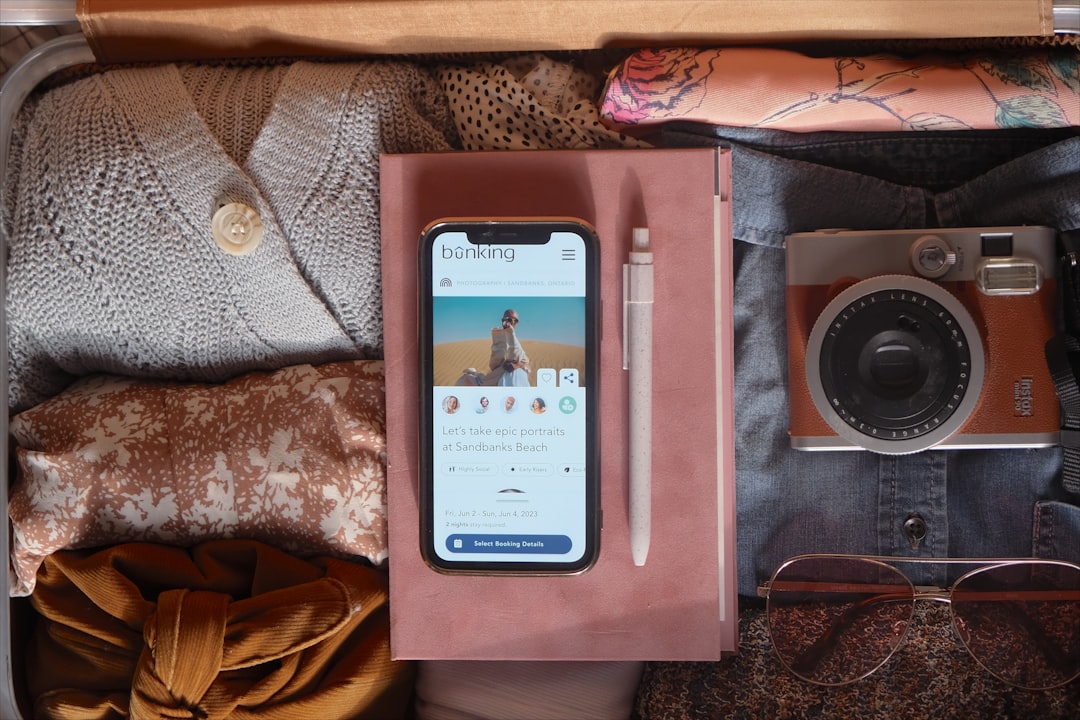
Photo by Paige Cody on Unsplash
The happiest groups do not spend every hour together. They share a backbone, then branch out. Think one fixed moment a day, plus generous air around it: a long lunch, a boat departure, a market food tour, a sunset table, a museum slot that actually needs booking.
This is what stops the classic holiday split: half the group wants structure, half wants freedom, and both feel judged. One booked moment gives the trip shape. Free blocks before or after it give everyone oxygen.
If you want examples of itineraries that flow without becoming exhausting, look at 5 Days in Tokyo Itinerary 2026: Rebuild It in Minutes and 4 Days in Berlin Itinerary 2026: The First Trip That Flows. Notice how the best day plans have rhythm, not clutter.
Three patterns work especially well:
- Morning plan, free afternoon, shared dinner
- Free morning, one big afternoon activity, loose evening
- Every other day is structured, with fully open days in between
Use this rule of thumb by trip length:
| Trip length | Fixed group moments | Best pace |
|---|---|---|
| 2 nights | 2 total | One dinner and one daytime activity |
| 3 to 4 nights | 1 per day | Enough shape without fatigue |
| 5 to 7 nights | 3 to 4 total | Alternate busy days with open days |
| 8 nights or more | Only key bookings | Let the destination breathe |
A good daily rhythm sounds like real travel: espresso on a balcony, a late meet-up in the square, sunlight on tram tracks, one solid plan, then a few hours when people can nap, shop, swim, or wander alone. Protecting that space is not lazy planning. It is the reason people still like each other by day four.
Set group trip budget rules before the first deposit
Money drama rarely arrives as one huge fight. It creeps in through tiny unclear moments: someone pays for groceries and forgets to log them, somebody else assumes airport taxis are shared, a fancy restaurant gets booked as if everybody agreed, then one person quietly panics.
Fix this before booking anything. Shared costs should be boring, visible, and time-bound. If the group cannot agree on what counts as shared, the trip is not ready to book.
Use a simple system with three buckets:
- Shared essentials: accommodation, intercity transport, pre-booked group activities, one grocery shop for breakfast basics
- Optional join-ins: beach club day, wine tasting, private boat, tasting menu, extra taxis taken by part of the group
- Personal spend: coffee, drinks, souvenirs, solo lunches, skincare, shopping
For a realistic mid-range European city break of 4 nights, plan roughly this much per person:
| Cost category | Typical amount per person | When to collect |
|---|---|---|
| Accommodation | €180 to €320 | At booking |
| Airport and local transport | €25 to €60 | One week before departure |
| One paid activity | €20 to €70 | At booking |
| Shared groceries | €10 to €25 | On trip |
| One nicer dinner | €30 to €65 | On trip or pre-book deposit |
| Buffer fund | €50 to €100 | Keep personal |
Then add four money rules:
- Log shared spending within 24 hours
- Settle once mid-trip if the holiday is 6 nights or longer
- No surprise upgrades booked on behalf of the group
- If someone opts out of an optional activity, they do not subsidize it
One more rule saves friendships: every person should carry their own emergency buffer. A minimum of €100 for a short-haul city break and €200 to €300 for a longer multi-stop trip covers missed trains, an extra taxi, or a hotel tax nobody noticed.
Choose group accommodation and arrivals with less friction
A beautiful property can still be a terrible group base. The photos show the pool glowing blue and the terrace lit with fairy lights, but the real questions are less romantic: How many bathrooms? Who gets the room without windows? Is there a keyless check-in if three flights land at different times? Can six people really fit around breakfast without standing?
For most adult groups, bathroom count matters almost as much as bed count. A useful rule is one bathroom for every three to four people. After that, mornings get slower and tempers get shorter.
Use these rooming priorities in order:
- Couples or parents with a child together
- Anyone paying extra for privacy gets the private room they paid for
- Light sleepers away from the street or common room
- Earliest risers near the kitchen or exit, if possible
- The person on the sofa bed pays less, unless they volunteered because they genuinely do not mind
Arrival planning matters just as much as rooms. Do not make tired people chase each other around an airport. Pick one meeting point near the accommodation instead, such as the front door, the lobby, or the café across the street. Send one message with these details:
- Full address in local format
- Check-in window
- Door code or host contact if relevant
- Best transport option by time of day
- Backup plan if someone lands more than 90 minutes late
This is also the point to check travel rules on official pages, especially if the group is crossing borders. Use UK Foreign Travel Advice, U.S. travel advisories and entry information, and EU air passenger rights before anyone pays non-refundable deposits.
Use a booking timeline so decisions stop looping
Most planning chaos is not about disagreement. It is about decisions staying open too long. Prices move, the chat grows louder, and suddenly a simple weekend away feels like a committee hearing.
The fix is a booking timeline with a no-revote rule. Once a decision passes its deadline, it is closed unless the role owner reopens it for a genuine problem such as sold-out dates or a major price jump.
Use this schedule:
- 8 to 10 weeks out: lock destination, dates, and budget ceiling
- 6 to 8 weeks out: book stay and collect deposits
- 30 days out: lock the fixed activities and one special meal
- 14 days out: finalize arrival plan, rooming list, and who holds each booking confirmation
- 7 days out: post weather check, packing notes, and final balances due
- 24 hours out: confirm first meet-up time and the first meal plan
If someone says they are easygoing, test that kindly. Ask what they mean by easygoing: willing to share a room, okay with public transport, fine skipping fine dining, or just not interested in helping choose. Vagueness causes more trouble than strong opinions.
A final practical rule: if a person has not paid their deposit by the stated date, their spot is not confirmed. It sounds blunt, but clear finance deadlines are far less awkward than chasing money after the trip when the sand has washed off and everyone is back at work.
FAQ
How many people is too many for one group trip?
For one accommodation and one shared plan, six to eight adults is usually the sweet spot. Above that, the trip often works better as a cluster: one shared base, but smaller dinner and activity groups. Once you hit nine or more, rooming, transport, and restaurant tables get noticeably harder.
Should every meal be planned in advance?
No. Pre-book only the meals that matter: the first-night dinner, one celebration meal, and anywhere that genuinely fills up. Leave most breakfasts and at least half the lunches open so the trip still has room for appetite, weather, and mood.
What is the fairest way to split rooms?
Split by value, not by headcount alone. A quiet en-suite room is worth more than a bunk by the kitchen, so prices should reflect that. If the property has a clearly weaker sleeping spot, discount it from the start instead of pretending every bed is equal.
What if one person wants luxury and everyone else wants budget?
Give the group a shared ceiling, then let upgrades be personal. If one traveler wants business-class rail, a premium room, or spa add-ons, that is fine as long as the extra cost does not spill into the shared budget. Clarity keeps preference from becoming pressure.
What if people keep changing their minds?
Use deadlines, then move forward. Offer two or three good options, not an empty question to the whole group. People find it much easier to choose between A and B than to invent the trip from scratch.
The best group vacations feel loose once you are on them because the hard parts were settled early. A few honest rules, one shared rhythm, and enough space for people to be themselves can turn a noisy planning chat into the kind of trip people actually want to repeat.