Berlin is so big that many first-time visitors make the same mistake: they book two rushed days, pin every landmark they have ever heard of, and spend half the trip changing trains. A better plan is a focused 4 days in Berlin itinerary that groups the city by neighborhood and mood, so the history lands properly and the distances stop feeling random.
For most first-timers, four full days is the sweet spot. You get the must-see Berlin landmarks, the Berlin Wall sites that give the city its emotional weight, a real neighborhood day in Kreuzberg and Friedrichshain, and a final look at West Berlin without turning the trip into a checklist marathon. If you like laying out stops, ticket times, and transit hops before you land, putting this route into TravelDeck makes Berlin's sprawl far easier to manage.
How many days in Berlin do you really need?
Photo by Jean Pierre Hintze on Unsplash
If you are wondering how many days in Berlin is enough, the honest answer is this: three days works, but four days feels right. Berlin is not a compact old town you can conquer on foot. It is a city of layers, with imperial boulevards in Mitte, Cold War scars across the center, canal life in Kreuzberg, and a very different rhythm once you cross into the west.
That is why this 4 days in Berlin plan works so well for a first trip. You can move through Berlin in coherent chunks rather than darting from one headline sight to another.
- 2 days in Berlin: enough for Brandenburg Gate, Museum Island, one Wall site, and a quick look at the east, but it feels compressed.
- 3 days in Berlin: the minimum for a satisfying first trip, especially if you move fast.
- 4 days in Berlin: the best balance for first-timers who want major sights plus neighborhood atmosphere.
- 5 days or more: ideal if you want Potsdam, Sachsenhausen, or slower museum time.
A few advance bookings matter. Reserve the free Reichstag dome visit before you go, and pre-book any timed museum entries you care about on Museum Island. For airport and terminal strategy before departure, Airport Money Saving Tips for 2026: A Faster Terminal Plan is a useful companion.
Day 1: Mitte and the city that keeps reinventing itself
Your first day should not be about racing. It should be about orientation. Mitte is where Berlin lays out its biggest symbols within one walkable core: victory, dictatorship, ruin, division, and reunification all within a couple of kilometers. Start early, before tour groups stack up, and the broad spaces around Pariser Platz and Unter den Linden feel almost ceremonial.
What makes this day work is the sequence. You begin with the postcard Berlin everyone recognizes, then move into the places that explain why the city looks and feels the way it does now. By evening, when you reach the courtyards and restaurant streets around Hackescher Markt, Berlin starts to feel lived-in rather than monumental.
Morning
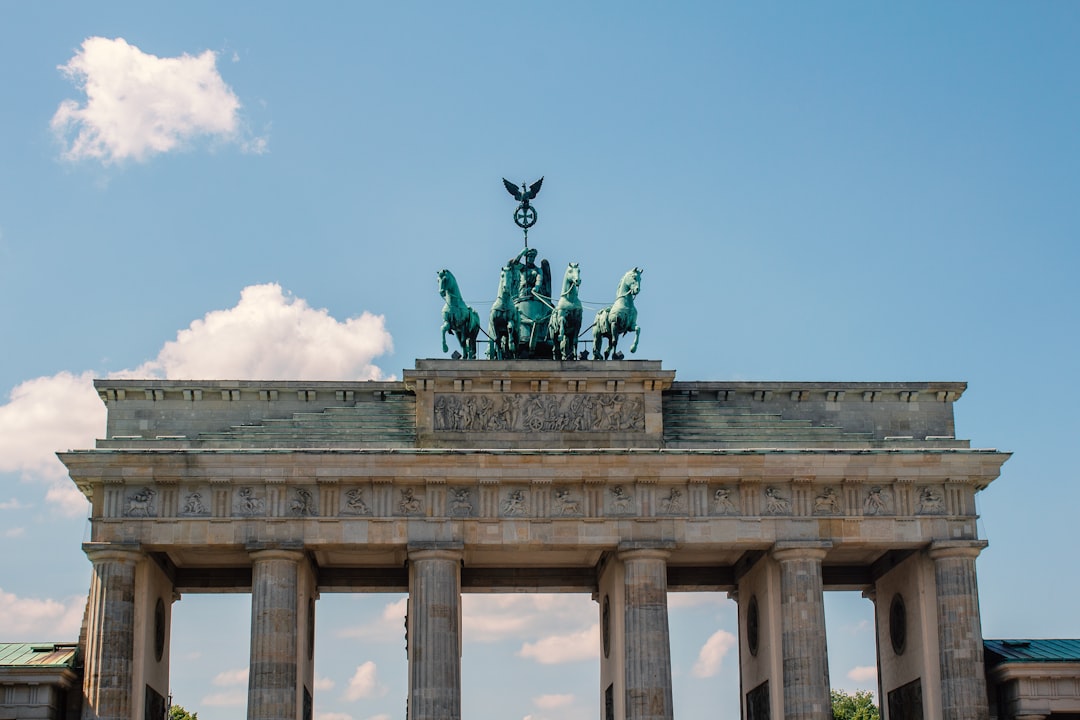
- 08:30-09:00 Brandenburg Gate, Pariser Platz, Mitte — free. Arrive early for the quietest photos and your first sense of Berlin's scale.
- 09:10-10:30 Reichstag dome, Platz der Republik, Mitte — free with advance registration. The spiral glass ramp gives you one of the best geographic overviews of the city.
- 10:40-11:20 Memorial to the Murdered Jews of Europe, Cora-Berliner-Straße, Mitte — free. Walk the stelae field slowly, then visit the underground information room if you want deeper context.
- 11:30-12:00 Walk through Ebertstraße toward Unter den Linden and Bebelplatz, Mitte — free.
Afternoon
- 12:15-13:15 Lunch near Unter den Linden or around Gendarmenmarkt — expect €12-20 for a casual lunch, €25-35 for sit-down dining.
- 13:30-16:00 Museum Island, Mitte — plan for one major museum, not three. The Neues Museum is a strong first choice at about €14, especially if you want archaeology and the bust of Nefertiti.
- 16:10-16:40 Berlin Cathedral exterior and Lustgarten, Museum Island/Mitte — cathedral exterior is free; interior ticket usually around €10 if you want to go in.
- 16:45-17:30 Hackesche Höfe, Rosenthaler Straße, Mitte — free to wander. This is a good point to switch from grand history to Berlin street life.
Evening
- 18:00-19:30 Dinner around Hackescher Markt or Oranienburger Straße, Mitte — budget €18-35 depending on the restaurant.
- 19:30-20:15 Optional walk to Nikolaiviertel, Mitte — free. It is touristy, but pleasant at dusk and an easy, low-effort first evening.
- 20:30 onward Optional Berlin TV Tower at Alexanderplatz, Mitte — from about €20 if you book a timed slot on the official site. Do this for the view, not for dinner.
Insider tip
Book the Reichstag for the morning and the TV Tower for another day or skip it entirely. Seeing Berlin from above is useful once; doing both in one day is redundant unless the weather is exceptionally clear.
Day 2: Bernauer Straße, Checkpoint Charlie and the weight of the Wall
Day 2 is Berlin at its most emotionally dense. The city has many Wall fragments, but not all of them explain the story equally well. Bernauer Straße is the place where the border system becomes real: watchtowers, the death strip, escape attempts, divided houses, and families separated by a street line that became a geopolitical fault.
In the afternoon, head south for the machinery of terror and Cold War theater: the Topography of Terror and Checkpoint Charlie area. These sites are not beautiful in the usual sense, but they are essential. Berlin makes far more sense once you have seen how much of the 20th century was compressed into a few blocks.
Morning
- 09:00-11:00 Berlin Wall Memorial, Bernauer Straße, Mitte/Wedding — free. Allow time for the documentation center and viewing platform.
- 11:05-11:40 Chapel of Reconciliation and preserved border strip, Bernauer Straße — free.
- 11:45-12:30 Coffee or early lunch around Oderberger Straße or near Zionskirchplatz, Prenzlauer Berg — €8-18.
- 12:30-13:00 Optional stroll through Mauerpark, Prenzlauer Berg — free. Best on Sundays for the flea market atmosphere.
Afternoon
- 13:30-15:00 Topography of Terror, Niederkirchnerstraße, Kreuzberg/Mitte edge — free. The outdoor remains and indoor exhibition are among Berlin's strongest museums, and they cost nothing.
- 15:10-15:45 Checkpoint Charlie outdoor display, Friedrichstraße/Zimmerstraße, Mitte — free. The street setting is more worthwhile than the commercial museums nearby.
- 16:00-16:45 Walk to Gendarmenmarkt, Mitte — free. It is a useful visual reset after the heavier history of the afternoon.
- 17:00-17:45 Coffee break near Französische Straße or Hausvogteiplatz — €5-10.
Evening
- 18:30-20:00 Dinner in Kreuzberg around Mehringdamm or Bergmannkiez — €12-28. This is a good night for currywurst, schnitzel, or Turkish grills rather than a formal meal.
- 20:00-21:00 Optional sunset walk in Viktoriapark, Kreuzberg — free, with one of the city's quieter skyline viewpoints.
- 21:00 onward If you still have energy, stay in Bergmannkiez for wine bars and low-key nightlife rather than crossing the city again.
Insider tip
Do not overpay for gimmicky Checkpoint Charlie experiences. Bernauer Straße and Topography of Terror deliver the history with much more clarity and far better value.
Day 3: East Side Gallery, Kreuzberg and Friedrichshain after the history lesson
By the third day, Berlin should feel less like a textbook and more like a living city. This is when you move east and let the tone change. The river, the murals, the industrial spaces, and the food scene around Kreuzberg and Friedrichshain show why so many travelers fall for Berlin after the landmarks are done.
This part of the city rewards wandering, but it still helps to give the day shape. Start with the East Side Gallery before the tour groups and cyclists crowd the path. Then cross the Oberbaum Bridge into Kreuzberg, where markets, canals, Turkish bakeries, and long conversations on sidewalks create the Berlin many people come looking for.
Morning
- 09:00-10:15 East Side Gallery, Mühlenstraße, Friedrichshain — free. Walk the full painted stretch rather than just the famous mural cluster.
- 10:15-10:35 Oberbaum Bridge, Friedrichshain/Kreuzberg — free. This is one of the city's best river crossings for photos.
- 10:45-11:30 Coffee and pastry near Schlesisches Tor, Kreuzberg — €6-10.
- 11:30-12:30 Stroll along the Landwehr Canal toward Görlitzer Park or Skalitzer Straße, Kreuzberg — free.
Afternoon
- 13:00-14:15 Lunch at Markthalle Neun, Eisenbahnstraße, Kreuzberg — €10-22 depending on stalls. Go earlier if it is Thursday and you want to beat evening street-food crowds.
- 14:30-15:45 Walk Oranienstraße and the side streets around Heinrichplatz, Kreuzberg — free. This is a good area for independent shops, bookshops, and street detail.
- 16:00-17:30 Choose one: Turkish Market on Maybachufer if it is Tuesday or Friday, Tempelhofer Feld in Neukölln for open-runway space, or RAW-Gelände in Friedrichshain for industrial-culture atmosphere — all free to enter.
Evening
- 18:30-20:00 Dinner around Boxhagener Platz, Friedrichshain, or Weserstraße, Neukölln — €15-30.
- 20:00-22:00 Drinks along Simon-Dach-Straße, Friedrichshain, or beside the canal in Kreuzberg — budget €4-6 for beer, €10-14 for cocktails.
- Late option If nightlife matters to you, keep Day 4 lighter in the morning and let Berlin do what Berlin does best after dark.
Insider tip
If your Day 3 falls on a Tuesday or Friday, build the afternoon around the Turkish Market on Maybachufer. It is one of the easiest ways to feel Berlin's everyday multicultural life rather than just its visitor-facing highlights.
Day 4: Charlottenburg, Tiergarten and the other Berlin
A lot of first-time itineraries stay mentally stuck in the former east, but Berlin only clicks when you spend a day in the west as well. Charlottenburg feels broader, calmer, and more polished. You trade graffiti for palace gardens, riverside edge for elegant boulevards, and post-industrial cool for old West Berlin confidence.
This day also gives your feet a break from emotional heaviness. After two history-rich days and one neighborhood day, you are ready for something lighter: a palace, one of Europe's classic shopping avenues, and a church ruin that still says almost everything about Berlin's 20th century in a single silhouette.
Morning
- 09:30-12:00 Charlottenburg Palace and gardens, Spandauer Damm, Charlottenburg — palace ticket usually around €19 for the main combined visit; gardens free.
- 12:00-12:20 Walk the palace grounds toward the river and orangery area — free.
- 12:20-13:00 Coffee or light lunch near Schlossstraße or Wilmersdorfer Straße — €8-18.
Afternoon
- 13:30-14:30 Kaiser Wilhelm Memorial Church, Breitscheidplatz, Charlottenburg — donation based for the remembrance hall; exterior free.
- 14:30-15:30 Kurfürstendamm walk, Charlottenburg — free. Even if you are not shopping, the boulevard explains West Berlin's identity.
- 15:40-16:40 KaDeWe food floor, Tauentzienstraße, Schöneberg/Charlottenburg edge — free to browse, €8-25 if you snack there.
- 17:00-18:30 Tiergarten walk from the Zoo quarter toward Siegessäule or Café am Neuen See — free unless you stop for drinks.
Evening
- 19:00-20:30 Dinner in Charlottenburg around Savignyplatz — €20-40. This is a strong final-night area for a more polished meal.
- 20:45-21:30 Optional evening drink around Savignyplatz or return to Mitte by S-Bahn in about 15 minutes.
- Alternate plan If you have already seen West Berlin on a previous trip, swap this entire day for Potsdam and buy a zone ABC ticket for Sanssouci.
Insider tip
Do not try to combine Charlottenburg with Potsdam on the same day. Both deserve breathing room, and cramming them together turns your final day into transit rather than travel.
Best time to go for a 4 days in Berlin trip
Berlin is a year-round city, but not every season fits every traveler. For a classic first trip with long walking days, May, June, September, and early October are the best windows. The light lasts late, park life comes alive, and sitting beside the canal or in Tiergarten actually feels like part of the trip rather than a cold-weather endurance test.
July and August are lively but pricier, with heavier lines at Museum Island and popular viewpoints. December is atmospheric if you want Christmas markets and lower daylight expectations. January and February can be stark, grey, and freezing, which is not necessarily bad for museum-heavy travelers, but it changes the rhythm of the city.
- Best overall months: May, June, September, early October
- Best for Christmas markets: late November to late December
- Best for lower hotel rates: January, February, and parts of March
- Best for long daylight and nightlife energy: June to August
Estimated budget per person for 4 days in Berlin
Berlin is not dirt-cheap anymore, but it is still one of the more manageable big capitals in Western Europe. The biggest budget swing is accommodation. Food can stay reasonable if you mix museums and restaurant nights with döner, bakeries, market lunches, and one or two free attractions each day.
This estimate excludes flights or long-distance trains to Berlin and assumes one person sharing a double room in the mid-range and comfortable tiers.
| Budget tier | Hotel per night | Food per day | Transport | Sightseeing total | 4-day total |
|---|---|---|---|---|---|
| Budget | €35-70 | €20-35 | €11.20 per day or Museum/Welcome card mix | €20-45 | €240-470 |
| Mid-range | €110-180 | €35-60 | €11.20 per day | €45-80 | €630-1,060 |
| Comfortable | €200-320 | €60-100 | mix of transit and taxis | €80-140 | €1,140-1,980 |
A Museum Pass Berlin can pay off if you plan multiple museum visits over three consecutive days. If you mostly want the free heavy hitters such as the Berlin Wall Memorial, East Side Gallery, Topography of Terror, and Brandenburg Gate, simple day tickets are often better value.
Where to stay in Berlin for this itinerary
For a first visit, location matters more than hotel style. Berlin is too spread out to treat accommodation as an afterthought. You want a neighborhood that cuts down transport time at the start and end of the day and still has food nearby when you get back tired.
These three areas suit a 4 days in Berlin plan especially well:
- Mitte: the easiest base for Day 1 and generally the most efficient for first-timers. Expect higher room rates, but you save time. Best around Rosenthaler Platz, Hackescher Markt, or Friedrichstraße.
- Prenzlauer Berg: quieter, leafy, and café-heavy, with easy tram and U-Bahn links. Good if you want mornings that feel local rather than touristic.
- Kreuzberg: best if food and nightlife matter as much as museums. Look around Bergmannkiez for calmer evenings or near Kottbusser Tor if you want energy on the doorstep.
Typical price ranges:
- Budget stays: €35-90 for hostels, simple guesthouses, or compact private rooms
- Mid-range stays: €110-180 for good three- and four-star options
- Higher-end stays: €200+ in Mitte, Charlottenburg, or design-heavy addresses across the center
How to get around Berlin
Berlin runs on public transport. You do not need a car, and in most cases you would not want one. The U-Bahn, S-Bahn, trams, and buses cover nearly everything on this itinerary, and the city becomes much less intimidating once you accept that a 15 to 25 minute transit hop is normal here.
Most visitors only need zones AB. That covers central Berlin, the major neighborhoods in this route, and many top sights. If you take a day trip to Potsdam or travel beyond the core, then move up to an ABC ticket for that day.
- 24-hour AB ticket: about €11.20 on BVG
- Single AB ticket: about €4.00
- Small-group 24-hour AB ticket: about €35.30 for up to 5 people
- Airport to central Berlin: about 30-40 minutes from BER by regional train, airport express, or S-Bahn
- Best apps to download: the official BVG app and DB Navigator for live departures and platform info
- Walking strategy: combine walking inside neighborhoods with transit between neighborhoods; Berlin is flat, but distances are deceptive
For this itinerary, the simplest pattern is one 24-hour AB ticket each sightseeing day. It removes friction and lets you hop on trams or buses when your feet are done.
How to get there
Berlin is one of the easiest European capitals to reach. Most international arrivals land at Berlin Brandenburg Airport, and train connections are excellent if you are already traveling in Germany or Central Europe.
Use official transport channels rather than guessing on arrival. Berlin rewards structure more than improvisation at the airport.
- By air: Berlin Brandenburg Airport, BER. The official airport site has live arrival info, terminal maps, and rail guidance.
- BER to Alexanderplatz: roughly 30-40 minutes by airport express or regional train
- BER to Hauptbahnhof: about 30 minutes by airport express
- By train from Hamburg: about 1 hour 45 minutes to 2 hours via Deutsche Bahn
- By train from Munich: around 4 hours
- By train from Prague: around 4 hours 15 minutes
- By train from Amsterdam: usually 6-7 hours depending on route
If you are booking the wider trip, leave enough arrival-day margin to avoid missing a Reichstag reservation or first museum slot.
Things to do in Berlin if you add time or swap a day
Even on a solid 4 days in Berlin route, some great places will not fit. That is normal. Berlin is a return-trip city. If you gain an extra day or want to trade one museum-heavy block for something else, these are the smartest additions.
- Potsdam and Sanssouci Park — the classic extra day from Berlin
- Jewish Museum Berlin, Kreuzberg — one of the city's strongest museum experiences
- Tempelhofer Feld, Neukölln/Tempelhof — old airport runways turned into public park space
- Stasi Museum, Lichtenberg — ideal if you want deeper East Germany context
- Mauerpark flea market, Prenzlauer Berg — best on Sunday
- Spree boat tour from central piers — useful for geographic orientation on a relaxed afternoon
- Teufelsberg, Grunewald — for street art and unusual Cold War views on the western edge
Where to eat on this itinerary
Berlin's food scene is one of the reasons four days works so well. You can eat cheaply and well between sights, then reserve one or two evenings for somewhere more polished. The city is strongest when you mix classic Berlin comfort food with Turkish, Middle Eastern, and market-led meals.
Think neighborhood-first rather than bucket-list-first. You rarely need to cross the city for one famous dish when the area you are already exploring has plenty worth eating.
- Day 1, Mitte: cafés around Hackescher Markt, modern German spots near Rosenthaler Straße, bakery breakfast near Friedrichstraße
- Day 2, Kreuzberg: Mehringdamm for currywurst, Bergmannkiez for relaxed dinner streets, strong Turkish grills across the district
- Day 3, Kreuzberg/Friedrichshain: Markthalle Neun for lunch, Schlesisches Tor for late snacks, Boxhagener Platz for dinner and drinks
- Day 4, Charlottenburg: Savignyplatz for a nicer final dinner, KaDeWe food floor for a grazing-style afternoon stop
Local dishes and easy wins:
- Döner kebab: usually €7-9
- Currywurst with fries: about €7-11
- Bakery breakfast: €4-9
- Mid-range dinner with a drink: €20-35 per person
Practical tips for this Berlin itinerary
Berlin is easy to visit, but a few practical details make a big difference. Museum schedules, card acceptance, Sunday closures, and book-ahead rules can all change the feel of your day more than people expect.
Treat Berlin as a city of neighborhoods, not a single center. That mindset alone saves time and frustration.
- Book ahead: Reichstag dome, TV Tower, and any museum you strongly care about
- Museum pacing: one major museum per afternoon is enough for most people
- Mondays: many museums and cultural sites have reduced hours or closures; check official listings before fixing Day 1
- Cash and cards: cards are common, but small cafés, kiosks, and late-night spots may still prefer cash
- Sundays: many shops close, but museums, parks, flea markets, and walking neighborhoods still make the day worthwhile
- Safety: Berlin is generally safe; watch your belongings on transit and around busy stations at night
- Pack for weather shifts: even in summer, evenings can cool down fast near the river or in open park spaces
- Travel insurance: if you are still sorting cover before the trip, Where to Get Travel Insurance in 2026: Smart Buying Plan will help you compare the basics without overbuying
FAQ
Is 4 days in Berlin enough for a first trip?
Yes. For most first-timers, 4 days in Berlin is the best balance. You can see Mitte properly, cover the most important Wall and Cold War sites, spend one full day in Kreuzberg and Friedrichshain, and still have room for Charlottenburg or a west-side day without rushing every hour.
Is 3 days in Berlin enough?
Three days is enough if you move efficiently, but you will need to cut either West Berlin or a deeper neighborhood day. If Berlin is your main destination rather than a stop between other cities, the fourth day changes the trip from efficient to enjoyable.
Should I include Potsdam in a 4-day Berlin itinerary?
Only if you are willing to sacrifice West Berlin or one of the major historical days. Potsdam works beautifully as Day 5. For a strict 4 days in Berlin route, staying inside the city usually gives a stronger first impression.
What are the best free things to do in Berlin?
The strongest free sights are Brandenburg Gate, the Reichstag dome, the Memorial to the Murdered Jews of Europe, the Berlin Wall Memorial at Bernauer Straße, Topography of Terror, East Side Gallery, Tiergarten, and many neighborhood walks in Kreuzberg and Prenzlauer Berg.
Where should first-timers stay in Berlin?
Mitte is the easiest base. Prenzlauer Berg is better if you want cafés and a calmer local atmosphere. Kreuzberg suits travelers who care most about food, nightlife, and an edgier street scene.
Do I need a car in Berlin?
No. Public transport is the right tool here. Berlin is large, but it is very well connected by U-Bahn, S-Bahn, bus, and tram, and parking adds more hassle than value for most visitors.
Give Berlin four full days and the city stops feeling like scattered landmarks. It starts to read as neighborhoods, stories, and routes you can actually move through with purpose, which is exactly where planning the trip becomes exciting.
---