Most travelers buy insurance at the worst possible moment: after the flights are paid, the hotel is non-refundable, and a storm is already spinning across the map. Knowing where to get travel insurance is less about hunting for the cheapest checkbox and more about buying the right protection before anything goes wrong. One missed medical question or low baggage limit can turn a €35 policy into a very expensive false sense of security.
The good news is that travel insurance is not hard to plan once you know where to look and what numbers matter. This guide walks you through where to buy, when to buy, which policy type fits your trip, and the exact checks to make before you click pay.
Where to get travel insurance: the 4 places worth checking

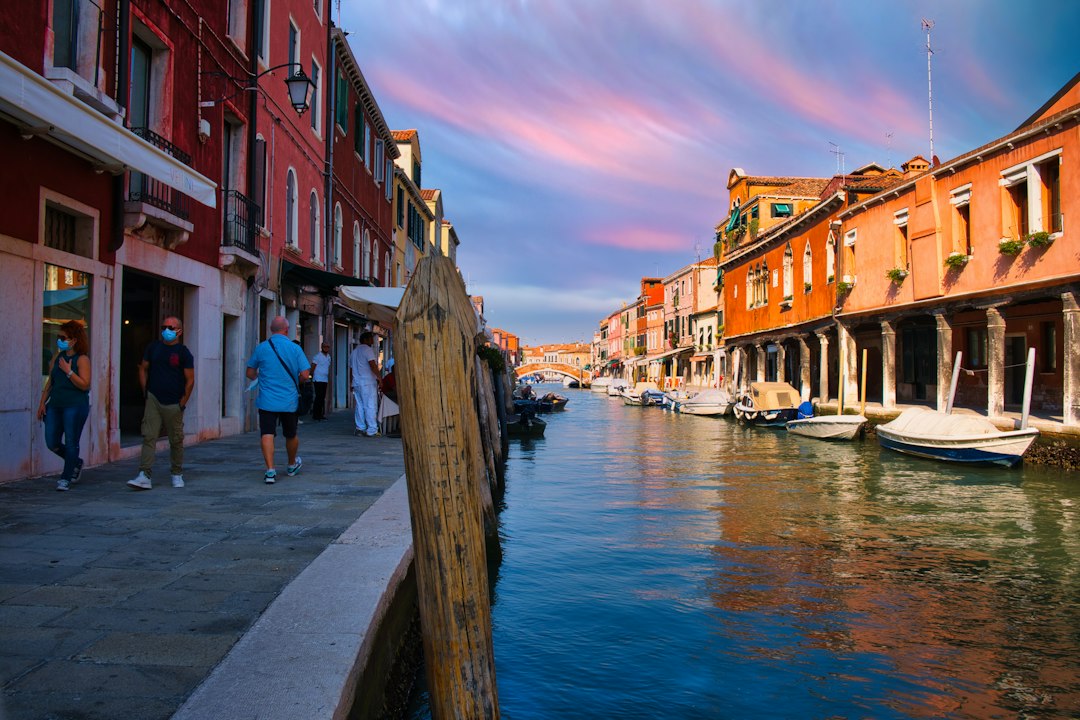
Photo by Francesca Tirico on Unsplash
Travel insurance is sold in more places than most people realize. You can buy it directly from an insurer, through a regulated broker, as a benefit attached to a premium bank account or payment card, or through a membership scheme tied to work, study, or an alumni association. The bright, breezy checkout screen on a flight booking path often makes insurance feel like a casual add-on, but it is better treated like a core trip decision.
Picture the difference. One version is a hurried airport-era purchase made in three clicks while your coffee goes cold. The better version is slower: you have your trip dates, destinations, activities, and prepaid costs open in front of you, and you compare the wording instead of just the price.
Before you buy, check these four routes:
- Buy direct from an insurer if you want the clearest policy wording, optional upgrades, and an easier way to adjust cover later.
- Use a regulated broker if your trip is unusual, such as long-stay travel, multiple countries, or a medical declaration that may need human review.
- Check bundled benefits through your bank account, card, employer, or union, but read the activation rules carefully. Many plans require you to pay for the trip with that account or card.
- Use student or backpacker policies for trips involving long durations, study, incidental work, or a flexible return date.
A simple rule: buy where you can read the full policy wording before payment and easily reach claims support later. If the purchase path hides exclusions until the final screen, keep looking.
When to buy travel insurance after booking

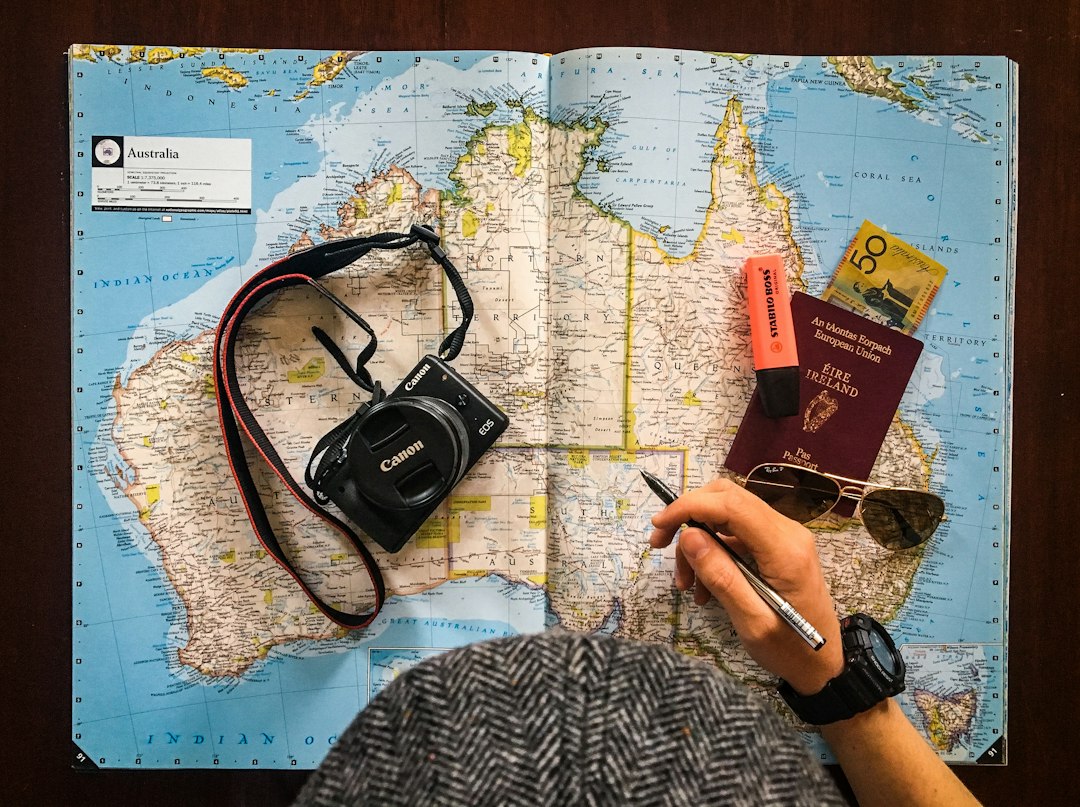
Photo by JESHOOTS.COM on Unsplash
The best time to buy travel insurance is the same day you make your first non-refundable booking, or within 24 hours of it. That is the moment when cancellation protection starts to matter. If you wait three weeks and then get sick, face a family emergency, or discover a named storm affects your route, the event may already be outside cover.
This matters most for fixed-date trips where costs stack fast: a weekend city break, a ski week in February, or a long-haul trip with internal flights already paid. If you have already planned a short break such as Weekend in Lisbon Itinerary 2026: A Rebuildable 2-Day Plan, insure it as soon as the first booking is locked in, not the night before departure.
Use this timing checklist:
- Bought flights today: buy insurance today.
- Booking an annual policy for trips later in the year: set the start date now if you already have prepaid travel.
- Planning a visa trip: make sure your policy dates match entry and exit dates exactly.
- Traveling during hurricane, monsoon, or peak winter storm season: do not wait for the weather picture to develop.
- Have a medical condition: declare it before payment, not after.
A good mental model is simple: insurance is for the space between booking and getting home again. If you only buy it at departure, you leave the first half of the risk uncovered.
Single-trip, annual multi-trip, backpacker or winter sports?

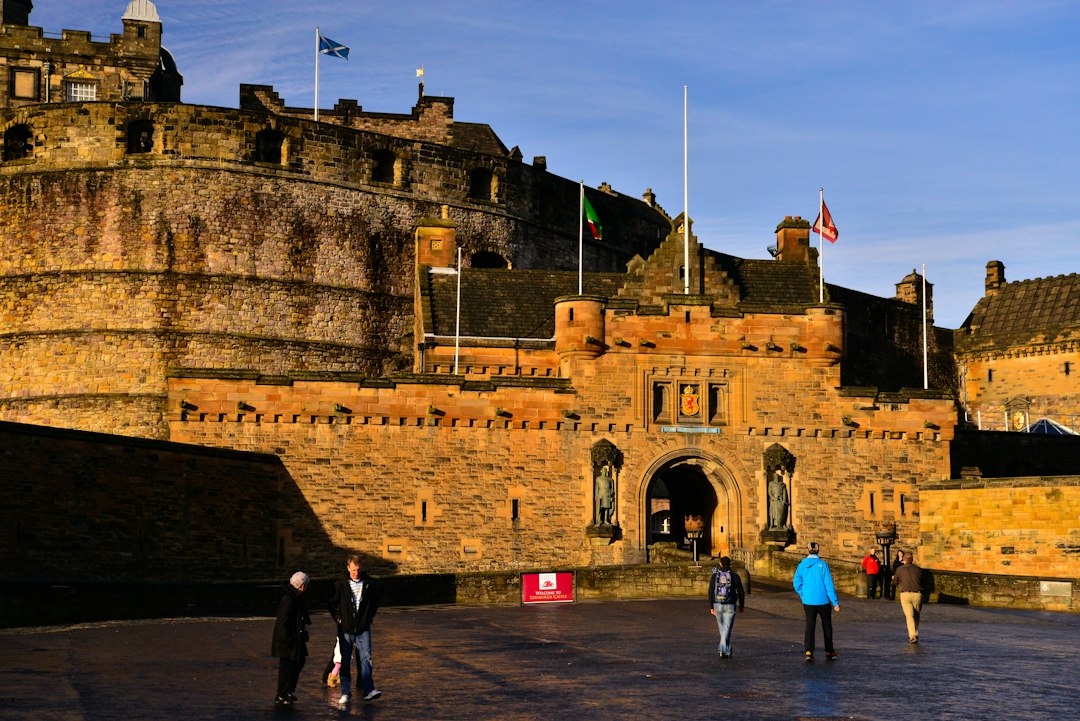
Photo by Harri P on Unsplash
The right policy type depends more on trip pattern than destination. A traveler doing one 8-day Rome break has different needs from someone taking four short European trips, or a six-month South America loop, or a family ski holiday with rented equipment.
Many travelers overpay because they buy a single-trip policy again and again. Others underinsure because they pick an annual plan and assume every trip length or activity is included. Annual cover can be excellent value, but it often has a per-trip maximum such as 30 or 31 days. Some annual plans also only cover domestic breaks if you have at least two nights of pre-booked accommodation.
Use this quick comparison:
| Policy type | Best for | Typical 2026 price | Watch out for |
|---|---|---|---|
| Single trip | One holiday up to 2-4 weeks | €15-€40 for a 7-night Europe break, €40-€120 for a 2-week long-haul trip | Low cancellation caps and low per-item baggage limits |
| Annual multi-trip | 3 or more trips a year | €70-€180 per traveler, often more for family cover | Maximum trip length, domestic-trip rules, activity exclusions |
| Backpacker or long-stay | 1-12 months abroad | €120-€350 for 3 months, more for global cover | Work exclusions, one-way departures, high-risk activities |
| Winter sports add-on | Ski and snowboard trips | Often €20-€60 extra per trip or season | Off-piste rules, equipment hire, avalanche and piste-closure wording |
If you are planning a long-haul journey with stopovers and a lot of prepaid moving parts, also think ahead to the travel day itself. The comfort prep in 12-Hour Flight Checklist 2026: Comfort From Gate to Landing is separate from insurance, but both belong in the same pre-trip setup.
Travel insurance coverage limits that actually matter
The number on the price tag matters far less than the numbers inside the policy. When travelers say they have insurance, what they often mean is they have a document with a logo on it. What matters is whether the medical cap is high enough, whether evacuation is included, and whether the baggage section actually covers the gear they are carrying.
Think of cover limits as the difference between a safety net and stage scenery. On a sunny day, both look fine. In a real emergency, only one holds weight.
Use these practical minimums as a starting point:
- Emergency medical cover: aim for at least €100,000 equivalent, and preferably €250,000 or more for the United States, Canada, remote islands, cruises, and trips involving higher medical costs.
- Emergency evacuation and repatriation: aim for at least €250,000 equivalent if you are hiking, skiing, island-hopping, or traveling somewhere far from a major hospital.
- Cancellation and curtailment: the limit should match your actual prepaid trip cost. If your trip costs €3,800 and the policy only covers €2,000, it is the wrong policy.
- Baggage cover: check both the overall total and the single-item limit. A €1,500 baggage total is not very useful if the laptop limit is only €250.
- Delay and missed departure: useful, but usually secondary. Look for the trigger time, often 6 to 12 hours, and the maximum payout.
- Excess or deductible: many policies deduct €50 to €100 per claim section. Cheap premiums often hide higher excess.
- Car hire excess: worth adding if you plan to rent a car for several days and want a separate buffer for damage charges.
If you are traveling in Europe, a public healthcare card can still help with state medical treatment, but it does not replace travel insurance. UK residents can check the official GHIC page here: NHS GHIC.
How to compare travel insurance cover without missing the traps
A policy can sound generous on the sales page and still fail at claim time because of one exclusion buried in the wording. The most common problem is not dramatic fraud; it is ordinary mismatch. A traveler assumes scuba is included. It is not. A traveler thinks unattended luggage on a beach chair counts as theft. It does not. A traveler assumes a mild medical condition does not need declaring. It did.
Good comparison means matching the policy to the trip you are actually taking, not the trip you wish you were taking. If you are flying to a calm city break and then adding a rented scooter, a canyoning day, or a week of skiing, your insurance choice changes.
Ask these questions before you buy:
- Are all destinations on the policy, including stopovers and transit countries?
- Are your exact travel dates covered, including the day you leave and the day you return?
- Are your activities included, such as skiing, hiking above a certain altitude, diving, or moped use?
- Have you declared pre-existing medical conditions honestly and fully?
- Is there a per-item electronics limit that is lower than the gear you are carrying?
- Does the policy exclude claims caused by alcohol, drugs, reckless behavior, or ignoring local safety rules?
- Does the policy cover cancellation for illness before departure and extra accommodation if you must isolate or stay on medical advice?
- Does it include a 24-hour emergency assistance line?
- If you already have card or bank cover, what are the activation rules and gaps?
A few official tools are useful here. Check destination health alerts at CDC Travel Health Notices, government travel advisories at U.S. Department of State Travel Advisories, and air passenger rights at Your Europe Air Passenger Rights. Passenger-rights laws and travel insurance often work together: the airline may owe you one thing, while your insurance may cover costs the airline does not.
A 15-minute plan to buy the right policy
Buying well is mostly admin, but it is fast admin. Once your dates, bookings, and activity list are in one place, the decision becomes much clearer. If your trip documents live in one itinerary folder such as TravelDeck, matching policy dates, destinations, and prepaid costs is much easier.
Set a timer and move through these steps:
- Add up your prepaid, non-refundable costs: flights, hotels, rail tickets, tours, cruise deposits, and car hire.
- List every country on the trip, including transit stops longer than a few hours.
- Write down activities that need extra cover: skiing, trekking, diving, scooter rental, surfing, or working abroad.
- Check whether you already hold any bundled insurance through your bank, employer, or card, and note the gaps.
- Compare at least three policy wordings, not just three prices.
- Confirm medical, cancellation, evacuation, baggage, and excess figures against your actual risk.
- Save the policy certificate, emergency number, and claims instructions offline on your phone.
That final step matters more than people think. In a real delay, missed connection, or emergency clinic visit, you do not want to be digging through inboxes with 3 percent battery left. Once that is done, you can turn to the easier parts of trip planning, including the practical savings in Airport Money Saving Tips for 2026: A Faster Terminal Plan.
FAQ
Can I buy travel insurance after booking flights?
Yes, and most people do. But the best moment is immediately after your first non-refundable booking, because cancellation protection only helps if the policy is already active when the problem begins. Buying late can still protect the travel period itself, but it may leave the pre-departure window exposed.
Is annual travel insurance cheaper than single-trip?
Often, yes, once you take three or more trips a year. A traveler paying €25 to €45 for each short break can easily spend more than an annual policy costing €70 to €180. The catch is the per-trip length limit, so check whether your longest holiday still fits.
Do I still need travel insurance if I have a GHIC or similar public healthcare card?
Yes. A healthcare card may reduce costs for state treatment in some countries, but it usually does not cover cancellation, private treatment, mountain rescue, baggage loss, or repatriation home. Travel insurance fills those gaps.
Will travel insurance cover pre-existing medical conditions?
Sometimes, but only if the policy allows it and you declare the condition correctly. Insurers commonly exclude conditions that are undeclared, under investigation, or being treated against medical advice. If you are unsure, stop and ask before purchase rather than guessing.
Should I buy the travel insurance offered at checkout?
Only after you compare it with at least one direct policy and read the wording. Checkout cover can be convenient, but convenience is not the same as suitability. If the limits, exclusions, or claims contact are hard to find, that is a warning sign.
Travel insurance is not the glamorous part of travel. It will never beat the first glimpse of a harbor at sunset, the warm paper bag of pastries at a station platform, or the hum of a city you have never seen before. But buying the right cover at the right time is what protects all of that from becoming far more expensive than it needs to be.