A long-haul flight is one of the few travel days that can damage the first day of your trip before you have even arrived. Cabin humidity often drops to around 10 to 20 percent, you sit still for hours, and your body clock gets dragged across time zones. That is exactly why a solid 12 hour flight checklist matters more than luck, expensive seats, or a heroic tolerance for discomfort.
The good news: comfort on a long flight is usually built from small decisions made in the right order. Pick the right seat, wear the right layers, time your meals, and move before you feel stiff, not after. Do that, and even a 10 to 14 hour economy flight becomes manageable.
Why Long Flights Feel So Much Harder Than They Should
Photo by Claudio Schwarz on Unsplash
Most travelers blame the seat. The seat matters, but it is only part of the problem. What makes a long flight feel brutal is the combination of dry air, low movement, broken sleep, salty food, and bad timing. When all five hit at once, you land dehydrated, puffy, foggy, and weirdly hungry.
Think of comfort as four things you can control: pressure on your body, moisture loss, noise and light, and your internal clock. A good 12 hour flight checklist deals with each of those before wheels-up. That is more useful than chasing miracle products at the airport pharmacy.
Two official pages are worth bookmarking before you pack: the TSA liquids rule for your in-flight toiletries and the CDC guidance on blood clots during travel if you are pregnant, have circulation issues, or have a history of clotting.
Build Your 12 Hour Flight Checklist Before You Leave Home
Photo by Brett Jordan on Unsplash
The best long haul flight tips happen before the boarding call. If you wait until you are at the gate to think about hydration, layers, snacks, or sleep, you are already late. Your cabin bag should work like a tiny bedside table, not a random pile of travel panic.
If you want a smart packing system for this, Cabin Bag Packing Plan 2026: The 5-Zone Method That Fits is a useful companion read. For the flight itself, keep your comfort kit small and reachable.
Pack or wear these before you leave for the airport:
- Compression socks, ideally 15 to 20 mmHg, put on at home before the taxi or train ride
- Loose trousers or leggings with a soft waistband
- A breathable T-shirt plus one warm layer like a zip hoodie or merino sweater
- Slip-on shoes, because feet often swell by half a size on longer flights
- A 500 to 750 ml empty water bottle to fill after security
- Lip balm, richer-than-normal moisturizer, and eye drops in containers under 100 ml
- Saline nasal spray if you usually get dry, stuffy, or irritated mid-flight
- An eye mask and earplugs, even if you also use headphones
- Simple snacks such as bananas, oat bars, unsalted nuts, or crackers
- A toothbrush and travel toothpaste for the last two hours before landing
A realistic comfort budget is not huge. Compression socks usually cost about $15 to $35, a refillable bottle around $10 to $25, and a decent eye mask about $10 to $20. Those three things alone improve most flights more than a duty-free impulse buy.
One more rule: eat a normal meal before the airport if your flight is overnight. Boarding hungry makes it much harder to survive a long flight comfortably because you end up eating whatever is served, whenever it appears.
Choose the Right Seat for Long-Haul Flight Comfort
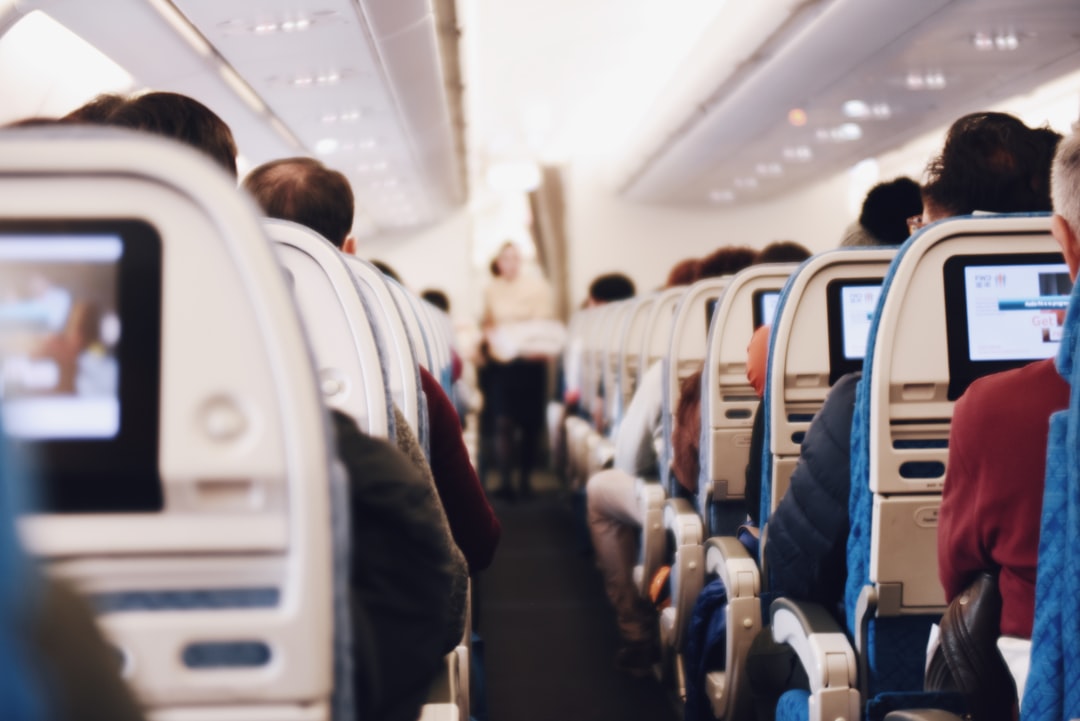
Photo by Suhyeon Choi on Unsplash
Seat choice is not about finding the perfect seat. It is about choosing the least annoying problem for your body and your personality. If you want sleep, the best seat is not the same as the best seat for bathroom breaks, anxiety, or avoiding motion.
For a comfortable long haul flight, think in terms of trade-offs. Window means a wall to lean on and fewer interruptions. Aisle means you can stand up without negotiating with strangers. Seats near the wings usually feel steadier in turbulence than seats at the far front or far back.
Here is the quickest way to decide:
| Seat choice | Best for | Main downside |
|---|---|---|
| Window | Sleep, leaning, uninterrupted rest | Harder to get up and walk |
| Aisle | Frequent stretching, nervous bladder, circulation | More bumps from carts and people |
| Over wing | Less felt motion in turbulence | Less scenic view on some aircraft |
| Front of cabin section | Faster meal service and quicker exit | More noise from bassinets on some routes |
| Near galley or toilets | Easy access to water and bathroom | Light, smell, and constant traffic |
If you sleep badly on planes, avoid the last few rows, toilet zones, and the bright traffic of the galley. If you are tall or prone to stiff legs, aisle wins more often than window, because movement is a comfort tool, not a luxury.
This is also where timing matters. On an eastbound overnight flight, protect sleep first. On a daytime westbound flight, protect circulation and hydration first. That simple shift makes your 12 hour flight checklist feel built for the route, not copied from someone else.
A Long-Haul Flight Routine That Works in Economy
The most useful long haul flight tips are rhythmic. Do the same small things at predictable moments and your body stays calmer. You do not need a perfect routine, just one that prevents the three classic mistakes: sitting too long, eating too randomly, and trying to sleep only after you are already uncomfortable.
After Takeoff: Settle Fast
Once the seatbelt sign is off, build your space. Put shoes slightly loose, water within reach, and your hoodie or blanket ready before the cabin lights change.
In the first 90 minutes:
- Switch your watch and phone to destination time
- Drink 300 to 500 ml of water before the first meal arrives
- Skip alcohol if you plan to sleep in the next four hours
- Use lip balm and moisturizer early, not after you already feel dry
- Decide whether this is a sleep flight or a waking flight, then stick to that plan
If the local time at your destination is night, lower your screen brightness, keep conversation short, and use your eye mask as soon as practical. If it is daytime there, stay upright, drink water, and delay sleep.
Mid-Flight: Move Before You Feel Bad
Most people stand up too late. The trick is to move while you still feel normal. On flights longer than eight hours, aim to walk or stand every 90 minutes to two hours unless the seatbelt sign is on.
Do this mini circuit in your seat every hour:
- 10 ankle circles each side
- 10 heel lifts
- 10 toe lifts
- 5 glute squeezes held for 5 seconds
- 3 slow shoulder rolls forward and back
This is especially important if you are continuing straight into a busy arrival day, like the first morning of 7 Days in Seoul in 2026: The First-Timer Route That Works, when heavy legs and bad sleep can wipe out your afternoon.
Last Two Hours: Land Like a Functional Person
This is when a good 12 hour flight checklist pays off. Most travelers leave these final tasks too late, then stumble through immigration feeling groggy and grimy.
About 90 to 120 minutes before landing:
- Brush your teeth
- Wash your face or use a damp cloth
- Reapply moisturizer and lip balm
- Drink another 250 to 300 ml of water
- Put shoes back on properly if you loosened them
- Pack your seat pocket items before descent starts
If I already have my first-night transport, check-in plan, and dinner idea organized in TravelDeck, I make fewer tired decisions after landing and adjust faster.
What to Eat and Drink on a Long Flight
Food can either steady you or wreck you. The hard part is that airline meal times are often designed around service logistics, not your body clock. If you eat every tray automatically, you may be telling your body it is breakfast at what will soon be 2 a.m.
Use this rule: eat according to your destination as much as you reasonably can. That means a lighter meal if the tray arrives at what will be midnight, and a fuller meal if it lines up with the destination morning or lunchtime.
Choose these more often:
- Water, sparkling water, or electrolyte water
- Rice, eggs, yogurt, fruit, soup, and simple sandwiches
- Nuts, oat bars, plain crackers, and bananas from home or the airport
- One coffee after waking, not three scattered through the cabin night
Limit these if you want better sleep and less swelling:
- More than one alcoholic drink
- Very salty snacks
- Heavy creamy meals
- Large amounts of cola or energy drinks
- Spicy food if your stomach gets sensitive in the air
As a rough guide, drink about 250 ml of water every hour you are awake in flight. You do not need to obsess over the number, but you do need more than the tiny cup that arrives with dinner. And if you pack your own snacks, borrow a few ideas from Travel Food Safety Checklist 2026: Eat Local, Stay Well, especially for anything perishable.
Flight Essentials That Prevent Dryness, Swelling, and Stiffness
This is the section most travelers underrate because none of these items look glamorous. But the difference between arriving decent and arriving wrecked is often a nasal spray, clean socks, and a toothbrush rather than a fancy gadget.
A good comfort kit should solve body problems in the order they appear: dryness first, then pressure, then fatigue.
Carry these flight essentials where you can reach them without standing up:
- Lip balm: apply every 2 to 3 hours
- Moisturizer: one layer before boarding, one mid-flight
- Eye drops: especially if you wear contact lenses, or switch to glasses for the flight
- Saline nasal spray: useful on flights over 8 hours in dry cabins
- Fresh socks: changing them halfway through a 12 hour flight feels better than it sounds
- Thin scarf or buff: useful when air vents blow cold directly at your neck
- Toothbrush kit: the fastest way to feel awake before landing
If your back gets sore, do not sit in one shape for five hours and hope a stretch will fix it. Alternate between three positions: upright with feet flat, slight recline with lumbar support from a folded sweater, and brief standing breaks. That variation matters more than any single perfect posture.
How to Reset Faster After Landing
A good arrival is quiet and boring. You do not want to land wired, starving, or half asleep. The goal is to step into the new day with the right light, the right meal, and one clear next move.
For eastbound arrivals in the morning, get outside in daylight within the first hour if possible. Even 15 to 20 minutes helps tell your body that the day has started. For late-night arrivals, keep lights low, skip a big meal, shower, and get to bed quickly.
Use this landing plan:
- Morning arrival: daylight, coffee once, normal breakfast, no nap longer than 20 minutes
- Afternoon arrival: light walk, early dinner, stay awake until local bedtime
- Evening arrival: hydrate, light snack, shower, bed
The biggest mistake is chasing comfort with random naps. If you must sleep, cap it at 20 minutes before 3 p.m. local time. Anything longer usually steals your first proper night.
FAQ
What is the most useful 12 hour flight checklist item?
Compression socks are probably the highest-value item for the price, especially on flights over eight hours. Put them on before you leave home, not at the gate, so they work before swelling starts.
Is a window or aisle better for a long-haul flight?
Window is better for sleep because you can lean and avoid being woken for every bathroom trip. Aisle is better if you are tall, anxious, pregnant, or serious about standing up every 90 minutes.
How much water should I drink on a long flight?
A good working target is around 250 ml per hour while you are awake. If you drink alcohol or coffee, add more water instead of treating the cabin service cup as enough.
Should I eat the airline meals?
Yes, but not automatically. Use destination time as your guide. Eat the meals that match local morning or lunchtime, and go lighter when the service lands in what will soon be the middle of the night.
How do I sleep on a long flight without feeling awful after?
Decide early whether the flight is a sleep window based on destination time. Then protect it with water, lower screen brightness, warm layers, an eye mask, and no late caffeine or alcohol. Random dozing under bright cabin lights rarely feels restorative.
A long-haul flight will never feel like a boutique hotel room at 35,000 feet, but it does not need to feel like punishment either. A thoughtful 12 hour flight checklist turns the flight from dead time into managed time, and that usually means you arrive ready for the trip you actually paid for.